
The shimmering beaches, vibrant cities, and world-class attractions of Florida beckon millions of travelers each year. From the magical theme parks of Orlando to the sun-drenched shores of Miami and the bohemian charm of the Florida Keys, the Sunshine State offers an unparalleled array of experiences. However, for those planning a trip between June and November, a looming question often arises: “Is the hurricane going to hit Florida?” It’s a valid concern that can cast a shadow over even the most meticulously planned vacation.
Navigating hurricane season in such a popular tourist destination requires a blend of awareness, preparation, and flexibility. While the prospect of a hurricane can be daunting, understanding the season, knowing what steps to take, and appreciating Florida’s robust preparedness can transform potential anxiety into informed decision-making. This comprehensive guide aims to equip travelers with the knowledge needed to confidently plan and enjoy their Florida adventures, even during hurricane season, focusing on travel insights, accommodation tips, and the resilient spirit of the destination. We’ll delve into the facts, provide practical advice for booking and during your stay, and highlight how Florida continues to shine as a premier travel destination, come rain or shine.
Understanding Hurricane Season in Florida: Knowledge is Your Best Companion
Before delving into the specifics of trip planning, it’s crucial to grasp the fundamental aspects of hurricane season. Being informed empowers you to make proactive decisions, ensuring your safety and maximizing your travel experience.
When is Hurricane Season in Florida?
Hurricane season officially runs from June 1st to November 30th each year. While storms can occur at any point within this window, the peak activity typically falls between mid-August and late October. This period sees the most favorable atmospheric and oceanic conditions for tropical storm and hurricane development in the Atlantic Ocean, Caribbean Sea, and Gulf of Mexico. It’s important to remember that this is a broad timeframe, and not every year brings significant landfalls in Florida. Many hurricane seasons pass with minimal impact on major tourist areas, but vigilance remains key. Understanding these dates helps you assess the inherent risks associated with traveling during different parts of the season. Early June and late November generally see less activity, while late summer and early fall are considered the most active.
How Hurricanes Form and Are Tracked
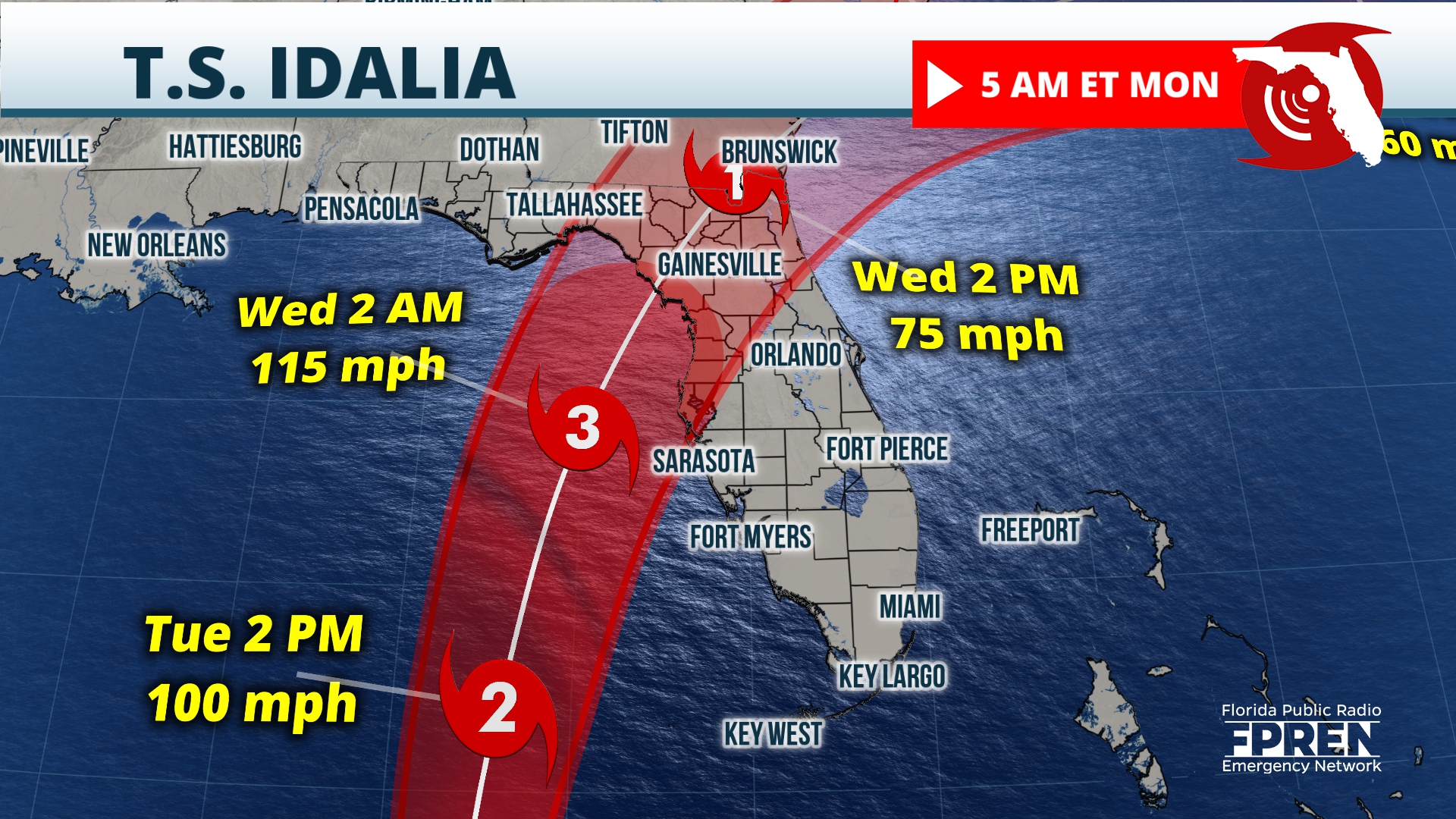
Hurricanes are powerful tropical cyclones characterized by sustained winds of 74 miles per hour (119 km/h) or higher. They form over warm ocean waters, drawing energy from the heat and moisture in the air. As they develop, they are classified by their wind speed: tropical depressions, then tropical storms, and finally hurricanes (Categories 1-5 on the Saffir-Simpson Hurricane Wind Scale). The paths of these storms are meticulously monitored by meteorologists using advanced satellite imagery, reconnaissance aircraft, and sophisticated computer models. Organizations like the National Hurricane Center (NHC), a division of the National Weather Service (NWS) in the U.S., provide constant updates, forecasts, and potential impact zones. Their “cone of uncertainty” illustrates the probable track of the storm’s center, though impacts can be felt far outside this cone. Staying abreast of these official forecasts is paramount for anyone traveling to or residing in Florida during the season. These updates are vital for understanding potential risks to specific destinations, whether you’re planning a tranquil beach escape to Sarasota or an adventurous theme park visit in Orlando.
Official Resources and Staying Informed
When it comes to hurricane information, reliability is everything. Travelers should always consult official sources for the most accurate and up-to-date information. The National Hurricane Center (NHC) is the primary authority for tropical weather forecasts and advisories in the Atlantic basin. Their website provides detailed discussions, forecast cones, satellite imagery, and specific watches and warnings. In addition to the NHC, local county emergency management agencies across Florida offer invaluable resources, including evacuation zones, shelter information, and local preparedness guides. Many cities and counties also have opt-in alert systems (text messages or emails) that can provide real-time updates relevant to your specific location. Before and during your trip, make it a habit to check these resources daily. Download relevant weather apps and familiarize yourself with local news channels. Being proactive in gathering information ensures you’re never caught off guard and can respond swiftly to any developing situation, safeguarding your travel experience and peace of mind, whether you’re staying in a luxury resort or a cozy apartment rental.
Travel Planning During Hurricane Season: Essential Preparations
Planning a trip to Florida during hurricane season doesn’t have to be a gamble. With careful consideration and strategic planning, you can significantly mitigate risks and ensure a smoother, more enjoyable journey. This section focuses on the practical steps every traveler should take before and during their booking process.
Before You Book: Travel Insurance and Flexible Policies
One of the most crucial pieces of advice for anyone considering travel to Florida during hurricane season is to seriously consider comprehensive travel insurance. Not all policies are created equal, so it’s essential to read the fine print. Look for policies that specifically cover trip cancellation or interruption due to weather events, including hurricanes. Some “cancel for any reason” (CFAR) policies offer even greater flexibility, though they tend to be more expensive. Be aware that most policies have an “exclusion period” meaning you cannot purchase insurance after a storm has been named or its path is clearly threatening your destination. Therefore, buy your insurance as soon as you book your trip.
Beyond insurance, pay close attention to the cancellation and change policies of your airline and accommodation providers. Many hotels, especially larger resorts or chains like Marriott International or Hilton Hotels & Resorts, offer specific hurricane clauses during peak season, allowing guests to reschedule or cancel without penalty if a hurricane warning is issued for their area. Similarly, airlines often issue waivers for flights affected by tropical storms, permitting changes without a fee. Opting for refundable rates or booking with companies known for their flexible policies can save you significant stress and financial loss should a storm emerge. Researching these terms upfront can provide immense peace of mind, whether you’re planning a budget-friendly stay or a lavish luxury travel experience.

Monitoring Forecasts: Your Pre-Trip Checklist
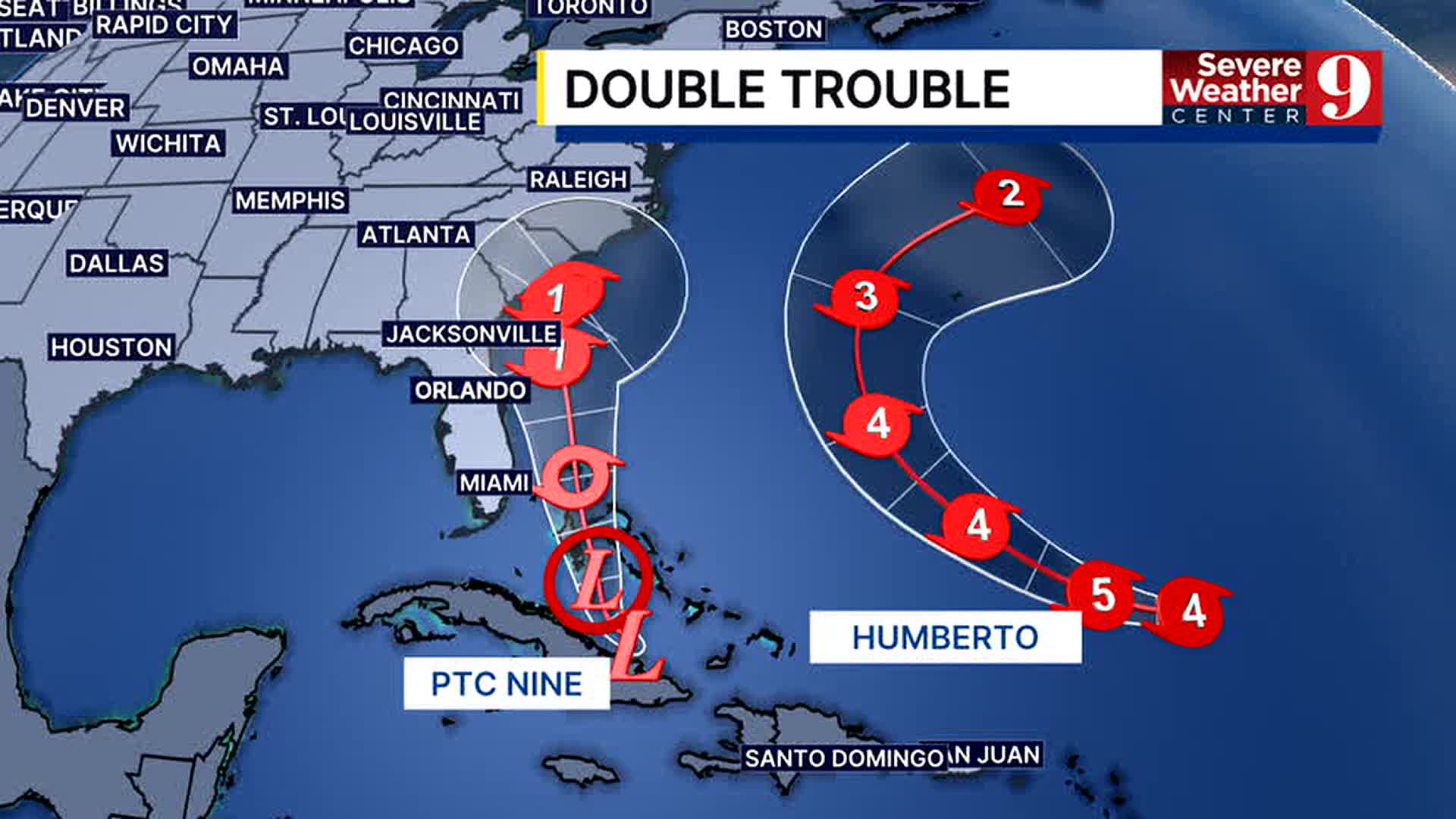
Once your trip is booked, monitoring hurricane forecasts becomes a critical part of your pre-departure routine. Start checking the National Hurricane Center (NHC) website and other reputable weather sources daily, especially in the week leading up to your departure. Don’t just look at whether a storm is forming; pay attention to its predicted track, intensity, and potential for land interaction near your chosen destination, be it Fort Lauderdale, St. Petersburg, or Key West.
Your pre-trip checklist should include:
- Regular Weather Checks: Daily review of NHC advisories and local Florida weather reports.
- Contact Information: Have the phone numbers and email addresses for your airline, hotel, car rental company, and travel insurance provider readily accessible.
- Documentation: Scan important documents like passports, IDs, and insurance policies, saving them to a cloud service or emailing them to yourself. Keep physical copies in a waterproof bag.
- Hotel and Airline Updates: Sign up for text or email alerts from your airline and hotel to receive immediate notifications about changes or cancellations.
- Emergency Fund: Keep some extra cash on hand, as ATMs and credit card systems might be affected during power outages.
- “Go Bag” Essentials: Even if you don’t anticipate an evacuation, having a small bag with a few days’ worth of clothes, medications, chargers, and non-perishable snacks is a prudent measure.
This proactive approach not only helps you determine if your trip might be affected but also ensures you’re ready to act quickly if plans need to change, allowing you to focus on the positive aspects of your Florida experience, from vibrant local culture to thrilling attractions.
Essential Packing for Potential Delays or Evacuations
Packing for a Florida vacation usually involves swimsuits, sunscreen, and light clothing. During hurricane season, however, your packing strategy needs a slight adjustment to account for potential disruptions. Even if a direct hit is unlikely, storms hundreds of miles away can bring heavy rains, strong winds, and power outages.
Consider adding these items to your packing list:
- Power Bank/Portable Charger: Essential for keeping your phone charged when outlets might be unavailable.
- Flashlight with Extra Batteries: A small, reliable light source is invaluable during power outages.
- First-Aid Kit: Basic supplies for minor injuries.
- Waterproof Bag/Pouch: To protect important documents, electronics, and cash.
- Comfortable Closed-Toe Shoes: For navigating wet or debris-strewn areas, rather than just flip-flops.
- Rain Gear: A lightweight rain jacket or poncho.
- Prescription Medications: Pack at least a week’s extra supply, especially if you rely on specific medications.
- Non-Perishable Snacks: Granola bars, nuts, or dried fruit can be helpful if restaurant services are temporarily interrupted.
- Entertainment: Books, downloaded movies, or games can help pass the time during delays or power outages, especially crucial for family trips.
While you hope not to use most of these items, having them provides a layer of security and self-sufficiency. This preparedness aligns with a smart lifestyle choice, ensuring that your journey, whether for business stays or leisure, is as smooth and safe as possible, allowing you to fully enjoy Florida’s unique experiences and charming landmarks.
If a Hurricane Threatens Your Florida Trip
Despite the best planning, sometimes a hurricane develops that directly impacts your travel dates or destination. This section provides guidance on how to navigate these challenging situations, from deciding whether to proceed with your trip to understanding what to do if you’re already in Florida.
Deciding Whether to Go or Reschedule
The decision to proceed with or reschedule your trip is often the most agonizing. It hinges on the severity of the threat, the timing, and your personal comfort level. If a hurricane watch or warning is issued for your specific destination, official advice will typically lean towards postponing non-essential travel.
- Hurricane Watch: Means hurricane conditions (sustained winds of 74 mph or higher) are possible within the specified area, usually within 48 hours. This is your cue to finalize preparations and seriously consider delaying your trip.
- Hurricane Warning: Means hurricane conditions are expected within the specified area, usually within 36 hours. At this point, non-essential travel is strongly discouraged, and you should reschedule your trip.
- Tropical Storm Watch/Warning: While less severe than hurricanes, tropical storms can still bring heavy rain, flooding, strong winds, and rip currents, which can disrupt travel and close attractions. Assess if these conditions would significantly impair your experience or safety.
Consult your travel insurance provider, airline, and hotel about their policies for cancellations or changes due under these circumstances. Many will offer waivers for rebooking or refunds. Remember that your safety is paramount. A rescheduled trip to a sunny, calm Florida will always be more enjoyable than one fraught with worry and potential danger. Think about the overall experience – will road closures impact your ability to reach Everglades National Park, or will theme parks like Walt Disney World or Universal Studios Florida be forced to close? These considerations are crucial.
What to Do If You’re Already There: Hotel Protocols and Evacuation Orders
If a hurricane threat emerges while you are already enjoying your Florida vacation, immediate action and cooperation with local authorities and your accommodation are key.
- Stay Informed: Continuously monitor local news, weather alerts, and official government advisories from the county you are in (e.g., Miami-Dade County or Orange County).
- Communicate with Your Hotel/Accommodation: Your hotel, resort, or vacation rental management will have specific hurricane preparedness plans. They will inform guests about internal procedures, such as where to shelter, if amenities will be closed, and potential evacuation instructions. Luxury resorts like The Breakers Palm Beach or The Ritz-Carlton Naples often have robust plans and designated safe areas. Ask about food and water provisions if services are interrupted.
- Follow Evacuation Orders: If an evacuation order is issued for your area, leave immediately and follow the designated routes. Do not wait. Authorities issue these orders for your safety, as emergency services may become unavailable during severe weather. Have your “go bag” ready and know your nearest shelter locations or plan to head out of the warning zone to a pre-arranged alternative accommodation.
- Secure Belongings: If you are staying in a vacation rental or apartment, help secure outdoor furniture or anything that could become a projectile. If at a hotel, ensure your valuable documents and electronics are in waterproof bags.
- Stay Indoors: During a storm, stay inside and away from windows. Do not venture out until official “all clear” announcements are made. High winds, flying debris, and flash floods are extremely dangerous.
Remember, the hospitality industry in Florida is highly experienced in hurricane preparedness. Trust their guidance and prioritize your safety above all else. This might mean temporarily pausing your activities or exploring local culture, but it’s a necessary step.
Navigating Post-Storm Travel: Rebooking and Recovery
Once a hurricane has passed, the immediate aftermath can present its own set of challenges, particularly for travelers trying to leave or those with subsequent travel plans.
- Assess Damage and Infrastructure: Roads might be flooded or blocked by debris, power outages could be widespread, and airports might be closed. Give infrastructure time to recover before attempting to travel. Information from local authorities will guide you on safe routes and operational status of essential services.
- Airline and Accommodation Communication: Contact your airline to check flight status and rebooking options. Be patient, as call volumes will be extremely high. Check with your hotel or accommodation provider regarding their operational status. Some properties might suffer damage or lose power, requiring guests to relocate.
- Flexibility and Patience: Post-storm travel requires a great deal of flexibility. Flights might be delayed or cancelled for days, and alternative transportation options might be limited. Be prepared for longer waits, potential detours, and adjustments to your itinerary.
- Support Local Businesses: For those remaining or arriving after the initial recovery, supporting local businesses is crucial. Many areas recover quickly, and tourists play a vital role in economic revitalization. Your tourism dollars help communities rebuild and restore their vibrant atmosphere, whether it’s through dining at local restaurants in South Beach or visiting reopened attractions.
By being prepared for these eventualities, you can minimize stress and navigate the post-storm environment with greater ease, allowing you to return home safely and perhaps even appreciate the resilience of the communities you visited.
Florida’s Resilience and Continued Appeal
Despite the annual hurricane season, Florida consistently remains one of the world’s most beloved travel destinations. This enduring appeal is a testament to its incredible diversity, the robust infrastructure built to withstand severe weather, and the indomitable spirit of its communities.
Iconic Destinations and Their Preparedness
Florida’s major tourist hubs are exceptionally well-versed in hurricane preparedness. Cities like Orlando, home to Walt Disney World and Universal Studios Florida, have comprehensive plans that prioritize guest safety. Theme parks have detailed protocols for securing attractions, sheltering guests, and resuming operations swiftly once conditions are safe. Many of the large resorts in Orlando are built to withstand high winds and serve as self-sufficient shelters, often equipped with generators, water supplies, and food to care for guests during and immediately after a storm.
Similarly, coastal cities like Miami, Tampa, and Fort Lauderdale have highly developed emergency management systems, clear evacuation routes, and resilient infrastructure. Hotels along these coasts are often built to stringent building codes designed to resist hurricane-force winds. The Florida Keys, while more vulnerable due to their unique geography, also have established evacuation procedures and a community that understands the importance of readiness. The state constantly invests in infrastructure improvements, coastal resilience projects, and public awareness campaigns to ensure both residents and visitors are as safe as possible. These ongoing efforts reinforce Florida’s reputation as a reliable destination, even during the storm season.
Supporting Local Tourism After a Storm
When a hurricane does impact parts of Florida, the affected communities often face significant challenges. However, one of the most powerful ways visitors can contribute to recovery is by returning and supporting local tourism once an area is declared safe and open. Tourism is the lifeblood for many Florida economies, directly supporting countless businesses, from family-owned restaurants and boutique shops to major attractions and hotels.
After a storm, when local authorities and businesses signal they are ready to welcome visitors again, choosing to travel to these areas helps inject much-needed funds back into the community. It aids in job retention, stimulates local commerce, and boosts morale. This doesn’t mean rushing into an unsafe zone, but rather, once recovery efforts are well underway and the “all clear” is given, consciously planning a trip. Visiting a vibrant art district in St. Petersburg or enjoying the natural beauty of a reopened state park contributes directly to the long-term resilience and prosperity of the Sunshine State. It’s a way for travelers to become part of the community’s recovery story.
Long-Term Outlook for Florida Travel
The long-term outlook for Florida as a premier travel destination remains incredibly strong. While hurricanes are an undeniable part of its geography, the state’s proactive approach to preparedness, its robust recovery capabilities, and the inherent allure of its diverse offerings ensure that it continues to thrive. Advances in meteorology mean better forecasting, allowing for more precise warnings and evacuation orders, which enhances traveler safety. Investment in resilient infrastructure, from fortified buildings to improved drainage systems, continues to make the state more resistant to storm impacts.
Moreover, Florida’s appeal extends far beyond just its beaches; its rich local culture, diverse food scene, incredible wildlife, and world-renowned entertainment options provide a compelling draw year-round. Travelers are increasingly savvy about planning during hurricane season, leveraging travel insurance and flexible bookings to mitigate risks. The option for long-term stay accommodation also provides an alternative for those seeking extended experiences with greater flexibility. Ultimately, Florida offers unforgettable experiences, and with smart planning, there’s no reason to let the possibility of a hurricane deter you from discovering its magic.
In conclusion, while the question “Is the hurricane going to hit Florida?” is a valid one during certain times of the year, it shouldn’t overshadow the immense joy and wonder a trip to the Sunshine State can bring. With proper preparation, reliable information, and a flexible mindset, you can navigate hurricane season confidently and safely, ensuring your Florida adventure is everything you dreamed it would be. Florida is ready to welcome you, come what may.