
The chilling question of whether the Overlook Hotel is truly haunted has captivated audiences and horror aficionados for decades. While the very name evokes images of psychological torment, isolation, and malevolent spirits, it’s crucial to remember that the Overlook Hotel as depicted in Stephen King’s novel and Stanley Kubrick’s iconic film, The Shining, is a work of fiction. Yet, the lore surrounding this terrifying establishment is so potent that it transcends the pages and screen, inspiring real-world curiosity and drawing countless travelers to the very destinations that served as its muse.
Our journey into the spectral corridors of the Overlook Hotel isn’t just about ghosts; it’s about the profound impact fiction can have on tourism, the allure of the macabre, and how certain hotels become landmarks in their own right, even if their fame stems from fictional tales. As a premier resource for travel and accommodation, we at Life Out of the Box understand the diverse motivations behind every trip – from seeking luxurious escapes and serene resorts to embarking on adventures that explore local culture and unique experiences. Sometimes, those experiences involve a brush with the supernatural, or at least, the places that hint at it.

This article delves into the origins of the Overlook Hotel, the real-life inspirations that brought its terrifying presence to life, and the enduring appeal of haunted locations for modern travelers and ghost hunters alike. We’ll explore how these destinations transform into attractions, offering not just a place to stay, but a thrilling narrative woven into their very fabric.
The Fictional Legacy of the Overlook Hotel
In Stephen King’s 1977 novel, The Shining, the Overlook Hotel is not merely a setting; it is a character unto itself, a malevolent entity that preys on its inhabitants. Isolated high in the Colorado Rockies, it becomes the winter caretaker Jack Torrance’s prison, and eventually, his undoing. The hotel’s history is steeped in violence, corruption, and dark secrets, manifesting as vivid, horrifying apparitions and a pervasive sense of dread that slowly drives Jack insane.
Kubrick’s 1980 film adaptation cemented the Overlook Hotel’s place in popular culture, creating some of the most enduring horror imagery ever put to screen: the blood-filled elevator, the creepy twin girls, and the unsettling Room 237 (or 217 in the book). The film’s sprawling, unsettling architecture, labyrinthine hedges, and desolate winter landscape created an unforgettable atmosphere that continues to terrify and fascinate.
While the Overlook Hotel itself is a figment of King’s imagination, its impact on the horror genre and the public psyche is undeniable. It established a blueprint for the “haunted hotel” trope, portraying these grand, historic buildings not just as places of luxury and respite, but as potential traps, repositories of past suffering, and gateways to the paranormal. This powerful narrative has had a ripple effect, inspiring countless other stories and, perhaps more surprisingly, influencing the tourism industry. Travelers, eager to touch the edges of the fictional world, seek out the real-world locations that inspired such chilling tales.
Real-World Inspirations: The Stanley Hotel and Timberline Lodge
The genius of Stephen King’s creation lies not only in its narrative power but also in its grounding in real-life experiences. The inspiration for the Overlook Hotel famously came from two distinct, yet equally iconic, establishments: The Stanley Hotel in Estes Park, Colorado, and the Timberline Lodge on Mount Hood, Oregon. These two properties offer fascinating case studies in how a landmark can leverage its connection to a fictional masterpiece to attract a unique brand of tourism.
The Stanley Hotel: Stephen King’s Muse and Paranormal Hotspot
The genesis of The Shining began with a fateful stay by Stephen King and his wife at the then-almost-empty Stanley Hotel in 1974. As the only guests on a vast, quiet property, King experienced a vivid dream that sparked the core concept of a writer becoming trapped and tormented in an isolated, haunted grand hotel. The architectural grandeur, the remote Rocky Mountain setting, and the palpable sense of history at The Stanley provided the perfect canvas for the Overlook Hotel.
Opened in 1909 by inventor Freelan Oscar Stanley (of Stanley Steamer fame), The Stanley Hotel quickly became a resort destination for the wealthy, offering luxurious suites and amenities amidst breathtaking natural beauty. Long before King’s visit, the hotel had garnered a reputation for paranormal activity. Guests and staff have reported numerous eerie occurrences, solidifying its status as one of the most haunted hotels in the United States.
- Room 217: This specific room, where King himself stayed, is reputed to be a hub of paranormal phenomena. Legend has it that a former head housekeeper, Elizabeth Wilson, who was injured in an explosion in the room in 1911, still tends to guests. Reports include items moving, suitcases being unpacked, and guests waking up to find Wilson tidying around them.
- The Fourth Floor: Often cited as the most active area, the fourth floor (formerly the servant’s quarters) is said to be home to mischievous children’s spirits who play pranks, giggle, and tug on clothing.
- Lord Dunraven and Lady Stanley: The hotel’s founders, F.O. Stanley and his wife Flora, are also believed to linger. Flora is reportedly heard playing the piano in the music room, while F.O. Stanley is said to oversee operations in the Billiards Room and office.
Today, The Stanley Hotel fully embraces its haunted reputation. It offers various ghost tours, including a nighttime paranormal investigation, and caters to a niche tourism market drawn to its eerie charm. For travelers seeking unique experiences and a brush with the supernatural, a stay at The Stanley Hotel is an essential item on their itinerary. It’s a prime example of how a blend of history, legend, and pop culture can transform a hotel into a major tourist attraction, offering much more than just accommodation.
Timberline Lodge: The Overlook’s Cinematic Façade
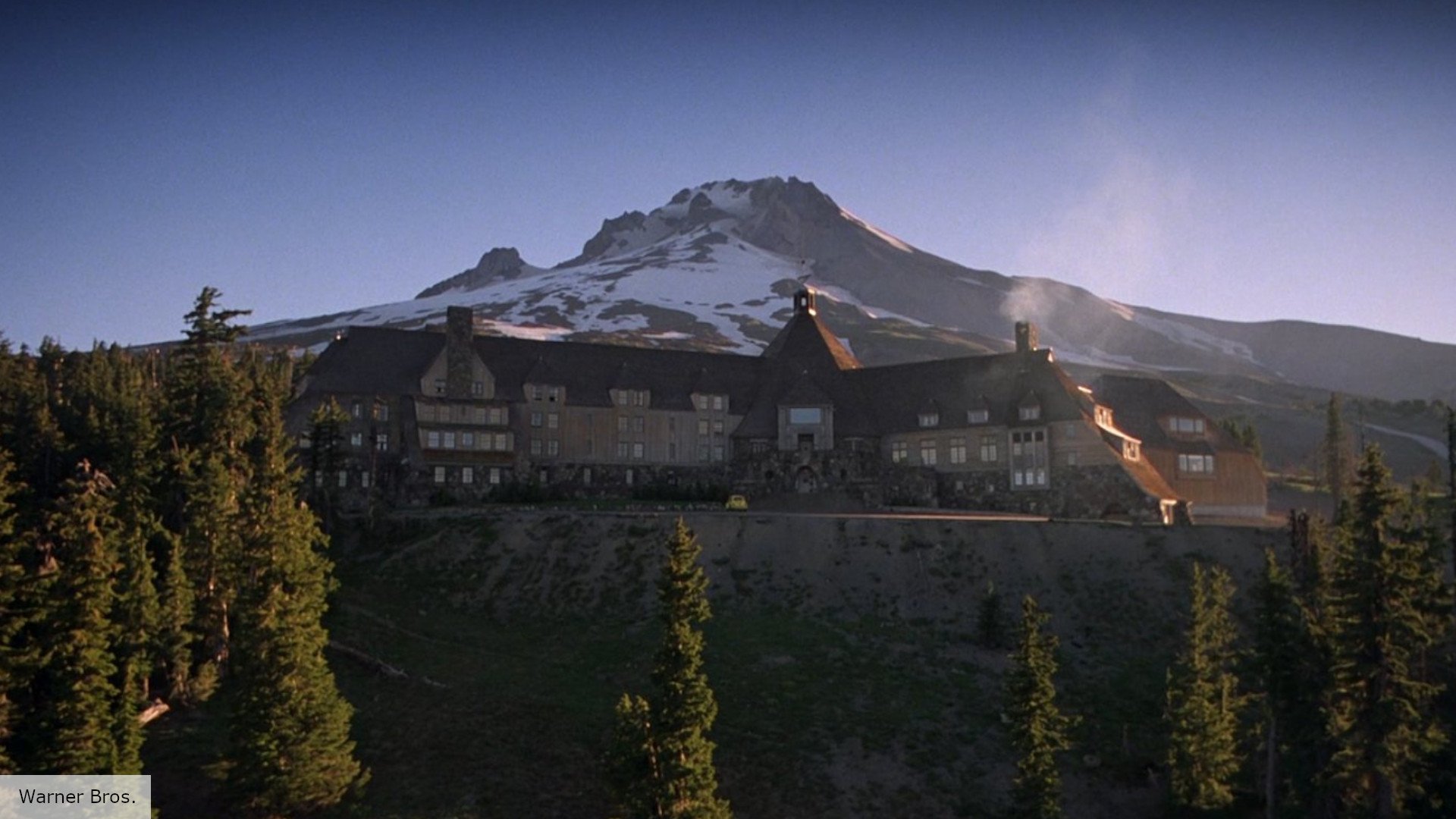
While The Stanley Hotel provided the psychological blueprint for the Overlook Hotel’s interior and lore, the exterior shots for Kubrick’s film were famously filmed at the majestic Timberline Lodge in Oregon. Perched on the southern flank of Mount Hood, this historic lodge, constructed during the Great Depression by the Works Progress Administration, is a stunning example of rustic architecture and craftsmanship.

Kubrick utilized the lodge’s iconic façade and its dramatic alpine setting to create the imposing exterior of the Overlook Hotel. However, due to its status as an active ski resort and national historic landmark, and also out of respect for its own reputation, the lodge requested that the fictional room number be changed from 217 to 237 in the film to avoid any adverse impact on Room 217 at the real lodge (which is a popular guest room). Despite this, Room 217 remains one of the most requested rooms at The Stanley Hotel due to King’s original reference.
Unlike The Stanley Hotel, the Timberline Lodge does not actively promote itself as haunted, nor does it have the same documented history of paranormal activity. Its allure for tourists lies primarily in its historical significance, architectural beauty, and its direct visual connection to one of the greatest horror films ever made. Visitors come to ski, hike, and simply marvel at the building that became the sinister face of the Overlook Hotel. It exemplifies how a landmark can gain global recognition not through inherent ghostly tales, but through its role in shaping a cultural phenomenon. Travelers flock to capture photos that mirror scenes from The Shining, experiencing a slice of cinematic history in a breathtaking natural setting.
The Allure of Haunted Hotels for Tourists
The fascination with the Overlook Hotel, and by extension, real-life haunted hotels, speaks volumes about a particular facet of tourism: the desire for unique, thrilling, and sometimes unsettling experiences. Why do so many travelers actively seek out places associated with ghosts and paranormal phenomena?
Beyond Fear: The Thrill of the Unknown
For many, visiting a haunted hotel is not about genuine fear, but about the thrill of the unknown. It’s an opportunity to step outside the mundane, to engage with local legends, and to perhaps glimpse something extraordinary. These destinations offer a form of “dark tourism,” where the macabre, the mysterious, and the historically tragic draw visitors seeking a different kind of adventure. It’s a chance to challenge one’s beliefs, to test one’s courage, and to gather stories that will undoubtedly make for compelling dinner party conversations.
Haunted hotels often come with rich histories, intricate architecture, and tales of past residents that weave a tapestry of human drama. The alleged paranormal activity adds another layer to this narrative, transforming a simple stay into an immersive historical and psychological experience. It appeals to a sense of curiosity, a desire to connect with the past, and a playful willingness to be scared – all within the safety of a structured environment, albeit one with a chilling reputation.
Economic Impact on Tourism and Accommodation
The “haunted” label, far from being a deterrent, has proven to be a significant economic driver for many establishments. Hotels like The Stanley actively market their ghostly residents, offering specialized tours, themed packages, and even hosting paranormal conventions. This strategy attracts a dedicated demographic of ghost hunters, horror fans, and curious travelers, ensuring steady bookings and diversified revenue streams.
This niche tourism contributes significantly to local economies, benefiting not just the hotels themselves, but also surrounding businesses such as restaurants, gift shops, and other attractions. It transforms otherwise ordinary (or simply historic) accommodation options into major tourist attractions. For cities and regions looking to boost their tourism numbers, embracing a local ghost story or a connection to a famous horror tale can be a powerful, if unconventional, marketing tool. It’s a testament to the fact that for many travelers, the allure of a good story, especially one involving the supernatural, is often more compelling than a standard luxury offering.
Visiting Haunted Locations: Tips for the Intrepid Traveler
If the tales of the Overlook Hotel or the paranormal claims of places like The Stanley Hotel have piqued your interest, and you’re considering a ghostly getaway, here are a few tips to enhance your experience:
- Do Your Research: Before you book your stay or plan your visit, understand the history and the specific ghost stories associated with the location. Knowing the legends adds depth to your experience.
- Book in Advance: Haunted hotels, especially those with connections to famous films or books, can be incredibly popular. Rooms with specific paranormal reputations (like Room 217 at The Stanley Hotel) are often highly requested.
- Participate in Tours: Many haunted locations offer guided ghost tours or paranormal investigations. These tours often provide fascinating historical context and anecdotal evidence from staff, enriching your understanding of the alleged hauntings.
- Keep an Open Mind (but Stay Grounded): While it’s fun to immerse yourself in the stories, remember that experiences can be subjective. Be open to the possibility of the supernatural, but also consider rational explanations for strange occurrences.
- Respect the History and Property: These are often historic buildings. Treat the hotel and its staff with respect. Even if you don’t encounter a ghost, you’re experiencing a piece of history.
- Pack for Comfort: Whether you’re staying in a grand historic hotel or exploring a former asylum, comfort is key. Dress appropriately for the local climate and be prepared for walking on tours.
- Bring a Camera (and maybe a Paranormal Device): Many travelers enjoy capturing the atmosphere of these places. If you’re serious about ghost hunting, consider bringing a camera, EMF meter, or voice recorder, though remember that evidence can be ambiguous.
Exploring destinations with a supernatural reputation offers a unique lens through which to experience travel, history, and local culture. It’s a journey into the fringes of belief, where the line between reality and legend often blurs.
Conclusion: The Enduring Mystery of the Overlook
So, is the Overlook Hotel haunted? As a fictional entity, its haunting is undeniable, a masterpiece of literary and cinematic terror. Its legacy, however, is very real, inspiring countless travelers to seek out its real-world counterparts and delve into the captivating world of haunted tourism. From the tangible paranormal claims of The Stanley Hotel to the iconic cinematic presence of Timberline Lodge, these establishments have transcended their roles as mere accommodation. They have become cultural landmarks, destinations where history, legend, and the chilling power of a story converge.
Whether you’re a devout believer in the supernatural, a cinephile tracing the footsteps of your favorite film, or simply a curious traveler seeking an extraordinary experience, the allure of the haunted hotel is a potent force. It reminds us that travel isn’t just about relaxation or sight-seeing; it’s about connecting with stories, exploring the unknown, and sometimes, stepping willingly into the chilling embrace of a place where the past refuses to stay buried. And in the quest for truly unforgettable experiences, sometimes, a good scare is exactly what the intrepid traveler is looking for.