
For visitors planning a trip to the bustling metropolis of New York City, and even for long-time residents, a common and crucial question often arises: Is the tap water safe and enjoyable to drink? In a city renowned for its iconic landmarks, diverse culture, and endless attractions, the quality of something as fundamental as drinking water might seem like an afterthought, but it’s a vital aspect of health, comfort, and sustainable living. The good news is, New York City’s tap water doesn’t just meet, but often exceeds, stringent federal and state standards, making it one of the best municipal water supplies in the United States and indeed, the world. This comprehensive guide will delve into the sources, treatment, quality assurance, and practical implications of drinking tap water in the Big Apple, ensuring you can hydrate confidently during your stay.
The Pristine Source: Understanding New York City’s Water System
The secret to New York City’s exceptional tap water lies primarily in its unique and vast upstate watershed system. Unlike many major cities that rely heavily on complex filtration plants for their primary water source, New York City benefits from an unfiltered water supply for a significant portion of its system, a testament to the natural purity of its origins and rigorous protection efforts.
A Journey from the Catskills to Your Tap
The city’s water originates predominantly from three upstate watershed systems: the Catskill Mountains, Delaware River, and Croton Watershed. These watersheds encompass over 2,000 square miles of pristine forests, wetlands, and agricultural lands, largely protected from development and pollution. The journey begins in reservoirs such as the Ashokan Reservoir and Rondout Reservoir in the Catskill Mountains, and the Schoharie Reservoir and Kensico Reservoir in the Delaware River system. These natural reservoirs collect rainwater and snowmelt, which then travel through a remarkable network of tunnels and aqueducts, relying mostly on gravity, for hundreds of miles to reach the city’s five boroughs: Manhattan, Brooklyn, Queens, the Bronx, and Staten Island.
This gravity-fed system is not only environmentally friendly, saving significant energy costs, but also ensures the water maintains its natural quality throughout its long journey. The city’s dedication to protecting its watersheds is paramount, involving extensive land acquisition, conservation easements, and partnerships with upstate communities to prevent contamination at the source. This proactive approach is a key reason why New York City has been granted a filtration avoidance waiver by the United States Environmental Protection Agency (EPA) for a large portion of its water supply, a rare privilege for a city of its size.
Rigorous Testing and Unwavering Quality Standards
While largely unfiltered, the water is by no means untreated. Upon arrival in the city’s distribution system, it undergoes a series of crucial treatment steps to ensure its safety and palatability. This includes disinfection with chlorine to kill bacteria and viruses, fluoride addition for dental health, and pH adjustment to reduce pipe corrosion. The Catskill/Delaware Water Treatment Plant, featuring one of the largest UV Disinfection Facility in the world, further safeguards the supply against potential pathogens.
The quality of New York City’s tap water is continuously monitored by the New York City Department of Environmental Protection (DEP) and the New York State Department of Health. Thousands of samples are collected daily from the reservoirs, streams, and hundreds of sampling stations across the city’s vast network. These samples are tested for a wide array of parameters, including bacteria, viruses, lead, pesticides, and other potential contaminants. The data collected is meticulously analyzed and publicly reported, ensuring transparency and accountability. The city consistently meets or surpasses all federal and New York State drinking water standards set by the EPA and the Department of Health and Mental Hygiene (DOHMH), which are among the strictest in the world. This rigorous testing regime provides a robust assurance of the water’s safety and quality for everyone from short-term tourists to permanent residents.

Addressing Common Concerns About NYC Tap Water
Despite its excellent reputation, some visitors and even locals may harbor misconceptions or concerns about tap water quality. Addressing these directly can help build confidence and encourage more sustainable hydration practices.
Dispelling Myths: Taste, Odor, and Hardness
One of the most common comments about New York City tap water pertains to its taste. Many describe it as clean, crisp, and refreshing, often preferring it over bottled water. Its taste is largely attributed to its natural origins in protected watersheds and minimal processing. Some people might occasionally detect a slight chlorine taste or odor, particularly in warmer months or in areas closer to treatment facilities. This is normal and indicates that the water has been properly disinfected. Allowing the water to sit for a few minutes in an open container, or chilling it in the refrigerator, can often dissipate any residual chlorine.
In terms of hardness, New York City’s water is generally considered “soft” to “moderately soft.” This means it has low concentrations of dissolved minerals like calcium and magnesium, which are responsible for water hardness. Soft water is often preferred for drinking and cooking, as it doesn’t leave mineral buildup on dishes or appliances, and it allows soap and shampoo to lather more effectively. This contrasts with many other major cities that deal with very hard water, often necessitating water softeners. The softness of New York City’s water contributes to its smooth mouthfeel and clean taste.
The Lead Pipe Question: What Every Resident and Visitor Should Know
Perhaps the most significant concern regarding tap water in older cities like New York City is the potential for lead contamination from outdated plumbing. While the city’s main water delivery infrastructure is lead-free, some older buildings, particularly those built before 1960, may still have lead service lines connecting them to the municipal main, or lead solder in interior plumbing.
The DEP has a comprehensive lead abatement program, and for properties identified with lead service lines, the city actively encourages and provides resources for replacement. Furthermore, the water is treated with phosphoric acid, which creates a protective coating inside pipes, preventing lead from leaching into the water. As a result, tests consistently show that lead levels in New York City tap water are well below the EPA’s action level.
For residents, if you live in an older building and are concerned, it’s advisable to flush your tap for a few minutes (especially the first draw in the morning or after being away) to clear any standing water that may have come into contact with lead pipes. Using cold water for drinking, cooking, and preparing baby formula is also recommended, as hot water can dissolve lead more readily. For visitors staying in hotels or apartments, the risk is generally minimal, as most commercial properties and modern accommodations have updated plumbing. However, if you are particularly sensitive or concerned, using a filtered water bottle or asking your accommodation about their water quality policies can provide additional peace of mind.
Practical Advice for Hydration in the Big Apple
For travelers and locals alike, knowing how to stay hydrated efficiently and sustainably is key to enjoying New York City.
Hydration on the Go: Public Fountains and Refill Stations
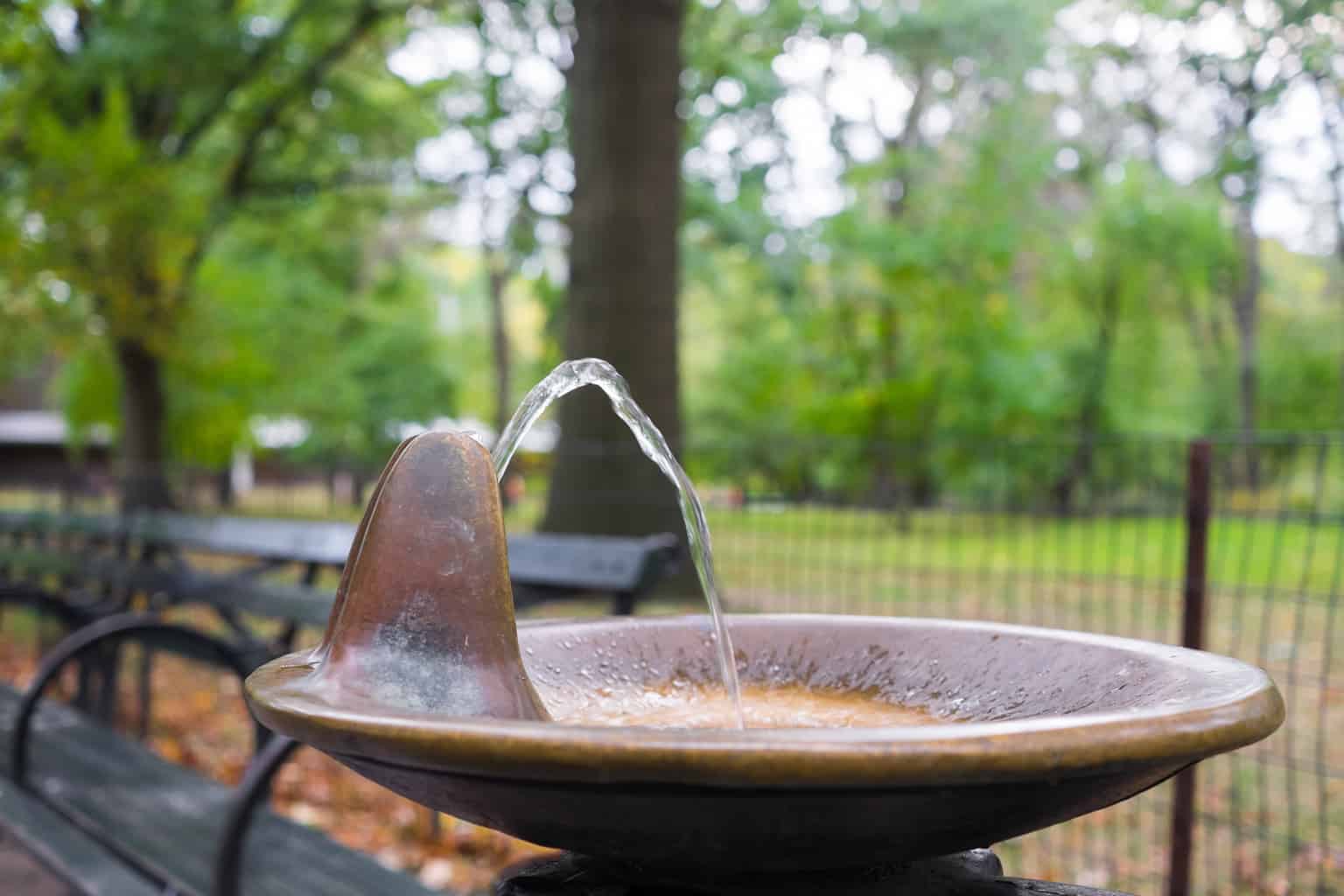
With its sprawling parks and public spaces, New York City offers numerous opportunities for convenient and free hydration. Many of the city’s beloved landmarks and attractions feature public drinking fountains. You’ll often find them in places like Central Park, Washington Square Park, along the High Line, and near many recreational areas. These fountains are regularly maintained and supply the same high-quality tap water found throughout the city. Carrying a reusable water bottle is highly encouraged, allowing you to easily refill at these public stations, as well as at many cafes and restaurants that are increasingly offering water refill services. This not only saves money but also significantly reduces plastic waste, aligning with the city’s environmental goals.
When exploring bustling areas like Times Square or Broadway, it might be harder to spot a public fountain directly, but most establishments, from diners to coffee shops, will gladly provide a glass of tap water upon request. Large transportation hubs like Grand Central Terminal also often have designated water fountains or bottle refill stations. It’s always a good idea to scout for these spots as part of your travel planning, especially during warmer months.
When to Consider Filters or Bottled Alternatives (and why you usually don’t need to)
For the vast majority of people, filtering New York City tap water at home or while traveling is not a necessity for safety. The water is safe to drink straight from the tap. However, personal preferences vary. Some individuals might prefer the taste of filtered water, especially if they are sensitive to chlorine. Simple pitcher filters or faucet-mounted filters can easily improve the taste by removing residual chlorine and sediment, though they are not generally required for health reasons.
Regarding bottled water, while widely available in every deli, grocery store, and tourist shop, it is rarely a healthier or safer alternative to New York City tap water. In fact, bottled water regulations are often less stringent than those for municipal tap water. Bottled water also comes with a significant environmental cost due to plastic production, transportation, and disposal. For budget-conscious travelers, purchasing bottled water repeatedly can quickly add up, contrasting sharply with the free and readily available tap water. Only in very specific circumstances, such as during a boil water advisory (which is extremely rare in New York City and would be widely publicized), or if you have a compromised immune system and specific medical advice, would bottled water be a more advisable choice. For almost all visitors and residents, a reusable bottle filled with tap water is the optimal choice for hydration.
Beyond the Tap: The Environmental and Economic Benefits
Choosing New York City tap water is not just a matter of convenience and safety; it’s a decision with significant positive impacts on the environment and your wallet.
A Sustainable Choice for a Sustainable City
In an era of increasing environmental awareness, opting for tap water aligns perfectly with sustainable lifestyle choices. The production and transportation of bottled water contribute to carbon emissions, and the staggering amount of plastic waste generated is a global crisis. By choosing to refill a reusable bottle from the tap, you are directly reducing your carbon footprint and contributing to waste reduction efforts. New York City actively promotes sustainability, and using its tap water is one of the easiest ways for both residents and tourists to participate in these efforts.
Economically, the benefits are clear. While a single bottle of water can cost anywhere from $1 to $4, tap water is essentially free. Over the course of a trip, especially for families or longer stays, these savings can be substantial, freeing up funds to enjoy more of New York City’s incredible attractions, diverse food scene, or perhaps an extra night at a charming hotel.
In conclusion, the answer to the question “Is the water drinkable in New York City?” is a resounding yes. From its pristine upstate sources in the Catskill Mountains and Delaware River watersheds to the rigorous testing and treatment it undergoes, New York City’s tap water is consistently of exceptional quality, meeting and often exceeding federal and state safety standards. It’s a clean, refreshing, and reliable source of hydration that stands as a testament to diligent environmental protection and sophisticated urban infrastructure. Embrace the local custom: carry a reusable bottle, refill often, and enjoy the taste of one of the world’s best municipal water supplies while exploring all that the magnificent city has to offer.
LifeOutOfTheBox is a participant in the Amazon Services LLC Associates Program, an affiliate advertising program designed to provide a means for sites to earn advertising fees by advertising and linking to Amazon.com. Amazon, the Amazon logo, AmazonSupply, and the AmazonSupply logo are trademarks of Amazon.com, Inc. or its affiliates. As an Amazon Associate we earn affiliate commissions from qualifying purchases.