
Since its debut, the critically acclaimed HBO series The White Lotus has captivated audiences with its sharp social commentary, compelling characters, and, perhaps most notably, its breathtaking luxury resort settings. Viewers are often left wondering if the titular hotel chain, The White Lotus, is a real-world hospitality brand that one can book for their next opulent escape. The simple answer is no; The White Lotus is a fictional hotel chain, a brilliant invention by creator Mike White designed to serve as a stage for his explorations of privilege, class, and the human condition. However, the opulent, real-life locations chosen for filming each season are very much tangible paradises that have become destinations in their own right, fueling a significant boom in “set-jetting” tourism.
The series leverages the universal allure of an exclusive, high-end vacation, transforming these pristine environments into backdrops for escalating drama and dark humor. While the fictional narrative unfolds within the supposed confines of The White Lotus brand, the experiences and aesthetics are meticulously crafted from genuine luxury resorts, offering a tantalizing glimpse into a world of unparalleled comfort and indulgence. This blend of fiction and reality has not only cemented the show’s cultural impact but has also profoundly influenced travel aspirations, leading many to seek out experiences akin to those portrayed on screen.
The Fictional Allure of The White Lotus
At its core, The White Lotus saga is a masterful piece of storytelling, brilliantly executed against a canvas of aspirational travel. The premise is deceptively simple: a revolving cast of wealthy, often dysfunctional, guests arrives at an exotic The White Lotus resort for a week of supposed relaxation, only for their intertwined lives to unravel into a complex tapestry of interpersonal conflict, cultural clashes, and often tragic consequences. The fictional nature of the hotel chain itself allows the show to craft a consistent brand identity that serves the narrative without being tied to the pre-existing reputation or limitations of a real hotel group. This freedom enables the series to infuse each location with a distinct personality while maintaining the overarching theme of a luxury experience that often masks deeper issues.
The Premise of the Show
Each season of The White Lotus introduces a new branch of the fictional resort chain, transporting viewers to different corners of the globe. From the tropical lushness of Hawaii to the historic grandeur of Sicily, the setting itself becomes a character, shaping the dynamics and conflicts that unfold. The guests, often oblivious to their own privilege, interact with the local culture and the resort staff, revealing uncomfortable truths about wealth, power, and identity. The show meticulously highlights the stark contrast between the pampered guests and the diligent staff, whose lives are intrinsically tied to catering to their every whim. This dynamic is crucial to the show’s social commentary, making the resort more than just a beautiful backdrop but a microcosm of societal stratification. The expectation of seamless service, gourmet dining, and lavish amenities forms the foundation of their stay, yet it’s the unexpected human interactions and the unraveling of facades that truly define the The White Lotus experience.
Why the Fictional Setting Resonates
The decision to invent a fictional hotel chain, rather than partnering with an existing one, was a stroke of genius. It allows the show to create an archetype of luxury travel—one that embodies the peak of hospitality while simultaneously critiquing its excesses. The name “The White Lotus” itself evokes a sense of purity, tranquility, and exoticism, yet the events that unfold within its pristine walls are anything but. This ironic juxtaposition is central to the show’s appeal. Viewers are drawn to the aspirational lifestyle depicted, the dream of an unblemished getaway, even as they are entertained by the chaos and drama that inevitably erupt among the guests. This resonance stems from a universal fascination with the lives of the ultra-rich and the inherent voyeurism of watching their carefully constructed worlds crumble in paradise. The fictional setting provides a neutral canvas, allowing the audience to project their own dreams and anxieties onto the luxurious stage, making the show relatable despite its often extreme scenarios. It taps into the broader “Lifestyle” aspect of travel, specifically the allure of “Luxury Travel” and the desire for unique “Experiences” that transcend the ordinary.
Unveiling the Real-Life Paradises: Season 1 and 2 Locations
While The White Lotus itself is a figment of the imagination, the hotels that lend their exquisite settings to the series are very real, very luxurious establishments. These resorts are prime examples of world-class “Hotels” and “Resorts,” offering an array of “Amenities” that define high-end “Accommodation.” Their selection for the show underscores their commitment to excellence and their ability to provide an immersive, five-star experience that aligns perfectly with the fictional brand’s image. These locations have become significant “Landmarks” for fans, drawing immense interest from travelers seeking to replicate the on-screen ambiance.
Maui’s Gem: The Four Seasons Resort Maui at Wailea
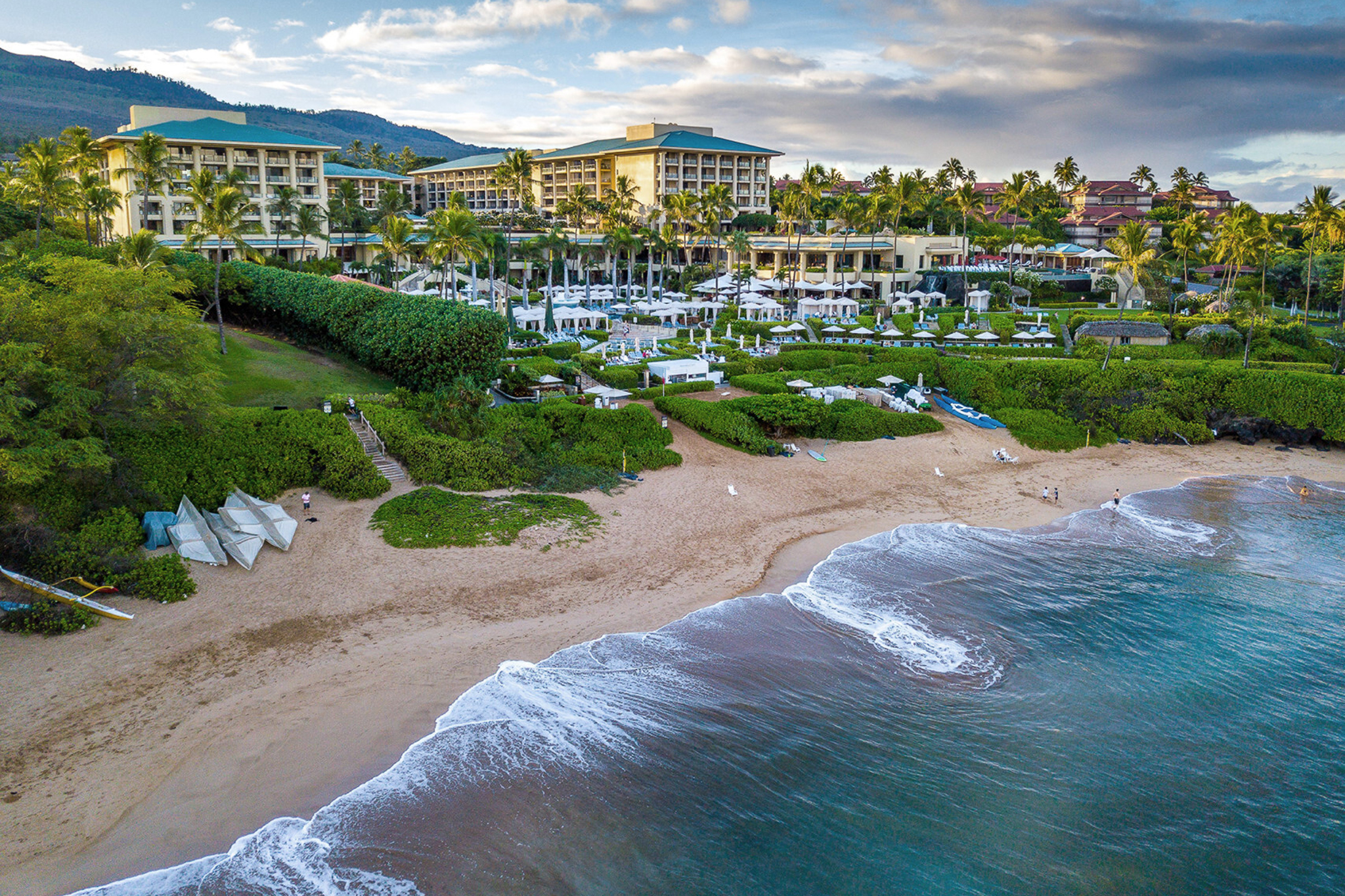
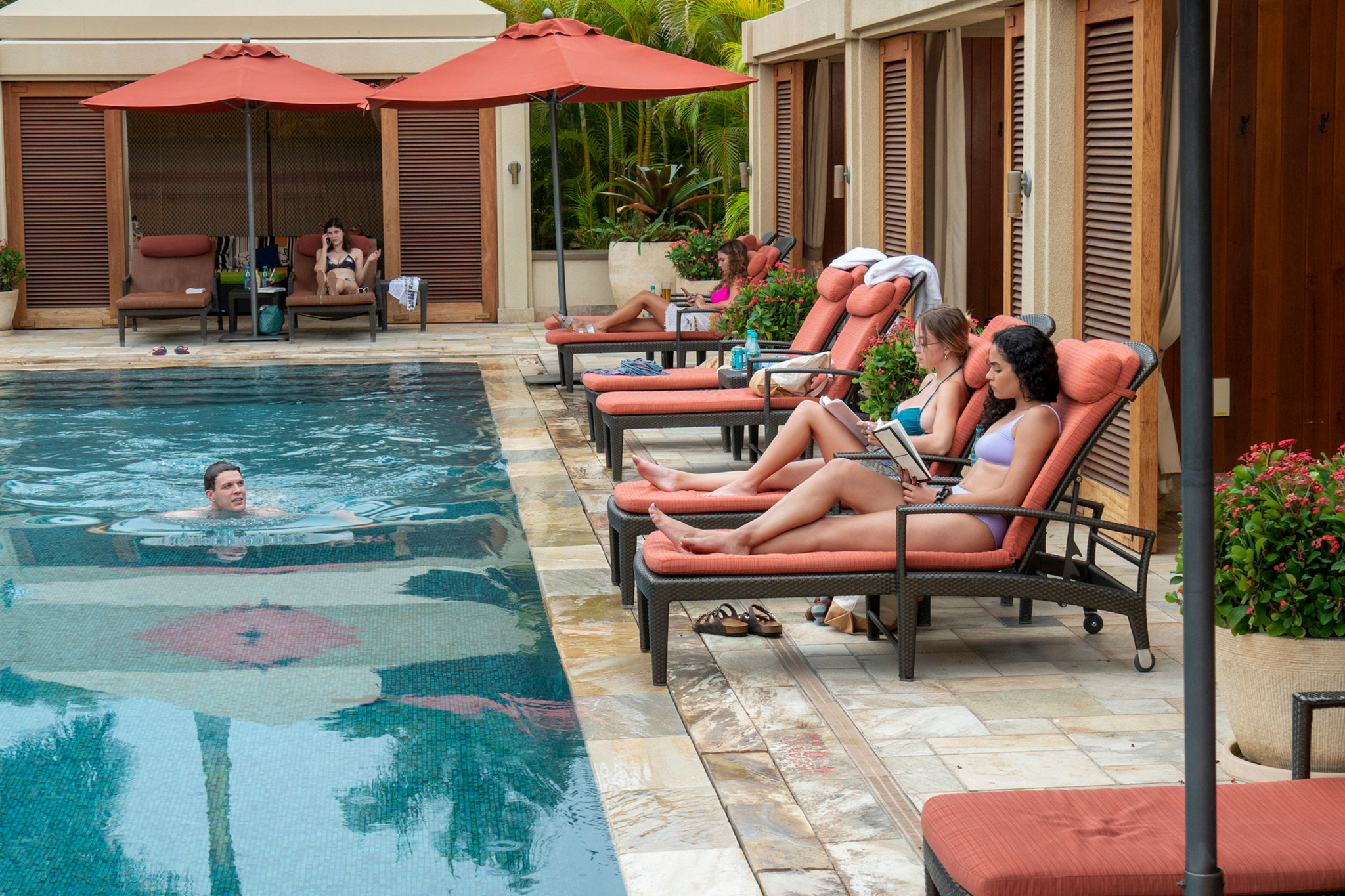
For its inaugural season, The White Lotus transported viewers to the sun-drenched shores of Maui, Hawaii. The real-world location was none other than the magnificent Four Seasons Resort Maui at Wailea. This iconic “Resort,” nestled on the picturesque Wailea Beach, perfectly embodied the opulent, seemingly idyllic Hawaiian paradise depicted in the series. The resort’s architecture, with its open-air lobbies, lush tropical gardens, and stunning ocean views, provided an authentic backdrop for the fictional resort.
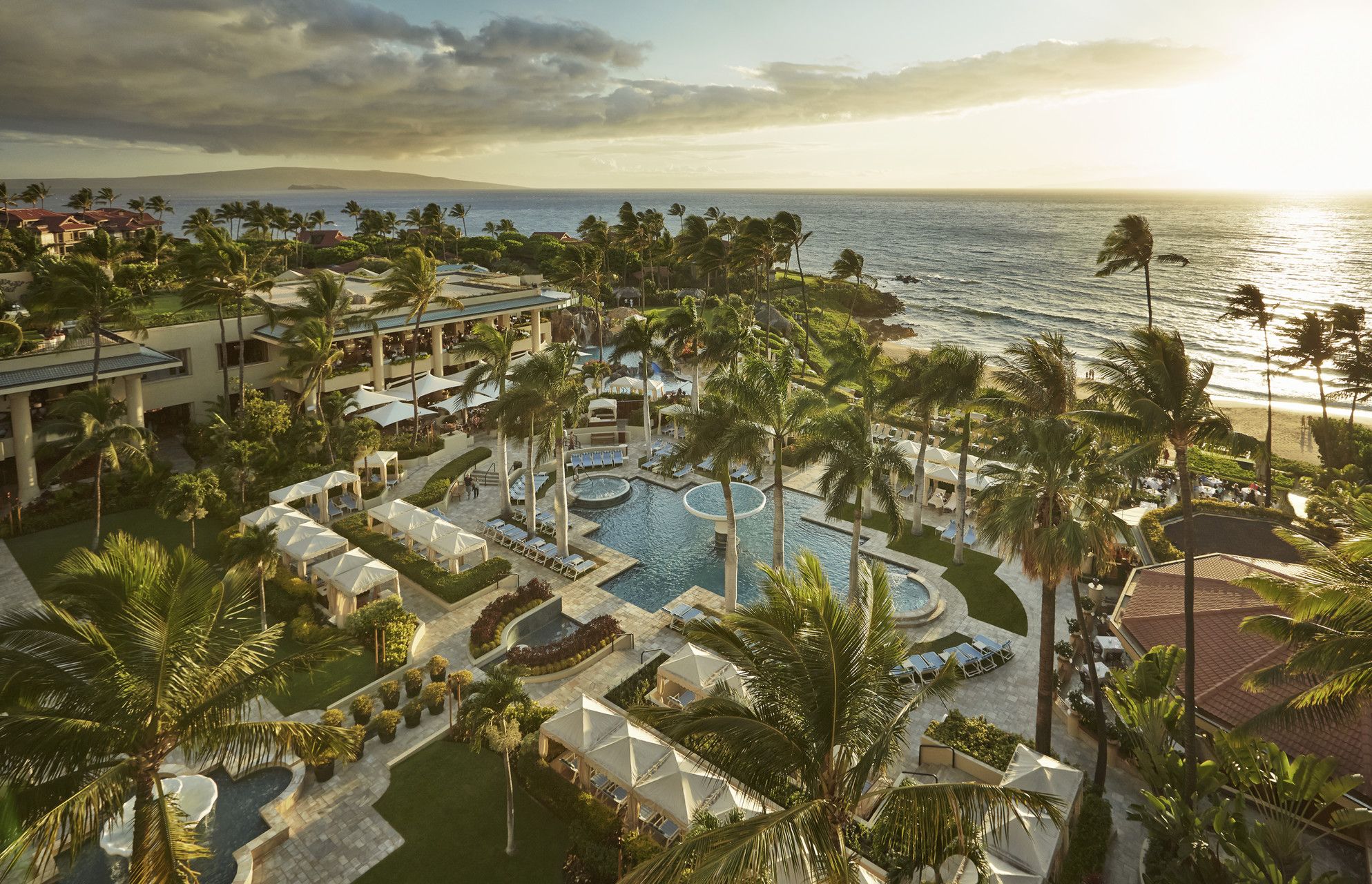
The Four Seasons Resort Maui at Wailea is renowned for its unparalleled “Amenities” and service. Guests can indulge in three saltwater pools, including the adults-only Serenity Pool with a swim-up bar, and direct access to the pristine Wailea Beach. Its spacious “Suites” and rooms offer expansive balconies, many with breathtaking vistas of the Pacific Ocean. Dining options are diverse, featuring world-class restaurants that cater to every culinary desire, from fresh seafood to sophisticated international cuisine. The resort also boasts a luxurious spa, championship golf courses nearby, and a range of water sports. For those seeking “Luxury Travel” and a quintessential Hawaiian “Experience,” the Four Seasons Resort Maui at Wailea represents the pinnacle, making it an ideal choice for the show’s portrayal of a high-end island escape. Its selection significantly boosted Tourism to Maui, transforming the resort into a must-visit “Destination” for fans.
Sicily’s Grandeur: The San Domenico Palace, Taormina, A Four Seasons Hotel
Season two of The White Lotus moved its fictional resort to the enchanting island of Sicily, Italy, trading tropical beaches for historic charm and Mediterranean allure. The real hotel that served as the stunning setting was the San Domenico Palace, Taormina, A Four Seasons Hotel. This remarkable property, a former 14th-century Dominican monastery, exudes an old-world elegance and dramatic flair that perfectly complemented the season’s themes of romance, infidelity, and ancient myth.
Perched majestically on a cliff overlooking the Ionian Sea and with panoramic views of Mount Etna, the San Domenico Palace is a true “Landmark.” Its historical significance and stunning “Architecture” make it a unique “Hotel” among “Four Seasons” properties. The transformation of a monastic complex into a luxury “Resort” involved careful preservation of its historic elements, including ancient courtyards, frescoes, and gardens, seamlessly blended with contemporary comforts.
Guests at the San Domenico Palace can expect exquisite “Suites” and rooms, many featuring terraces overlooking the sparkling Mediterranean Sea or the hotel’s meticulously manicured gardens. The infinity pool, which seemingly merges with the horizon, is a highlight, offering an unparalleled swimming “Experience.” Fine dining is a cornerstone, with restaurants serving authentic Sicilian cuisine, often with fresh, local ingredients. The resort’s spa offers treatments inspired by Sicilian traditions, ensuring a holistic sense of well-being. Its location in Taormina, a charming hilltop town famous for its ancient Greek theater and vibrant “Local Culture,” made it an ideal “Destination” for exploring “Sicily” and indulging in “Luxury Travel.” The show effectively showcased Taormina’s beauty, boosting “Tourism” to this already popular Italian locale.
The White Lotus Effect: Tourism and Luxury Travel
The immense popularity of The White Lotus has had a palpable impact on the travel industry, creating what many refer to as “The White Lotus Effect.” This phenomenon highlights the power of media to influence travel decisions, turning fictional settings into aspirational real-world “Destinations.” The show doesn’t just entertain; it sells a lifestyle, a dream of unadulterated “Luxury Travel” in exotic locales, stirring a desire in viewers to seek out similar “Experiences.”
The Boost to Local Tourism
Both Maui and Taormina witnessed a significant surge in interest and bookings for the specific Four Seasons properties where the show was filmed. This “set-jetting” trend, where travelers visit locations seen in popular films and TV series, is a powerful driver of “Tourism.” After season one aired, the Four Seasons Resort Maui at Wailea reported a dramatic increase in inquiries, with many guests explicitly mentioning the show as their motivation. Similarly, the San Domenico Palace, Taormina, A Four Seasons Hotel experienced a booking frenzy for its “Suites” and “Amenities” following the premiere of season two.
This boost extends beyond just the specific resorts; it invigorates the wider “Local Culture” and economy. Tourists inspired by the show often explore the surrounding areas, patronizing local businesses, dining at various restaurants, and engaging with cultural “Activities.” For “Tourism” boards, a show like The White Lotus offers invaluable, organic marketing, showcasing the beauty and appeal of their “Destinations” to a global audience. It acts as a powerful “Guide” for potential travelers, presenting an enticing visual narrative that often surpasses traditional advertising campaigns. The series also highlights the kind of “Lifestyle” associated with these destinations, painting a picture of relaxation, adventure, and sophistication.
Recreating The White Lotus Experience
For many, the desire isn’t just to visit the exact hotel but to recreate the vibe of The White Lotus. This means seeking out other high-end “Hotels,” “Resorts,” “Villas,” or “Apartments” that offer similar levels of luxury, exceptional service, and stunning settings. Travelers are looking for properties with breathtaking views, infinity pools, world-class spas, and exquisite dining—the hallmarks of the fictional The White Lotus experience.
Websites offering “Accommodation Booking,” “Reviews,” and “Comparison” tools have seen increased searches for “Luxury Travel” options in exotic locales. People are researching “Travel Tips” and “Guides” for destinations that promise a similar blend of opulence and scenic beauty. Whether it’s a secluded beachfront “Villa” in the Caribbean, a historic palazzo in Europe, or a jungle retreat in Southeast Asia, the goal is to immerse oneself in an environment where everyday worries fade away, and indulgence takes center stage. This pursuit of the “White Lotus Lifestyle” is a testament to the show’s compelling portrayal of aspirational living, proving that even a fictional hotel can inspire very real “Travel” dreams.
What to Expect from Future White Lotus Destinations
The success of The White Lotus has established a clear formula: an idyllic, exclusive resort in a captivating international “Destination,” serving as a backdrop for human drama. As anticipation builds for future seasons, speculation naturally turns to where the next installment of the fictional hotel chain will open its doors. The selection of locations is crucial, as each setting must not only offer visual splendor but also contribute to the season’s thematic undertones and character interactions.
Rumored Season 3 Location: Thailand and Its Appeal
While official announcements are typically shrouded in secrecy, strong rumors suggest that season three of The White Lotus will be set in Thailand. This Southeast Asian nation is a natural fit for the series, renowned globally for its stunning “Landmarks,” vibrant “Local Culture,” and an abundance of “Luxury Travel” options. Thailand offers a diverse range of potential settings, from bustling urban centers to serene island paradises and ancient historical sites.
Imagine The White Lotus opening its doors in:
- Bangkok: A vibrant metropolis boasting ultra-modern skyscrapers, ancient temples, bustling markets, and a sophisticated culinary scene. A luxury hotel here could offer a stark contrast between urban chaos and serene opulence, exploring themes of modernization versus tradition.
- Chiang Mai: Nestled in the northern mountains, this city is the cultural heart of Thailand, famous for its Lanna temples, elephant sanctuaries, and artisan crafts. A resort here could delve into spiritual tourism, wellness retreats, or the clash between traditional values and Western expectations.
- Koh Samui or Phuket: These islands offer pristine beaches, turquoise waters, and world-class beachfront “Villas” and “Resorts.” A tropical island setting would echo the escapism of season one but with a distinct Thai flavor, allowing for exploration of themes related to pristine nature, environmental concerns, and the allure of exotic hedonism.
- The Golden Triangle: An area in northern Thailand bordering Laos and Myanmar, known for its lush landscapes and indigenous cultures, could provide a truly unique, off-the-beaten-path luxury experience, perhaps focusing on adventure tourism or cultural immersion.
Regardless of the specific locale, Thailand’s rich tapestry of experiences—from intricate temples and bustling night markets to serene beaches and lush jungles—provides ample narrative opportunities for creator Mike White. Its existing infrastructure for high-end “Tourism” and diverse “Accommodation” options, ranging from intimate “Boutique Hotels” to sprawling “Resorts,” makes it an excellent candidate to host the next installment of The White Lotus brand.
The Enduring Appeal of Exotic Settings
The pattern established by The White Lotus confirms that the show thrives on its ability to transport viewers to aspirational, exotic locales. The choice of each “Destination” is never arbitrary; it’s carefully selected to enhance the storytelling, providing a visually stunning canvas that subtly or overtly reflects the characters’ inner turmoil and the broader societal issues being explored. The enduring appeal lies in this combination of escapism and critical examination.
Viewers are drawn to the promise of “Luxury Travel” and the fantasy of an idyllic getaway, even as the show reminds them that paradise often comes with its own set of complications. This dual appeal ensures that “The White Lotus Effect” will continue to shape “Travel” trends and inspire “Accommodation” choices for years to come. Whether it’s the volcanic majesty of Bali, the historic grandeur of Morocco, or the vibrant energy of Brazil, the world is full of potential “Landmarks” and “Destinations” that could host future seasons of the fictional The White Lotus, each promising another compelling chapter in this darkly humorous exploration of wealth and human nature. The show serves as a constant reminder that while the particular hotel may be fictional, the allure of discovering new cultures, indulging in luxurious “Experiences,” and exploring the world’s most beautiful “Hotels” and “Resorts” is incredibly real.
In conclusion, while you can’t book a stay at the exact “The White Lotus” hotel chain, the phenomenal resorts used as its real-world filming locations offer a tangible way to immerse yourself in the luxurious “Lifestyle” and stunning “Travel” experiences depicted in the series. From the pristine beaches of Maui to the historic cliffs of Taormina and potentially the exotic landscapes of Thailand, these “Landmarks” and their world-class “Accommodation” stand ready to provide an unforgettable escape—perhaps with less drama than their fictional counterparts, but certainly with no less luxury.