
The question of whether a hurricane is coming to Florida in 2024 is a concern for many, from seasoned residents to first-time visitors planning their dream vacation. The Sunshine State, with its extensive coastline along the Atlantic Ocean and the Gulf of Mexico, is no stranger to tropical cyclones. Understanding the hurricane season, its potential impacts, and how to prepare is crucial for anyone traveling to or living in Florida during this period. This article aims to provide a comprehensive overview, drawing on meteorological forecasts, historical data, and essential travel planning advice, all within the context of enjoying Florida’s unparalleled tourism and lifestyle offerings.
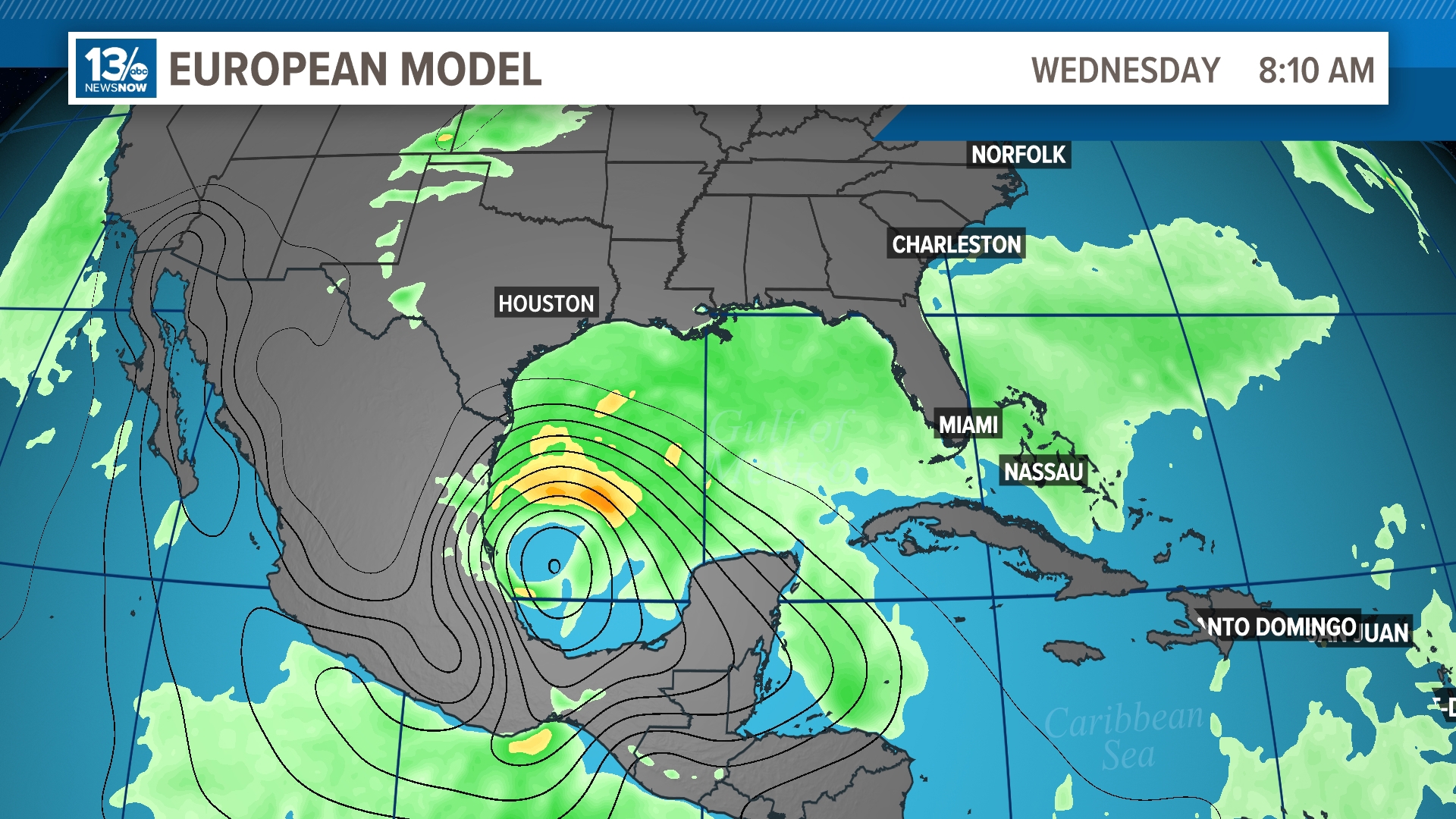
Understanding the Hurricane Season in Florida
The Atlantic hurricane season officially runs from June 1st to November 30th each year. This six-month period is when the conditions are most favorable for tropical storm and hurricane development. While storms can, and occasionally do, form outside these dates, the peak activity typically occurs between August and October. Florida is particularly vulnerable due to its geographical position. The state is essentially a peninsula, surrounded by warm ocean waters that can fuel developing storms.
Factors Influencing the 2024 Hurricane Season
Predicting the exact intensity and number of storms in any given hurricane season is a complex scientific endeavor. Meteorologists analyze various climate factors to develop forecasts. These include:
- Sea Surface Temperatures: Warmer ocean waters provide more energy for hurricanes to form and intensify. Anomalously warm waters in the Atlantic Ocean and the Caribbean Sea can indicate a more active season.
- El Niño-Southern Oscillation (ENSO): This climate pattern, which involves fluctuations in sea surface temperatures and atmospheric pressure across the equatorial Pacific Ocean, significantly influences weather patterns globally. A transition from an El Niño to a La Niña phase is often associated with an increase in Atlantic hurricane activity. La Niña conditions typically lead to reduced wind shear in the Atlantic Ocean, allowing hurricanes to develop and strengthen more easily.
- African Dust and Wind Patterns: The amount of dust blowing off the coast of Africa and prevailing wind patterns can also affect storm formation. Less dust and favorable upper-level winds can contribute to a more active season.
Leading meteorological organizations, such as the National Oceanic and Atmospheric Administration (NOAA) and private forecasting groups like Colorado State University, release their predictions for the upcoming hurricane season. These forecasts, often updated throughout the season, provide valuable insights for preparedness. While it’s impossible to say definitively whether a specific hurricane will make landfall in Florida in 2024, monitoring these official forecasts is the most reliable way to stay informed.
Preparing for a Potential Hurricane While Traveling to Florida
For travelers, the possibility of a hurricane necessitates a proactive approach to planning. This includes choosing the right time to visit, understanding travel insurance, and knowing what to do if a storm threatens during your trip. Florida offers a wealth of destinations, from the vibrant theme parks of Orlando to the pristine beaches of the Florida Keys and the historic charm of St. Augustine. Navigating these choices with hurricane season in mind is key to a successful and safe experience.
Choosing Your Travel Dates and Destinations Wisely
While the hurricane season spans from June to November, the probability of significant storm activity increases as the season progresses. Many travelers opt for the earlier months, June or July, or the very tail end of the season, late November, to reduce risk. However, weather is unpredictable, and storms can occur at any time.
When selecting a destination within Florida, consider its historical storm vulnerability. Coastal areas, especially those on the western coast facing the Gulf of Mexico, can be prone to storm surge. Inland areas or the panhandle might experience different impacts, such as heavy rainfall and wind. Researching the specific hurricane history of your chosen city or region can be beneficial. For example, areas like Miami and Fort Lauderdale have experienced significant storms in the past, while others might be less frequently impacted.
Accommodation and Booking Strategies
When booking accommodation, whether it’s a luxurious resort like the Fontainebleau Miami Beach, a family-friendly hotel in Orlando, or a charming villa in the Florida Keys, understanding cancellation policies is paramount. Many hotels offer flexible booking options or hurricane guarantees that allow for free cancellations or rebookings if a storm is forecast to impact the area. Always read the fine print regarding these policies.
For longer-term stays or those seeking a more independent experience, booking apartments or villas also comes with the need for diligent research into cancellation terms. In the event of a hurricane warning, immediate evacuation might be necessary, and having a booking that allows for easy modification or cancellation can save considerable stress and expense. Consider accommodations that are built to withstand severe weather, often with reinforced structures.
Travel Insurance: A Crucial Safety Net
Investing in comprehensive travel insurance is one of the most important steps for anyone traveling to Florida during hurricane season. Look for policies that specifically cover “named storms” or “hurricane disruptions.” These policies can reimburse you for:
- Trip Cancellation: If you need to cancel your trip before departure due to a hurricane warning affecting your destination.
- Trip Interruption: If you are forced to cut your trip short because of a hurricane.
- Accommodation Costs: If your hotel or rental property becomes uninhabitable due to storm damage.
- Missed Connections: If flights are canceled due to weather, and you incur additional costs to reach your destination or return home.
Always compare different travel insurance providers and read reviews to find a policy that best suits your needs and provides adequate coverage for potential hurricane-related disruptions.
Staying Safe and Informed During Your Florida Visit
Even with meticulous planning, a hurricane can disrupt travel plans. Being prepared and informed is key to ensuring the safety of yourself and your companions while enjoying your Florida experience.
Monitoring Weather Updates and Official Advisories
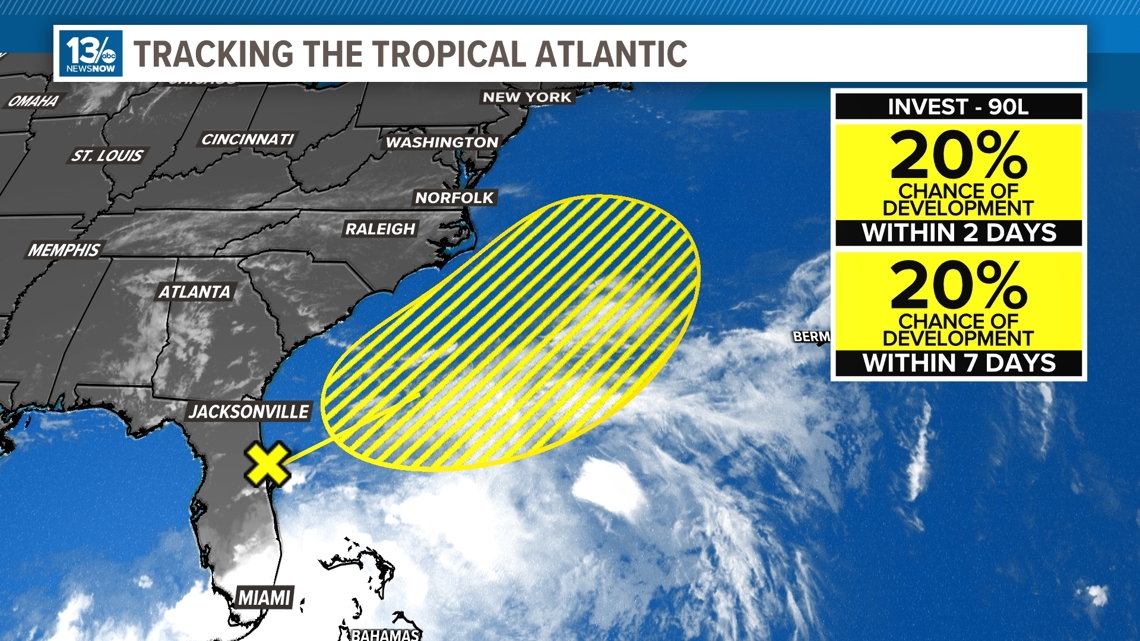
During your stay in Florida, it is essential to stay updated on weather forecasts. Rely on reputable sources for information:
- National Hurricane Center: The National Hurricane Center (NHC) is the primary source for tropical cyclone advisories, watches, and warnings in the United States. Their website and social media channels provide real-time updates.
- Local News Outlets: Tune into local Florida news channels, radio stations, or their websites for information specific to your location.
- Emergency Management Agencies: Local county emergency management agencies will issue specific instructions and evacuation orders if necessary.
Developing an Evacuation Plan
If a hurricane watch or warning is issued for your area, it is crucial to have a plan in place. This includes:
- Knowing Your Evacuation Zone: Florida counties have designated evacuation zones based on storm surge risk. Understand which zone you are in.
- Identifying an Evacuation Route: Know the safest routes to leave your area and where you will go. This could be to an inland shelter, a friend’s or family member’s home outside the evacuation zone, or a pre-booked hotel further inland.
- Having an Emergency Kit: Pack essentials like water, non-perishable food, medications, a first-aid kit, flashlights, batteries, and copies of important documents.
Securing Your Accommodation and Valuables
If you are in a hotel or resort, follow the instructions provided by the management. They will have established procedures for guest safety during severe weather. This might involve staying indoors, moving to a designated safe area within the building, or evacuating. If you are in a rental property, secure windows and doors, bring in any outdoor furniture or decorations that could become projectiles, and have a plan for where to shelter.
Even if a direct hit is not anticipated, heavy rains and strong winds can still cause issues. Protecting your valuables and electronic devices from potential water damage is also a sensible precaution.
Embracing Florida’s Attractions Safely
Florida is renowned for its diverse attractions, from the theme parks of Orlando and the iconic beaches of South Beach to the natural wonders of the Everglades National Park. Planning your visit around hurricane season requires balancing the desire to experience these wonders with the need for safety and preparedness.
Theme Park Preparedness
Major theme parks like Walt Disney World Resort and Universal Orlando Resort have robust hurricane preparedness plans. They typically offer flexible ticket and accommodation policies for guests affected by storms. Parks may close temporarily if a hurricane is forecast, and they will provide ample notice. If you are visiting during hurricane season, always check the individual park’s website for their specific hurricane policies and advisories before and during your visit.
Coastal and Island Experiences
Destinations like the Florida Keys, Key West, and the Gulf Coast cities of Tampa and St. Petersburg offer unique coastal attractions. These areas are particularly susceptible to storm surge and high winds. If evacuation orders are issued for these regions, it is imperative to comply immediately. The beauty of these locations is best enjoyed when the weather is cooperative, and safety is paramount.

Inland Adventures and Natural Landmarks
For those seeking alternatives to coastal destinations, Florida offers numerous inland attractions, such as the springs in Central Florida, the historic city of St. Augustine, and the vibrant city life of Jacksonville. While inland areas are generally safer from storm surge, they can still experience significant rainfall, flooding, and power outages due to high winds. Always check local conditions and advisories before venturing out, even to these seemingly less vulnerable locations.
In conclusion, while the question of whether a hurricane is coming to Florida in 2024 cannot be answered with a definitive yes or no, understanding the hurricane season, preparing thoroughly, and staying informed are crucial for a safe and enjoyable trip. By leveraging available forecasts, booking with flexibility, investing in travel insurance, and prioritizing safety during your visit, you can still fully experience the incredible travel, tourism, and lifestyle opportunities that Florida has to offer, whether you’re seeking luxury stays in places like the Ritz-Carlton, Naples or budget-friendly family adventures.