
The allure of the Lone Star State is undeniable, drawing millions of visitors each year to its vast landscapes, vibrant cities, and stunning Gulf Coast beaches. From the bustling metropolis of Houston to the historic charm of San Antonio and the musical heartbeat of Austin, Texas offers an incredible array of experiences for every type of traveler. However, for those planning a visit, particularly during certain times of the year, a critical question often arises: “Is there a hurricane coming to Texas?” Understanding the potential for tropical weather is paramount for safe and enjoyable travel, especially when considering destinations, accommodations, and activities along the state’s extensive coastline. This comprehensive guide aims to equip you with the knowledge needed to travel confidently and prepare for any eventuality when exploring the diverse attractions of Texas.

Understanding Hurricane Season in Texas
Texas’s Gulf Coast is susceptible to tropical storms and hurricanes, primarily due to its geographic location. Being well-informed about the typical hurricane season and the specific areas most at risk is the first step in responsible travel planning.
The Atlantic Hurricane Season Calendar
The official Atlantic Hurricane Season runs from June 1st to November 30th each year. Within this period, the peak activity typically occurs between August and October. During these months, the warmer waters of the Atlantic Ocean, Caribbean Sea, and Gulf of Mexico provide the ideal conditions for tropical disturbances to form and intensify. While early and late season storms can and do occur, the mid-to-late summer and early fall are when travelers to Texas’s coastal regions should be most vigilant. Understanding this calendar allows you to make informed decisions about when to plan your Texas adventure, perhaps opting for the milder spring or late fall to minimize hurricane risk, or preparing thoroughly if you choose to travel during peak season. This knowledge is crucial for tourism operators and visitors alike, ensuring that potential impacts on travel experiences are mitigated.
Key Coastal Regions at Risk
The Texas coastline stretches for hundreds of miles, encompassing vibrant port cities, charming fishing villages, and pristine barrier islands. All of these areas are, to varying degrees, vulnerable to the impacts of tropical weather. Historically, areas like Galveston, Corpus Christi, and South Padre Island have experienced significant hurricane activity.
Galveston, with its rich history, Victorian architecture, and popular Pleasure Pier, sits on a barrier island making it particularly exposed. Iconic hotels such as the Hotel Galvez & Spa and The Tremont House are prepared for such events, but visitors need to be aware. Corpus Christi, a major port city known for its beautiful bays and proximity to the Padre Island National Seashore, is another frequent target. Further south, South Padre Island offers stunning beaches and incredible wildlife viewing opportunities but is also highly susceptible. Other areas like Port Aransas, Mustang Island, Matagorda Bay, and the ecologically vital Laguna Madre also fall within the high-risk zone. Even inland cities like Houston, despite being miles from the immediate coast, can experience severe flooding and wind damage from powerful storms, as tragically demonstrated by Hurricane Harvey in 2017. When planning a trip to any of these landmarks or destinations, it’s vital to consider hurricane preparedness as part of your overall lifestyle approach to travel.
Monitoring the Latest Forecasts and Official Alerts
In an age of instant information, staying updated on weather developments is easier than ever. However, it’s crucial to know where to find reliable, official information to avoid misinformation and make sound decisions.
Reliable Sources for Real-Time Updates
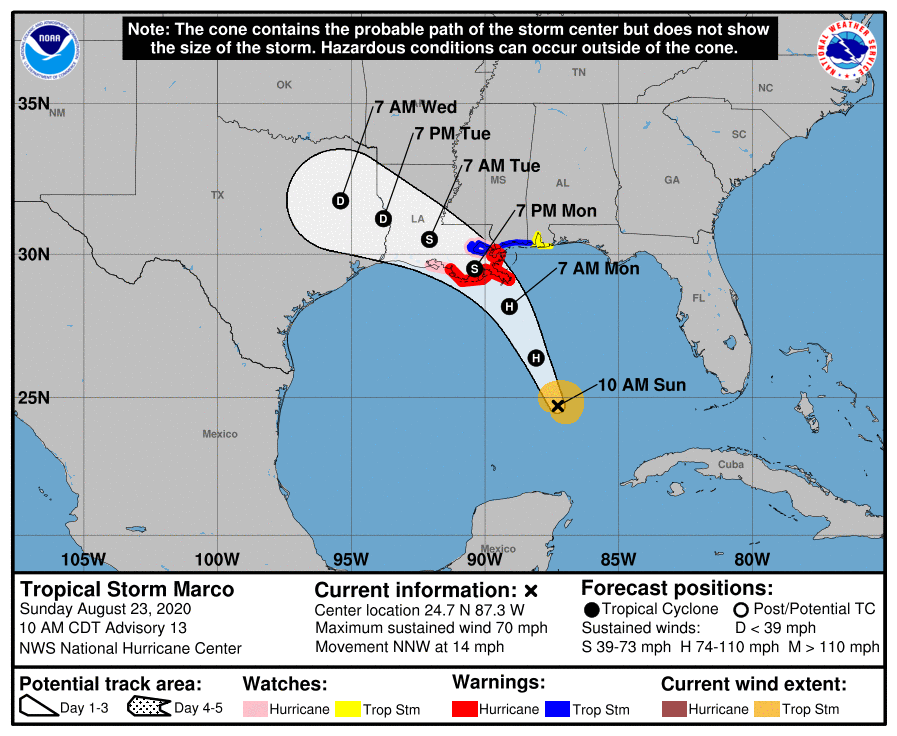
When a tropical system threatens the Texas coast, turning to authoritative sources is paramount. The National Hurricane Center (NHC), a division of the National Oceanic and Atmospheric Administration (NOAA), is the primary agency responsible for forecasting tropical cyclones in the Atlantic basin. Their website (nhc.noaa.gov) provides real-time tracking, forecast cones, advisories, and detailed discussions about active storms. Complementing the NHC is the National Weather Service (NWS), which issues local alerts and warnings for specific regions, including Texas. Local media outlets in cities like Houston, Corpus Christi, and Galveston also provide excellent hyper-local coverage, often with meteorologists offering additional context. For comprehensive preparedness information, the Federal Emergency Management Agency (FEMA) and the American Red Cross websites offer valuable guidance on what to do before, during, and after a storm. Always cross-reference information from multiple official sources to ensure accuracy.
Understanding Watches and Warnings
Being able to interpret official weather alerts is vital for travelers. A “Hurricane Watch” means that hurricane conditions are possible within the specified area, usually within 48 hours. This is the time to finalize your preparations, including securing your accommodation plans, reviewing evacuation routes, and gathering essential supplies. A “Hurricane Warning,” on the other hand, means that hurricane conditions are expected within the specified area, usually within 36 hours. This is a much more serious alert, indicating that protective measures should be rushed to completion. If you are in a Hurricane Warning zone, especially in an evacuation area, you should follow all official directives and evacuate immediately. The difference between a “watch” and a “warning” can significantly impact your travel itinerary, potential for long-term stay requirements, or necessitate immediate changes to booking arrangements for hotels or resorts. Understanding these distinctions is a fundamental aspect of safe travel during hurricane season.
Travel Planning Amidst Hurricane Threats: What You Need to Know
For those determined to visit Texas during hurricane season, proactive planning is your best defense against disruptions and ensures a more relaxed travel experience. This applies whether you’re embarking on a luxury travel escape or a budget travel adventure.
Before You Go: Essential Pre-Trip Preparations
Preparation begins long before you pack your bags. First and foremost, consider purchasing comprehensive travel insurance that specifically covers weather-related cancellations and interruptions. Read the policy details carefully to understand what is covered, as some policies may exclude pre-existing storm warnings. Secondly, prioritize flexible bookings for flights, hotels, and rental cars. Many accommodations and airlines offer options with free cancellation or rebooking, which can be invaluable during uncertain weather. Before you depart, scan and save copies of essential documents – passports, IDs, insurance cards, and booking confirmations – to cloud storage or an email account, making them accessible even if physical documents are lost or damaged. Research potential evacuation routes from your chosen destination and identify reputable local news sources to monitor. Creating a basic emergency kit with any necessary medications, a first-aid kit, a flashlight, and a portable charger is also a prudent step for any trip during hurricane season.
Accommodation Considerations During Storm Season

Choosing your accommodation wisely can make a significant difference. When looking for hotels, resorts, or apartments in coastal Texas during hurricane season, inquire about their specific hurricane policies. This includes understanding their cancellation and refund procedures in the event of a mandatory evacuation or severe weather. Some larger resorts, like the San Luis Resort, Spa & Conference Center in Galveston, have robust emergency plans in place, but smaller villas or rental properties might vary. Check reviews for past performance during storms. Consider booking suites or apartments with kitchenettes, allowing for self-sufficiency if services are disrupted. If traveling with family, look for family trips-friendly hotels that might have additional amenities or dedicated staff to assist during emergencies. Always confirm your booking closer to your arrival date and have alternative accommodation options in mind further inland, just in case.
Transportation and Route Planning
Transportation can be severely impacted by a hurricane. Flights to and from affected airports (like George Bush Intercontinental Airport in Houston or William P. Hobby Airport) can be delayed, diverted, or canceled entirely. Keep a close eye on airline updates. If driving, familiarize yourself with designated evacuation routes and potential contraflow measures (where all lanes of a highway are directed one way). Have a full tank of gas, and be aware that gas stations may run out of fuel or lose power during an evacuation. Road closures due to flooding or debris are common, so always use official traffic apps or state Department of Transportation websites for real-time road conditions. For those arriving from international destinations like Mexico or Canada, understanding the United States’ specific emergency protocols is vital.
Safety First: If a Hurricane Approaches During Your Texas Trip
Despite the best planning, a hurricane might still approach during your visit. Knowing how to react calmly and decisively is crucial for your safety and well-being.
Following Local Authority Directives
The most critical safety measure is to always follow the directives of local authorities. If a mandatory evacuation order is issued for your area, leave immediately. Do not delay, as roads can become congested and impassable, and emergency services may be overwhelmed. Tune into local radio or television for official announcements and instructions. Your hotel’s staff will also be a valuable source of information regarding local orders and their property’s emergency procedures. Ignoring official evacuation orders not only puts your life at risk but also endangers the lives of first responders who might have to rescue you. This is not the time for sightseeing or exploring local culture or food; safety must be your absolute priority.
Securing Your Stay
If you are not in an evacuation zone but are in an area expecting hurricane impacts, secure your accommodation. Follow any instructions from your hotel or resort management, which may include sheltering in designated areas, staying away from windows, or conserving resources. Charge all electronic devices, fill your car’s gas tank, and ensure you have enough water, non-perishable food, and any necessary medications to last for several days. Even in the most luxurious suites, power outages and disruption to services can occur. Have a battery-powered radio for updates if power goes out. If you are in a private rental, secure any outdoor furniture and ensure windows and doors are properly latched.
Communication Strategies
During a storm, communication networks can be intermittent or fail entirely. Inform family and friends of your travel plans and have a clear communication plan in place. This could involve designating a single out-of-state contact person who can relay messages. Text messages often go through when calls cannot, so prioritize texting for updates. Carry a portable charger or power bank for your phone. If you need to make an emergency call, remember that 911 should only be used for life-threatening situations. For general assistance or information, listen to local authorities for designated non-emergency numbers. Maintaining an open line of communication, even if sporadic, can provide immense peace of mind to both you and your loved ones.
Beyond the Storm: Enjoying Texas Post-Hurricane Season
While hurricane preparedness is crucial, it’s also important to remember that Texas remains a fantastic travel destination outside of or immediately following the hurricane season. The state’s resilience and diverse offerings mean there’s always something to explore.
Resilience of Texas Destinations
Texas has a long history of weathering powerful storms, from Hurricane Katrina (which impacted parts of Eastern Texas after making landfall in Louisiana) to Hurricane Rita and Hurricane Ike. The people and infrastructure of the Gulf Coast are incredibly resilient. Communities often rebuild quickly, and many attractions and accommodations reopen with remarkable speed. While a storm’s immediate aftermath might not be the ideal time for a leisurely vacation, especially if reconstruction is underway, many areas recover and welcome visitors back within weeks or months. It’s always best to check with local tourism boards and specific businesses for their operational status post-storm. Supporting these areas once they are safe to visit again is an excellent way to contribute to their recovery and experience the true spirit of Texas.
Exploring Texas’ Diverse Attractions
If you’re concerned about coastal weather during hurricane season, consider shifting your focus to Texas’s incredible inland destinations, which are largely unaffected by coastal storms.
- Austin: The Live Music Capital of the World. Explore its vibrant local culture, food scene, and numerous landmarks.
- San Antonio: History and Charm. Visit The Alamo, stroll along The Riverwalk, and delve into Spanish colonial history. This city offers rich experiences that are far removed from coastal storm concerns.
- Dallas and Fort Worth: Urban Sophistication and Cowboy Heritage. From the Sixth Floor Museum to the Fort Worth Stockyards and the sports attractions in Arlington, the Dallas-Fort Worth metroplex provides endless entertainment.
- Houston: Space City and Culinary Delights. Home to the NASA Johnson Space Center and a world-class culinary scene, Houston offers urban adventures and sophisticated lifestyle choices, though it’s wise to monitor inland flood risks during major coastal storms.
- Texas Hill Country: Enjoy scenic drives, wineries, and charming small towns.
- National and State Parks: Big Bend National Park, Guadalupe Mountains National Park, and Caddo Lake State Park offer unparalleled natural beauty and outdoor activities safely away from the coast.
These inland destinations provide fantastic alternatives or additions to any Texas itinerary, ensuring your trip is enjoyable regardless of coastal weather patterns. They offer unique experiences from history and architecture to nature and modern attractions, perfectly aligning with diverse travel interests.
In conclusion, while the question “Is there a hurricane coming to Texas?” is a valid concern during certain months, it shouldn’t deter you from experiencing this magnificent state. With proper planning, diligent monitoring of official weather sources, and a flexible approach to your itinerary, you can safely navigate hurricane season and still enjoy an unforgettable Texas adventure. Always prioritize safety, stay informed, and remember that the spirit of Texas welcomes you, come rain or shine.