
The question of whether a hurricane will impact Texas in 2024 is a pressing one, especially for residents and prospective visitors alike. As the Atlantic hurricane season officially runs from June 1st to November 30th, the period of heightened concern spans a significant portion of the year. Texas, with its extensive coastline along the Gulf of Mexico, is inherently vulnerable to these powerful tropical systems. Understanding the factors that influence hurricane formation, the historical patterns in the Gulf, and the preparedness measures in place can offer valuable insights into the potential risks for Texas in 2024.

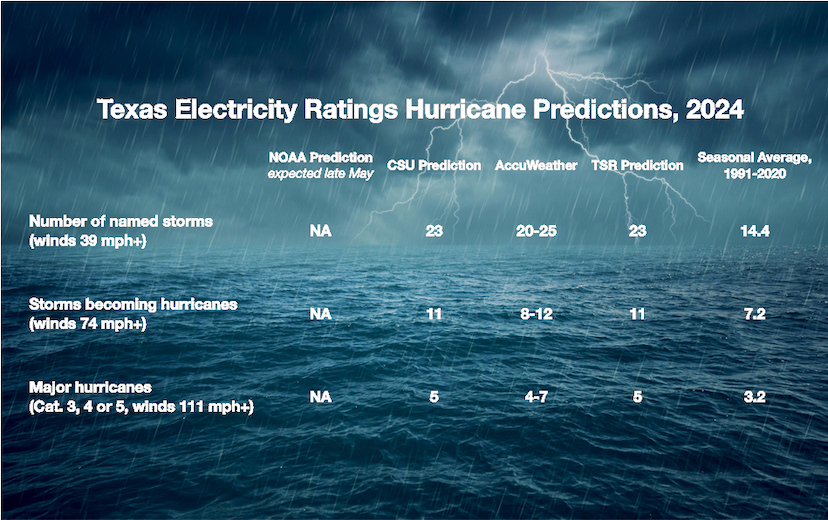
The 2024 Atlantic hurricane season is predicted by many meteorological agencies to be an active one, with forecasts pointing to an above-average number of storms. While these predictions are based on complex scientific models and environmental conditions such as sea surface temperatures and atmospheric patterns, they do not offer a precise forecast of where or when a specific storm will make landfall. Therefore, while the potential for a hurricane in Texas is always present during the season, predicting a definitive landfall event months in advance is not feasible. Instead, it’s crucial to focus on preparedness, understanding historical trends, and staying informed through official channels.
Understanding the Factors Behind Hurricane Activity
Hurricane formation is a complex interplay of atmospheric and oceanic conditions. Several key factors contribute to the development and intensity of tropical storms in the Atlantic basin, which ultimately influence the likelihood of them affecting coastal regions like Texas.
Sea Surface Temperatures
Warmer ocean waters are the primary fuel for hurricanes. When sea surface temperatures in the tropical Atlantic and Caribbean Sea are significantly above average, they provide more energy for developing tropical disturbances, increasing the chances of them intensifying into tropical storms and hurricanes. Forecasters closely monitor these temperatures throughout the spring and summer. Above-average sea surface temperatures in the Atlantic are a strong indicator of a potentially active hurricane season.
El Niño-Southern Oscillation (ENSO)
The El Niño-Southern Oscillation (ENSO), a recurring climate pattern involving changes in sea surface temperatures across the equatorial Pacific Ocean, can significantly influence weather patterns globally, including hurricane activity. A La Niña phase, characterized by cooler than average sea surface temperatures in the eastern Pacific, tends to decrease wind shear in the Atlantic basin. Reduced wind shear allows hurricanes to form and strengthen more easily, often leading to an increase in the number and intensity of storms. Conversely, an El Niño phase generally leads to increased wind shear, suppressing hurricane activity in the Atlantic. As 2024 progresses, monitoring the ENSO state will be critical for refining hurricane season forecasts.
Other Atmospheric Conditions
Beyond sea surface temperatures and ENSO, other atmospheric conditions play a role. These include the presence of African easterly waves, which are common disturbances that emerge from Africa and can develop into tropical storms over the Atlantic. Additionally, the strength and position of the Bermuda-Azores High pressure system can influence storm tracks, steering hurricanes away from or towards coastlines. Forecasters analyze these complex patterns to build a comprehensive picture of potential hurricane threats.
Historical Context: Texas and Hurricane Seasons
Texas has a long and well-documented history of experiencing hurricane impacts. The state’s extensive coastline, from the upper coast near the Texas-Louisiana border to the southernmost tip near the Rio Grande Valley, is susceptible to storm surges, heavy rainfall, and damaging winds. Understanding past hurricane seasons can provide a valuable perspective on the risks.
Notable Past Landfalls in Texas
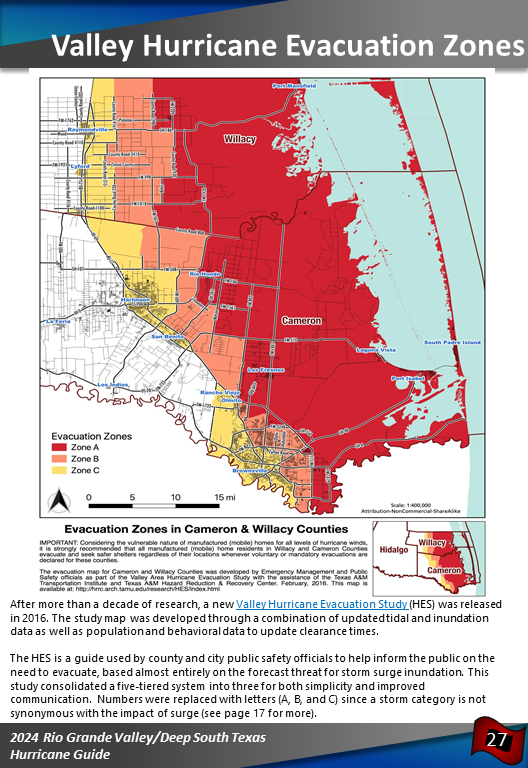
Over the decades, Texas has been hit by numerous powerful hurricanes. These events have left indelible marks on coastal communities, leading to significant rebuilding efforts and advancements in preparedness strategies. Some of the most impactful storms include:
- Hurricane Harvey (2017): This catastrophic storm made landfall near Rockport, causing widespread devastation across southeastern Texas, particularly in the Houston metropolitan area. It is remembered for its extreme rainfall totals, leading to historic flooding that displaced hundreds of thousands of residents and caused billions of dollars in damage.
- Hurricane Ike (2008): Hitting the Galveston area, Ike brought a devastating storm surge that inundated Galveston Island and the Upper Texas Coast. The storm caused extensive damage to infrastructure and coastal communities.
- Hurricane Rita (2005): While making landfall in Louisiana, Rita significantly impacted the Upper Texas Coast, including Galveston and Houston, with strong winds and a substantial storm surge. The mass evacuation that preceded Rita highlighted the challenges and complexities of preparing a large population for a major storm.
- Hurricane Carla (1961): This Category 4 hurricane remains one of the most powerful storms to have ever struck Texas, making landfall near Port Lavaca. Carla caused immense damage and prompted one of the largest evacuations in U.S. history at the time.
These historical events underscore the reality that Texas is no stranger to hurricane threats. Each storm season presents a unique set of circumstances, but the potential for significant impacts remains.
Seasonal Variability
Hurricane seasons are inherently variable. Some years are characterized by widespread activity across the Atlantic basin, while others see fewer storms. This variability can be influenced by the factors mentioned earlier, such as ENSO cycles and ocean temperatures. For Texas, this means that even in a generally predicted active season, the likelihood of a direct hit can vary from year to year. Conversely, even in a predicted quieter season, a single, well-placed storm can still pose a significant threat. The focus should always be on the potential for impact, rather than relying on an overall season forecast to gauge personal risk.
Preparing for the Possibility: What Residents and Visitors Need to Know
Given the persistent threat of hurricanes during the season, preparedness is paramount for both Texas residents and those planning to visit the state during this period. Proactive measures can significantly mitigate risks and ensure safety.
For Texas Residents:
- Develop a Hurricane Preparedness Plan: This should include evacuation routes, communication plans with family members, and designated meeting points. Know your zone and understand the evacuation orders issued by local authorities.
- Assemble a Disaster Supply Kit: This kit should contain essentials such as water, non-perishable food, medications, a first-aid kit, flashlights, batteries, a battery-powered or hand-crank radio, and sanitation items.
- Secure Your Property: Trim trees and shrubbery, secure loose outdoor items, and consider boarding up windows and doors if an evacuation order is issued.
- Stay Informed: Monitor local news, weather reports, and official advisories from agencies like the National Hurricane Center and local emergency management offices.
For Visitors to Texas:
- Check Hurricane Forecasts and Advisories: Before and during your trip, monitor weather forecasts for Texas and any potential storm systems developing in the Atlantic.
- Be Flexible with Travel Plans: If traveling to coastal areas, be prepared for potential disruptions, including flight cancellations or road closures, especially if a storm is approaching. Consider travel insurance that covers weather-related cancellations.
- Familiarize Yourself with Local Evacuation Procedures: If staying in a hotel or resort, understand the hotel’s emergency procedures and any local evacuation orders.
- Book Accommodation Wisely: While areas like Galveston and the Texas Gulf Coast offer beautiful beachfront resorts and charming vacation rentals, be aware of the potential risks during hurricane season. Consider booking accommodations that are not directly on the coast or that have robust storm preparedness plans. For longer stays, apartments or villas might offer more options for stocking up on supplies. Researching hotels in areas less prone to severe storm surge, such as inland cities like San Antonio or Austin, might be a safer alternative for some during peak season. Always check recent reviews for insights into how accommodations have handled past weather events.
The Role of Tourism and Hospitality
The Texas tourism industry plays a vital role in preparedness. Hotels and attractions often have detailed emergency plans in place. Visitors should feel comfortable inquiring about these plans with their accommodation providers. Understanding local culture and activities can also help in making informed decisions about travel timing. For instance, many inland attractions like The Alamo in San Antonio or the museums in Dallas may remain open and unaffected by coastal storms, offering a safe haven for those seeking to continue their Texas experience away from the immediate coast.
In conclusion, while the question of if a hurricane will come to Texas in 2024 cannot be answered definitively far in advance, the potential is ever-present during the Atlantic hurricane season. By understanding the contributing factors, historical context, and prioritizing preparedness, both residents and visitors can navigate the season with greater confidence and safety. Staying informed, having a plan, and being adaptable are the most effective strategies for dealing with the unpredictable nature of tropical weather.
LifeOutOfTheBox is a participant in the Amazon Services LLC Associates Program, an affiliate advertising program designed to provide a means for sites to earn advertising fees by advertising and linking to Amazon.com. Amazon, the Amazon logo, AmazonSupply, and the AmazonSupply logo are trademarks of Amazon.com, Inc. or its affiliates. As an Amazon Associate we earn affiliate commissions from qualifying purchases.