
The question “Is there a hurricane in Florida?” is one that frequently crosses the minds of travelers planning a getaway to the Sunshine State. Florida, renowned for its pristine beaches, vibrant cities, and world-class attractions, is a dream destination for many. However, its geographical location in the southeastern United States, nestled between the Atlantic Ocean and the Gulf of Mexico, also places it within an active hurricane zone. While the allure of places like Miami, Orlando, and the Florida Keys remains undeniable, understanding the nuances of hurricane season is paramount for a safe and enjoyable trip.
This article aims to provide a comprehensive guide for travelers, delving into everything from understanding hurricane seasonality and preparedness to navigating accommodation and travel insurance. We’ll explore how to minimize risks, stay informed, and ultimately, how to make the most of your Florida adventure, even when the weather is a consideration. For those seeking the perfect blend of sun, sand, and unforgettable experiences, informed planning is your best defense against the unpredictable nature of tropical weather.
Understanding Florida’s Hurricane Season: When to Expect the Unexpected
Planning a trip to Florida requires more than just picking a destination and booking a flight; it necessitates an awareness of the natural phenomena that can impact the region. Foremost among these is the Atlantic hurricane season, a period of heightened tropical cyclone activity. Understanding its duration, intensity, and historical patterns is the first step toward smart travel planning.
The Atlantic Hurricane Season: A Detailed Look
The official Atlantic hurricane season runs annually from June 1st to November 30th. During this six-month window, conditions in the Atlantic Ocean, Caribbean Sea, and Gulf of Mexico are conducive to the formation of tropical storms and hurricanes. While storms can occur outside this period, they are rare.
The peak of the season typically falls between mid-August and late October, with September being historically the most active month. This doesn’t mean you should avoid Florida entirely during these months, but rather approach your travel plans with a heightened sense of awareness and preparedness. Many travelers enjoy the quieter beaches and slightly lower prices that can sometimes accompany the shoulder seasons around the peak hurricane period.
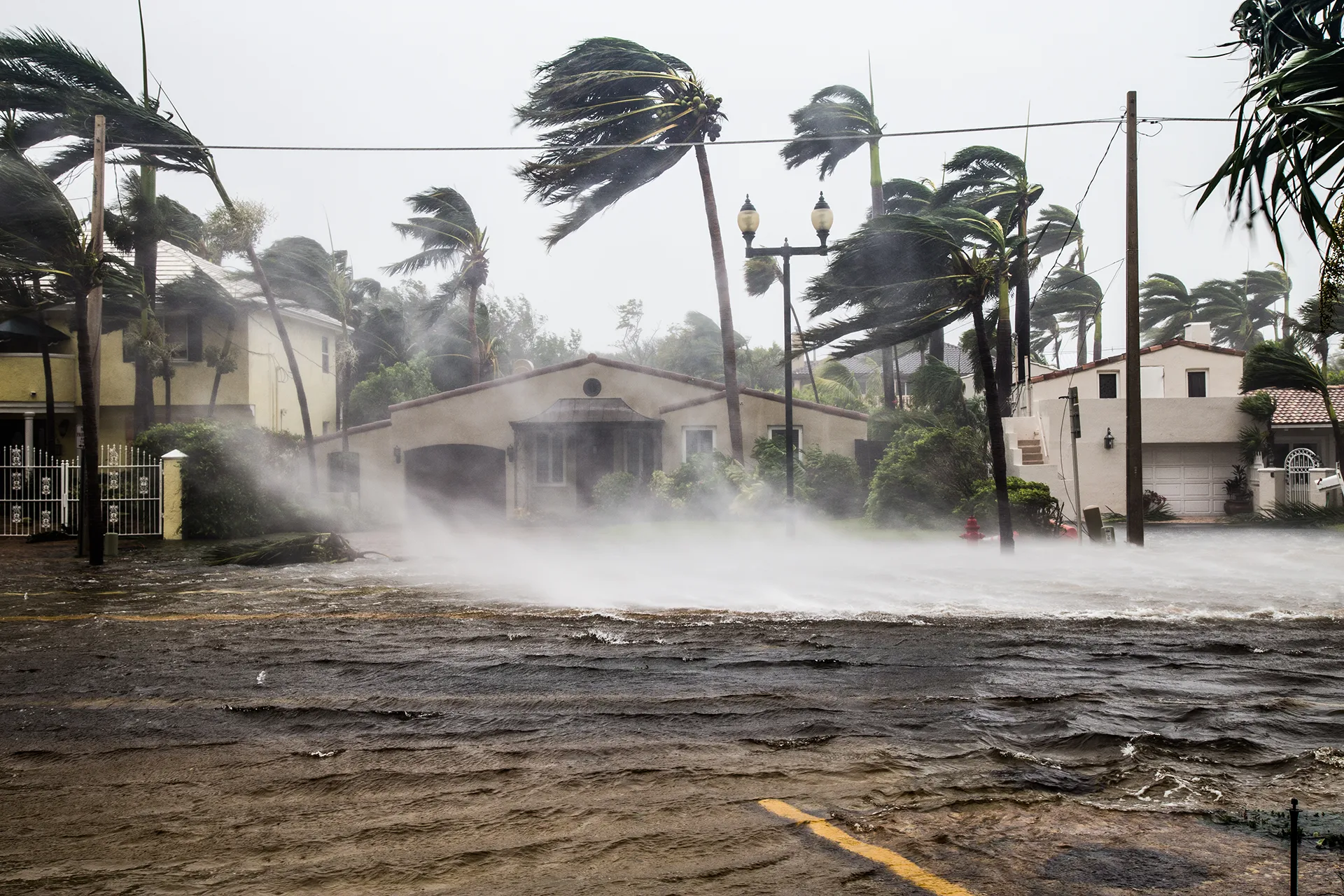
It’s crucial to distinguish between a tropical storm and a hurricane. Tropical storms have sustained winds between 39 and 73 mph, while hurricanes boast winds of 74 mph or higher, categorized from Category 1 to Category 5 on the Saffir-Simpson Hurricane Wind Scale. While both can cause significant disruption, hurricanes pose a far greater threat, necessitating evacuation and robust safety measures.
The geographical layout of Florida means different areas can experience varying levels of impact. The Florida Panhandle and Southwest Florida along the Gulf Coast are historically more susceptible to direct landfalls, while the Atlantic Coast and Central Florida, including popular theme park destinations like Orlando, often experience heavy rainfall, strong winds, and potential flooding, even if the storm makes landfall elsewhere in the state or region.

Historical Context and Preparedness
Florida has a long history with hurricanes, and its infrastructure and emergency services are well-versed in preparation and response. State and local authorities, along with organizations like the National Hurricane Center (NHC), provide continuous monitoring and forecasting. This advanced warning system is a traveler’s best friend.
Historically, major hurricanes have shaped coastal communities, leading to improved building codes and disaster recovery plans. While no system is foolproof, the continuous advancements in meteorological science mean travelers generally have ample notice to alter plans or take necessary precautions if a storm poses a threat. This historical context underscores the importance of not just knowing when hurricane season is, but also understanding the extensive safety nets in place for residents and visitors alike. Being prepared means not just monitoring the news, but also knowing what resources are available and how to access them quickly.
Navigating Your Florida Travel Plans Amidst Hurricane Concerns
For avid travelers, the prospect of a hurricane can be daunting, but it doesn’t have to derail your dreams of a Florida vacation. With smart planning and a flexible mindset, you can navigate hurricane season effectively. This section provides actionable advice on preparing for your trip, selecting accommodation, and staying informed.
Essential Pre-Travel Planning and Insurance
One of the most crucial elements of planning a trip to Florida during hurricane season is securing comprehensive travel insurance. A good policy will cover unforeseen circumstances such as trip cancellation or interruption due to a named hurricane, emergency medical expenses, and even lost luggage. It’s important to read the fine print: most policies require you to purchase insurance before a storm is named or becomes a significant threat. Policies purchased after a storm has been named will likely not cover issues related to that specific event.
Beyond insurance, consider flexible booking options for flights and accommodations. Many airlines and hotels offer waivers or allow changes without penalty if a hurricane directly impacts your travel plans or destination. Always inquire about these policies when booking, especially if traveling during peak hurricane season.
- Documentation: Keep important documents (passport, IDs, insurance policies, booking confirmations) in waterproof bags and accessible. Consider digital copies on your phone or in cloud storage.
- Emergency Kit: While you won’t pack a full emergency kit for vacation, having essential medications, a portable charger, and some non-perishable snacks can be helpful, especially if you face unexpected delays or temporary sheltering.
- Communication Plan: Share your itinerary and contact information with family or friends back home. Have a plan for how you will communicate if traditional services are disrupted.
Accommodation Considerations: Booking with Confidence
Choosing the right accommodation is critical when traveling during hurricane season. Many resorts and hotels in Florida have robust hurricane preparedness plans, including reinforced structures, backup generators, and designated shelter areas. When booking your hotel, suite, resort, or apartment, ask about their hurricane policies.
Key questions to ask include:
- Cancellation/Refund Policies: What happens if a mandatory evacuation is issued or if the property is damaged and unable to host guests?
- On-site Preparedness: What measures does the property have in place for guest safety during a storm (e.g., emergency supplies, backup power, secure areas)?
- Evacuation Procedures: Will the hotel assist with evacuation if necessary?
- Location: Is the property in a flood-prone area or an evacuation zone? Websites like the local county emergency management will have this information.
Consider hotels with flexible cancellation terms, even if it means paying a slightly higher rate. Resorts like those found in Orlando, such as Walt Disney World Resort and Universal Orlando Resort, often have well-established hurricane policies and extensive guest services to ensure safety and comfort, even if attractions close temporarily. For those looking for long-term stays, discussing potential storm impacts and landlord policies is vital before committing.
Staying Informed: Reliable Information Sources
The most effective tool against hurricane anxiety is accurate, up-to-the-minute information. Do not rely solely on social media or unofficial channels.
- National Hurricane Center (NHC): This is the primary source for official storm tracking, forecasts, and advisories for the Atlantic basin. Their website is constantly updated.
- Local Emergency Management: Each county in Florida has an emergency management division that provides specific local alerts, evacuation orders, and shelter information. Bookmark the relevant county’s website for your destination.
- National Weather Service (NWS): Provides detailed local weather forecasts and severe weather warnings.
- News Media: Reputable local news outlets (TV, radio, online) often provide localized updates and expert analysis.
Sign up for alert systems, if available, for the specific county you’re visiting. Many areas offer text or email notifications for emergency situations. Remember, timely information allows you to make informed decisions, whether that means adjusting your itinerary, hunkering down, or evacuating.
What to Do If a Hurricane Threatens Your Florida Trip
Despite the best planning, sometimes a hurricane develops and heads towards your travel destination. Knowing how to react responsibly is crucial for your safety and peace of mind.
Before the Storm: Evacuation and Shelter
If a hurricane warning is issued for your area, or if local authorities issue a mandatory evacuation order, follow it immediately. Do not wait. Evacuation routes can become congested, and services may be limited.
- Evacuation Plan: Familiarize yourself with local evacuation routes upon arrival. Hotels should provide this information.
- Transportation: If you rented a car, ensure it has a full tank of gas. Public transportation may be limited or suspended during an evacuation.
- Shelter: If evacuation is not mandatory or possible, and you are instructed to shelter in place, ensure your accommodation is secure. Follow all instructions from your hotel management regarding designated safe areas within the property. Many hotels will stock extra food and water.
- Communication: Charge all electronic devices. Inform your contacts of your situation and plans.
It’s important to differentiate between hurricane watches and warnings. A hurricane watch means hurricane conditions are possible within the specified area, usually within 48 hours. A hurricane warning means hurricane conditions are expected, typically within 36 hours, and preparations to protect life and property should be rushed to completion. During a watch, you should finalize plans; during a warning, you should be executing them.
During and After: Safety and Recovery
During a hurricane, stay indoors in the safest part of your accommodation, away from windows. Do not go outside until authorities declare it safe. The eye of the storm can bring a temporary lull, but the dangerous winds will quickly return from the opposite direction.
After the storm passes, patience and caution are key.
- Assess Damage: Check for immediate dangers like downed power lines, broken gas lines, or structural damage.
- Stay Informed: Continue monitoring local news and emergency services for updates on road conditions, power outages, and resource availability.
- Conserve Resources: Water and electricity might be limited. Conserve what you have.
- Assist Others (Safely): If you are able, and it is safe to do so, offer assistance to those around you, but prioritize your own safety.
- Contact Family/Friends: Let your loved ones know you are safe.
- Reschedule/Depart: Once it’s safe and transportation is available, you can begin to make arrangements to depart or adjust your travel plans. Remember that airports might be closed, and flights canceled for several days following a major storm. Be prepared for delays.

The recovery phase can be extensive, and while residents focus on rebuilding, tourist activities might be suspended. Be respectful of local efforts and understand that attractions, restaurants, and amenities may not operate as usual immediately after a storm.
Beyond the Storm: Enjoying Florida Responsibly and Safely
While hurricane season demands respect and preparation, it’s also important to remember that most days in Florida are beautiful, even within the official season. Many travelers visit during these months without incident. The key is responsible planning and an understanding of how to enjoy the state while staying safe.
Best Times to Visit: Avoiding Peak Season
If your schedule allows for flexibility, aiming for the shoulder seasons can significantly reduce your chances of encountering a hurricane.
- Spring (March to May): This is arguably the best time to visit Florida. Temperatures are pleasant, humidity is lower, and the hurricane risk is minimal. This period is ideal for visiting attractions like Everglades National Park, exploring the beaches of Sarasota or St. Pete Beach, or enjoying the theme parks in Orlando.
- Late Fall/Early Winter (December to February): After hurricane season officially ends, Florida enters a period of dry, mild weather. This is peak season for snowbirds and tourists seeking winter sun, especially in destinations like Miami, Fort Lauderdale, and Key West. While popular and potentially more crowded, the weather is typically superb.
- Early Summer (June to Mid-July): The early part of hurricane season often sees fewer major storms. Travelers can find good deals and still enjoy warm, sunny weather, though daily afternoon thunderstorms are common. This can be a good compromise for those who need to travel during the summer months but want to avoid the peak hurricane risk.
Ultimately, the “best time” depends on your priorities: avoiding crowds, securing deals, or ensuring the lowest hurricane risk.
Florida’s Resilience: A Traveler’s Perspective
One of the remarkable aspects of Florida is its incredible resilience. After a storm, communities and tourist destinations often bounce back with impressive speed. Locals are accustomed to hurricane season, and extensive resources are dedicated to recovery. What might seem like a devastating event can often see areas restored and ready to welcome visitors again relatively quickly, though major storms can certainly cause prolonged disruption.
This resilience extends to Florida’s landmarks and attractions. Theme parks like Walt Disney World Resort and Universal Orlando Resort have highly sophisticated weather monitoring systems and protocols to protect guests and property, often closing only for the most severe conditions and reopening swiftly. Natural wonders such as Everglades National Park or the beaches of South Beach may undergo temporary closures for cleanup and safety checks but are integral to the state’s appeal and are prioritized for restoration.
Supporting Local Tourism and Community
When visiting Florida, especially if there has been a recent storm in a different part of the state, remember that tourism is a vital part of the local economy. By continuing your travel plans to unaffected areas or by returning once damaged areas have recovered, you contribute significantly to the community’s rebound. Enjoying local culture, dining at local restaurants, and engaging in activities supports countless small businesses and their employees.
Consider visiting destinations that are often less directly impacted by major hurricanes, such as Central Florida’s Orlando area, or even the relatively sheltered Northeast coast, including historic St. Augustine or Jacksonville. These areas offer diverse experiences from theme park thrills and cultural immersion to pristine beaches and nature preserves. Even during hurricane season, the vast majority of Florida typically remains storm-free and welcoming.
In conclusion, the question “Is there a hurricane in Florida?” is best answered with a nuanced understanding of the state’s climate and exceptional preparedness. While hurricanes are a fact of life for the region, informed travelers can enjoy all that Florida has to offer by planning wisely, staying vigilant, and prioritizing safety. With comprehensive travel insurance, flexible bookings, and reliable information sources, your Florida vacation can be everything you dreamed of, regardless of the season.
LifeOutOfTheBox is a participant in the Amazon Services LLC Associates Program, an affiliate advertising program designed to provide a means for sites to earn advertising fees by advertising and linking to Amazon.com. Amazon, the Amazon logo, AmazonSupply, and the AmazonSupply logo are trademarks of Amazon.com, Inc. or its affiliates. As an Amazon Associate we earn affiliate commissions from qualifying purchases.