
The question of whether Texas levies a state income tax is a common one, especially for individuals considering relocation, businesses evaluating new markets, or even curious travelers planning an extended stay. For anyone exploring the vibrant culture, diverse landscapes, and robust economy of the Lone Star State, understanding its fiscal framework is key to grasping the overall lifestyle and economic environment. The direct answer is resounding: no, Texas does not impose a state income tax on individuals. This fundamental aspect of the state’s financial policy plays a significant role in shaping its appeal as a destination for tourism, a hub for businesses, and a desirable place to live.
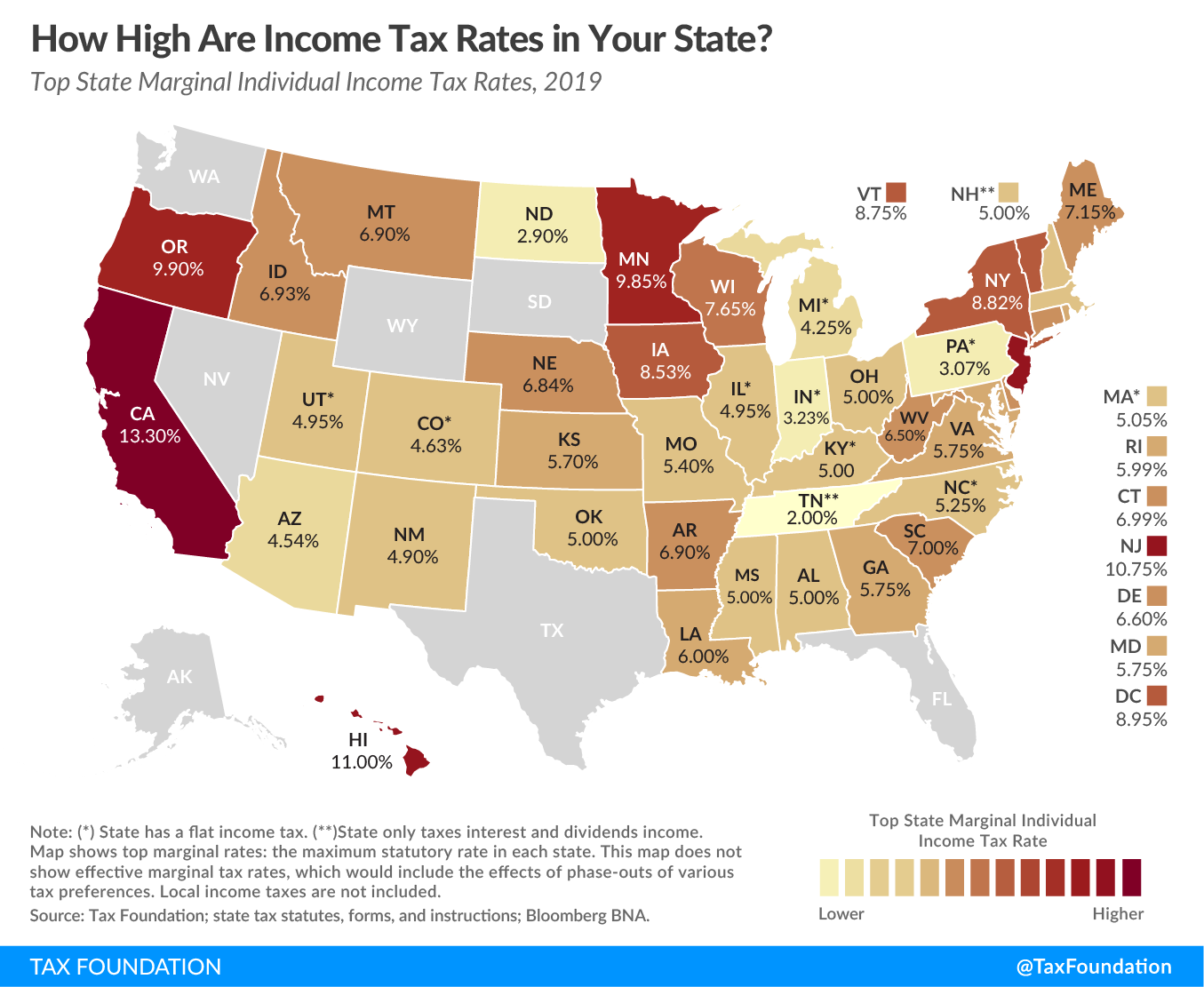
This unique tax structure has far-reaching implications, influencing everything from personal finance and disposable income to the growth of industries, the cost of living, and the very character of communities across the state. It’s a factor that underpins the state’s reputation for economic opportunity and, indirectly, contributes to the rich array of attractions, accommodations, and experiences that beckon visitors from around the globe. While the absence of an income tax might seem like a straightforward benefit, it’s essential to delve deeper into how Texas generates its revenue and what other financial considerations come into play for both residents and visitors alike. From the bustling metropolises of Dallas and Houston to the cultural heart of San Antonio and the live music capital of Austin, the no-income-tax policy weaves through the fabric of the Texas experience, impacting everything from hotel prices to the availability of luxury lifestyle options and budget-friendly adventures.
The Lone Star State’s Fiscal Landscape: A No-Income-Tax Haven
Texas stands out among a handful of U.S. states that do not tax individual income. This policy is a cornerstone of its economic identity and a significant draw for both individuals and corporations. Understanding this fiscal landscape requires a look at what taxes the state does rely on to fund its public services, infrastructure, and myriad other expenditures. For those considering a move, an extended visit, or simply curious about the economic underpinnings of this vast state, grasping the tax structure is crucial.
Understanding Texas’s Tax Structure
While individual income tax is absent, Texas primarily funds its state and local governments through a combination of sales taxes, property taxes, and severance taxes on natural resources. The state sales tax rate is 6.25%, but local jurisdictions can add up to an additional 2%, bringing the combined rate to a maximum of 8.25% in many areas. This means that nearly every purchase made, from souvenirs at The Alamo gift shop to a gourmet meal in Houston’s Museum District, includes a sales tax component. For tourists, this is a direct and noticeable tax, factored into the cost of goods and services throughout their journey. For residents, it’s a constant consideration in their daily spending.
Property taxes are another major revenue source, primarily funding local services like public schools, police, and fire departments. These taxes can be substantial, especially in desirable areas and rapidly growing cities like Austin or Dallas. While homeowners bear the direct brunt of property taxes, even renters are indirectly affected, as landlords factor these costs into rental rates. Businesses also pay property taxes, which can influence commercial rental prices and the overall cost of doing business in the state, potentially impacting the hospitality sector and the prices of goods and services offered by local businesses.
Furthermore, Texas relies heavily on severance taxes on oil and natural gas production, a testament to its rich natural resources and energy sector dominance. There is also a franchise tax on businesses, which is not an income tax in the traditional sense, but a tax on a business’s margin. While this primarily affects corporations, it contributes to the overall business-friendly environment that encourages economic growth and, consequently, supports the tourism and accommodation sectors through job creation and increased travel demand.
Impact on Residents and Relocation
The absence of a state individual income tax is a significant draw for people considering relocating to Texas. For many, the prospect of keeping a larger portion of their earnings can translate into greater disposable income, which can then be allocated to improving their lifestyle, saving for the future, or enjoying more travel experiences. This financial incentive often makes Texas an attractive option for professionals and families seeking to maximize their income and quality of life. The lower overall tax burden on personal income can allow residents to afford more luxurious accommodations, explore higher-end dining options, or invest in unique experiences across the state’s many destinations.
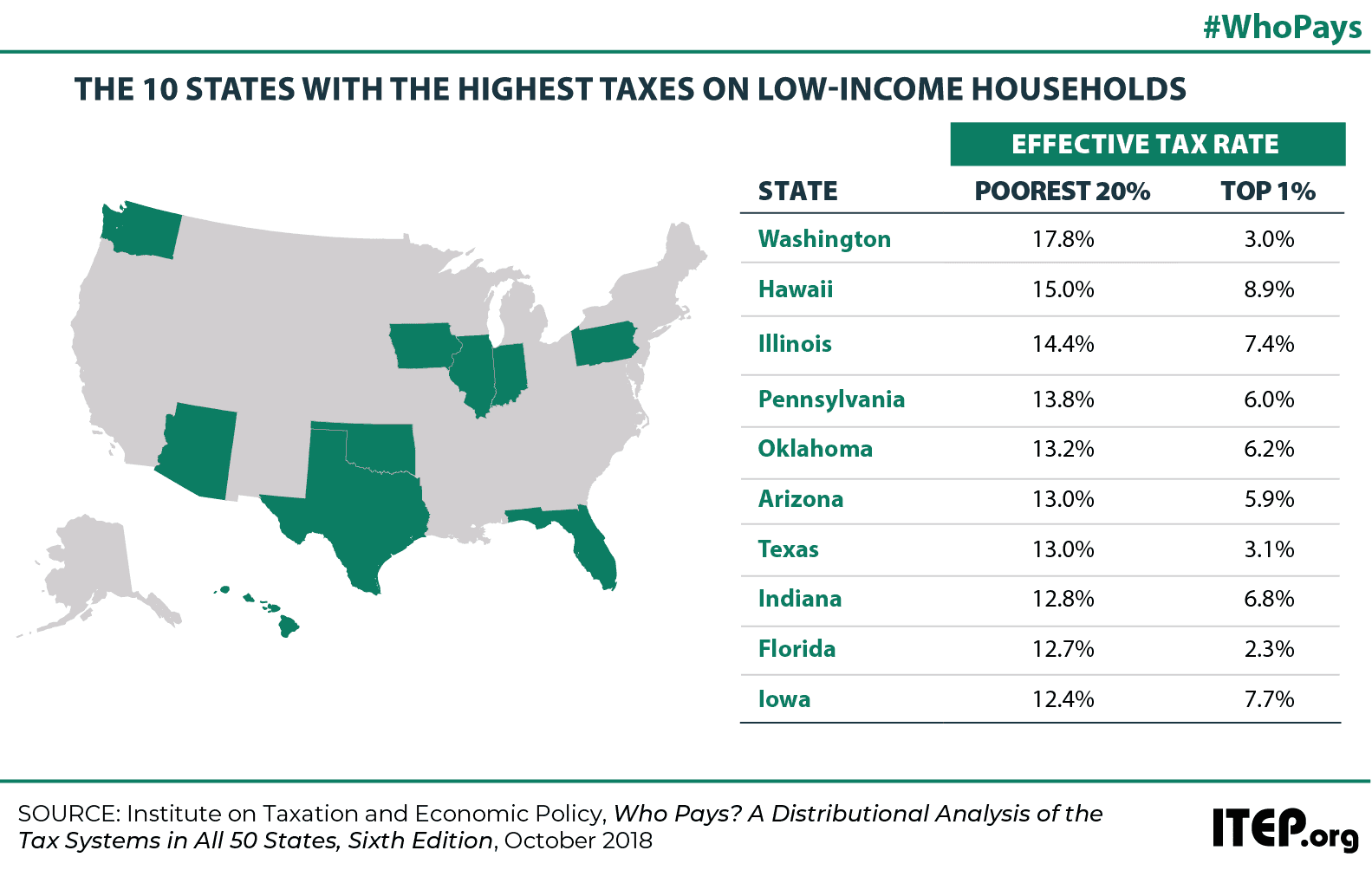
However, the trade-off comes in the form of higher property taxes, which can be a significant expense for homeowners. Prospective residents must carefully weigh the benefits of no income tax against the potentially substantial property tax obligations. The lifestyle choice of living in a state like Texas is often influenced by this balance – a recognition that while your paycheck might not be diminished by state income tax, other forms of taxation will contribute to the cost of living. This balance can still be highly favorable for many, especially those with high incomes or those who prioritize certain types of spending. The state’s economic dynamism, fueled in part by this tax structure, leads to a vibrant job market and diverse opportunities, further enhancing its appeal for those looking to start a new chapter.
Texas Tourism and Lifestyle: A Tax-Friendly Destination
For travelers and those exploring new lifestyle options, the lack of a state income tax in Texas creates an economic environment that indirectly enhances the visitor experience and promotes a certain kind of lifestyle. While tourists don’t pay state income tax regardless of where they travel, the state’s tax policy influences the broader economic conditions that shape the tourism and hospitality industries.
How No Income Tax Influences Travel Decisions
For the casual tourist, the absence of a state individual income tax doesn’t directly affect the cost of their vacation, as they aren’t earning income within the state. However, it plays a critical indirect role. The fiscal policy encourages a strong economy and business growth, leading to more job opportunities and a robust local population with disposable income. This, in turn, fuels demand for leisure activities, dining, and diverse accommodations, fostering a competitive and high-quality tourism sector. A thriving local economy often translates to better infrastructure, more unique attractions, and a higher standard of service in hotels and resorts.
For long-term visitors, digital nomads, or those considering a permanent move, the no-income-tax policy becomes a significant factor. If one establishes residency in Texas, the potential for a lower overall tax burden can make extended stays more financially appealing. This could mean more budget available for exploring the vast landscapes, indulging in local cuisine, or experiencing the cultural richness of cities like San Antonio with its iconic Riverwalk, or the cowboy heritage of Fort Worth’s Stockyards National Historic District. The economic dynamism fostered by the state’s tax regime also attracts investment in tourism infrastructure, from new luxury resorts in the Texas Hill Country to innovative boutique hotels in Austin’s South Congress Avenue area.
Exploring Texas: Destinations and Attractions
The allure of Texas as a travel destination is multifaceted, offering a rich tapestry of experiences that cater to every interest, from urban explorers to outdoor adventurers. The state’s economic prosperity, bolstered by its tax policies, has facilitated the development and maintenance of world-class attractions and a diverse range of accommodations.
In Dallas, visitors can immerse themselves in the thriving Dallas Arts District, stroll through Klyde Warren Park, or explore upscale shopping and dining. Houston boasts the Space Center Houston, allowing a fascinating glimpse into NASA’s space exploration efforts, alongside its vibrant culinary scene and impressive Museum District. Austin, the self-proclaimed “Live Music Capital of the World,” offers a unique blend of outdoor activities, eclectic eateries, and its famous Sixth Street nightlife. San Antonio, rich in history, is home to the historic Alamo and the enchanting Riverwalk, a network of scenic walkways along the San Antonio River lined with shops, restaurants, and hotels.

Beyond the major cities, Texas offers breathtaking natural landmarks. Big Bend National Park in West Texas provides stunning desert landscapes and rugged mountains, while Guadalupe Mountains National Park features the highest peak in Texas. For beach lovers, Padre Island National Seashore and South Padre Island offer miles of pristine coastline. The scenic Texas Hill Country is dotted with charming small towns like Fredericksburg, vineyards, and natural swimming holes.
Accommodation options across Texas are as diverse as its landscapes, ranging from luxurious urban suites like those found at the Four Seasons Hotel Austin or the Omni Dallas Hotel, to family-friendly resorts such as the JW Marriott San Antonio Hill Country Resort & Spa, and charming boutique hotels like Hotel Emma in San Antonio or The Driskill in Austin. The economic vitality ensures that there’s always a wide selection to match every budget and preference, reflecting the state’s commitment to accommodating a diverse influx of visitors.
Economic Vibrancy and Business Travel in Texas
The robust economy of Texas, heavily influenced by its no-income-tax policy, has cultivated an environment that is particularly attractive to businesses and professionals. This in turn has a profound impact on the demand for business travel and the growth of the accommodation and hospitality sector throughout the state. The confluence of favorable tax conditions, a skilled workforce, and strategic geographic location has positioned Texas as a premier destination for corporate events, conventions, and business expansion.
A Magnet for Businesses and Professionals
The absence of a state individual income tax significantly lowers the operational costs for businesses and increases the take-home pay for employees. This magnetic effect has drawn numerous corporations, from tech giants to energy leaders and healthcare innovators, to establish or relocate their headquarters and operations in Texas. Major cities like Austin, often dubbed “Silicon Hills,” have seen an explosion in the tech industry, while Houston remains a global energy capital, and Dallas a financial and logistics hub.
This influx of businesses naturally creates a higher demand for business travel. Professionals frequently visit Texas for meetings, conferences, training sessions, and corporate events. The state’s large, modern convention centers, such as the George R. Brown Convention Center in Houston and the Kay Bailey Hutchison Convention Center in Dallas, are testaments to the state’s capacity to host large-scale gatherings. This consistent flow of business travelers ensures a steady demand for high-quality hotels, extended-stay accommodations, and a range of related services, bolstering the state’s hospitality industry.
The Accommodation and Hospitality Sector
The vibrant economic landscape of Texas, powered by its business-friendly policies, directly supports a thriving accommodation and hospitality sector. Hotels across the state cater to a diverse clientele, from budget-conscious travelers to those seeking luxury and bespoke services. In major business centers, you’ll find an abundance of corporate-friendly hotels equipped with meeting rooms, business centers, and connectivity options essential for today’s professional.
Prominent hotel brands have a significant presence, offering everything from opulent suites to comfortable, functional rooms. For example, the Marriott Marquis Houston is known for its stunning rooftop lazy river and proximity to the George R. Brown Convention Center, making it a prime choice for conference attendees. The Hyatt Regency Dallas, with its distinctive Reunion Tower, offers excellent amenities and direct access to downtown attractions. In Austin, the W Austin provides a trendy, music-infused experience, appealing to both business and leisure travelers.
Beyond traditional hotels, the state offers a wide array of accommodation types, including serviced apartments for long-term business stays, charming bed and breakfasts in historic districts, and sprawling resorts in destinations like the Texas Hill Country. This robust and varied hospitality infrastructure is a direct result of sustained economic growth and the continuous demand generated by both leisure tourists and the significant volume of business travel that flows into Texas year-round. The competition among these establishments also often leads to higher standards of service and innovative offerings, further enhancing the overall visitor experience.
Weighing the Benefits: Lifestyle, Cost of Living, and Future Travel
While the absence of a state individual income tax is a significant advantage, understanding the full picture of living and traveling in Texas requires a holistic view of its cost of living, overall lifestyle, and the economic factors that shape future travel trends. The unique blend of fiscal policy, cultural heritage, and natural beauty makes Texas a compelling place, but it’s important for individuals to weigh all financial considerations.
Beyond the Income Tax: Other Financial Considerations
As established, the lack of a state individual income tax in Texas is often offset by higher property taxes and a statewide sales tax. For residents, particularly homeowners, property taxes can be a substantial annual expense, varying significantly based on location, property value, and local tax rates set by cities, counties, and school districts. For instance, property taxes in rapidly gentrifying urban centers like parts of Austin or prime real estate in Dallas can be considerably higher than in more rural areas or smaller towns. This means that while your paycheck might not be reduced by a state income tax, a significant portion of your budget could be allocated to housing-related costs.
Sales taxes, which can reach up to 8.25% in many areas, also add to the cost of goods and services. This impacts everything from groceries and clothing to restaurant meals and entertainment. For a tourist, this is likely the most visible tax, adding a percentage to nearly every purchase. For residents, it’s a recurring expense that contributes to the overall cost of living. Understanding these components is crucial for anyone planning to reside in or extensively visit Texas, as they collectively influence personal budgeting and disposable income. While the state prides itself on its low regulatory environment and often boasts of a favorable business climate, individuals must consider their personal consumption patterns and housing choices to truly assess their financial situation within the Lone Star State.
Planning Your Texas Experience
Whether you’re planning a vacation, a business trip, or contemplating a move, Texas offers an array of experiences shaped by its unique economic and cultural landscape. For travelers, the absence of individual income tax means more businesses might thrive, leading to more diverse and competitive options in hotels, dining, and attractions. From luxurious resorts in San Antonio to quaint bed and breakfasts in the Texas Hill Country, the accommodation choices are plentiful, catering to every budget and taste.
When planning your trip, consider the seasonal variations in weather and events. Spring and fall are popular for exploring outdoor attractions like Big Bend National Park or enjoying city festivals, while summer draws visitors to the coastal areas like Galveston and South Padre Island. Booking accommodations well in advance, especially during peak seasons or major events like Austin City Limits Music Festival or South by Southwest (SXSW), is always advisable to secure the best rates and availability. Budgeting for sales tax on purchases and considering the potential for higher property values (which can translate to higher rental costs) in major urban centers will provide a more accurate picture of the overall cost of your Texas experience.
In conclusion, the answer to “Is there a Texas state income tax?” is a firm no for individuals. This policy underpins a dynamic economy, attracting businesses and residents alike. While it offers the benefit of higher take-home pay, it’s balanced by significant property taxes and a robust sales tax. This unique fiscal environment contributes to a vibrant tourism sector, a diverse range of accommodations, and a lifestyle that, for many, offers considerable advantages. For anyone looking to travel, live, or do business in the Lone Star State, understanding this fundamental aspect of its financial framework is essential to fully appreciate the opportunities and experiences that await.
LifeOutOfTheBox is a participant in the Amazon Services LLC Associates Program, an affiliate advertising program designed to provide a means for sites to earn advertising fees by advertising and linking to Amazon.com. Amazon, the Amazon logo, AmazonSupply, and the AmazonSupply logo are trademarks of Amazon.com, Inc. or its affiliates. As an Amazon Associate we earn affiliate commissions from qualifying purchases.