
Planning a trip to the Sunshine State and wondering if you’ll need to adjust your watch? The question “Is there a time difference in Florida?” might seem simple, but the answer touches upon a fascinating aspect of the state’s geography and its impact on travel, tourism, and daily life. While the vast majority of Florida operates under a single time zone, a small, often overlooked area experiences a different temporal reality. This distinction can be crucial for travelers to understand, particularly when coordinating flights, booking accommodations, or planning activities across different parts of the state.
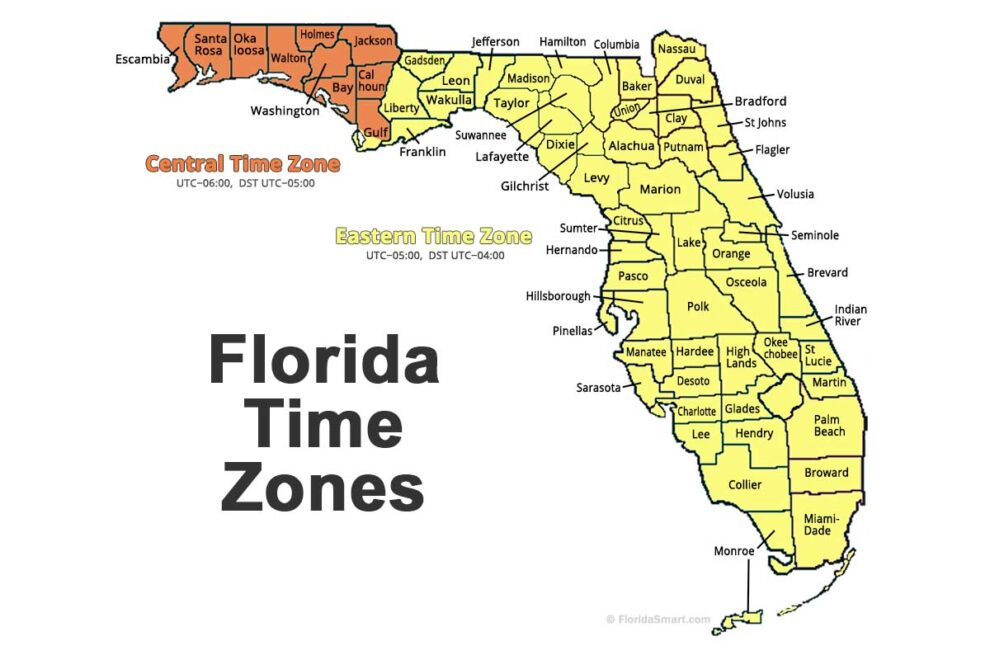
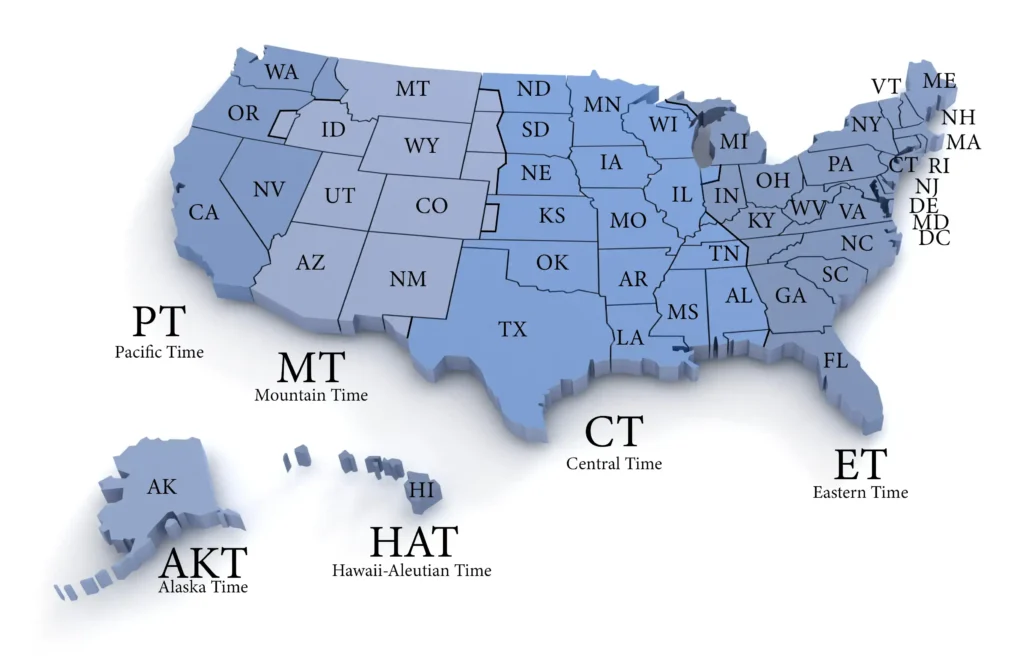
Florida’s time zone situation is a direct result of its geographical positioning and historical decisions. The United States, as a whole, is divided into several time zones to standardize time across its vast expanse. These zones are generally defined by lines of longitude, with each zone representing a one-hour difference. Florida, being a long state stretching from the Panhandle in the north to the Florida Keys in the south, straddles the boundaries of two of these time zones.
Understanding Florida’s Time Zones: Eastern and Central Time
The primary reason for the potential for a time difference in Florida is its division between the Eastern Time Zone (ET) and the Central Time Zone (CT). This division is not arbitrary; it’s based on geographical lines and has been established for practical purposes related to commerce, communication, and transportation.
The Eastern Time Zone Dominance
The overwhelming majority of Florida, including major tourist hubs like Miami, Orlando, Tampa, and the Florida Keys, observes Eastern Standard Time (EST) during the winter months and Eastern Daylight Time (EDT) during the summer months. This means that most Floridians and visitors will be operating on UTC-5 (EST) or UTC-4 (EDT), depending on the time of year. This is the same time zone observed by much of the eastern United States, including cities like New York City and Washington D.C.
For travelers flying into major airports like Miami International Airport (MIA) or Orlando International Airport (MCO), understanding Eastern Time is straightforward. If you’re coming from another part of the United States that also observes daylight saving time, your watch might not need any adjustment upon arrival in most of Florida. However, if you’re traveling from a region that doesn’t observe daylight saving time, or from a country with different daylight saving schedules, you will need to account for the difference.
The Central Time Zone Anomaly: The Panhandle’s Western Edge
The exception to Florida’s Eastern Time Zone rule lies in the westernmost part of the Florida Panhandle. A relatively small but geographically significant portion of this region, west of the Apalachicola River, officially observes the Central Time Zone (CT). This includes cities like Pensacola, Destin, and Panama City Beach.
This unique situation means that while a traveler might be driving east on I-10 and remain within the state of Florida, they could potentially cross a time zone boundary. For example, someone departing from Pensacola (Central Time) and driving towards Tallahassee (Eastern Time) will find themselves gaining an hour as they enter the Eastern Time Zone. This can be a surprising and sometimes disorienting experience for those unfamiliar with this geographical quirk.
The historical reasons for this division are rooted in the state’s development and its connections to neighboring states that also observe Central Time. The Apalachicola River has served as a natural boundary for various administrative and economic divisions throughout Florida’s history.
Practical Implications for Travelers and Tourists
The existence of two time zones within Florida, however small the Central Time Zone portion may be, has several practical implications for travelers, particularly those involved in tourism, accommodation booking, and experiencing local culture and attractions.
Navigating Travel and Flights
When booking flights into or out of Florida, it’s crucial to be aware of which time zone the airport operates under. Major airports like Tampa International Airport (TPA), Fort Lauderdale-Hollywood International Airport (FLL), and Jacksonville International Airport (JAX) are all in the Eastern Time Zone. However, if your destination is in the western Panhandle, such as Pensacola International Airport (PNS), you’ll be landing in the Central Time Zone.
This distinction is vital for itinerary planning. If you have connecting flights or time-sensitive reservations, ensure all times are confirmed in the correct local time zone. For instance, a red-eye flight arriving from California (Pacific Time) into Miami (Eastern Time) would require an immediate three-hour adjustment. Conversely, a flight departing from Destin (Central Time) to Atlanta (Eastern Time) means you’ll be losing an hour upon departure. Always double-check your booking confirmations, as they will typically specify the local time at your destination.
Accommodation and Booking Considerations
When booking hotels, resorts, apartments, or villas, the time zone primarily affects the booking process and check-in/check-out times if you are traveling between the two zones within Florida. Most major booking platforms will automatically adjust for local times, but it’s good practice to confirm.
If you’re staying in a resort on the Emerald Coast near Destin or Panama City Beach, your check-in time will be based on Central Time. If you then decide to drive further east to visit Orlando for a theme park experience at Walt Disney World or Universal Orlando Resort, you’ll need to adjust your internal clock by an hour upon arrival in Orlando. This is particularly important if you’ve booked timed entry tickets or dinner reservations.
For those considering long-term stays or vacation rentals in the western Panhandle, understanding the Central Time Zone is part of integrating into the local rhythm. This might influence your work schedule if you’re working remotely or your social activities if you’re meeting up with locals who operate on Central Time.
Experiencing Local Culture and Activities
The time zone difference, though subtle, can influence how you experience local culture and activities, especially in the border region.
- Dining and Nightlife: Restaurants and bars in the western Panhandle will typically open and close according to Central Time. This might mean an earlier dinner or closing time compared to cities in the Eastern Time Zone. If you’re used to dining late, you might find yourself adjusting your schedule slightly.
- Attractions and Tours: Theme parks like Busch Gardens Tampa Bay or the attractions in Miami operate on Eastern Time. If you’re visiting attractions in the western Panhandle, like a dolphin-watching tour from Clearwater and then driving west to Pensacola, be mindful of the time difference when planning your day’s itinerary. Many tours and attractions have specific operating hours, and being an hour off can mean missing out.
- Local Events and Festivals: If you’re attending a local festival or event in the western Panhandle, ensure you check the start and end times in Central Time. This applies to everything from farmers’ markets to holiday celebrations.
The Impact on Business and Lifestyle
Beyond tourism, the time zone distinction affects businesses and the daily lives of residents in the affected areas.
- Business Operations: Businesses in the western Panhandle often align their operating hours with Central Time, which can impact communication with clients or partners located in the Eastern Time Zone. This requires careful coordination for conference calls, meetings, and shipments.
- Media and Broadcasting: Local news and television programming in the Central Time Zone of Florida will broadcast an hour later than their counterparts in the Eastern Time Zone. This is a common phenomenon across states that straddle time zones.
- Daily Routines: For residents living in the western Panhandle, their daily routines – from school start times to work schedules – are set to Central Time. This means that when Eastern Time zones are waking up for the day, those in Central Time are still an hour behind.
Daylight Saving Time: Another Layer of Complexity
Adding another layer to the time zone discussion is Daylight Saving Time (DST). Like most of the United States, both the Eastern Time Zone and the Central Time Zone in Florida observe Daylight Saving Time. This means that clocks are typically advanced by one hour in the spring and set back by one hour in the autumn.
- Eastern Standard Time (EST) becomes Eastern Daylight Time (EDT).
- Central Standard Time (CST) becomes Central Daylight Time (CDT).
The dates for the start and end of Daylight Saving Time are generally standardized across the United States, usually beginning on the second Sunday in March and ending on the first Sunday in November. This standardization helps to minimize confusion within each time zone.
However, it’s important to remember that even with DST, the one-hour difference between the western Panhandle and the rest of Florida persists. When EDT is in effect, the western Panhandle observes CDT. When EST is in effect, the western Panhandle observes CST.
For travelers, this means that the number of hours difference between, say, Miami and Pensacola will remain a consistent one hour, regardless of whether Daylight Saving Time is active or not, as both regions adjust their clocks simultaneously. The key is to always be aware of which zone you are in and what the local time is for your specific activities.

Navigating Florida’s Time Zones: Tips for a Smooth Trip
To ensure your trip to the Sunshine State is as seamless as possible, here are some practical tips for navigating Florida’s time zones:
- Always Check Your Destination’s Local Time: Before you arrive, and especially when making reservations, confirm the local time at your specific destination within Florida. Most booking websites and mapping applications will display local times, but it never hurts to be certain.
- Be Mindful of Airport Locations: When booking flights, pay close attention to the airport code and its corresponding location. Pensacola International Airport (PNS) is in the Central Time Zone, while Destin-Fort Walton Beach Airport (VPS) is also in the Central Time Zone, but other airports like Tallahassee International Airport (TLH) are in the Eastern Time Zone. This is crucial for flights, rental car pickups, and hotel check-ins.
- Inform Your Travel Companions: If you’re traveling with family or friends, ensure everyone is aware of the time zone situation, especially if you are driving between the Panhandle and other parts of the state. This prevents confusion regarding meeting times, meal plans, and onward travel arrangements.
- Set Your Devices: Modern smartphones and smartwatches usually update their time automatically based on your location and network. However, it’s a good idea to periodically check if your device has correctly adjusted to the local time upon arrival.
- Understand Conference Call and Meeting Times: If you are traveling for business or have scheduled calls with people in different parts of Florida, clearly specify the time zone for all communications (e.g., “2:00 PM EST” or “1:00 PM CST”).
- Enjoy the Experience: While time zones can sometimes add a layer of complexity, they also highlight the diverse geographical and cultural landscape of Florida. Embrace the experience and enjoy the unique charm of both the Eastern and Central Time Zones of the Sunshine State.
In conclusion, while the vast majority of Florida operates under the Eastern Time Zone, a pocket of the western Panhandle adheres to the Central Time Zone. This difference, though subtle, is an important consideration for travelers planning their journeys, booking accommodations, and immersing themselves in the local culture and attractions. By being aware of this temporal distinction and following a few simple tips, you can ensure your Florida adventure is filled with smooth transitions and unforgettable experiences.