
The sun-drenched beaches of Florida, the vibrant theme parks of Orlando, and the historic charm of St. Augustine paint a picture of idyllic getaway. Millions flock to the Sunshine State each year, drawn by its diverse attractions, luxurious resorts, and unparalleled tourism experiences. However, beneath the veneer of perpetual sunshine, Florida also shares a unique geographical vulnerability. The question on many minds, especially as seasons shift, is: “Is there another storm coming to Florida?”
While this question might seem focused on meteorological forecasts, it resonates deeply within the travel and tourism industry, impacting everything from accommodation bookings to lifestyle choices for both residents and visitors. Understanding this potential, and how the state prepares for it, is crucial for anyone planning a trip or considering a long-term stay in this popular destination. This article delves into the factors that contribute to Florida’s storm susceptibility, the proactive measures taken by the tourism sector, and how travelers can stay informed and prepared.

Understanding Florida’s Vulnerability
Florida’s peninsula is naturally exposed to weather systems due to its extensive coastline bordering both the Atlantic Ocean and the Gulf of Mexico. This geographical position places it squarely within the primary path of tropical cyclones, commonly known as hurricanes. The warm, moist air over these bodies of water provides the perfect ingredients for storm formation, particularly during the Atlantic hurricane season, which officially runs from June 1st to November 30th.
The Atlantic Hurricane Season: A Predictable Rhythm
The Atlantic hurricane season is a well-documented phenomenon, and while its intensity varies year by year, its presence is a constant consideration for Florida. Early season storms can form in June or July, often originating in the Caribbean Sea or near the Bahamas. As the season progresses into August, September, and October, the likelihood of more powerful storms increases, with systems frequently developing in the tropical Atlantic.
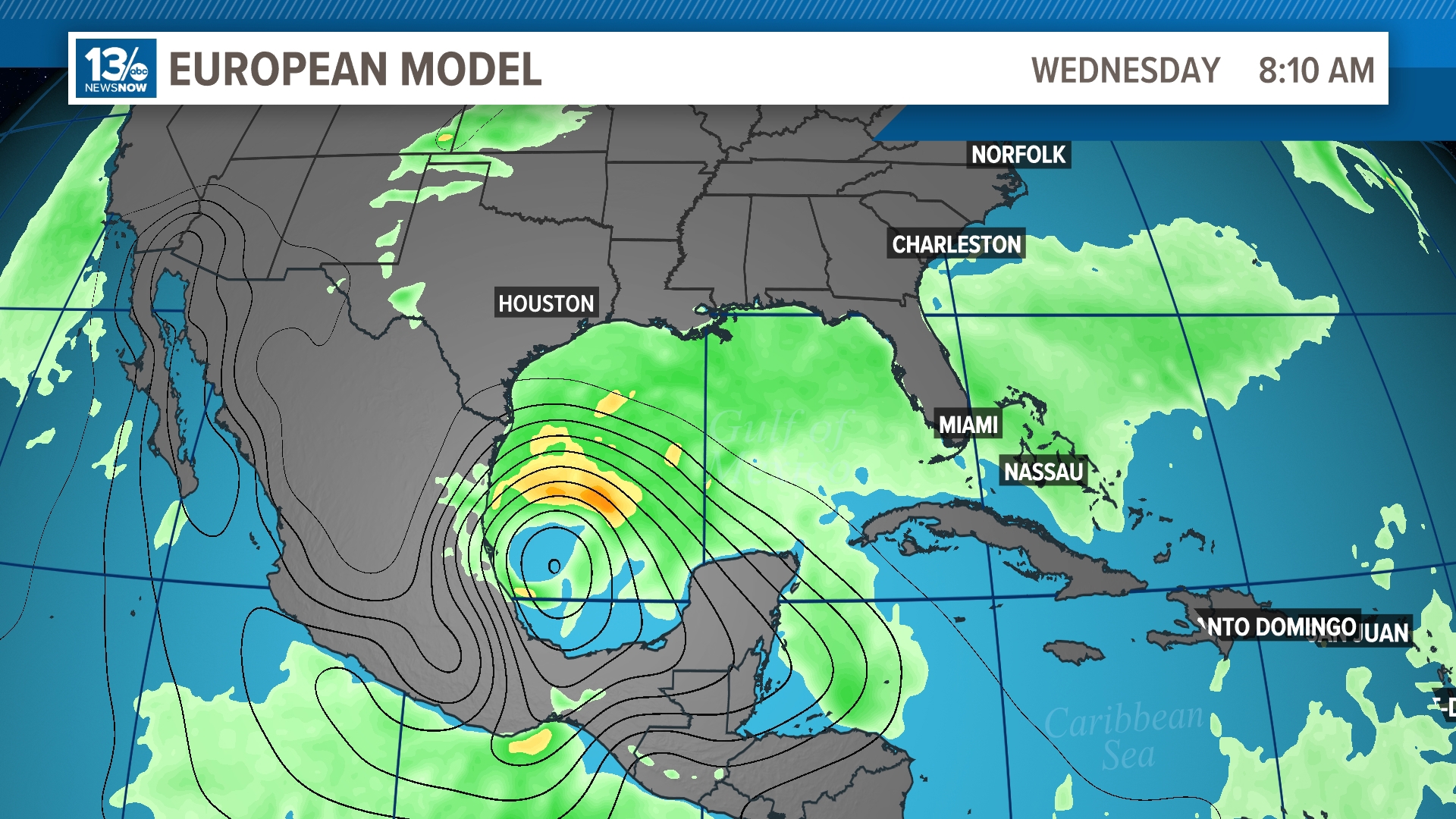
The formation of these storms is influenced by a complex interplay of atmospheric conditions, including sea surface temperatures, wind patterns, and the presence of atmospheric disturbances. Scientists and meteorologists meticulously monitor these conditions, using advanced forecasting models and satellite imagery to predict storm tracks and intensity. For Florida, this vigilance translates into a constant awareness of potential threats, especially for coastal communities and the vast network of attractions and resorts that define its tourism landscape.
Factors Influencing Storm Severity
While the hurricane season provides a general timeframe, several factors can influence the severity and impact of any given storm. These include:
- Sea Surface Temperatures: Warmer ocean waters provide more energy for hurricanes to intensify. Years with significantly above-average sea surface temperatures in the Atlantic can lead to more active and intense hurricane seasons.
- Atmospheric Patterns: Phenomena like El Niño and La Niña can alter wind patterns in the upper atmosphere, which can either suppress or enhance hurricane activity in the Atlantic basin.
- Wind Shear: High wind shear, which is a significant change in wind speed or direction with height, can disrupt the formation and organization of tropical storms, often weakening them. Conversely, low wind shear allows storms to develop more readily.
- Geographical Location: Florida’s long coastline means that a storm hitting anywhere along its perimeter can have widespread effects. The shape of the coastline, inlets, and bays can also influence storm surge and inland flooding.
The impact of a storm is not solely measured by its wind speed. Storm surge, heavy rainfall leading to inland flooding, and even the threat of a hurricane can disrupt travel plans, lead to cancellations, and impact the local economy. For the tourism sector, this means a delicate balancing act between marketing the allure of Florida and ensuring visitor safety and preparedness.
The Tourism Industry’s Preparedness and Response
The tourism industry in Florida is acutely aware of its susceptibility to tropical weather. Major theme parks like Walt Disney World and Universal Orlando Resort, along with numerous hotels, attractions, and cruise lines operating out of ports like Miami and Port Canaveral, have robust emergency preparedness plans in place.

Proactive Measures for Protection and Safety
- Emergency Operations Centers: Most large tourism businesses maintain dedicated emergency operations centers that are activated well in advance of a potential storm. These centers coordinate communication, logistics, and safety protocols.
- Guest Communication and Evacuation Plans: Hotels and resorts actively communicate with guests about potential weather impacts, offering flexible cancellation policies and providing clear instructions for safety and potential evacuations. Many properties are built to withstand significant storm impacts and are equipped with backup power and supplies.
- Attraction Closures and Reopenings: Theme parks and attractions will often close in advance of a storm and have detailed plans for post-storm assessments and safe reopenings. This includes checking for damage, restoring power, and ensuring guest and employee safety.
- Supply Chain Management: The industry also focuses on securing necessary supplies, such as food, water, and fuel, to ensure that operations can continue safely or that guests can be cared for during and immediately after an event.
Impact on Travel and Accommodation
The threat of a storm can significantly impact travel patterns. Many travelers opt to postpone or cancel their trips to Florida when a hurricane is forecast to make landfall. This leads to:
- Cancellation Waves: Airlines and hotels often experience significant waves of cancellations as travelers heed weather warnings.
- Shifting Demand: In the aftermath of a storm, once areas are deemed safe, there can be a surge in demand for travel as people seek to experience Florida when conditions are favorable.
- Accommodation Availability: During hurricane season, it’s wise to book accommodation with flexible cancellation policies. Many resorts and apartments understand the unpredictable nature of tropical weather and offer more lenient terms. For those considering a long-term stay, researching properties in areas known for better storm resilience or those with comprehensive hurricane preparedness plans is advisable.
The economic implications for Florida’s tourism-dependent economy are substantial. While preparedness measures aim to mitigate damage and ensure safety, the disruptions caused by storms can lead to lost revenue for businesses and affect employment in the sector.
Navigating Your Florida Adventure: Tips for Travelers
For travelers planning a trip to Florida, especially during the hurricane season, staying informed and flexible is key to a successful and safe experience. The allure of the state’s landmarks, culinary scene, and diverse activities remains, but a proactive approach to weather can enhance your journey.
Staying Informed and Making Smart Decisions
- Monitor Official Forecasts: Regularly check reliable weather sources such as the National Hurricane Center (NHC) and your local news outlets for the most up-to-date information on tropical systems.
- Review Travel Insurance: Consider purchasing travel insurance that covers weather-related cancellations and interruptions. Read the policy details carefully to understand what is covered.
- Book with Flexibility: When booking hotels, villas, or even flights, look for providers offering flexible cancellation or rebooking policies. Many resorts in popular destinations like Key West and Tampa are accustomed to managing these situations.
- Understand Evacuation Zones: If you are staying in coastal areas or low-lying regions, familiarize yourself with local evacuation zones. Your accommodation provider should be able to offer guidance on this.
Embracing the Florida Lifestyle, Rain or Shine
While the possibility of a storm exists, it doesn’t diminish the incredible offerings of Florida. The state boasts a vibrant local culture, world-class dining, and a variety of experiences that can be enjoyed year-round.
- Indoor Attractions: Should weather disrupt outdoor plans, Florida has an abundance of indoor attractions, including museums, aquariums like the Florida Aquarium in Tampa, and entertainment venues in cities like Miami.
- Culinary Delights: Explore the diverse foodie scene, from fresh seafood on the coast to Cuban influences in Miami and Southern comfort food inland.
- Relaxation and Luxury: Even with the possibility of inclement weather, a luxury travel experience can still be had. Many suites and resorts offer premium amenities and services designed for comfort and relaxation, regardless of what’s happening outside.
Ultimately, the question of “Is There Another Storm Coming To Florida?” is not about predicting the unpredictable with absolute certainty, but about acknowledging the inherent risks and embracing a mindset of preparedness. The tourism industry, residents, and visitors alike play a role in ensuring that Florida remains a desirable and safe destination, ready to welcome those seeking its unique blend of sunshine, adventure, and relaxation, come what may. By staying informed, planning wisely, and maintaining flexibility, your Florida adventure can be as seamless and enjoyable as the state’s legendary sunsets.