
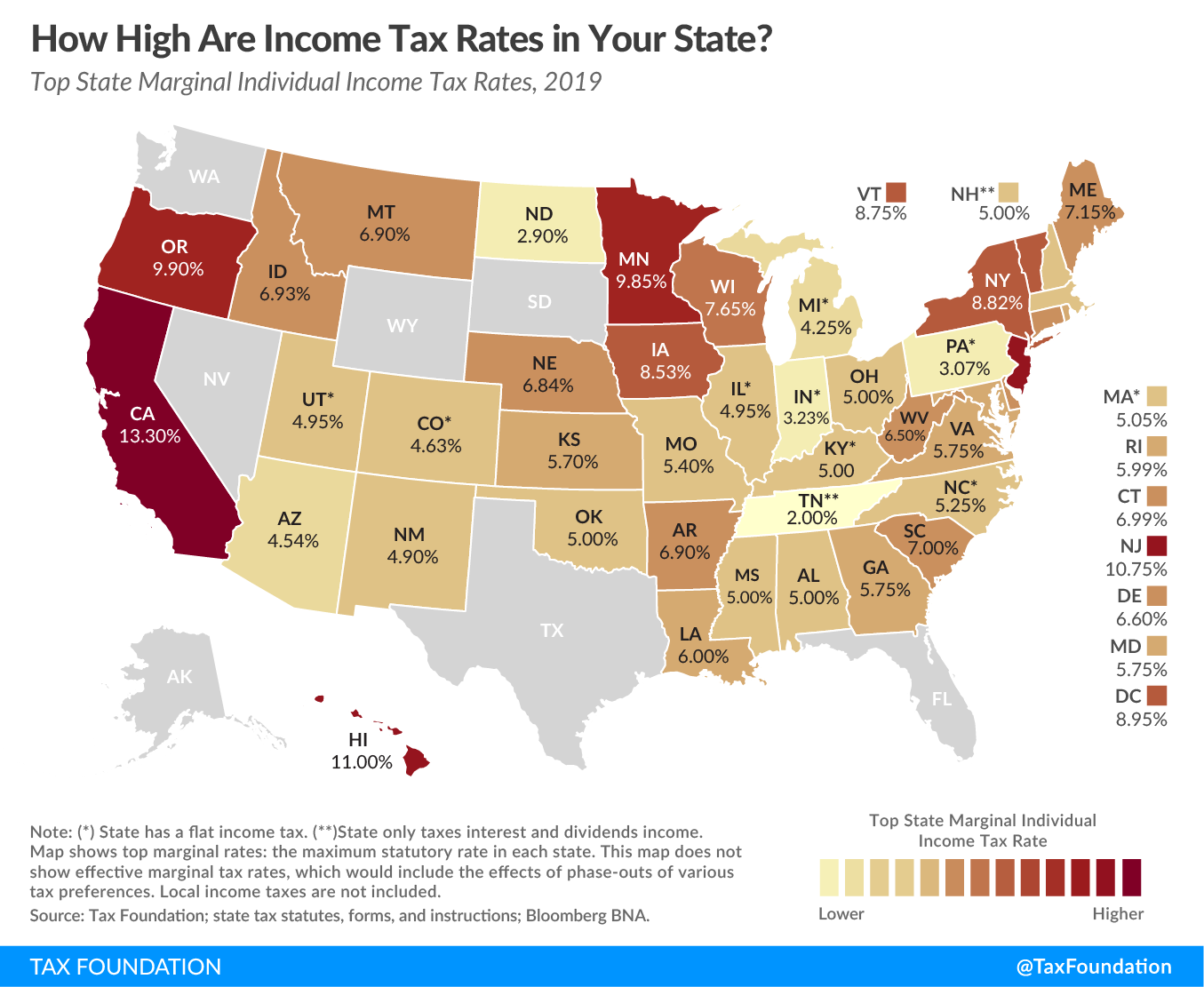
For anyone considering a move to Texas, planning a vacation, or simply curious about the financial landscape of the Lone Star State, one of the most frequently asked questions revolves around its tax system: “Is there any state tax in Texas?” The straightforward answer regarding personal income is a resounding no – Texas is one of a handful of U.S. states that does not levy a state income tax on individuals. This unique aspect profoundly influences everything from the overall cost of living and business operations to the attractiveness of the state as a premier travel destination.
While the absence of a state income tax is a significant draw, it’s crucial to understand that “state tax” encompasses more than just income. Like all states, Texas relies on a diverse set of taxes to fund its public services, infrastructure, and various state-sponsored initiatives, many of which directly benefit its thriving tourism industry. For travelers, understanding these taxes – particularly sales tax and hotel occupancy tax – is key to budgeting and maximizing their experiences, whether they’re exploring the historic streets of San Antonio, enjoying the vibrant music scene in Austin, or delving into the cosmopolitan culture of Houston and Dallas. This comprehensive guide will unpack Texas’s tax structure, detailing what visitors and residents can expect and how these policies shape the state’s travel, accommodation, and lifestyle offerings.
Unpacking Texas’s Tax Landscape for Travelers and Residents
The tax environment in Texas is distinct, largely defined by the absence of a state income tax. This fiscal approach has shaped the state’s economy, attracting businesses, fostering population growth, and influencing the cost of various goods and services that are central to travel and everyday life. Understanding these fundamental elements is essential for any visitor or prospective resident.
The Allure of No State Income Tax
The most significant tax-related factor distinguishing Texas from many other states is its lack of a state income tax for individuals. This means that residents keep more of their earnings, which can lead to higher disposable income compared to those in states with significant income tax burdens. This policy is a major magnet for new residents, retirees, and businesses looking to relocate or expand. For those considering a long-term stay or even digital nomads exploring the country, the lack of state income tax in Texas can represent considerable savings, impacting decisions on where to establish a base or invest in property.
From a lifestyle perspective, this tax advantage contributes to a perception of greater financial freedom. It can free up funds that might otherwise go to the state, allowing individuals and families to invest more in experiences, travel, or savings. This also plays a role in the state’s overall business-friendly climate, drawing in companies that create jobs and expand the array of services and amenities available, which in turn benefits the tourism sector. Entrepreneurs and those seeking new career opportunities often look to Texas due to its favorable economic policies, fostering growth in diverse sectors from technology in Austin to energy in Houston and finance in Dallas.
Sales Tax: A Key Revenue Stream
While you won’t pay state income tax, sales tax is an unavoidable part of spending in Texas. This is the primary way the state generates revenue, accounting for a significant portion of its budget. The statewide sales tax rate is 6.25%, but local jurisdictions – including cities, counties, and special purpose districts – can add their own sales taxes, bringing the combined rate up to a maximum of 8.25%. This means that when you purchase goods, dine out, or pay for certain services across the state, you’ll encounter sales tax.
For travelers, sales tax applies to most retail purchases, from souvenirs bought in the Historic Stockyards District in Fort Worth to clothing, electronics, and even many prepared food items. Dining at a trendy restaurant in Uptown Dallas or grabbing a quick meal at a roadside diner will incur sales tax on your bill. Understanding this is crucial for budgeting, as it adds an extra percentage to nearly every transaction. This revenue is vital for the state, helping to fund everything from public education and healthcare to various state services that indirectly support tourism, such as road maintenance and public safety.
Property Taxes: A Local Focus
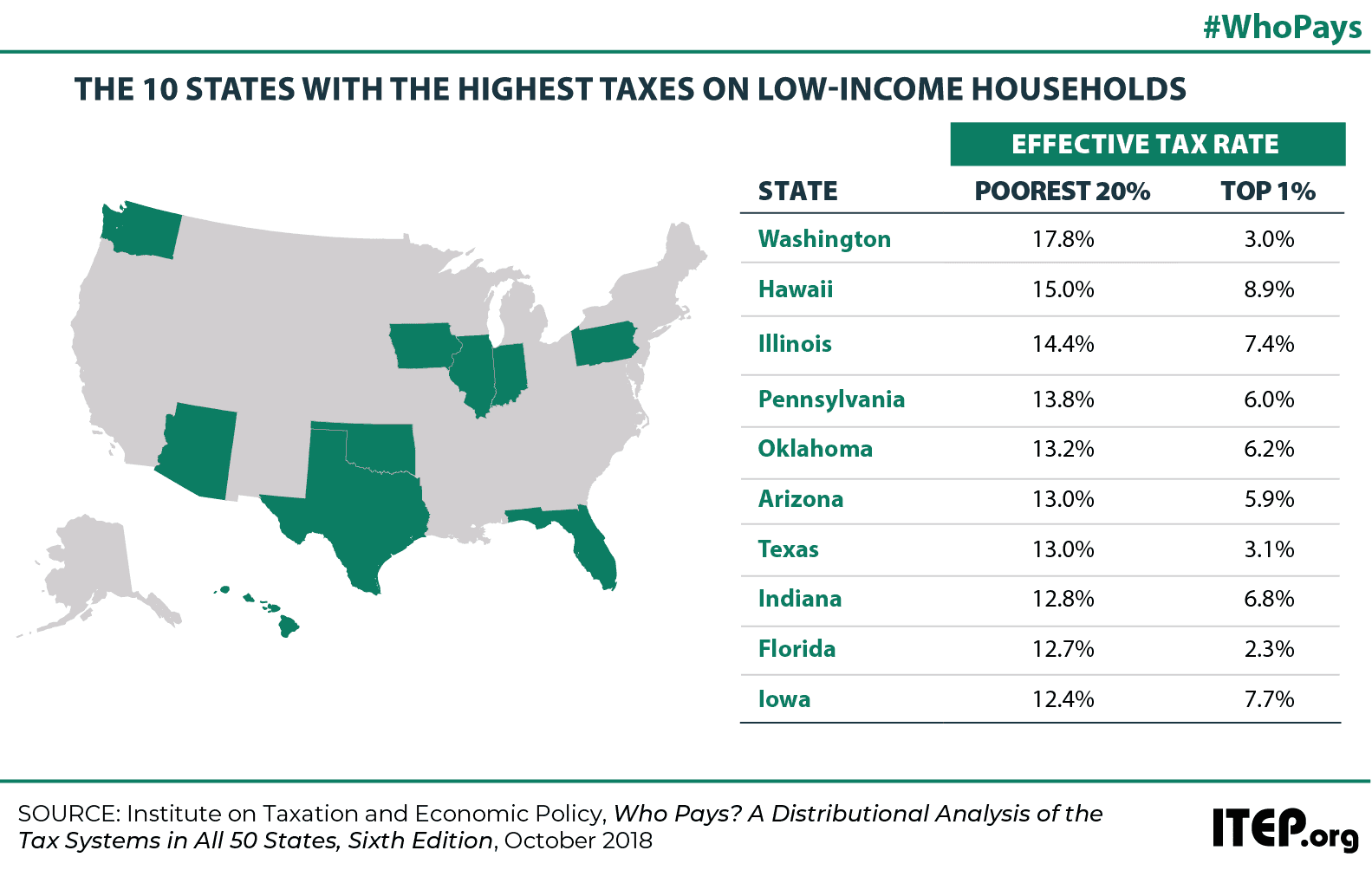
Texas is known for its relatively high property taxes, which largely compensate for the lack of a state income tax. However, it’s important to note that these taxes are primarily assessed and collected at the local level by various entities such as counties, cities, school districts, and special utility districts, rather than by the state government directly. While there’s a small statewide property tax for certain purposes, the bulk of the burden falls locally.
For the average traveler, property taxes won’t directly impact their daily spending in the same way sales or hotel taxes do. However, for those considering long-term accommodation, vacation home purchases, or investment in rental properties, property taxes become a significant financial consideration. They influence the overall cost of owning a home or operating an accommodation business, which can indirectly affect rental prices and the availability of certain types of lodging. High property taxes mean local governments have substantial funds to invest in local infrastructure, parks (like Klyde Warren Park in Dallas), and local amenities, enhancing the appeal of communities for both residents and visitors alike.
Navigating Taxes While Exploring the Lone Star State
Exploring Texas is an adventure, whether you’re chasing thrills at a theme park, soaking in history at The Alamo, or relaxing on South Padre Island. While the “no state income tax” headline often grabs attention, travelers will primarily encounter sales tax and the ubiquitous Hotel Occupancy Tax (HOT). Knowing how these apply to your travel plans is essential for accurate budgeting and an enjoyable, surprise-free trip.
Hotel Occupancy Tax: A Traveler’s Primary Tax Encounter
Perhaps the most direct tax impact on travelers in Texas comes in the form of the Hotel Occupancy Tax (HOT). This tax is levied on guests staying in hotels, motels, bed and breakfasts, and other lodging establishments. The state imposes a HOT of 6% of the room rate. However, cities and counties can also add their own local HOT rates, significantly increasing the total percentage. For instance, many major cities like Houston, Dallas, Austin, and San Antonio have combined state and local HOT rates that can reach upwards of 15% to 17%.
This means that if you book a suite at The Post Oak Hotel at Uptown Houston or a historic room at The Driskill, a Hyatt Hotel in Austin, your final bill will include this additional tax on top of the advertised room rate. The revenue generated from the Hotel Occupancy Tax is specifically earmarked to promote tourism and convention activities. It helps fund convention centers like the George R. Brown Convention Center in Houston and the Kay Bailey Hutchison Convention Center in Dallas, supports local tourism bureaus (such as Visit San Antonio), and contributes to marketing efforts that attract visitors to the state’s diverse destinations. For guests at luxury resorts like the JW Marriott San Antonio Hill Country Resort & Spa or boutique hotels like Hotel Drover, Autograph Collection in Fort Worth, understanding this tax is crucial for accurate budget planning for accommodation.
Dining and Entertainment: Sales Tax Considerations
From savoring authentic Texas BBQ at Franklin Barbecue to catching a live music show during South by Southwest in Austin, sales tax will be a consistent companion. Restaurants, cafes, and bars apply sales tax to all food and beverage purchases. Similarly, tickets for concerts, sporting events, museums like the Museum of Fine Arts, Houston, or attractions such as Space Center Houston and the Dallas World Aquarium are subject to sales tax.
This also extends to many services you might use while traveling, such as tours, spa treatments at a resort like Four Seasons Hotel Austin, and even haircuts. The combined state and local sales tax can range from 6.25% to 8.25% depending on your exact location within the state. When planning your daily itinerary and allocating funds for food, activities, and souvenirs, it’s wise to factor in this additional percentage to avoid any budgetary surprises. For example, a visit to Schlitterbahn Waterpark in Galveston will involve sales tax on admission, food, and gift shop purchases.
Rental Cars and Transportation
Getting around Texas often involves renting a car, especially when exploring sprawling cities or heading out to national treasures like Big Bend National Park. Rental car agencies apply sales tax to the rental fee, just as they would to any other tangible personal property. Additionally, many cities or regions may impose specific surcharges or fees on car rentals that are separate from sales tax. These can vary by location, so it’s always a good idea to review the full breakdown of charges when booking from major hubs like Dallas/Fort Worth International Airport or George Bush Intercontinental Airport.
Furthermore, while not a direct sales tax, fuel purchases are subject to excise taxes, which are built into the price you pay at the pump. These fuel taxes contribute significantly to the funding of state road and highway maintenance, which directly impacts the quality of your travel experience across the vast Texas landscape. Public transportation options, where available, like bus or rail fares, generally don’t have sales tax added to the ticket price, but any purchases made at stations or onboard may. When utilizing rideshare services, the sales tax typically applies to the service fee, not the base fare.
The Economic Impact of Texas’s Tax Policies on Tourism and Lifestyle
Texas’s distinct tax policies, particularly the absence of a state income tax and its reliance on sales and property taxes, create a unique economic environment that profoundly impacts its tourism industry and the overall lifestyle for residents. This financial framework isn’t just about what you pay; it’s about how the state operates, what opportunities it fosters, and how it promotes itself as a premier destination for both leisure and business.
Fueling Tourism Infrastructure and Promotion
The revenue generated from sales tax, and especially the Hotel Occupancy Tax (HOT), plays a critical role in supporting and expanding Texas’s tourism infrastructure. These funds are specifically allocated to a range of initiatives that directly enhance the visitor experience and attract more tourists. For instance, HOT revenues contribute to the maintenance and expansion of state-of-the-art convention centers in major cities, which are crucial for attracting large-scale conferences and events that bring in thousands of visitors and boost local economies.
Beyond convention centers, these tax dollars help fund destination marketing organizations like Travel Texas, which promotes the state’s diverse attractions nationally and internationally. They support the upkeep of iconic landmarks such as the State Capitol Building in Austin and the San Antonio Missions National Historical Park, ensuring these historical sites remain pristine and accessible. Furthermore, tax revenues aid in developing and maintaining state parks under the Texas Parks and Wildlife Department, supporting cultural festivals like the Houston Livestock Show and Rodeo, and improving transportation links that make travel across the vast state more efficient for both tourists and locals. This continuous investment ensures that Texas remains competitive as a top-tier travel destination, offering world-class facilities and memorable experiences across its regions, from the urban centers to the serene Hill Country and the beautiful Gulf Coast.
Business-Friendly Environment: A Magnet for Investment
The absence of a state income tax, coupled with a generally favorable regulatory environment, makes Texas incredibly attractive for businesses. This “business-friendly” reputation draws in companies from various sectors, including technology, manufacturing, energy, and crucially, hospitality. When businesses choose to establish or expand in Texas, it leads to job growth, increased investment in infrastructure, and a wider array of services and amenities available to both residents and visitors.
For the travel and accommodation sectors, this translates into more choices for hotels, resorts, and unique stays. New luxury hotels like The Post Oak Hotel at Uptown Houston or boutique accommodations like Hotel Contessa on the River Walk in San Antonio are often driven by a robust economic climate and confidence in future growth. This competition among businesses generally leads to better quality services, more innovative offerings, and competitive pricing, which directly benefits travelers. A thriving business environment also supports a vibrant local culture, including diverse culinary scenes, entertainment venues, and shopping districts like The Galleria Houston and NorthPark Center, enriching the overall visitor experience.
Lifestyle and Cost of Living Implications
The overall tax structure of Texas significantly impacts the cost of living and lifestyle choices for residents, which in turn influences the travel market. While no state income tax offers considerable savings on earnings, these savings are partially offset by higher property taxes and sales taxes. For residents, this means that while their take-home pay might be higher, the cost of housing and daily purchases can be substantial, particularly in desirable urban areas.
For travelers, this translates into a unique blend of affordability and expense. On one hand, the absence of income tax contributes to a generally robust economy and competitive pricing for many services. On the other hand, the combination of sales tax and Hotel Occupancy Tax can add a noticeable amount to the final cost of a trip, especially for those indulging in luxury travel with stays at high-end resorts like Omni Dallas Hotel or frequent dining out.
However, the diverse landscape of Texas allows for various travel styles, from budget-friendly road trips exploring small towns and natural wonders to lavish city escapes. The economic growth fueled by the state’s tax policies ensures a wide range of accommodation options, from budget motels to expansive villas and apartment rentals suitable for long-term stays. For families, the appeal of keeping more income can mean more opportunities for family trips to attractions like the NASA Johnson Space Center or the State Fair of Texas. Ultimately, understanding this balance helps individuals make informed decisions about living, working, and traveling throughout the dynamic state of Texas.
Making the Most of Your Texas Experience: Tax-Smart Travel Tips
Navigating the tax landscape of Texas doesn’t have to be complicated, and with a few smart strategies, you can ensure your trip is both enjoyable and financially predictable. While the “no state income tax” aspect is certainly appealing, being aware of sales tax and Hotel Occupancy Tax (HOT) will empower you to budget effectively and enhance your overall travel experience in the Lone Star State.
First and foremost, always factor in sales tax when budgeting for purchases and dining. Remember that the combined state and local sales tax can be anywhere from 6.25% to 8.25%, depending on the city or county you’re in. When browsing menus or looking at prices for souvenirs, apparel, or tickets to attractions like the Sixth Floor Museum at Dealey Plaza, add an estimated 8% to the sticker price to get a more accurate idea of the final cost. This small adjustment can prevent minor surprises at checkout, especially when making multiple purchases throughout your trip.
For accommodation, pay close attention to the total cost of your hotel stay, not just the nightly rate. The Hotel Occupancy Tax (HOT) can add a significant percentage – often between 15% and 17% in major cities – to your bill. When booking through platforms for hotels, resorts, or apartments, ensure you view the detailed breakdown of costs to see the exact amount of taxes and fees applied. This transparency is crucial for booking and comparing different options, whether you’re considering a stay at a vibrant Zaza Dallas or a cozy bed and breakfast in the Hill Country. If you’re planning a long-term stay, researching the specific local HOT rates can be particularly beneficial, as they might vary even within a short driving distance.
While general tourist activities and purchases typically don’t qualify for tax exemptions, be aware of any specific scenarios where exemptions might apply. For instance, some non-profit organizations or government entities may be exempt from sales tax on certain purchases. However, for the average leisure or business traveler, these exemptions are rare and generally not applicable to common expenditures like hotel stays, meals, or retail shopping. It’s always best to assume taxes will apply unless explicitly stated otherwise by a vendor or service provider.
Finally, plan your activities and transportation costs with taxes in mind. If you’re renting a car for a road trip through Texas, remember that sales tax applies to the rental fee, and fuel prices include excise taxes. Exploring alternative transportation options, where feasible, like walking the River Walk in San Antonio or using ride-shares for short distances, can sometimes help manage overall costs, though ride-share services often apply sales tax to their fees as well. Engaging with local tourism guides and visitor centers can also provide insights into budget-friendly activities and areas where your money might stretch further.
In summary, a little foresight regarding Texas’s sales and Hotel Occupancy Taxes will ensure your travel experience is smooth and enjoyable. Embrace the unique aspects of the state’s economy, and you’ll be well-prepared to soak in all the diverse culture, history, and adventure that Texas has to offer.

Conclusion
In conclusion, the question “Is there any state tax in Texas?” is best answered with a nuanced understanding of its fiscal policies. While individuals will rejoice in the absence of a state income tax, it’s equally important to acknowledge the presence of other significant taxes that contribute to the state’s robust economy and vibrant public services. Sales tax, with combined state and local rates reaching up to 8.25%, and the Hotel Occupancy Tax (HOT), which can add 15-17% to your lodging bill in major cities, are the primary tax encounters for most visitors and consumers. Property taxes, though primarily local, also play a substantial role in the overall cost of living and investment in the state.
These taxes are not merely burdens; they are vital components that fuel Texas’s growth and appeal. The revenue generated directly supports the maintenance of world-class infrastructure, the promotion of Texas as a premier travel destination, and the development of local amenities that enrich both resident life and visitor experiences. From the bustling arts scene in Austin to the historical depth of San Antonio and the urban sophistication of Dallas and Houston, the tax structure indirectly contributes to the diverse and high-quality travel, accommodation, and lifestyle options available.
For travelers, understanding these taxes allows for better budgeting and a more informed journey through the Lone Star State. For those considering relocation or long-term stays, the absence of state income tax offers a compelling financial advantage, balanced by property and sales tax considerations. Whether you’re planning a luxury retreat at a five-star resort, a family adventure exploring Texas’s national parks, or a business trip, knowing the tax landscape empowers you to make the most of every moment. Texas truly offers a unique blend of economic opportunity and diverse experiences, making it an endlessly fascinating destination for all.