
When one thinks of the vast expanse of the Lone Star State, images of rolling plains, vast deserts, and perhaps the rugged coastline of the Gulf of Mexico often come to mind. The word “mountains” might not be the first thing that springs to the lips. However, to dismiss Texas as entirely flat would be a significant oversight. While Texas may not boast the towering, snow-capped peaks of the Rocky Mountains, it certainly possesses its own brand of mountainous terrain, offering a surprisingly diverse and captivating landscape for travelers seeking adventure and natural beauty. From the dramatic geological formations of the west to the rolling hills of the central region, Texas surprises with its elevated wonders.
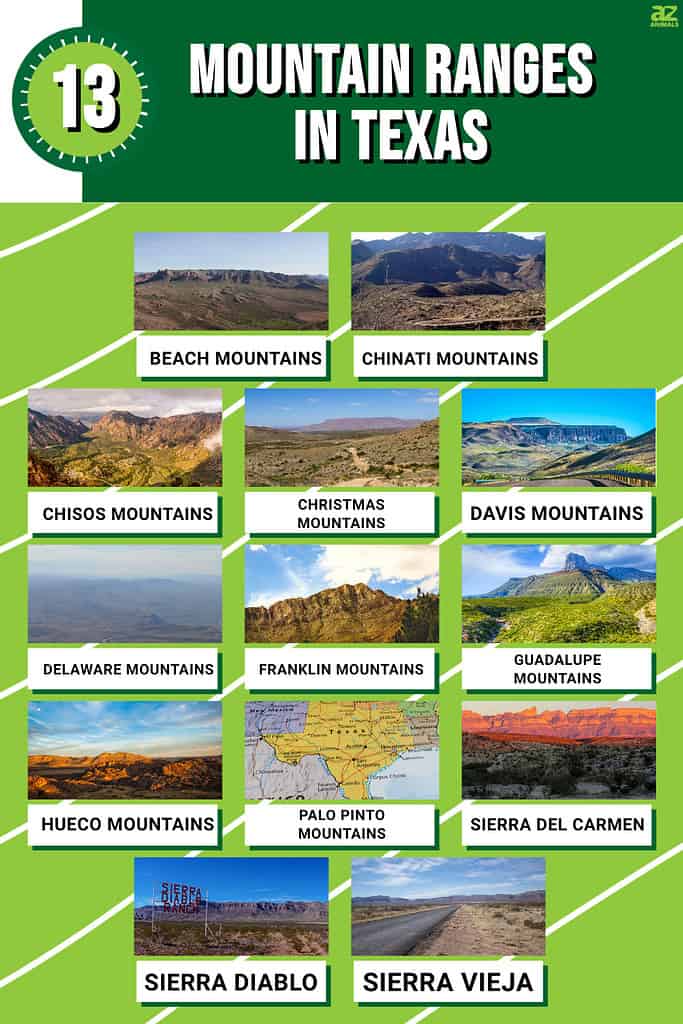
The question of whether Texas has mountains is a nuanced one, largely dependent on one’s definition. If one is expecting altitudes rivaling Mount Everest or the dramatic jagged edges of the Alps, then the answer might lean towards a polite “no.” However, if “mountains” are understood as significant elevated landforms, areas with steep slopes, considerable relief, and distinct geological character, then Texas absolutely delivers. The state’s topography is far from monolithic, showcasing a remarkable variety that caters to different expectations of what a mountain experience can be.
Unveiling Texas’s Elevated Wonders
The perception of Texas as flat is often rooted in the dominant imagery of its vast, open prairies and agricultural heartlands. Yet, venture westward, and the landscape begins to shift dramatically. The Trans-Pecos region, in particular, is where Texas truly asserts its mountainous credentials. This area, often described as the most geologically diverse and visually stunning part of the state, is a testament to the powerful forces of nature that have shaped North America.
The Majestic Peaks of West Texas
The Trans-Pecos region is characterized by a series of mountain ranges, fault-block mountains, and volcanic remnants that rise dramatically from the desert floor. These are not gentle, rounded hills, but rather rugged and imposing formations that offer challenging hikes, breathtaking vistas, and a sense of genuine wilderness. This is where the true mountain experience in Texas can be found.
Guadalupe Mountains National Park: A Texas Crown Jewel
At the forefront of Texas‘s mountainous landscape is Guadalupe Mountains National Park. This park is home to Guadalupe Peak, the highest natural point in Texas, soaring to an elevation of 8,751 feet. The Guadalupe Mountains themselves are a remnant of an ancient fossil reef from the Permian period, a geological marvel that offers a unique glimpse into prehistoric marine life. Hiking trails wind through canyons, ascend to breathtaking overlooks, and lead to the summit of Guadalupe Peak, a challenging but immensely rewarding trek. The park also features El Capitan, a prominent cliff face that is a landmark for travelers along U.S. Highway 180. The sheer scale and rugged beauty of the Guadalupe Mountains are a revelation for many who are unfamiliar with this corner of Texas.
Exploring the Trails and Vistas
The trails within Guadalupe Mountains National Park cater to a range of abilities. For a more accessible experience, the McKittrick Canyon trail offers stunning views of colorful foliage in the fall and showcases the unique desert flora. For those seeking a more strenuous challenge, the Devil’s Hall Trail leads through a narrow, rocky canyon with towering walls. The ultimate prize, however, is the ascent to Guadalupe Peak. This strenuous hike, approximately 8.4 miles roundtrip, takes you through diverse ecosystems and rewards you with panoramic views of the surrounding desert, mountains, and even into New Mexico. The sense of accomplishment and the sheer grandeur of the landscape from the summit are unforgettable. Beyond the hiking, the park offers opportunities for stargazing, with its remote location and dark skies providing an exceptional celestial display. Camping is available, allowing visitors to immerse themselves in the tranquility of this elevated wilderness.
Big Bend Ranch State Park: Wilderness and Rugged Beauty
Adjacent to Big Bend National Park, Big Bend Ranch State Park is Texas‘s largest state park and offers an even more rugged and remote mountainous experience. This vast expanse of desert, mountains, and canyons is a haven for those seeking solitude and a true immersion in the wild. The park’s mountains, including the Chinati Mountains and Bofecillos Mountains, are characterized by their dramatic escarpments, deep canyons, and a stark, untamed beauty. Hiking, backpacking, and backcountry camping are popular activities here, allowing adventurers to explore the park’s extensive network of trails and discover hidden springs and ancient rock art.
Adventures in the High Desert
Big Bend Ranch State Park is a destination for the truly adventurous. Unlike the more developed trails in Guadalupe Mountains National Park, many of the routes here are primitive and require advanced planning and self-sufficiency. The River Road, a 73-mile primitive dirt road, offers access to some of the park’s most remote areas and is best tackled with a high-clearance four-wheel-drive vehicle. Along this road, visitors can access trailheads leading into the heart of the mountains, where they can explore canyons like Riada Canyon and Green Gulch. For serious hikers and backpackers, the park offers multi-day treks that traverse challenging terrain and lead to remote springs and breathtaking overlooks. The lack of crowds and the sheer wildness of Big Bend Ranch State Park make it an unparalleled destination for experiencing the raw power and beauty of Texas‘s mountains.
Davis Mountains State Park: Scenic Drives and Observatories
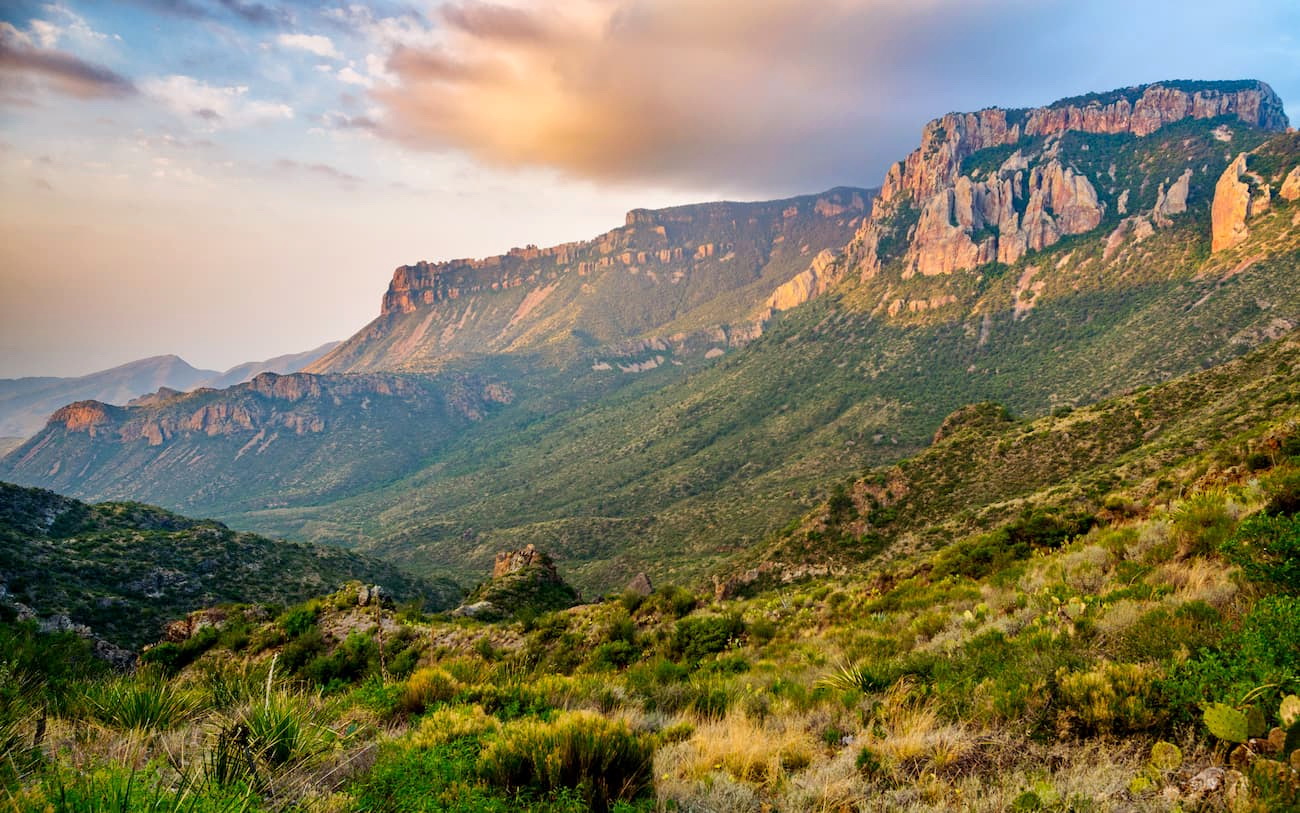
The Davis Mountains form another significant mountain range in West Texas, offering a different, though equally captivating, mountainous landscape. Davis Mountains State Park is a gateway to this region, providing opportunities for hiking, camping, and scenic drives. The park’s elevations reach over 5,000 feet, creating a cooler climate and a distinct ecosystem compared to the surrounding desert. The Skyline Drive within the park offers stunning panoramic views of the Davis Mountains, with its winding road and numerous overlooks.
A Celestial Playground
The Davis Mountains are also renowned for their clear, dark skies, making them an ideal location for astronomical observation. The McDonald Observatory, operated by the University of Texas at Austin, is situated on Mount Locke and Mount Fowlkes within the Davis Mountains. While not directly accessible for casual hiking, the observatory offers public tours and star parties, allowing visitors to experience the wonder of the cosmos from this elevated vantage point. The Davis Mountains Scenic Loop, a popular driving route, showcases the beauty of the region, with vistas of mesas, mountains, and vast open spaces. Lodging options range from comfortable park cabins to unique accommodations like the historic Indian Lodge, a pueblo-style structure built by the Civilian Conservation Corps, nestled within the park.
Beyond the High Peaks: Rolling Hills and Enchanted Lands
While the Trans-Pecos region hosts the state’s most dramatic mountain ranges, it’s important to acknowledge that Texas‘s elevated terrain extends beyond this rugged frontier. The central and western parts of the state feature significant hill country and elevated plateaus that, while not always fitting the strict definition of “mountains,” offer a compelling landscape of rolling topography, significant relief, and a unique sense of elevation.
The Texas Hill Country: A Different Kind of Elevation
The Texas Hill Country, a picturesque region in Central Texas, is characterized by its rolling hills, clear rivers, and charming small towns. While not as dramatically steep as the Guadalupe Mountains, this region boasts considerable elevation changes and a unique geological character that sets it apart from the flatter plains. The Edwards Plateau, which forms the geological basis of the Hill Country, rises significantly above the surrounding coastal plains, creating a distinct upland environment.
Enchanted Rock State Natural Area: A Monolith of Granite
One of the most iconic landmarks within the Texas Hill Country is Enchanted Rock State Natural Area. This massive pink granite dome, rising 425 feet above the surrounding terrain, is a geological wonder and a popular destination for hikers and rock climbers. While not a mountain range in the traditional sense, Enchanted Rock‘s imposing presence and its summit offering 360-degree views make it a significant elevated landmark. The hike to the summit is relatively short but can be steep in places, offering a rewarding experience with stunning panoramic vistas of the Hill Country. The area is rich in history and folklore, adding to its mystique.
Palo Duro Canyon State Park: The Grand Canyon of Texas
Although often described as a canyon, Palo Duro Canyon State Park in the Texas Panhandle presents a dramatic elevation change and a landscape that rivals many mountainous regions in terms of visual impact and geological significance. It is the second-largest canyon in the United States, carved by the Palo Duro Creek and the Red River. The canyon’s floor is hundreds of feet below the rim, with towering mesas, colorful rock formations, and dramatic cliffs. Hiking and biking trails descend into the canyon, allowing visitors to explore its geological wonders up close. The striking geological features and the sheer scale of the canyon make it a compelling argument for its inclusion in any discussion of Texas‘s elevated landscapes.
Planning Your Texas Mountain Adventure
For those inspired to explore the mountainous terrain of Texas, careful planning is essential. Whether you’re seeking the challenging ascents of West Texas or the scenic beauty of the Hill Country, understanding the conditions and preparing accordingly will enhance your experience.

Accommodations and Travel Tips
The types of accommodations available vary significantly depending on the region. In West Texas, particularly near Guadalupe Mountains National Park and Big Bend Ranch State Park, lodging options are more limited and can include park lodges, campgrounds, and rental cabins in nearby towns like Salt Flat or Terlingua. Booking well in advance is highly recommended, especially during peak seasons. For a more resort-like experience in the Hill Country, towns like Fredericksburg offer a wide range of hotels, bed and breakfasts, and vacation rentals.
When traveling to these elevated regions, it’s crucial to be prepared for changing weather conditions. Temperatures can fluctuate significantly, especially at higher elevations. Always carry plenty of water, wear appropriate hiking gear, and inform someone of your hiking plans. The remoteness of some of these areas means that cell service can be spotty, so having a map and compass is advisable. For a truly immersive experience, consider packing for camping and spending a night under the vast, starry skies of West Texas.
In conclusion, while Texas may not be synonymous with towering mountain ranges in the same vein as some other states, it offers a rich and diverse mountainous experience. From the dramatic peaks of the Guadalupe Mountains to the rugged beauty of Big Bend Ranch State Park and the unique geological formations of the Texas Hill Country, the Lone Star State holds more elevated wonders than many might imagine, providing ample opportunities for exploration, adventure, and a deeper appreciation of its multifaceted natural landscape.
LifeOutOfTheBox is a participant in the Amazon Services LLC Associates Program, an affiliate advertising program designed to provide a means for sites to earn advertising fees by advertising and linking to Amazon.com. Amazon, the Amazon logo, AmazonSupply, and the AmazonSupply logo are trademarks of Amazon.com, Inc. or its affiliates. As an Amazon Associate we earn affiliate commissions from qualifying purchases.