
For anyone planning a visit to the Sunshine State or considering a permanent move, one of the fundamental questions that often arises concerning everyday expenses is: “Is there sales tax in Florida?” The answer is unequivocally yes. Like many states within the United States, Florida implements a sales tax on a broad range of goods and services, a factor that significantly influences everything from the cost of a souvenir to the total bill for a multi-night stay at a luxury resort. Understanding this tax system is crucial for travelers looking to budget for their dream vacation and for residents navigating daily life and significant purchases.
Florida’s sales tax structure is designed to generate revenue for the state and local municipalities, funding essential public services and infrastructure. For tourists, this means that the sticker price on items or the advertised rate for experiences might not be the final amount paid. From the moment you land at Orlando International Airport and rent a car, to enjoying a meal in Miami Beach, or purchasing tickets to Walt Disney World Resort, sales tax will be an integral part of your financial outlay. This comprehensive guide will delve into the specifics of Florida’s sales tax, detailing what it applies to, common exemptions, and practical tips for visitors and residents alike to navigate this aspect of life in the Sunshine State.
Understanding Florida’s Sales Tax System
The sales tax system in Florida is relatively straightforward compared to some other states, yet it has nuances that are important to grasp. It primarily consists of a statewide general sales tax rate, which is then often supplemented by local option sales surtaxes at the county level. This combination determines the total sales tax percentage applied to taxable transactions in specific areas.
The General Sales Tax Rate
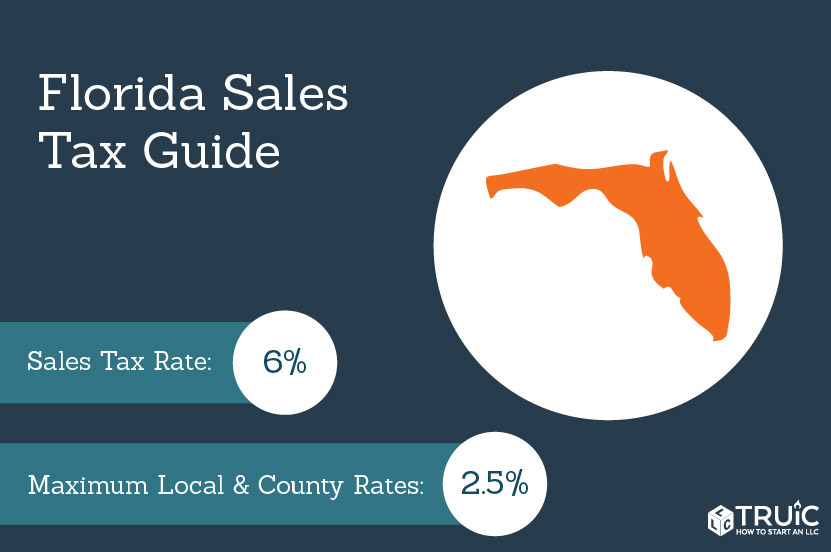
At the heart of Florida’s sales tax framework is a statewide general sales tax rate of 6%. This rate applies uniformly across all 67 counties in Florida on the sale, rental, lease, or license to use tangible personal property, and certain services. Tangible personal property generally refers to items you can see, touch, or possess, such as electronics, clothing, furniture, and vehicles. This 6% forms the baseline for nearly all taxable transactions, affecting everything from your morning coffee to a new surfboard for enjoying the waves on the Gulf of Mexico or the Atlantic Ocean.
For visitors, this means that if you buy a souvenir t-shirt for $20, you’ll pay an additional $1.20 in statewide sales tax, plus any applicable local surtax. Understanding this baseline is essential for anyone planning a budget-friendly trip or a luxurious getaway, as it impacts the true cost of retail therapy, dining, and other purchases that contribute to a memorable Florida experience.
Local Option Sales Surtaxes
Beyond the statewide 6%, many counties in Florida impose an additional “local option sales surtax,” often referred to as a discretionary sales surtax. These surtaxes are voted on by residents within each county and are typically used to fund local infrastructure projects, public services, or schools. The rates of these surtaxes vary significantly from county to county, ranging from 0.5% to as much as 2.5%.
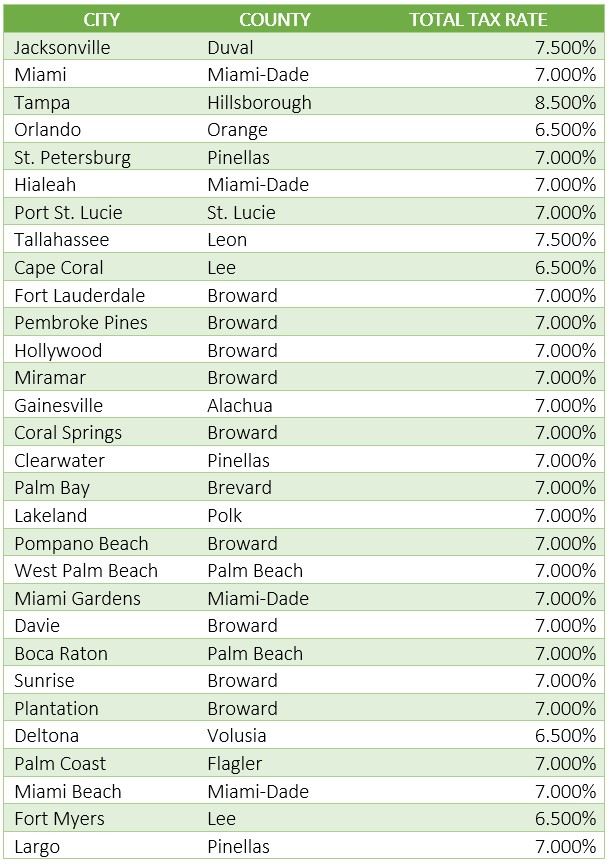
This means that while the statewide sales tax is constant, the total sales tax rate you pay will depend on the specific county where the transaction occurs. For example, popular tourist destinations like Miami-Dade County (home to Miami and Miami Beach) and Orange County (where much of Orlando’s theme park magic happens) have their own local surtaxes, bringing the effective total sales tax rate higher than the base 6%.
For instance:
- In a county with a 0.5% surtax, the total sales tax rate would be 6% + 0.5% = 6.5%.
- In a county with a 1.5% surtax, the total sales tax rate would be 6% + 1.5% = 7.5%.
It’s vital for travelers moving between different parts of the state to be aware of these variations. A shopping spree in Tampa might incur a slightly different total tax percentage than one in Jacksonville, impacting your overall travel budget. The Florida Department of Revenue provides detailed information on current sales tax rates by county, which can be a valuable resource for planning.
What Goods and Services Are Taxed?
Florida’s sales tax applies to a broad spectrum of transactions, encompassing most tangible personal property and specific services. Understanding what falls under this umbrella is key to anticipating costs.
Common taxable items include:
- Retail Purchases: Clothing, electronics, souvenirs, furniture, books, sporting goods, toys, and most other items bought from stores.
- Prepared Food and Restaurant Meals: When you dine out at a restaurant, cafe, or food truck, the entire bill, including beverages (alcoholic and non-alcoholic), is subject to sales tax. This also applies to prepared foods purchased for takeout from grocery stores or delis.
- Admissions and Entertainment: Tickets to theme parks like Universal Orlando Resort, Busch Gardens Tampa Bay, or SeaWorld Orlando, museums (e.g., Museum of Science & Industry (MOSI) in Tampa), concerts, sporting events, movie theaters, and other entertainment venues are subject to sales tax.
- Rental of Tangible Personal Property: This includes car rentals, boat rentals, jet ski rentals, and even the rental of equipment like bicycles or paddleboards often enjoyed by tourists exploring destinations like Key West or Sarasota.
- Certain Services: While most services are generally exempt from sales tax, some specific services are taxable. These typically relate to real property services, such as pest control, nonresidential cleaning, and security services. However, personal services like haircuts, medical treatments, or legal advice are generally not taxed.
For tourists, this means nearly every aspect of their vacation experience, from dining to entertainment and souvenirs, will have sales tax applied. For residents, it’s a daily consideration for most retail purchases and leisure activities.
Sales Tax and the Florida Traveler
For those visiting Florida, understanding how sales tax impacts travel expenses is paramount for effective budgeting and avoiding unwelcome surprises. From where you stay to what you eat and the attractions you visit, sales tax will be a consistent factor.
Accommodation and Lodging Taxes
One of the most significant impacts of sales tax on travelers relates to accommodation. When you book a hotel room, a suite, a resort stay, a vacation apartment, or a villa, you’re not just paying the advertised room rate. In Florida, lodging is subject to the standard statewide sales tax of 6% plus any applicable local option sales surtax.
However, there’s an additional tax factor for lodging: the Tourist Development Tax (TDT), also known as the “bed tax” or “resort tax.” This tax is levied by individual counties and is collected on all short-term rentals (typically six months or less), including hotels, motels, vacation rentals, and even private homes rented through platforms. The TDT rate varies by county, often ranging from 2% to 6%, and is applied on top of the sales tax.
For example, a hotel room in Orange County (part of the Orlando area) might incur:
- 6% statewide sales tax
- 0.5% local option sales surtax (for Orange County)
- 6% Tourist Development Tax (for Orange County)
- Total combined tax: 12.5% on your room rate.
This can significantly increase the total cost of your stay, especially for longer trips or bookings at higher-end hotels or resorts. It’s crucial when booking to clarify if taxes are included in the quoted price or if they will be added on separately, a common practice. This layered taxation is a key component of Florida’s tourism funding, helping to maintain infrastructure and promote the state’s vibrant attractions and destinations.
Dining Out and Food Purchases
Food and dining are central to any travel experience, and Florida’s sales tax policies distinguish between different types of food purchases. As mentioned, prepared meals and restaurant food are always subject to the combined state and local sales tax. This means that a gourmet meal in Naples, fresh seafood in the Florida Keys, or a quick snack at Disney Springs or Universal CityWalk will have tax added to the bill.
However, the good news for budget-conscious travelers and residents is that most unprepared food items purchased for home consumption from grocery stores are exempt from sales tax. This includes fresh produce, meats, dairy products, packaged goods, and other staples you’d buy to cook yourself. This exemption can make a significant difference for families staying in vacation rentals with kitchen facilities or for long-term visitors, allowing them to save on food costs by preparing some of their own meals. Items like hot deli sandwiches, rotisserie chickens, or salads from a salad bar are usually considered prepared food and are therefore taxable.
Attractions, Activities, and Retail Therapy
Florida is renowned for its world-class attractions, from the magical realms of Epcot and Magic Kingdom to the thrilling rides at Universal Studios Florida and Islands of Adventure. Admission tickets to these and other popular sites like the Kennedy Space Center Visitor Complex, aquariums, zoos, and cultural landmarks such as Castillo de San Marcos in St. Augustine, are all subject to the standard sales tax rates.
Beyond entry fees, any purchases made within these attractions – souvenirs, merchandise, snacks, drinks – will also have sales tax applied. The same goes for retail therapy in Florida’s numerous shopping malls, outlets, and boutique stores. From high-fashion items in South Beach to artisanal crafts in St. Augustine, the combined state and local sales tax will be added to your purchase. This extends to other activities as well, such as deep-sea fishing charters, airboat rides through the Everglades, or tickets for a cruise from Fort Lauderdale.
Rental Cars and Transportation
For many travelers, a rental car is essential for exploring Florida’s diverse destinations, from the theme parks of Orlando to the tranquil beaches of Clearwater Beach or Siesta Key Beach. Rental cars are subject to the statewide 6% sales tax plus any applicable local surtax. However, there are additional fees and taxes specifically targeting rental vehicles in Florida.
These can include:
- A daily rental car surcharge: A flat fee per day on most short-term rentals.
- Vehicle license recovery fees: Fees that car rental companies pass on to cover their vehicle registration costs.
- Airport concession fees: If renting from an airport location, there’s often an additional percentage fee that goes to the airport authority.
While not all of these are “sales tax” in the traditional sense, they significantly contribute to the overall cost of renting a vehicle and should be factored into any travel budget. Always review the detailed breakdown of charges when booking a rental car to understand the full financial commitment.
Exemptions and Special Considerations
While sales tax is widespread in Florida, certain items and services are exempt, and the state occasionally offers sales tax holidays. These exemptions can provide some relief and savings for both residents and visitors.
Common Tax-Exempt Items
The most significant exemption for everyday living and budget travel is unprepared food purchased from grocery stores. This distinction is crucial for understanding how to save money on food expenses. If you’re staying in an accommodation with a kitchen, buying groceries to cook your own meals can lead to substantial savings compared to dining out for every meal.
Other common exemptions include:
- Prescription Medicines: Both prescription drugs and certain over-the-counter medicines (when prescribed by a doctor) are exempt from sales tax.
- Medical Services: Services provided by doctors, hospitals, and other healthcare professionals are generally not subject to sales tax.
- Educational Materials: Textbooks and certain other educational materials may be exempt.
- Services (generally): Most personal and professional services (e.g., legal services, accounting, cleaning services for residential properties, haircuts) are not subject to sales tax. The tax generally applies to services related to tangible personal property or specific real property services.
- Periodicals and Newspapers: These are typically exempt.
Knowing these exemptions can help residents manage their household budgets and enable tourists to make more informed purchasing decisions during their stay in Florida.
Sales Tax Holidays
To provide economic relief and stimulate specific types of purchases, the Florida Legislature occasionally enacts sales tax holidays. During these specified periods, certain categories of items become exempt from sales tax. The two most common types of sales tax holidays are:
- Back-to-School Sales Tax Holiday: Typically held in late July or early August, this holiday exempts sales tax on specific school supplies, clothing, and sometimes even computers or related accessories. This is a significant benefit for families with children preparing for the academic year.
- Disaster Preparedness Sales Tax Holiday: Usually occurring in late spring or early summer, this holiday exempts sales tax on items crucial for hurricane preparedness, such as batteries, flashlights, generators, tarps, and other emergency supplies. Given Florida’s susceptibility to hurricanes, this holiday is a vital initiative for residents.
These sales tax holidays offer a valuable opportunity for savings. While primarily aimed at residents, visitors who happen to be in the state during these times can also take advantage of the exemptions on eligible purchases. Always check the official Florida Department of Revenue website for the exact dates and eligible items for any current or upcoming sales tax holidays.
Practical Tips for Navigating Florida Sales Tax
Understanding Florida’s sales tax is more than just knowing the rates; it’s about practical application to ensure a smooth and budget-friendly travel experience or a well-managed lifestyle for residents.
Budgeting for Your Florida Trip
For travelers, incorporating sales tax into your vacation budget is essential. Here are some tips:
- Account for All Taxes on Lodging: Remember that your hotel or vacation rental bill will include not only the room rate but also the state sales tax, local option surtax, and the Tourist Development Tax. These combined taxes can easily add 10-14% or more to your nightly rate. Always ask for the total price including all taxes when booking.
- Estimate Dining Costs: Factor in the sales tax when planning your dining budget. If a meal costs $50, expect to pay closer to $53-$54 after tax, before tip.
- Don’t Forget About Attractions and Shopping: Admission tickets, souvenirs, and any retail purchases will also have sales tax added. A $100 souvenir purchase could cost $106-$108.
- Consider Groceries for Savings: If your accommodation has a kitchen, utilize it! Buying tax-exempt groceries can significantly reduce your food expenses, allowing you to allocate more of your budget to experiences.
- Research County Rates: Before you embark on extensive shopping or dining in a new region, quickly check the local sales surtax rate for that county. This can help you anticipate slight variations in costs. For instance, a shopping trip to Orlando (in Orange County) will have a different total sales tax than one in Fort Lauderdale (in Broward County).
By proactively factoring in these taxes, you can create a more realistic travel budget, preventing any unexpected financial strains and ensuring a more enjoyable trip to Florida. This applies whether you’re planning a luxury travel experience or a budget travel adventure.
Keeping Up-to-Date on Tax Changes
Tax laws, including sales tax rates and exemptions, can change. The Florida Legislature may introduce new laws, or counties might adjust their local option sales surtaxes or Tourist Development Tax rates. For the most accurate and current information, it is always best to consult official sources:
- Florida Department of Revenue (DOR): The DOR website is the definitive source for all Florida tax information, including current sales tax rates by county, detailed lists of taxable and exempt items, and information on sales tax holidays.
- Local County Tax Collector Websites: For specific details on local option surtaxes and Tourist Development Taxes, the websites of individual county tax collectors or tourism boards can provide granular information relevant to your specific destination.
Staying informed, especially for those considering long-term stays or permanent relocation, ensures compliance and helps in accurate financial planning. Even for short-term visitors, a quick check before a trip can ensure you’re working with the most current figures.
In conclusion, yes, there is sales tax in Florida, and it’s a multi-faceted system that impacts nearly every financial transaction for both visitors and residents. With a statewide base rate of 6% supplemented by varying local surtaxes and specific tourism-related taxes on lodging, understanding these components is essential for effective budgeting and a smooth experience in the Sunshine State. By familiarizing yourself with what’s taxed, what’s exempt, and where to find the most current information, you can confidently navigate the financial landscape of Florida and fully enjoy its countless attractions, vibrant cities, and beautiful landscapes.
LifeOutOfTheBox is a participant in the Amazon Services LLC Associates Program, an affiliate advertising program designed to provide a means for sites to earn advertising fees by advertising and linking to Amazon.com. Amazon, the Amazon logo, AmazonSupply, and the AmazonSupply logo are trademarks of Amazon.com, Inc. or its affiliates. As an Amazon Associate we earn affiliate commissions from qualifying purchases.