
When planning your adventures and accommodations across the United States, understanding local taxation is a crucial step in budgeting and avoiding surprises. For many travelers, particularly those exploring states like Montana, a common question arises: “Is there sales tax in Montana?” The answer, refreshingly for many, is a resounding no. Montana stands out as one of a handful of states that do not impose a statewide sales tax on goods and services. This distinctive fiscal policy significantly impacts the cost of travel, shopping, and dining for visitors and residents alike, making the Treasure State an attractive destination for a variety of lifestyles.
This absence of a general sales tax is a key factor influencing tourism and economic development within Montana. It allows travelers to stretch their budgets further, whether they are indulging in the luxury of a mountain resort, exploring the rugged beauty of Glacier National Park, or simply enjoying a meal at a local diner in Bozeman. The savings can be substantial, especially for those making significant purchases or enjoying extended stays. This article will delve into the implications of Montana‘s tax-free status, exploring how it benefits travelers and influences the overall experience of visiting and living in this unique American state.
Understanding Montana’s Tax Landscape
Montana‘s decision to forgo a statewide sales tax is not a recent development; it’s a long-standing characteristic of its fiscal structure. This policy is often cited as a significant draw for consumers and businesses alike. While many states rely heavily on sales tax revenue to fund public services, Montana adopts a different approach, prioritizing other revenue streams. This unique position in the U.S. fiscal map makes it a subject of interest for those comparing the cost of living and travel across different regions.
The Absence of Statewide Sales Tax
At the core of the inquiry, “Is there sales tax in Montana?”, lies the simple and often welcome fact: there isn’t. This means that when you purchase most goods, from a souvenir t-shirt in Red Lodge to a high-end piece of art in Billings, the price you see is the price you pay. There is no additional percentage added at the register for state sales tax. This is a significant difference compared to the majority of other states, where sales tax can add anywhere from 4% to over 10% to the total cost of purchases.
The benefits for travelers are manifold. A family planning a Montana vacation, for example, can allocate their budget more freely. They might choose to splurge on a longer stay at a charming bed and breakfast near Yellowstone National Park, invest in unique local crafts, or enjoy more fine dining experiences without the added burden of sales tax. For those considering a longer-term accommodation, such as renting an apartment or villa for a season, the cumulative savings can be quite impressive. This economic advantage allows visitors to experience more of what Montana has to offer, from its breathtaking natural landmarks to its vibrant local culture, without the financial strain that sales tax can impose elsewhere.
Revenue Generation Without Sales Tax
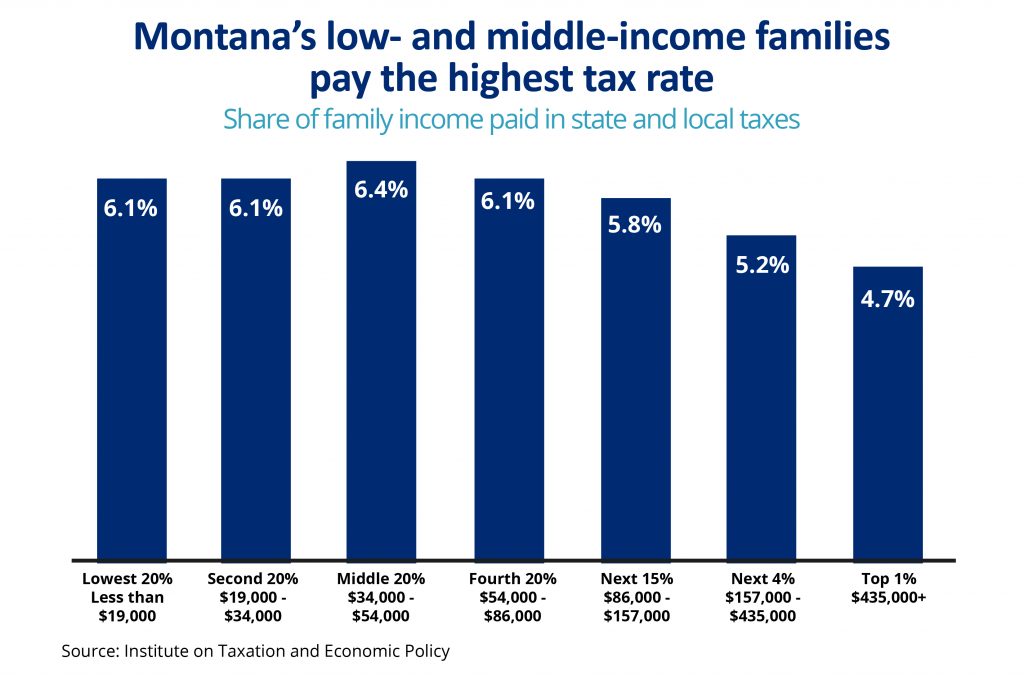
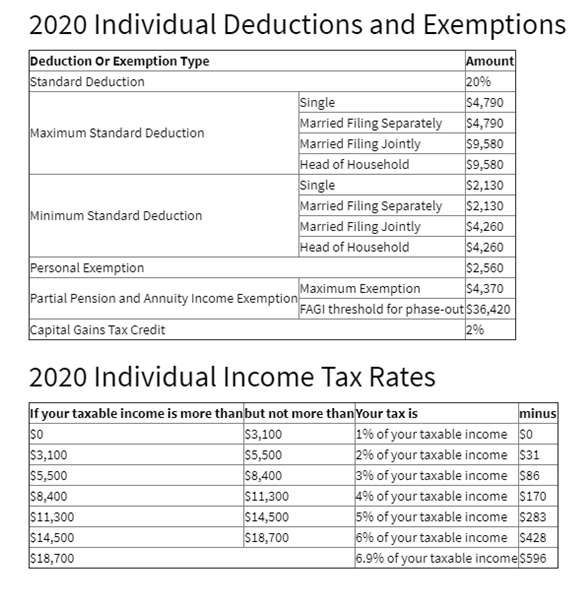
While Montana doesn’t collect sales tax, it doesn’t mean the state is without revenue to fund its operations and public services. The state relies on a diverse mix of other taxes, including property taxes, income taxes (for individuals and corporations), and excise taxes on specific goods like gasoline and tobacco. Furthermore, Montana has tourism-related taxes, such as lodging taxes, which are levied on hotel stays. This means that while you won’t pay sales tax on most items, there might be a tax associated with your accommodation, which is a common practice in many tourist destinations to help fund local infrastructure and services that support the tourism industry.
These lodging taxes, though not a direct sales tax, are an important consideration for travelers booking hotels, resorts, or apartments. The rates can vary by county and city, so it’s always wise to check the specific details when making accommodation reservations. However, even with these localized lodging taxes, the overall cost of a Montana trip often remains more budget-friendly than in states with comprehensive sales tax systems. This unique revenue model allows Montana to maintain its appeal as a destination while still managing its fiscal responsibilities.
The Impact on Travel and Lifestyle
The absence of sales tax in Montana profoundly influences the travel and lifestyle experience for visitors. It affects everything from the cost of everyday purchases to the attractiveness of the state for specific types of travel, such as luxury escapes or budget-friendly road trips. Understanding these implications can help prospective visitors make informed decisions about their travel plans and maximize their enjoyment of the Treasure State.

Shopping and Dining Experiences
For shoppers, Montana presents a unique opportunity. The ability to purchase goods without the added layer of sales tax makes it an appealing destination for those looking to acquire items such as outdoor gear, local artisan products, or even vehicles. Imagine buying a new set of hiking boots for your adventure in Glacier National Park or picking up some handcrafted jewelry in Missoula – the price tag is final, without the added tax. This can lead to significant savings, especially for larger purchases.
Dining out in Montana also benefits from this tax-free environment. While you’ll still find variations in pricing based on the establishment and location, the absence of sales tax on your meal means your dining budget can go further. A delightful dinner in Helena or a casual lunch in a picturesque mountain town will cost precisely what is listed on the menu (before any tip, of course). This makes exploring Montana‘s diverse culinary scene, from farm-to-table restaurants to classic diners, even more enjoyable and accessible for travelers of all budgets.
Accommodation Choices and Budget Travel
The economic advantage extends to accommodation as well. While Montana does not have a general sales tax, it’s important to reiterate that lodging taxes do exist in many areas. However, the overall cost of staying in Montana can still be very competitive, especially when compared to states with higher taxes. This makes it an attractive option for various travel styles, from budget-conscious backpackers to families seeking extended stays in apartments or villas.
For those planning luxury travel, the absence of sales tax on goods means that high-end purchases, whether it’s designer clothing in Billings or exclusive resort amenities, are more affordable. This can enhance the experience of indulgence, allowing travelers to acquire desired items or enjoy services without the financial penalty of a sales tax. Conversely, for budget travelers, the savings on everyday purchases and meals can free up more funds for experiences, attractions, and longer stays, making Montana a more accessible destination for a wider range of visitors.
Exploring Montana’s Attractions Tax-Free
The economic benefit of no sales tax in Montana amplifies the allure of its numerous attractions. From iconic national parks to charming towns, visitors can immerse themselves in the Montana experience without the added financial pressure of sales tax on many of their expenditures. This makes budgeting for experiences like exploring Yellowstone National Park or visiting the historic Custer Gallatin National Forest more straightforward and enjoyable.
Natural Wonders and Landmarks
Montana is renowned for its stunning natural beauty, boasting a wealth of landmarks that draw visitors from around the globe. The ability to explore places like Glacier National Park, with its dramatic mountain peaks, pristine lakes, and abundant wildlife, without the added cost of sales tax on any souvenirs or supplies purchased nearby, makes the experience even more appealing. This tax-free environment allows travelers to focus on the awe-inspiring landscapes and the adventure itself.
When visiting these natural wonders, travelers often purchase items such as camping gear, hiking equipment, books about local flora and fauna, or mementos. The absence of sales tax means these purchases are more economical, allowing visitors to equip themselves better for their adventures or bring home more tangible memories of their trip. Whether it’s a trip to the vast plains or the rugged mountain ranges, the financial advantage of Montana’s tax policy enhances the accessibility and enjoyment of its natural splendors.
Cultural and Historical Sites
Beyond its natural grandeur, Montana is rich in history and culture. Visitors can explore its heritage through various attractions, such as museums, historic districts, and significant landmarks. The ability to purchase books detailing Montana‘s storied past, local crafts reflecting its artistic traditions, or even entrance tickets to historical sites without sales tax adds to the overall positive experience.
For instance, a visit to the Little Bighorn Battlefield National Monument or the charming historic streets of Virginia City can be made even more satisfying when the cost of any related purchases, like informative books or replica artifacts, is simply the advertised price. This economic freedom allows travelers to engage more deeply with the state’s heritage, fostering a richer and more memorable travel experience. The absence of sales tax in Montana is more than just a fiscal detail; it’s an integral part of what makes visiting and exploring this Western gem so appealing and accessible for everyone.