
The allure of California extends far beyond its sun-drenched beaches, iconic landmarks, and vibrant cities. For many travelers, a significant part of the Golden State experience revolves around its diverse culinary landscape. From casual roadside diners to Michelin-starred establishments, California offers a gastronomic adventure for every palate and budget. However, as with any purchase, a common question arises for visitors: is there tax on food in California? Understanding this aspect of your dining experience can help you budget more effectively and avoid any unwelcome surprises during your travels.
This exploration delves into the nuances of sales tax on food and beverages in California, offering insights that will be invaluable whether you’re planning a luxury escape to a Napa Valley vineyard or a budget-friendly exploration of San Diego‘s taco scene. We’ll navigate the general rules, pinpoint common exceptions, and provide practical tips for savvy travelers.
Navigating California’s Sales Tax on Food: The General Rule
In California, the Golden State’s sales and use tax applies to the retail sale of tangible personal property. When it comes to food and beverages, the primary determinant of whether tax is applied often hinges on whether the items are considered “prepared for immediate consumption” and whether they are sold in a form that is ready to eat.
Generally, most prepared food sold by restaurants, cafes, delis, food trucks, and similar establishments is subject to sales tax. This includes items like:
- Meals purchased in a restaurant: Whether you’re enjoying a sit-down dinner in Los Angeles or grabbing a quick lunch in San Francisco, the food you order is typically taxed.
- Takeout and To-Go Orders: Even if you’re taking your meal back to your hotel room at the Grand Hyatt Hotel or enjoying it at a scenic overlook near the Golden Gate Bridge, the prepared food is generally taxable. This is because it’s considered sold for immediate consumption.
- Snacks and Beverages from Eateries: Items like sodas, coffees, pastries, sandwiches, and salads purchased from places that primarily sell prepared food are also usually subject to tax.
- Catered Food: When you book catering for an event at a California resort, the food provided is subject to sales tax.
The standard statewide sales tax rate in California is 7.25%. However, local jurisdictions can impose additional district taxes, meaning the combined sales tax rate can vary significantly from city to city and county to county. For instance, a meal purchased in San Francisco might have a higher tax rate than one purchased in a more rural part of the state. It’s wise to be aware that the final price you see on a menu may not be the final price you pay, as tax will be added at the point of sale.
Understanding “Prepared Food”
The crucial distinction for tax purposes often lies in the definition of “prepared food.” The California Department of Tax and Fee Administration (CDTFA) provides specific guidelines. Generally, “prepared food” includes:
- Food sold in a heated condition.
- Food sold with eating utensils provided by the seller, such as forks, knives, spoons, or chopsticks.
- Food sold for consumption on or in close proximity to the premises where it is sold.
This broad definition covers a vast majority of dining experiences in California. Even if you’re grabbing a pre-made sandwich from a grocery store’s deli counter that’s meant to be eaten right away, it will likely be taxed.
Exceptions to the Rule: When Food Isn’t Taxed in California
While prepared food is generally taxable, California law carves out specific exceptions, particularly for food items sold as groceries for consumption at home. These exemptions are designed to alleviate the tax burden on basic necessities.
Groceries and Staple Foods
The most significant exception to the sales tax rule on food applies to the sale of most grocery items and “food products” intended for home consumption. These items are typically exempt from sales and use tax. This includes:
- Unprepared Produce: Fresh fruits and vegetables are usually tax-exempt.
- Meats, Poultry, and Fish (unprepared): Raw ingredients for home cooking are not taxed.
- Dairy Products: Milk, cheese, yogurt, and butter are generally exempt.
- Bread and Cereals: Staple baked goods and grains fall under this exemption.
- Canned Goods and Packaged Foods: Most non-prepared, non-heated, non-utensil-provided packaged food items sold in grocery stores are exempt.
Essentially, if you purchase items from a supermarket like Trader Joe’s or Whole Foods Market to prepare meals in your accommodation’s kitchen or to eat later at home, you will likely not be charged sales tax on these items. This is a key difference from purchasing a meal at a restaurant.
The “Quasi-Food” Distinction: Hot vs. Cold and Utensils
The line between taxable prepared food and non-taxable groceries can sometimes be subtle, particularly with items that can be consumed either way. The CDTFA has established guidelines to clarify these situations.
One critical factor is whether the food is sold hot or cold.
- Hot Food: Food that is sold in a heated condition is almost always considered prepared food and is taxable, regardless of where it’s purchased. This is why a hot rotisserie chicken from a grocery store’s deli counter is taxed, while a cold pre-packaged chicken might not be.
- Cold Food: For cold food items, the presence of eating utensils provided by the seller becomes a deciding factor. If a seller provides utensils with a cold food item (e.g., a salad with a fork), it’s likely considered prepared food and thus taxable. If you purchase a cold salad from a grocery store and don’t receive utensils, it may be exempt as a grocery item.
Beverages and Their Taxability
The taxability of beverages in California can also be complex, with specific rules applying to different types of drinks:
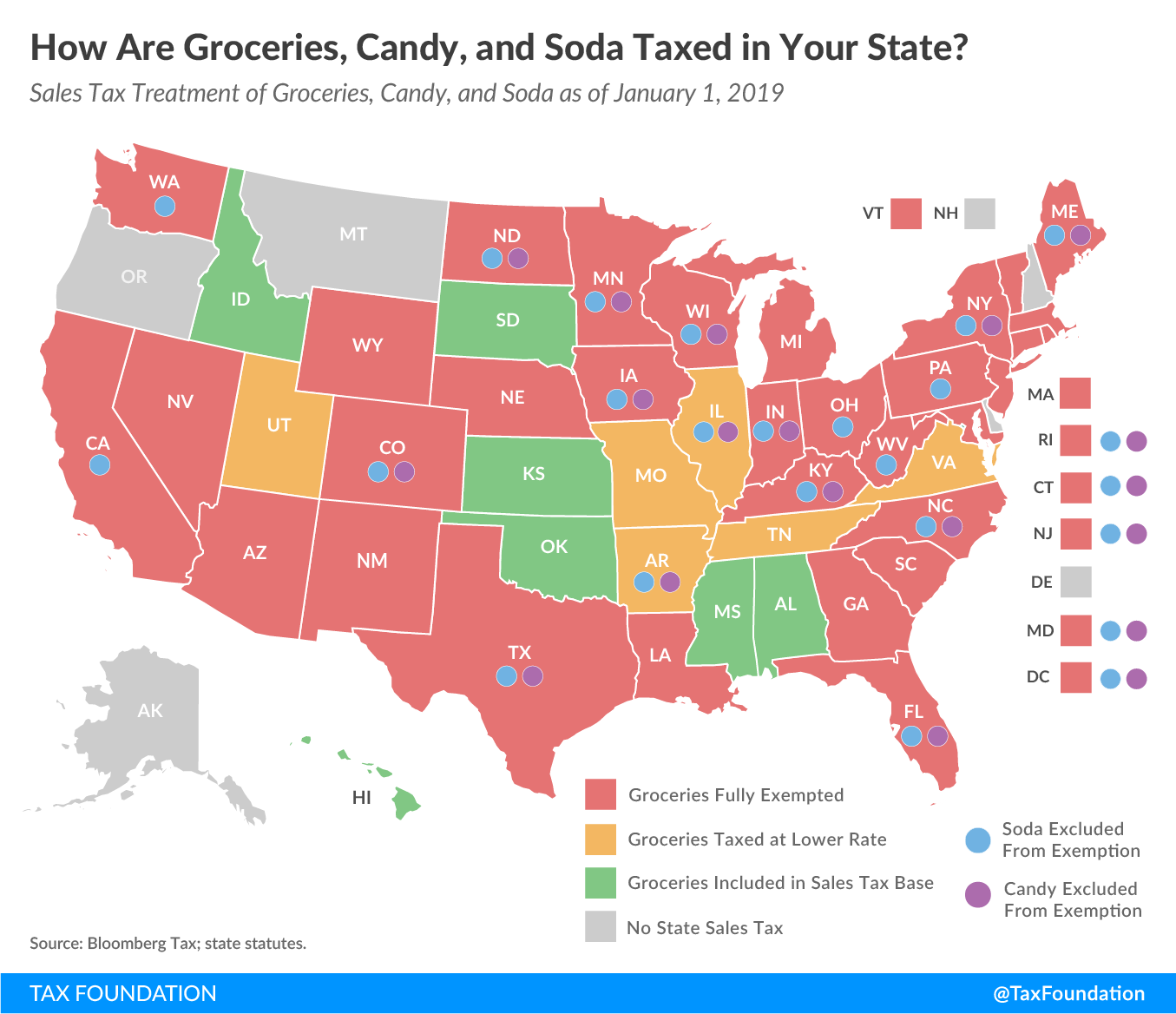
- Bottled Water and Non-Carbonated Drinks: Plain bottled water, juices (100% fruit or vegetable), and milk are generally exempt from sales tax when purchased as groceries.
- Carbonated Beverages: Sodas, sparkling water, and other carbonated drinks are generally taxable, even when purchased from a grocery store.
- Hot Coffee and Tea: Hot coffee, tea, and other hot beverages prepared and sold by vendors are typically considered prepared food and are taxable. This is true even if you purchase them to go from a coffee shop like Starbucks.
- Cold Coffee and Tea: The taxability of cold coffee and tea can depend on how they are prepared and sold. If they are considered a “mixed drink” or sold with utensils, they may be taxable.
It’s also important to note that some cities and counties in California have implemented local taxes on sugary beverages, often referred to as “soda taxes,” which are in addition to the state and local sales taxes. These are typically applied at the point of sale.
Practical Tips for Travelers: Saving Money on Food in California
When planning your culinary adventures across California, from exploring the vibrant markets of Santa Monica to dining in the upscale restaurants of Beverly Hills, being aware of sales tax can help you manage your budget. Here are some practical tips:
1. Differentiate Between Grocery Stores and Restaurants
The most straightforward way to minimize sales tax on food is to distinguish between where you purchase your items.
- For Tax-Free Groceries: When stocking up for meals in your villa or apartment rental, head to traditional grocery stores such as Ralphs, Safeway, or Whole Foods Market. Purchase items like fresh produce, raw meats, dairy, bread, and non-carbonated beverages. These will generally be exempt from sales tax.
- For Taxable Prepared Food: Understand that when you dine out at any establishment that serves prepared meals – be it a casual eatery, a food truck, or a fine-dining restaurant in San Francisco – the food and accompanying beverages (like soda) will be subject to sales tax.
2. Utilize Your Accommodation’s Amenities
If your accommodation offers a kitchenette or a full kitchen, take advantage of it! This allows you to purchase tax-exempt groceries and prepare your own meals, significantly reducing your overall food expenditure, especially on longer stays. Even having a refrigerator to store snacks and drinks can save you money.
3. Be Mindful of “Prepared” Items in Grocery Stores
While grocery stores are primarily for tax-exempt items, be aware of their deli counters and prepared food sections. Hot foods, pre-made sandwiches intended for immediate consumption, and salads sold with utensils will likely be taxed, even if purchased from a grocery store. Read the labels and consider your intended consumption.
4. Factor in Local Sales Tax Rates
California‘s sales tax is a combined state and local tax. Rates can vary significantly from one city to another. For example, the tax rate in San Francisco might be higher than in Sacramento or Anaheim. If you’re making a significant purchase of taxable food items, or simply want to budget accurately, it’s worth checking the current sales tax rate for the specific city or county you are visiting. Local tourism websites or the CDTFA website can often provide this information.
5. Understand Beverage Taxability
As mentioned, beverages have specific tax rules. While 100% fruit juices and plain water are usually exempt, sodas and other carbonated drinks are typically taxable. Hot beverages like coffee and tea are also generally taxed. Be prepared for these additions to your bill.

6. Look for Local Dining Deals
While tax is a factor, don’t let it deter you from experiencing California‘s fantastic food scene. Many areas offer excellent value. Look for “happy hour” specials, lunch deals, or explore food trucks and farmers’ markets for more budget-friendly prepared food options. These can offer delicious experiences without breaking the bank, even with tax factored in. For instance, exploring the food scene in Santa Cruz might reveal unique, affordable options.
By understanding these guidelines and employing a few smart strategies, you can savor the incredible flavors of California while keeping your travel budget in check. Whether you’re planning a romantic getaway, a family vacation to Disneyland, or an adventurous road trip along the coast, enjoying the local cuisine is an integral part of the experience. Knowing the rules around sales tax ensures that your culinary explorations are as smooth and enjoyable as the rest of your California adventure.