
California, a land celebrated for its sun-drenched beaches, towering redwood forests, and iconic cities, might not be the first place that springs to mind when envisioning active volcanoes. Yet, beneath its diverse and often dramatic landscapes lies a fiery secret. The Golden State is, in fact, home to numerous volcanic features, ranging from dormant giants to more recent, potentially active sites. Exploring this volcanic heritage offers a unique perspective on California’s geology and presents fascinating opportunities for travel and discovery, appealing to adventurers, nature enthusiasts, and history buffs alike.
While California doesn’t boast the perpetually erupting cones of Hawaii or the dramatic ash clouds of Mount Vesuvius, its volcanic history is rich and its potential for future activity is a subject of ongoing scientific study. Understanding these fiery origins adds another layer to the already captivating tapestry of California’s natural wonders, making it a destination that caters to a broad spectrum of interests, from luxurious getaways to educational expeditions.
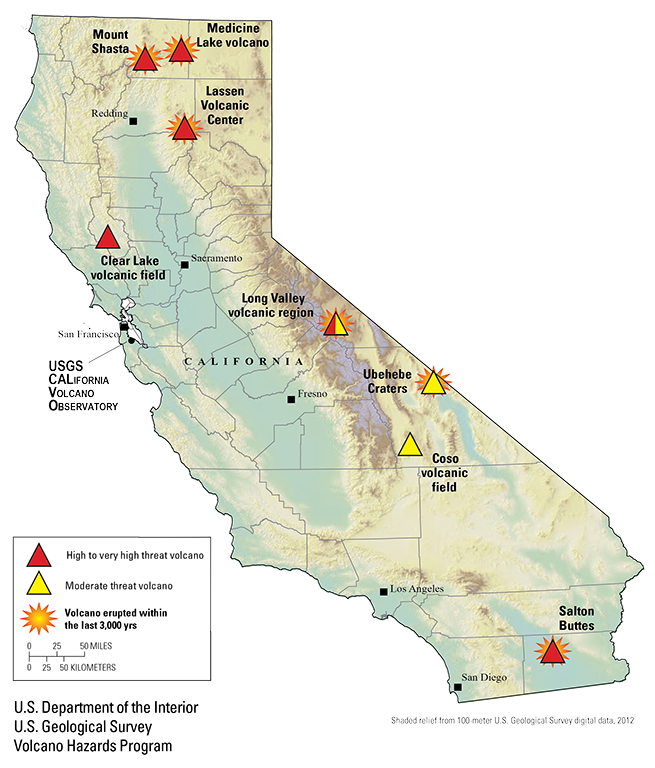
Unearthing California’s Volcanic Past and Present
California’s volcanic story is intrinsically linked to its location along the Pacific Ring of Fire, a horseshoe-shaped zone of intense seismic and volcanic activity that encircles the Pacific Ocean. This geological hotspot is characterized by the movement and collision of tectonic plates, which lead to the melting of rock and the subsequent rise of magma to the Earth’s surface. Within California, this activity has shaped the land in profound ways over millions of years.
The state’s volcanic legacy is evident in a variety of landforms, including cinder cones, lava flows, calderas, and hot springs. These features are not merely historical relics; some are considered potentially active, requiring continuous monitoring by geologists. The United States Geological Survey (USGS) actively monitors these sites, providing valuable data for scientists and insights for curious travelers. For those interested in experiencing these geological marvels, California offers a diverse array of locations that showcase its volcanic heart.
The Majestic Lassen Peak and its Volcanic National Park
Perhaps the most iconic and accessible example of California’s volcanic activity is Lassen Peak, located within Lassen Volcanic National Park. This stratovolcano, standing at over 10,000 feet, is the southernmost active volcano in the Cascade Range. Its most recent major eruption occurred between 1914 and 1917, an event that left a significant mark on the surrounding landscape and serves as a potent reminder of the earth’s dynamic power.
Lassen Volcanic National Park itself is a geothermal wonderland. Beyond Lassen Peak, the park is dotted with fumaroles (steam vents), boiling mud pots, and sulfurous hot springs, all testament to the heat churning beneath the surface. These hydrothermal features create an otherworldly environment, with the air often thick with the smell of sulfur and the ground steaming in visible wisps.
For visitors, the park offers numerous opportunities for exploration and adventure. Hiking trails wind through diverse landscapes, leading to breathtaking viewpoints and allowing close encounters with these geological phenomena. The Lassen Peak Trail, though strenuous, rewards hikers with panoramic views from the summit. For a more accessible experience, trails like the Bumpass Hell Trail lead to one of the largest hydrothermal areas in the park, showcasing its most active geothermal features.
Beyond the hiking, the park offers scenic drives, such as the Volcanic Legacy Scenic Byway, which provides stunning vistas and access to various points of interest. Camping facilities and visitor centers enhance the travel experience, making Lassen Volcanic National Park an ideal destination for nature lovers and those seeking to understand the forces that shape our planet. Accommodation options nearby range from rustic campgrounds within the park to charming lodges and hotels in surrounding towns like Mineral and Shingletown.
The Modoc Plateau: A Landscape Forged by Fire
North of Lassen Volcanic National Park, the Modoc Plateau presents another significant volcanic region in California. This vast area, largely shaped by extensive basaltic lava flows, offers a different, more expansive volcanic landscape. The Modoc National Forest encompasses much of this region, providing opportunities for wilderness exploration and a glimpse into a more remote and rugged side of California’s volcanic past.

Here, visitors can explore ancient lava tubes, vast lava fields, and numerous cinder cones, many of which are extinct but still visually striking. The Modoc Lava Beds National Monument is a prime example, preserving a landscape sculpted by intense volcanic activity. This monument is renowned for its extensive system of lava tubes, underground caverns formed by flowing lava. Exploring these tubes offers a unique spelunking experience, allowing visitors to walk through the very conduits that once carried molten rock.
The Modoc Plateau also features impressive volcanic features like Medicine Lake Volcano, a massive shield volcano that has produced extensive lava flows. While considered dormant, its sheer scale and the resulting landscape are awe-inspiring. The area around Medicine Lake also boasts hot springs and fumaroles, indicating ongoing geothermal activity.
For travelers drawn to the wild and untamed, the Modoc Plateau offers a sense of solitude and discovery. Activities include hiking, camping, and wildlife viewing. The stark beauty of the lava fields, the vibrant colors of the mineral deposits, and the vast skies create a memorable travel experience. Accommodation in this region tends to be more rustic, with campgrounds and lodges in smaller towns such as Alturas and Adel. For those seeking a true escape into nature, this volcanic frontier delivers.
The Long Valley Caldera: A Supervolcano’s Shadow
Further south, in Eastern California, lies the Long Valley Caldera, a geological feature of immense significance. This massive caldera, spanning over 20 miles wide, is the remnant of an enormous supervolcano eruption that occurred approximately 760,000 years ago. The eruption ejected an estimated 600 cubic kilometers of volcanic material, drastically reshaping the landscape and influencing global climate.
Today, the Long Valley Caldera is a site of intense scientific interest due to its ongoing seismic activity and potential for future eruptions. While not a typical cone-shaped volcano, its sheer size and the underlying magma chamber make it a formidable geological entity. The area around the caldera is characterized by volcanic ridges, lava flows, and evidence of past explosive events.
The Mammoth Lakes region, situated within and adjacent to the caldera, is a popular tourist destination, known for its stunning alpine scenery, ski resorts, and outdoor recreational opportunities. Paradoxically, the very geothermal forces that created the caldera also contribute to the region’s natural beauty, with hot springs and geysers adding to its allure.
Visitors to the Long Valley Caldera can explore its geological features through hiking trails and scenic drives. The Devils Postpile National Monument, with its striking hexagonal basalt columns, is a testament to the cooling of lava flows in the area. The Mono Lake Tufa State Natural Reserve, with its unique tufa towers, is another striking result of the region’s volcanic and hydrological history. For those interested in the raw power of supervolcanoes and the dramatic landscapes they create, the Long Valley Caldera offers a profound and humbling experience. Accommodations are plentiful in the Mammoth Lakes area, ranging from luxury resorts and hotels to more budget-friendly motels and cabins, catering to a wide range of lifestyles and travel preferences.

The Salton Sea Geothermal Fields and Southern California’s Volcanic Whispers
While the most prominent volcanic features are in Northern and Eastern California, volcanic activity also manifests in other ways across the state. Southern California’s Salton Sea region, for instance, is a geothermally active area. Although there isn’t a classic volcanic cone directly associated with the Salton Sea, the region sits atop fault lines that allow heat from the Earth’s mantle to rise, resulting in hot springs and geothermal energy production. This area demonstrates that volcanic influence isn’t always dramatic eruptions but can also be subtle, persistent heat from below.
Further inland, the Coso Volcanic Field in the Mojave Desert is another area with significant volcanic features, including numerous cinder cones and lava flows, remnants of past eruptions that occurred over a period of several hundred thousand years. While considered extinct, the stark beauty of this desert landscape, shaped by fire, is undeniable.
The presence of volcanic activity, even in its less dramatic forms, underscores California’s dynamic geological setting. These areas offer unique travel experiences, from the therapeutic benefits of hot springs to the stark, compelling beauty of desert landscapes sculpted by ancient eruptions. Exploring these sites provides a deeper appreciation for the earth’s ongoing processes and the diverse environments they create.
In conclusion, the answer to “Are There Volcanoes In California?” is a resounding yes. From the steaming vents of Lassen Volcanic National Park to the vast expanses of the Modoc Plateau and the imposing Long Valley Caldera, California’s volcanic heritage is a significant and fascinating aspect of its natural identity. These fiery landscapes offer not only incredible travel destinations but also a profound connection to the powerful forces that have shaped, and continue to shape, our planet. Whether you’re a seasoned adventurer or a curious traveler, California’s volcanic regions promise an unforgettable journey into the earth’s fiery heart.