
Trail Ridge Road, often hailed as the “Highway to the Sky,” is one of the most breathtaking and iconic scenic drives not just in Colorado, but across the entire United States. Winding its way through the heart of Rocky Mountain National Park, this majestic byway offers unparalleled access to high alpine tundra landscapes, awe-inspiring vistas, and a unique perspective on the Continental Divide. However, due to its extreme elevation and the harsh winter conditions characteristic of the Colorado Rockies, Trail Ridge Road is not open year-round. Understanding its seasonal opening and closing patterns is crucial for any traveler planning to experience this marvel.
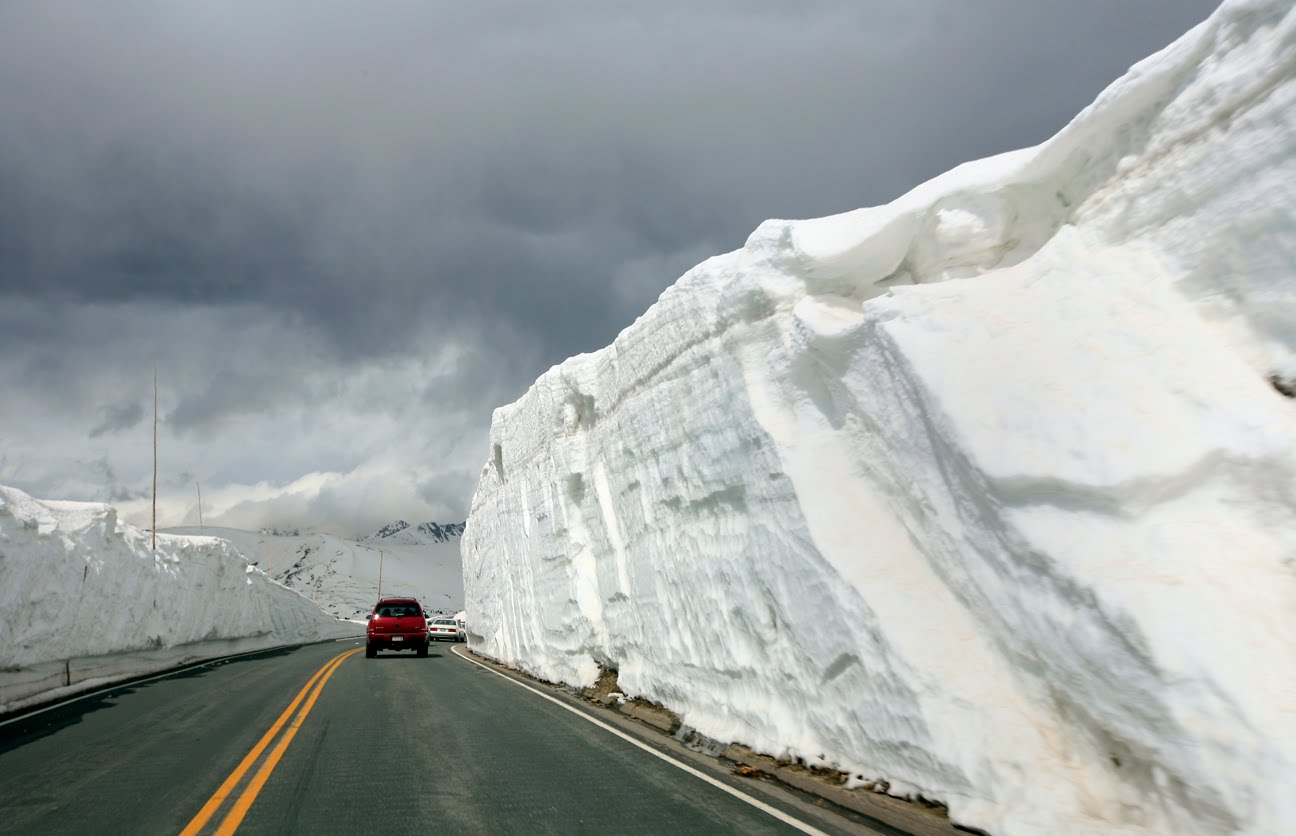
The question “Is Trail Ridge Road open?” is a seasonal query that echoes across the travel community from late spring through late fall. Its status dictates not only direct access between the eastern and western sides of Rocky Mountain National Park but also the ability to explore some of the park’s most spectacular high-altitude attractions. For those seeking adventure, unparalleled natural beauty, and a true sense of the wild, a drive along Trail Ridge Road is an unforgettable experience. This comprehensive guide delves into everything you need to know about navigating the seasonal intricacies of Trail Ridge Road, ensuring your journey through Colorado’s high country is as seamless and spectacular as possible.
Unveiling the Trail Ridge Road Experience
To truly appreciate the opening and closing dynamics of Trail Ridge Road, it’s essential to first grasp what makes this landmark so extraordinary. More than just a road, it’s an immersive journey into one of North America’s most pristine alpine environments.
What is Trail Ridge Road?
Trail Ridge Road spans 48 miles between the towns of Estes Park on the eastern side and Grand Lake on the western side of Rocky Mountain National Park. It is the highest continuous paved road in North America, reaching an astonishing elevation of 12,183 feet (3,713 meters) above sea level. Eleven miles of the road lie above the treeline, traversing the unique and fragile alpine tundra ecosystem.
Constructed between 1929 and 1932, Trail Ridge Road was an ambitious engineering feat designed to provide visitors with unparalleled access to the park’s majestic scenery. Its design carefully minimizes environmental impact while maximizing scenic overlooks, allowing travelers to experience diverse ecological zones ranging from montane forests to subalpine and alpine environments, all within a relatively short drive. It’s a testament to early 20th-century landscape architecture, offering a panoramic viewpoint that literally makes you feel on top of the world, with sweeping vistas of mountain ranges like the Gore Range and the Never Summer Mountains.
A Journey Through Diverse Ecosystems
Driving Trail Ridge Road is akin to traveling from Colorado to Arctic Canada in a matter of hours. Starting from either Estes Park (elevation 7,522 ft / 2,293 m) or Grand Lake (elevation 8,369 ft / 2,551 m), the road quickly ascends through montane forests characterized by ponderosa pines and aspens, giving way to subalpine zones dominated by Engelmann spruce and subalpine fir. Here, you’ll encounter serene lakes such as Sprague Lake and lush meadows like Moraine Park, offering excellent opportunities for wildlife viewing, especially elk and deer.
As you climb higher, the landscape transforms dramatically as you cross the treeline, typically around 11,000 feet. Here, the resilient alpine tundra takes over, an ecosystem defined by extreme cold, high winds, and a short growing season. Despite the harsh conditions, this area bursts with vibrant wildflowers in summer, along with hardy grasses and lichens. This treeless expanse is home to specialized wildlife like marmots, pikas, and the elusive ptarmigan. The air is thinner, the views are boundless, and the sense of being above it all is profound. It’s a remarkable ecological transition that highlights the incredible biodiversity protected within Rocky Mountain National Park, making it a truly unique natural landmark.
Navigating the Seasonal Opening and Closing
The question of whether Trail Ridge Road is open is directly tied to the formidable forces of nature, specifically the amount of snowfall and the persistence of winter conditions at such high altitudes. This seasonal variability is a defining characteristic of the road, influencing when and how travelers can experience its grandeur.
Typical Opening and Closing Dates
Historically, the full 48-mile stretch of Trail Ridge Road typically opens around Memorial Day weekend, which falls in late May. However, this is merely an average. The opening date can fluctuate significantly from year to year, depending entirely on the snowpack and the efforts of park crews to clear the road. In years with heavy snowfall, opening can be delayed well into June. Similarly, the road generally remains fully open until mid-October, though sometimes a bit later if conditions allow. By late October or early November, accumulating snow and ice force its closure for the winter.
Even when the full road is closed, portions of Trail Ridge Road remain accessible. The section from Estes Park to the Many Parks Curve and the Forest Canyon Overlook typically stays open well into December, weather permitting, offering stunning views and opportunities for snowshoeing or cross-country skiing. On the western side, the road from Grand Lake to the Colorado River Trailhead also remains open as long as possible. These accessible sections allow visitors to experience the park’s winter wonderland, albeit without the high alpine traverse.
Factors Influencing Road Status
The opening and closing of Trail Ridge Road are not arbitrary decisions but rather the result of complex factors, primarily weather-related:
- Snowpack Depth: The most significant factor is the depth of the snow. At elevations above 10,000 feet, snowdrifts can reach 20-30 feet deep, requiring massive efforts by plowing crews. The sheer volume of snow determines the timeline for clearing.
- Weather Conditions: Spring snowstorms are common in the Rockies and can quickly dump several feet of new snow, setting back plowing operations. Freezing temperatures, high winds, and whiteout conditions also pose risks to both plowing crews and future drivers.
- Road Ice and Safety: Even after snow is cleared, lingering ice patches, especially in shaded areas, can make the road extremely hazardous. Park officials prioritize safety, delaying opening until the road surface is deemed safe for travel.
- Infrastructure Maintenance: Winter takes a toll on the road surface and guardrails. Repair work, rockfall mitigation, and general maintenance are often conducted during the spring clearing period to ensure the road is in optimal condition.
The dedicated teams from the National Park Service work tirelessly to clear the road, often battling blizzards and extreme cold. Their monumental efforts ensure that millions of visitors can safely access this incredible landscape each season.
How to Check Current Conditions
Given the variability, it is absolutely essential to check the most current road status before planning a trip involving Trail Ridge Road. There are several reliable sources:
- Rocky Mountain National Park Website: The official park website (nps.gov/romo) provides daily updates on road closures, weather advisories, and conditions. This is the most authoritative source.
- Park Information Line: Call the park’s information line directly for recorded updates or to speak with a ranger.
- Social Media: The park often posts real-time updates on its official Facebook and Twitter accounts.
- Webcams: Several webcams throughout the park, including one at the Alpine Visitor Center, offer visual insights into current weather and snow conditions.
It’s advisable to check the status not just on the day of your planned drive, but also a few days in advance, as conditions can change rapidly in the high mountains. A sunny morning can quickly turn into a snowy afternoon, even in summer.
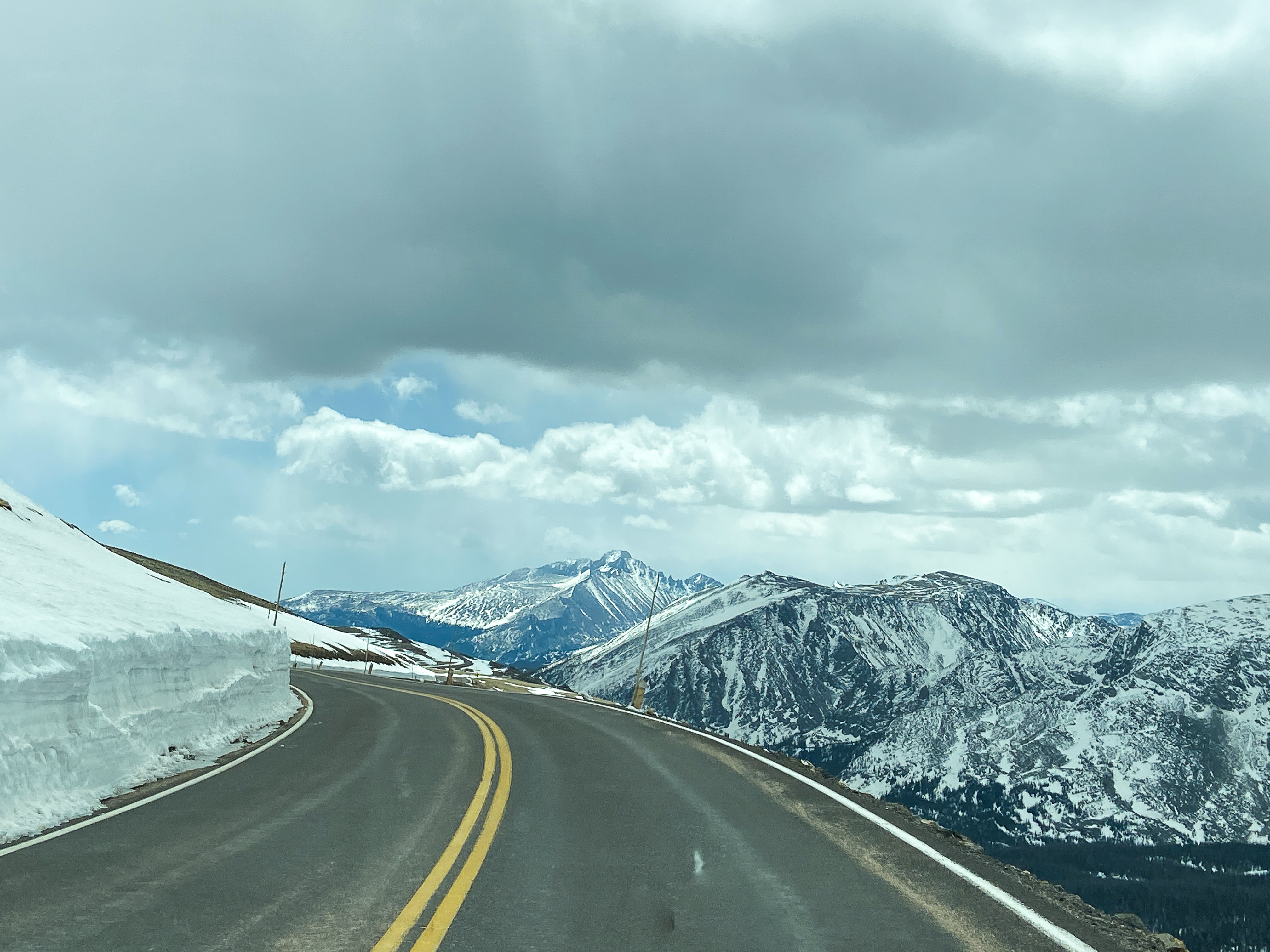
Planning Your Adventure Along Trail Ridge Road
Once you’ve confirmed that Trail Ridge Road is open, the real fun of planning your adventure begins. This drive is not merely about getting from one side of the park to the other; it’s an attraction in itself, brimming with opportunities for sightseeing, photography, hiking, and wildlife observation.
Must-See Stops and Viewpoints
The journey along Trail Ridge Road is punctuated by numerous overlooks, each offering a distinct and breathtaking perspective. Here are some of the most iconic stops:
- Many Parks Curve: Located just a few miles from the Beaver Meadows Entrance near Estes Park, this overlook provides expansive views of Moraine Park, Deer Mountain, and the Continental Divide in the distance.
- Forest Canyon Overlook: One of the most spectacular viewpoints, offering a deep plunge into Forest Canyon, with sweeping views of the subalpine and alpine tundra and surrounding peaks.
- Lava Cliffs: This stop showcases striking geological formations—dark, volcanic rock faces that were once part of ancient lava flows. It’s a prime example of the rugged, raw beauty of the high alpine.
- Alpine Visitor Center: At 11,796 feet, this is the highest visitor center in the National Park System. It’s a crucial stop for restrooms, refreshments, interpretive exhibits, and stunning views. From here, you can often see Longs Peak (the park’s highest point) and watch marmots sunning themselves on rocks.
- Medicine Bow Curve: Offering panoramic views of the Never Summer Mountains and the Kawuneeche Valley, this spot is a fantastic photo opportunity.
- Milner Pass and the Continental Divide: This is where the road crosses the Continental Divide, marking the hydrological separation of the continent. Water on one side flows to the Pacific Ocean, and on the other, to the Atlantic.
- Lake Irene (near the western side): A short, easy walk leads to a beautiful subalpine lake, reflecting the surrounding peaks, offering a tranquil escape.
Allow ample time for your drive—at least 3-4 hours one-way without significant stops, but realistically, a full day or a half-day round trip is recommended to truly savor the experience and stop at key points.
Activities Beyond the Drive
While the drive itself is magnificent, Trail Ridge Road also serves as a gateway to numerous other activities:
- Hiking: Many short, interpretive trails branch off from overlooks, allowing visitors to stretch their legs and explore the tundra. The Tundra Communities Trail near the Alpine Visitor Center is a popular choice, providing an easy walk through the unique ecosystem. For more challenging hikes, numerous trailheads are accessible from side roads like Bear Lake Road (when open).
- Wildlife Viewing: The alpine tundra is a fantastic place to spot bighorn sheep, marmots, pikas, and various birds. Keep an eye out for elk and deer at lower elevations, especially during dawn and dusk. Always maintain a safe and respectful distance from wildlife.
- Photography: With its dramatic landscapes, incredible light, and diverse flora and fauna, Trail Ridge Road is a photographer’s paradise. Early morning and late afternoon often provide the best light.
- Picnicking: Pack a picnic to enjoy at one of the designated picnic areas or simply find a scenic spot to take in the views.
Essential Travel Tips for the High Alpine
Preparing for your high-altitude adventure is key to a comfortable and safe experience:
- Dress in Layers: Even in summer, temperatures at the highest points can be surprisingly cold, dropping into the 40s or 50s Fahrenheit, with strong winds. Be prepared for all four seasons in one day.
- Hydrate and Acclimatize: The high altitude can cause symptoms of altitude sickness. Drink plenty of water before and during your visit. If coming from sea level, consider spending a day or two in Estes Park or Grand Lake to acclimatize before ascending the road.
- Sun Protection: The sun’s rays are much stronger at high altitudes. Wear sunscreen, a hat, and sunglasses.
- Fuel Up: There are no gas stations within Rocky Mountain National Park, so fill your tank before entering.
- Pack Snacks and Water: While the Alpine Visitor Center offers some refreshments, it’s wise to bring your own supplies, especially if hiking.
- Check Weather Forecasts: Mountain weather can change rapidly. Always check the forecast before heading out.
- Drive Cautiously: The road has sharp curves and steep grades. Watch for wildlife, cyclists, and other vehicles. Obey speed limits.
- Leave No Trace: Help preserve this pristine environment by staying on marked trails, packing out all trash, and refraining from disturbing wildlife or plants.
Embracing the Surrounding Beauty: Where to Stay and Explore
A trip to Trail Ridge Road is often part of a larger Rocky Mountain National Park itinerary. The two gateway towns, Estes Park to the east and Grand Lake to the west, offer distinct charms and a wide array of accommodation options and activities to complement your high-alpine adventure.
Estes Park: The Eastern Gateway
Estes Park, located at the base of Rocky Mountain National Park’s eastern entrance, is a vibrant mountain town and a popular tourist destination. Its bustling downtown area features a charming Riverwalk, numerous shops, art galleries, and diverse dining options. Beyond the main street, Estes Park offers a plethora of activities from lake cruises on Lake Estes to aerial tram rides, horseback riding, and rock climbing. It’s also famous for its resident elk herd, which frequently roams through town, especially during the fall rut.
Why Stay in Estes Park?
- Proximity to Park Entrances: Easy access to the Beaver Meadows Entrance and Fall River Entrance, which lead directly to Trail Ridge Road and other popular park areas like Bear Lake Road.
- Abundant Amenities: A wide range of restaurants, shops, and services, catering to various budgets and preferences.
- Iconic Landmarks: Home to the historic Stanley Hotel, which inspired Stephen King’s “The Shining.”
- Family-Friendly Activities: Miniature golf, go-karts, and a children’s museum make it a great base for family trips.
Grand Lake: The Western Charm
On the western side of Rocky Mountain National Park lies the charming and slightly more laid-back town of Grand Lake. Named after Colorado’s largest natural lake, this picturesque community offers a quintessential lakeside mountain experience. The town boasts the highest-altitude yacht club in North America and a historic boardwalk lined with shops and eateries. Grand Lake provides direct access to the western side of the park, including the Kawuneeche Valley, known for its serene river meandering and abundant moose sightings.
Why Stay in Grand Lake?
- Lakeside Activities: Excellent opportunities for boating, fishing, kayaking, and paddleboarding on Grand Lake, Lake Granby, and Shadow Mountain Lake.
- Quieter Atmosphere: Generally less crowded than Estes Park, offering a more tranquil experience.
- Wildlife Hotspot: The western side of the park is particularly known for moose, elk, and deer.
- Gateway to Other Adventures: Close proximity to other Grand County attractions like Winter Park and Hot Sulphur Springs.

Accommodation Options for Every Traveler
Both Estes Park and Grand Lake offer a diverse array of accommodations to suit every budget and travel style, aligning perfectly with the lifestyle options on a travel website.
- Hotels and Resorts: From luxury resorts like the historic Stanley Hotel to well-known chains such as Best Western and independent lodges, you’ll find various full-service options. Many offer amenities like indoor pools, restaurants, and spa services, catering to those seeking comfort and convenience.
- Cabins and Vacation Rentals: For a more rustic or private experience, numerous cabins, cottages, and vacation rentals are available. Platforms like Airbnb and VRBO list properties ranging from cozy studios to sprawling family homes, ideal for family trips or longer stays. These often come with kitchens, allowing for budget-friendly dining.
- Bed & Breakfasts: Offering personalized service, charming decor, and delicious breakfasts, B&Bs provide an intimate and often romantic accommodation experience.
- Campgrounds: Within Rocky Mountain National Park itself, several campgrounds are available, offering an immersive nature experience. Reservations are highly recommended, especially during peak season, as they fill up quickly. Many private campgrounds are also located just outside the park boundaries.
- Budget-Friendly Stays: For those on a budget, look for motels, hostels, or smaller, independent lodges. Traveling during the shoulder seasons (late spring/early fall) can also yield better rates.
When booking, consider the purpose of your trip. Are you aiming for luxury travel, a family-friendly adventure, a romantic getaway, or a solo hiking expedition? Both gateway towns cater to all these needs, making your base camp as much a part of the Colorado experience as the drive itself.
In conclusion, while the question “Is Trail Ridge Road open in Colorado?” has a seasonal answer, the experience it offers is timeless. This iconic highway, a true landmark of natural beauty and engineering prowess, promises an unforgettable journey through diverse ecosystems and awe-inspiring vistas. By staying informed about its status, planning your stops, and choosing the perfect accommodation in either Estes Park or Grand Lake, you can ensure your visit to Rocky Mountain National Park is nothing short of spectacular, truly a peak experience in your travel adventures.
LifeOutOfTheBox is a participant in the Amazon Services LLC Associates Program, an affiliate advertising program designed to provide a means for sites to earn advertising fees by advertising and linking to Amazon.com. Amazon, the Amazon logo, AmazonSupply, and the AmazonSupply logo are trademarks of Amazon.com, Inc. or its affiliates. As an Amazon Associate we earn affiliate commissions from qualifying purchases.