
California, a land synonymous with innovation, sunshine, and a vibrant car culture, attracts millions of visitors annually. From the sprawling urban landscapes of Los Angeles to the iconic coastal drives along the Pacific Coast Highway, the Golden State offers an unparalleled experience for travelers and residents alike. This rich automotive heritage often leads enthusiasts to personalize their vehicles, and one popular modification that sparks curiosity and confusion is underglow lighting. The allure of neon or LED lights illuminating the underside of a car, creating a distinctive glow, is undeniable. However, this aesthetic choice often collides with a complex web of regulations. For anyone planning a road trip, relocating, or simply curious about vehicle customization within the state, understanding the legality of underglow in California is crucial. This guide will delve into the specific laws, common misconceptions, and practical advice to ensure your travel and lifestyle choices remain compliant, allowing you to fully enjoy all that California has to offer without legal snags.
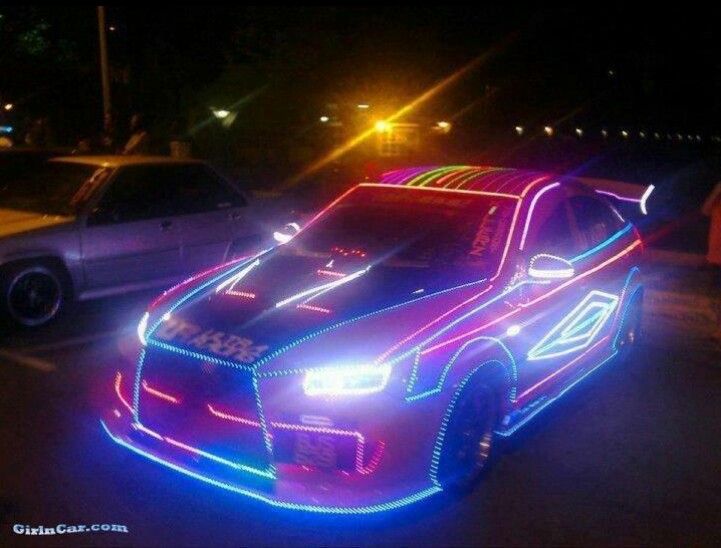
The question “Is underglow illegal in California?” isn’t a simple yes or no. Instead, it’s a nuanced answer that depends heavily on the color of the lights, their visibility, and whether the vehicle is in motion. The state’s regulations are primarily designed with public safety in mind, preventing distractions or confusion with emergency vehicles, while also acknowledging the creative spirit of vehicle modification when exercised responsibly. Navigating these rules is essential not just for car enthusiasts, but for any traveler who might encounter such modifications or consider them for their own vehicle while exploring the diverse attractions and experiences California provides.
Understanding California’s Vehicle Code on Underglow
The legal framework governing vehicle modifications, including underglow, in California is primarily outlined in the California Vehicle Code. This comprehensive set of laws dictates everything from traffic rules to equipment requirements, ensuring uniformity and safety across all vehicles operating on public roadways. When it comes to auxiliary lighting like underglow, specific sections of the code aim to prevent hazards and maintain clear distinctions between private vehicles and official or emergency services. For visitors traveling through cities like San Francisco or San Diego, understanding these regulations is paramount, as local enforcement can be rigorous.
The Letter of the Law: California Vehicle Code Section 25400
The primary section of the California Vehicle Code that addresses underglow lighting is Section 25400. This section, among others, prohibits certain types of lamps and devices from being displayed on vehicles. In essence, it aims to prevent lighting systems that could distract other drivers, mimic emergency vehicles, or impair visibility. Specifically, it states that “any lamp or lighting device on a vehicle, other than those required or permitted by this code, is prohibited.” This broad statement sets the stage for what is generally not allowed, pushing underglow into a category of discretionary lighting that then needs further clarification regarding its permissibility. The underlying principle is safety: lights that might confuse drivers about a vehicle’s intent, size, or status are generally restricted. For example, flashing lights are usually reserved for emergency vehicles, and certain colors are strictly controlled to avoid impersonation. This legislative caution is crucial in a state with high traffic volumes and a wide array of vehicles, from everyday commuters to specialized transport and emergency responders. The goal is to create a predictable and safe driving environment for everyone, whether they’re on a leisurely vacation or commuting for work.
Permissible Uses and Colors: When is it Okay?
While the initial reading of the California Vehicle Code might seem restrictive, there are indeed situations and color options that allow for legal underglow in California. The key lies in understanding the specific limitations and exemptions.
Color Restrictions: The most critical aspect is color. The California Vehicle Code explicitly restricts certain colors for non-emergency vehicles to prevent confusion with law enforcement, fire departments, or ambulances.
- Red lights: Prohibited from being displayed to the front of a vehicle, whether directly visible or through underglow. Red lights visible from the front are strictly reserved for emergency vehicles. While red lights underneath might not directly face forward, if they emit a glow that is perceived as red from the front, it can lead to issues.
- Blue lights: Prohibited from being displayed to the front of a vehicle. Blue lights are typically associated with law enforcement in California. Any blue light, whether direct or through underglow, visible from the front of a private vehicle while on public roads, is illegal.
- Flashing lights: Generally prohibited for underglow, as flashing lights are reserved for emergency vehicles, school buses, or specific utility vehicles.
Allowed Colors and Conditions:
The good news is that underglow isn’t entirely banned. Certain colors are permissible, provided they meet specific criteria:
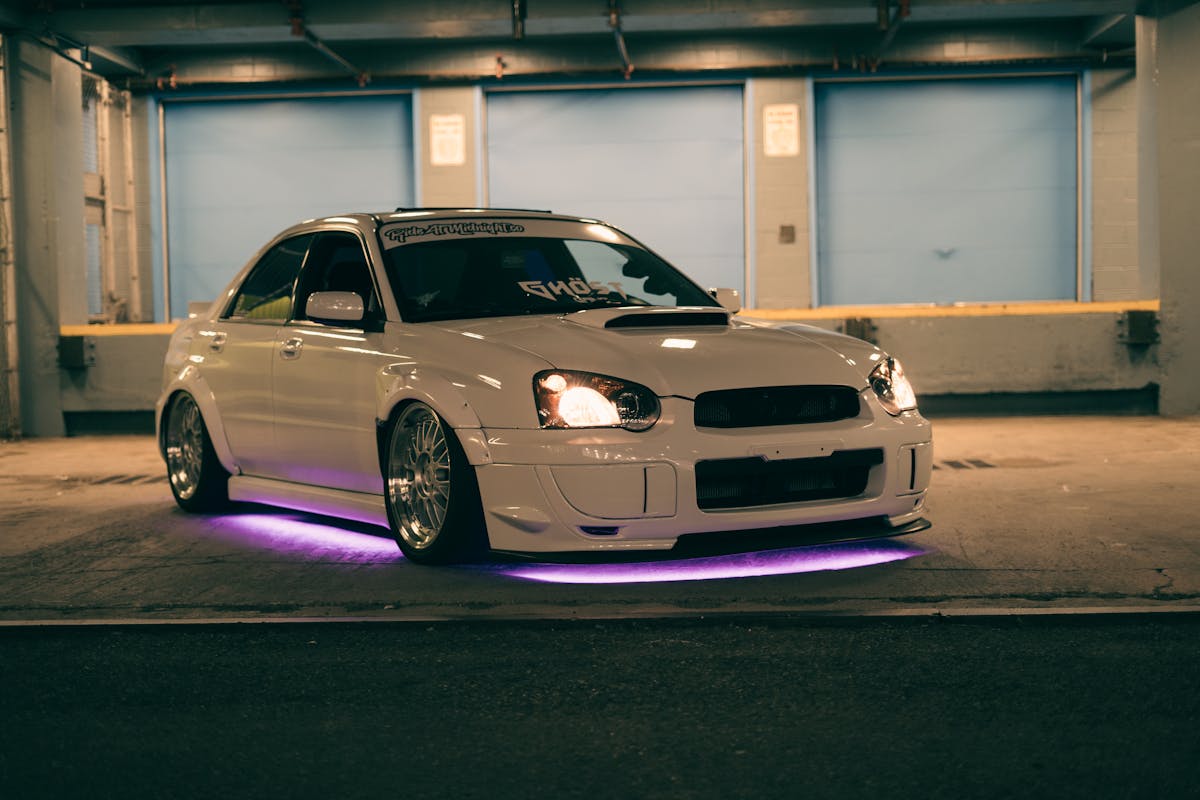
- White, Amber, Yellow, and Green: These colors are generally allowed for underglow, but with significant caveats. The lights must not be flashing, and perhaps most importantly, they must not be visible above the lowest portion of the vehicle’s body. This means the light source itself should be concealed, with only the glow emanating from beneath the car. If the actual bulb or LED strip is visible, especially when the vehicle is in motion, it can be deemed illegal.
- Stationary Vehicles: One of the most common legal uses for underglow is when the vehicle is stationary and off public roads. At car shows, private events, or even parked in a private driveway, the rules are significantly relaxed. Many car enthusiasts showcase their underglow at these events, where the aesthetic appeal is celebrated without the immediate concerns for traffic safety. This is a common sight at automotive gatherings, which are part of the lifestyle and tourism experience for many visitors to California interested in automotive culture.
- Non-Interfering with Operation: The lights must not interfere with the driver’s vision or operation of the vehicle, nor should they create a glare that impairs the vision of other drivers. This is a subjective but important rule that law enforcement can use to determine legality.
In essence, while underglow isn’t outright banned, its legal application is heavily constrained by color, visibility, and vehicle status. The intent is to allow for personalization without compromising the safety and order of public roadways, balancing lifestyle expression with civic responsibility.
Navigating the Nuances: Enforcement and Exceptions
Understanding the specific clauses of the California Vehicle Code is one thing, but knowing how these laws are enforced in practice, and what exceptions might exist, adds another layer of complexity. For tourists visiting different parts of California — perhaps renting a car for a scenic drive or bringing their own modified vehicle — anticipating the enforcement nuances can be crucial to avoiding an unexpected citation. The diverse landscape of California, from bustling urban centers to serene natural landmarks, means varying levels of enforcement attention.
Common Misconceptions and Enforcement Realities
Many car owners and enthusiasts operate under misconceptions regarding underglow legality, often based on anecdotal evidence or interpretations from other states. A common misconception is that as long as the lights are not flashing, any color is acceptable. As detailed above, this is incorrect for red and blue lights when visible from the front on public roads. Another myth is that if the underglow system has a “show mode” (where it flashes or changes colors), it’s only illegal if that mode is activated while driving. In reality, merely having the capability to display illegal colors or patterns while in motion on public roads can sometimes be enough for an officer to issue a warning or citation, depending on their discretion and interpretation.
Enforcement Realities:
- Traffic Stops and Discretion: Enforcement largely relies on traffic stops initiated by law enforcement officers. An officer might pull over a vehicle if the underglow appears to violate the California Vehicle Code – perhaps due to illegal colors, flashing patterns, or excessive brightness that creates a distraction. The enforcement can be discretionary; an officer might issue a warning, a “fix-it ticket” (where the driver must correct the issue and have it signed off by law enforcement), or a full citation, depending on the severity of the violation and the officer’s judgment.
- Location Matters: While the California Vehicle Code applies statewide, the intensity of enforcement can vary by jurisdiction. In areas known for a vibrant car modification scene, or during late-night hours, officers might be more vigilant. Major metropolitan areas like Los Angeles, San Francisco, and San Diego, with their high traffic density and diverse automotive subcultures, might see more frequent enforcement than rural areas.
- Context of Visibility: A key factor in enforcement is how the underglow is perceived by others. If the lights are subtly glowing white or amber, largely obscured, and not drawing undue attention, an officer might overlook them. However, if the lights are bright, prominently visible, and in colors restricted for moving vehicles, or if they flash, they are far more likely to attract attention and lead to a stop. This often ties into the “common sense” aspect of the law – if it looks like it could be a hazard or an impersonation, it’s likely to be treated as such.
Special Cases and Exemptions
While the rules are generally strict for underglow on public roads, certain situations offer exemptions or specialized applications:
- Private Property and Car Shows: This is perhaps the most significant exemption. When a vehicle is on private property, such as a car show, a private residence, or a dealership lot, the rules regarding underglow are significantly relaxed. Here, enthusiasts can display any color, pattern, or intensity of underglow without legal repercussions from the California Vehicle Code. California hosts numerous car shows and automotive events throughout the year, which are major attractions for tourism and local lifestyle, where underglow is a celebrated form of expression. Visitors attending these events can experience the full spectrum of vehicle customization, making them a highlight of their travel itinerary.
- Emergency and Commercial Vehicles (with restrictions): While not underglow in the traditional sense, emergency vehicles, certain utility vehicles, and commercial vehicles may have specialized lighting that deviates from private vehicle rules. These are governed by separate sections of the California Vehicle Code and require specific permits or vehicle classifications. This is important to note as it underscores why private vehicles have such stringent restrictions on certain colors and flashing patterns – to maintain the distinct visual cues for emergency services.
- Advertising and Promotional Uses: In some very specific commercial contexts, vehicles might display unique lighting for advertising purposes. These usually require special permits and must comply with strict regulations to ensure they do not create traffic hazards or imitate emergency vehicles. This is rare for underglow specifically but highlights the possibility of legal exemptions under very controlled circumstances.
Understanding these nuances is key to navigating the legal landscape of underglow in California. For a traveler considering underglow for their vehicle, or simply curious about it, recognizing these boundaries ensures a hassle-free experience while exploring the state’s vibrant automotive and travel scene.
Practical Advice for Car Enthusiasts and Travelers in California
For anyone visiting or living in California, especially those with an interest in vehicle customization, navigating the state’s underglow laws can seem daunting. However, with a clear understanding and a responsible approach, it’s entirely possible to enjoy the vibrant car culture and scenic drives without legal worries. This section offers practical advice, connecting the legalities of underglow to broader travel and lifestyle considerations in the Golden State.
Staying Compliant and Enjoying Your Ride
The primary goal for any car enthusiast or traveler in California should be compliance and safety. Here’s how to ensure your vehicle modifications, including underglow, don’t lead to an unwelcome interaction with law enforcement:
- Know Before You Go: If you’re traveling to California from another state, research the specific vehicle modification laws beforehand. What might be legal in your home state could be prohibited in California. This applies not only to underglow but also to window tint, exhaust systems, bumper heights, and tire modifications. Many travelers enjoy bringing their unique vehicles to explore California’s attractions, but an unexpected citation can quickly sour a trip.
- Stick to Allowed Colors (White, Amber, Yellow, Green): If you must use underglow while driving on public roads, ensure the lights are solid, non-flashing, and strictly within the permissible color spectrum of white, amber, yellow, or green. Even with these colors, ensure the light source itself is not directly visible and only the “glow” is seen from the underside of the vehicle. Any red or blue visible from the front while driving is a definite no-go.
- Disable or Cover While Driving: The safest approach for any underglow system that includes prohibited colors (like red or blue) or flashing patterns is to completely disable it or cover it while driving on public roads. Many modern underglow kits come with remote controls or smartphone apps that allow for easy toggling of colors and modes. When leaving a car show or private property, ensure your system is either off or set to a compliant, non-flashing color.
- Discretion is Key: Even with legal colors, excessive brightness or a setup that draws undue attention might still attract an officer’s notice, potentially leading to a stop for further inspection or a discussion about distracting lighting. A subtle, low-intensity glow is always preferable to a blinding display.
- Parking and Accommodation Considerations: If you’re staying at hotels, resorts, or other forms of accommodation, be mindful of their parking policies. While underglow might be permissible when stationary on private property, some establishments might have rules against overly flashy vehicles or exterior modifications, especially in shared parking garages or upscale environments. Always check with your chosen hotel or resort if you have any concerns.
Exploring California’s Car Culture Responsibly
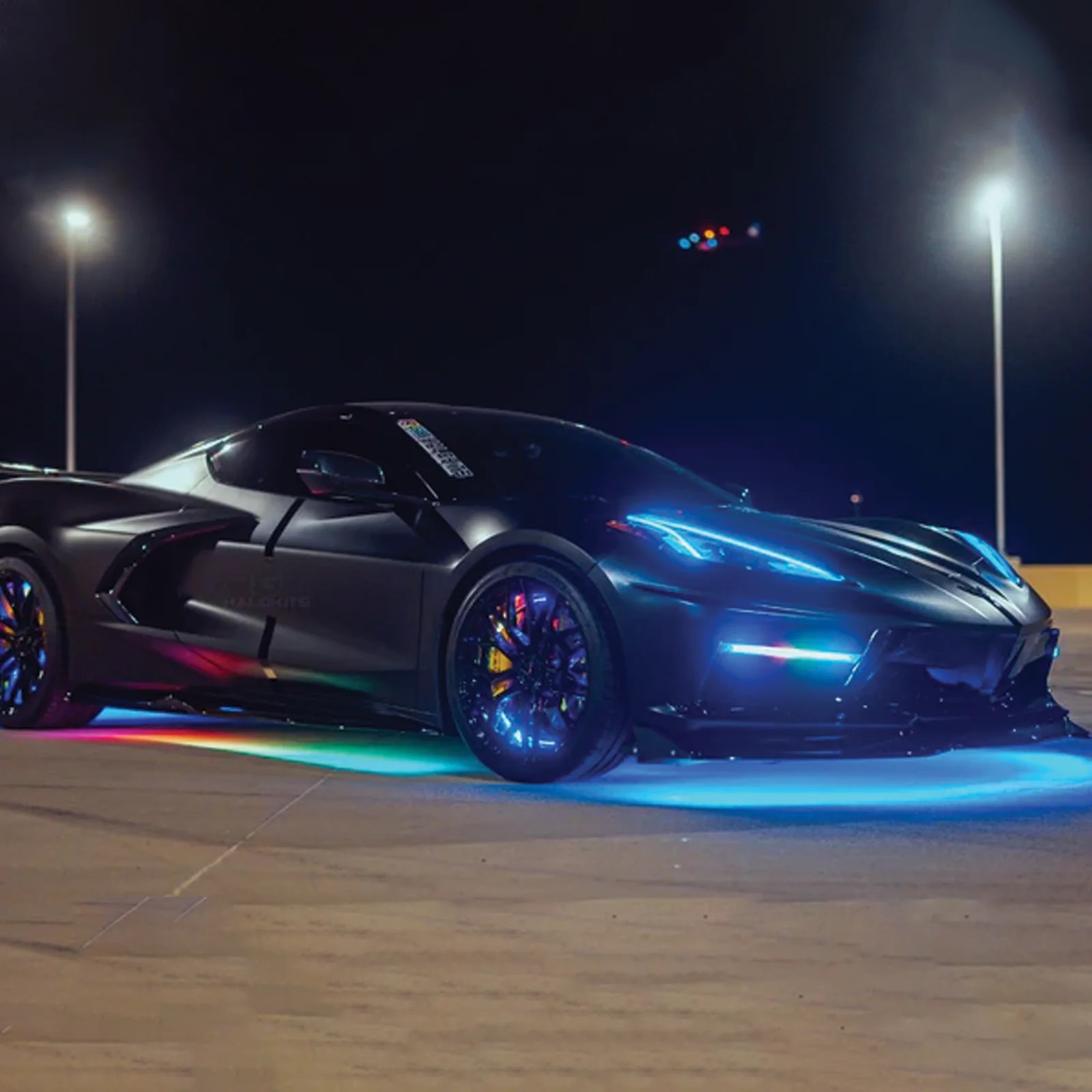
California’s car culture is a significant part of its lifestyle and tourism appeal. From classic car cruises in Pasadena to modern tuner gatherings in Orange County, the state offers countless opportunities to immerse oneself in automotive passion.
- Attend Car Shows and Events: These are the ideal venues to showcase and appreciate underglow and other modifications without legal constraints. California hosts numerous major events, including local meet-ups and internationally renowned gatherings like the SEMA Show (though this is in Las Vegas, many California car builders and enthusiasts attend). Participating in or visiting these events allows you to fully engage with the car community and the artistry of vehicle customization, making for a memorable tourism experience.
- Enjoy Scenic Drives Safely: California’s roads offer some of the most breathtaking scenic drives in the world, from the winding Pacific Coast Highway to the desert landscapes near Palm Springs. The joy of these journeys comes from the scenery and the driving experience, not from attracting unnecessary attention from law enforcement due to illegal vehicle modifications. Ensure your vehicle is road-legal to fully appreciate these travel experiences.
- Consult Local Resources: If you’re unsure about specific modifications or local ordinances in a particular city or county within California, consult the local Department of Motor Vehicles (DMV) or local law enforcement agencies. While the California Vehicle Code applies statewide, there can be subtle differences in enforcement priorities.
In conclusion, while the dream of cruising down a California boulevard with vibrant underglow might be tempting, the reality is governed by strict regulations designed for public safety. By understanding and adhering to the California Vehicle Code’s stipulations regarding color, visibility, and vehicle status, car enthusiasts and travelers can enjoy all the Golden State has to offer responsibly. Embrace the car culture at designated events, enjoy the state’s beautiful landscapes with peace of mind, and ensure your vehicle is a source of pride, not legal trouble. This approach allows for a fulfilling travel and lifestyle experience, blending personal expression with legal compliance.
LifeOutOfTheBox is a participant in the Amazon Services LLC Associates Program, an affiliate advertising program designed to provide a means for sites to earn advertising fees by advertising and linking to Amazon.com. Amazon, the Amazon logo, AmazonSupply, and the AmazonSupply logo are trademarks of Amazon.com, Inc. or its affiliates. As an Amazon Associate we earn affiliate commissions from qualifying purchases.