
The University of Miami is a name that resonates with academic excellence and a vibrant campus life, often conjuring images of sunshine, a tropical setting, and a prestigious educational experience. However, for many, a fundamental question lingers: is the University of Miami a private institution? This question is not just about institutional classification; it touches upon a range of aspects that impact everything from admissions and tuition to the overall campus atmosphere and the student experience. Understanding the private nature of the University of Miami unlocks a deeper appreciation for its distinct character, its role within the broader landscape of higher education, and even its connection to the rich tapestry of travel and lifestyle that Miami itself offers.

When we delve into the identity of any university, especially one as prominent as the University of Miami, several defining characteristics come to the forefront. Its affiliation, funding model, and operational structure are key indicators of its nature. For institutions of higher learning, the distinction between public and private is significant. Public universities are typically funded and overseen by state governments, often resulting in lower tuition fees for in-state residents. Private universities, on the other hand, rely on tuition, endowments, and private donations, which can lead to higher tuition costs but also offer greater autonomy in their academic and administrative decisions. The University of Miami falls squarely into the latter category, operating as a private, non-profit research university. This classification is not merely a technicality; it shapes its mission, its accessibility, and its strategic direction.
The Private Advantage: Autonomy and Distinctiveness
The private status of the University of Miami grants it a significant degree of autonomy. This independence allows the institution to chart its own course, unburdened by the direct oversight that state-funded universities often face. This freedom translates into several key advantages.
Academic Freedom and Innovation
One of the most significant benefits of being a private institution is the enhanced academic freedom it typically enjoys. Without the direct influence of state legislatures or political bodies, universities like the University of Miami can be more agile in adapting their curricula, fostering interdisciplinary research, and pursuing innovative academic programs. This allows for the development of niche programs and cutting-edge research initiatives that might not be feasible in a more regulated public setting. For students, this can mean access to a wider array of specialized courses and opportunities to engage with faculty at the forefront of their fields. The University of Miami’s commitment to research, particularly in areas like marine science, biomedical engineering, and international business, is a testament to this freedom.
Distinctive Campus Culture and Student Experience
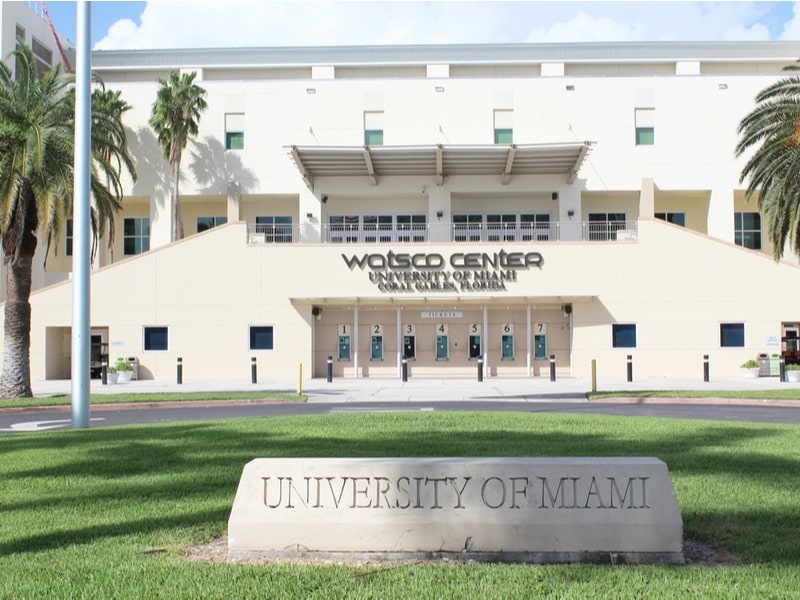
A private university often cultivates a more distinct campus culture. The University of Miami, nestled in the vibrant and multicultural environment of Miami, leverages its private status to foster a unique student experience. This includes a strong emphasis on a holistic education, where academic rigor is balanced with a rich array of extracurricular activities, arts, and athletic programs. The University of Miami boasts a spirited Division I athletic program, contributing to a lively campus atmosphere and a strong sense of community. The student body, drawn from across the United States and internationally, contributes to a diverse and dynamic environment. This diversity, coupled with the university’s private funding, allows for the creation of specialized student support services, enhanced campus facilities, and a personalized approach to student development. From its iconic Coral Gables campus to its various research facilities, the university aims to provide a comprehensive and engaging environment for its students, often aligning with the aspirations of those seeking a luxurious and fulfilling lifestyle.
Financial Models and Investment

The financial structure of a private university like the University of Miami is a critical differentiator. While public universities rely heavily on state appropriations, private institutions depend on a diversified revenue stream. This typically includes tuition fees, which can be substantial, but also significant contributions from its endowment, alumni donations, and research grants. The University of Miami’s endowment plays a crucial role in funding scholarships, faculty research, and campus infrastructure. This financial independence allows the university to invest in state-of-the-art facilities, attract top-tier faculty, and offer competitive financial aid packages, even while maintaining a higher sticker price for tuition. This model enables the university to remain competitive on a global scale and to pursue its long-term strategic goals without the immediate pressures of public funding fluctuations. This financial strength also supports the university’s engagement with the broader Miami community, often contributing to local economic development and cultural initiatives.
The Private University in the Context of Travel and Lifestyle
The private nature of the University of Miami also has subtle yet significant implications for those interested in the broader aspects of travel, accommodation, and lifestyle associated with Miami. For prospective students, families, and visitors, understanding the university’s identity as a private entity can inform their choices and expectations.
Accommodation and Campus Proximity
For individuals visiting the University of Miami, whether for admissions interviews, campus tours, or to attend events, the availability and type of accommodation become a consideration. While the university has its own residential halls for students, visitors often seek hotels or other forms of lodging in the surrounding areas of Coral Gables and beyond. The university’s private status can sometimes influence the development of surrounding amenities and the types of businesses that flourish in its vicinity. This might include a greater presence of boutique hotels, upscale restaurants, and luxury apartments catering to a demographic that appreciates the quality and exclusivity often associated with private institutions. Areas like Coral Gables are known for their beautiful architecture and a sophisticated lifestyle, offering a range of hotels and resorts that complement the university’s image. Many of these establishments provide amenities that cater to both leisure travelers and those on business, reflecting the diverse needs of visitors drawn to Miami for various reasons, including its academic offerings.
Experiencing Miami’s Lifestyle and Landmarks
The University of Miami is intrinsically linked to the vibrant lifestyle of Miami. As a private university, it is able to cultivate relationships and partnerships that enhance the student experience and also offer visitors a glimpse into the city’s unique appeal. From its proximity to iconic landmarks like Vizcaya Museum & Gardens to the lively atmosphere of South Beach, Miami offers an unparalleled lifestyle experience. The university’s focus on student life, its athletic programs, and its engagement with the arts and culture contribute to the overall allure of the city. For those interested in luxury travel, budget travel, or even family trips, Miami presents a wealth of opportunities. The University of Miami’s presence adds another dimension to the city’s appeal, attracting a demographic that values education, culture, and a dynamic urban environment. Exploring local culture, indulging in food experiences, and participating in various activities are all part of the broader Miami experience that a private institution like the University of Miami is nestled within.
Tourism and Academic Pursuits
The connection between academic institutions and the tourism sector is often underestimated. The University of Miami, as a prominent institution, draws researchers, academics, and students from around the world. This influx of individuals contributes to the local tourism economy. Furthermore, the university’s own landmarks and facilities, such as its art galleries or architectural marvels, can become points of interest for visitors. For those who appreciate history and nature, the university’s location in South Florida provides access to a unique environment. The University of Miami is not just an academic powerhouse; it is a vital component of the Miami ecosystem, influencing and being influenced by the city’s vibrant tourism industry. Whether you are looking for guides, experiences, or simply want to understand the fabric of Miami, the University of Miami’s private identity plays a role in shaping the narrative.
In conclusion, the University of Miami is indeed a private institution. This classification is not merely a designation but a foundational element that shapes its academic freedom, its distinctive campus culture, its financial stability, and its very identity. For students, faculty, and visitors alike, understanding this private status offers valuable insights into the unique opportunities and experiences available at this esteemed university and within the captivating city of Miami. Its private nature allows it to thrive as a hub of innovation and a cornerstone of a globally recognized lifestyle destination.