
The Sunshine State, a perennial favorite for travelers seeking sun-drenched beaches, vibrant theme parks, and a thriving nightlife, also presents a unique legal landscape regarding cannabis. As you plan your Florida adventure in 2024, understanding the current regulations surrounding marijuana is crucial for a seamless and worry-free experience. This guide delves into the legality of weed in Florida, covering both recreational and medical use, and offers insights relevant to tourists and residents alike, keeping in mind the state’s prominent role in tourism and lifestyle.
Florida’s approach to cannabis has evolved significantly over the past decade. While once a state with some of the strictest drug laws, a growing wave of public support and legislative action has led to a more nuanced framework. For 2024, the primary distinction remains between medical and recreational cannabis.

Medical Marijuana in Florida: A Qualified Access Program
Florida voters approved Amendment 2 in November 2016, which broadly legalized medical marijuana for patients with qualifying debilitating medical conditions. This marked a significant turning point, opening the door for a regulated medical cannabis program. Since then, the Florida Department of Health has been instrumental in establishing and overseeing this program.
Qualifying Conditions and Patient Registration
To legally obtain and use marijuana in Florida for medical purposes, individuals must be diagnosed with a qualifying condition by a licensed Florida physician. The list of qualifying conditions is extensive and includes, but is not limited to:
- Cancer
- Glaucoma
- HIV/AIDS
- Chronic non-malignant pain caused by a skeletal, muscular, or neurological issue, or that is the result of a valid medical diagnosis that has persisted for at least 12 weeks or is reasonably expected to persist for at least 12 weeks, which has severely and adversely affected the patient’s ability to perform daily activities, as determined by a qualified physician.
- Epilepsy or other seizures
- Multiple sclerosis
- Parkinson’s disease
- Amyotrophic lateral sclerosis (ALS)
- Crohn’s disease
- Post-traumatic stress disorder (PTSD)
- Any other condition that a state qualified physician determines will serve the same purpose or benefit as a listed condition.
Once a patient has a qualifying condition, they must be registered in the Florida Medical Marijuana Use Registry (MMUR). This registration process is handled by the Florida Department of Health. Upon successful registration, patients receive an identification card, which is essential for legally purchasing medical cannabis from licensed dispensaries.
Accessing Medical Marijuana in Florida
For registered patients, access to medical marijuana is primarily through licensed dispensaries, also known as Medical Marijuana Treatment Centers (MMTCs). These MMTCs are state-regulated and must adhere to strict guidelines regarding cultivation, processing, testing, and dispensing of cannabis products. Patients can purchase a variety of products, including flower, oils, tinctures, edibles, and topicals.
It’s important for medical marijuana patients traveling to Florida to understand that their out-of-state medical marijuana cards are generally not recognized. To legally purchase and consume medical cannabis in Florida, they must obtain a Florida medical marijuana card. This process can take time, so it’s advisable to initiate it well in advance of a trip if medical cannabis is a necessity.
Possession Limits for Medical Marijuana Patients
Registered medical marijuana patients are permitted to possess a limited amount of marijuana. As of 2024, patients can possess up to 2.5 ounces of low-THC cannabis and 4 ounces of smokable or non-smokable marijuana within a 35-day supply period. There are specific provisions for increasing these limits under certain circumstances, requiring physician approval and a special notation on the patient’s profile in the MMUR. It is crucial for patients to be aware of these limits to avoid any legal complications.
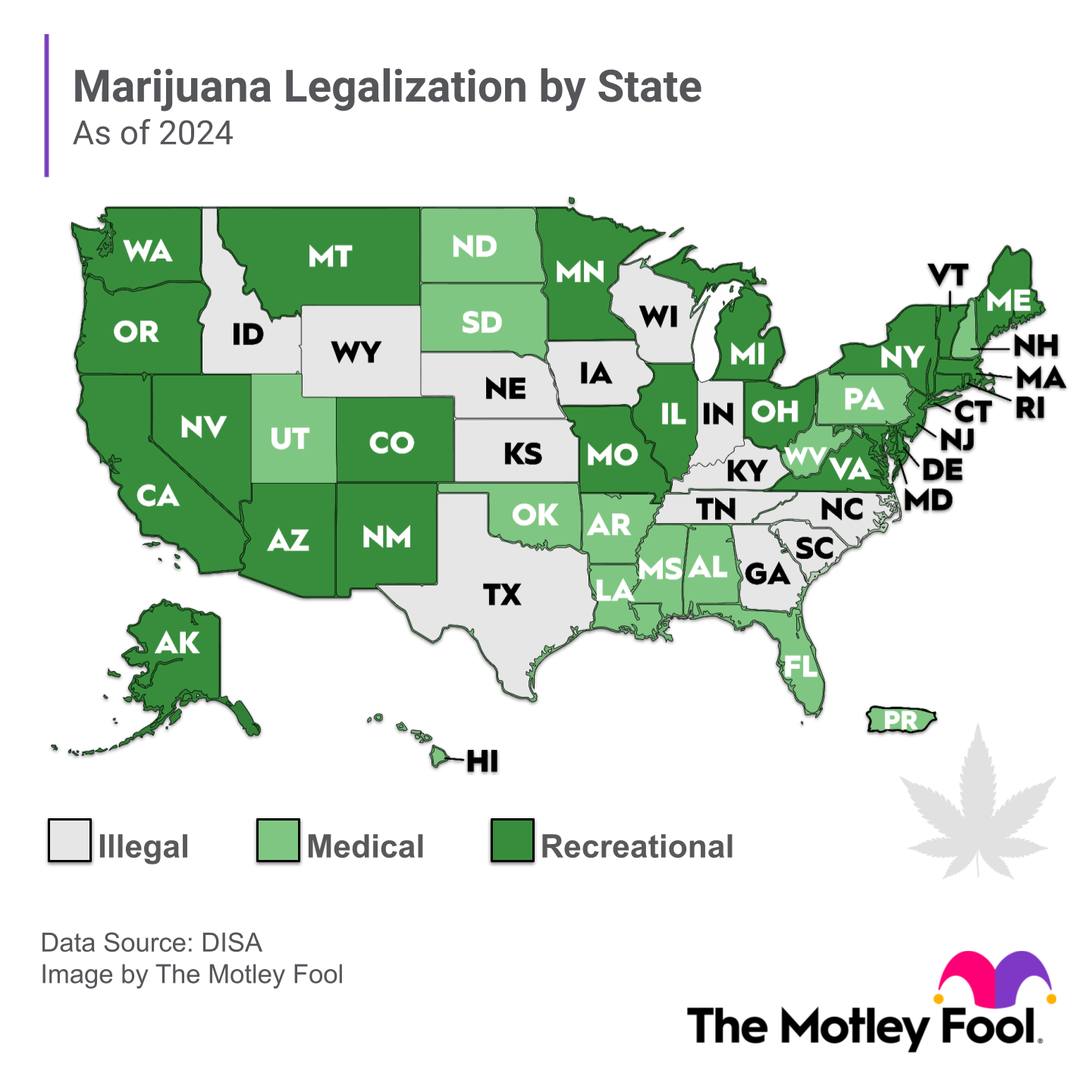
Recreational Marijuana: Still Illegal in Florida
Despite the significant strides in medical cannabis legislation, recreational marijuana remains illegal in Florida in 2024. This means that possessing, consuming, selling, or cultivating cannabis for non-medical purposes can lead to criminal charges, including fines and potential jail time. The laws are strictly enforced, and tourists and residents alike must be aware of these restrictions.
Penalties for Recreational Marijuana Possession
The penalties for recreational marijuana possession in Florida vary based on the amount of cannabis involved and whether it’s a first offense or a subsequent offense.
- Small amounts (less than 20 grams): Possession of less than 20 grams of marijuana is generally considered a misdemeanor. A first offense can result in up to one year in jail and a $1,000 fine. Subsequent offenses can lead to more severe penalties, including felony charges. It’s important to note that even small amounts can lead to arrest and a criminal record, which can have long-term consequences for employment and travel.
- Larger amounts (20 grams or more): Possession of 20 grams or more of marijuana is a felony, carrying more severe penalties, including significant prison sentences and substantial fines.
- Intent to sell or distribute: Even if the amount is relatively small, if law enforcement believes there is an intent to sell or distribute marijuana, the charges can escalate to felony offenses with much harsher penalties.
Traveling with Marijuana in Florida
Bringing marijuana into Florida, whether from another state or even another country, is strictly prohibited and can lead to severe federal charges, especially if crossing state lines. Federal law still classifies marijuana as a Schedule I controlled substance, meaning that transporting it across state borders is a federal offense. Similarly, attempting to bring marijuana purchased legally in another state into Florida is illegal.
Furthermore, even if you are a registered medical marijuana patient, you cannot legally transport your medication across state lines. Each state has its own specific regulations, and reciprocity for medical marijuana cards is extremely limited.
The Future of Recreational Marijuana in Florida
The conversation around recreational marijuana legalization in Florida is ongoing. Several initiatives and proposed legislation aim to bring a regulated recreational market to the state. In November 2024, Florida voters will have the opportunity to vote on a constitutional amendment that could legalize recreational marijuana for adults aged 21 and older. If passed, this amendment would permit possession of up to three ounces of marijuana, with no more than five grams of concentrate, for personal use. It would also allow for the cultivation of up to six cannabis plants per household for personal use.
However, it is crucial to remember that as of now, this is a proposal. Until and unless this amendment is passed and enacted into law, recreational marijuana remains illegal in Florida. The outcome of this vote will significantly shape the future of cannabis in the Sunshine State and is a closely watched development for both residents and the tourism industry, which thrives on a welcoming and legally clear environment. Many businesses, particularly those in the hospitality sector like hotels in Miami or resorts in Orlando, are keenly observing these legislative developments.
Impact on Tourism and Lifestyle
The current legal status of marijuana has implications for travelers and those seeking to enjoy Florida’s diverse lifestyle offerings. For instance, while enjoying a relaxing stay at a resort in the Florida Keys or exploring the vibrant city life of Miami, visitors must be mindful of the strict no-tolerance policy for recreational cannabis. This includes strict adherence to hotel policies, as most accommodations do not permit the use or possession of illegal substances on their premises.
For those interested in luxury travel or even budget-friendly family trips, understanding local laws is paramount. Ignoring them can quickly turn a dream vacation into a legal nightmare. The vibrant culture and endless activities, from exploring the natural beauty of the Everglades National Park to experiencing the thrill of theme parks in Orlando, should be enjoyed without the added stress of legal entanglements.

Navigating Florida’s Cannabis Laws
For individuals who qualify for medical marijuana, the process of obtaining a card and purchasing products through licensed dispensaries provides a legal pathway. However, this still requires adhering to specific possession limits and usage guidelines. It is always advisable to consult with a qualified Florida-licensed physician if you believe you might have a qualifying condition.
For everyone else, the message is clear: recreational marijuana is illegal in Florida in 2024. Law enforcement agencies are vigilant, and the consequences of possession or use can be significant. When planning your visit to popular destinations like Tampa or enjoying the historical charm of St. Augustine, ensure your activities remain within the bounds of Florida law. This includes being aware of the legal status of any substances you might consider possessing or consuming.
In conclusion, while Florida’s medical marijuana program offers a legal avenue for patients, recreational cannabis use remains a prohibition. As the state navigates potential future changes, staying informed about the current laws is essential for a safe and enjoyable experience, whether you are here for a brief vacation, a long-term stay, or are a resident embracing the Sunshine State’s lifestyle.