
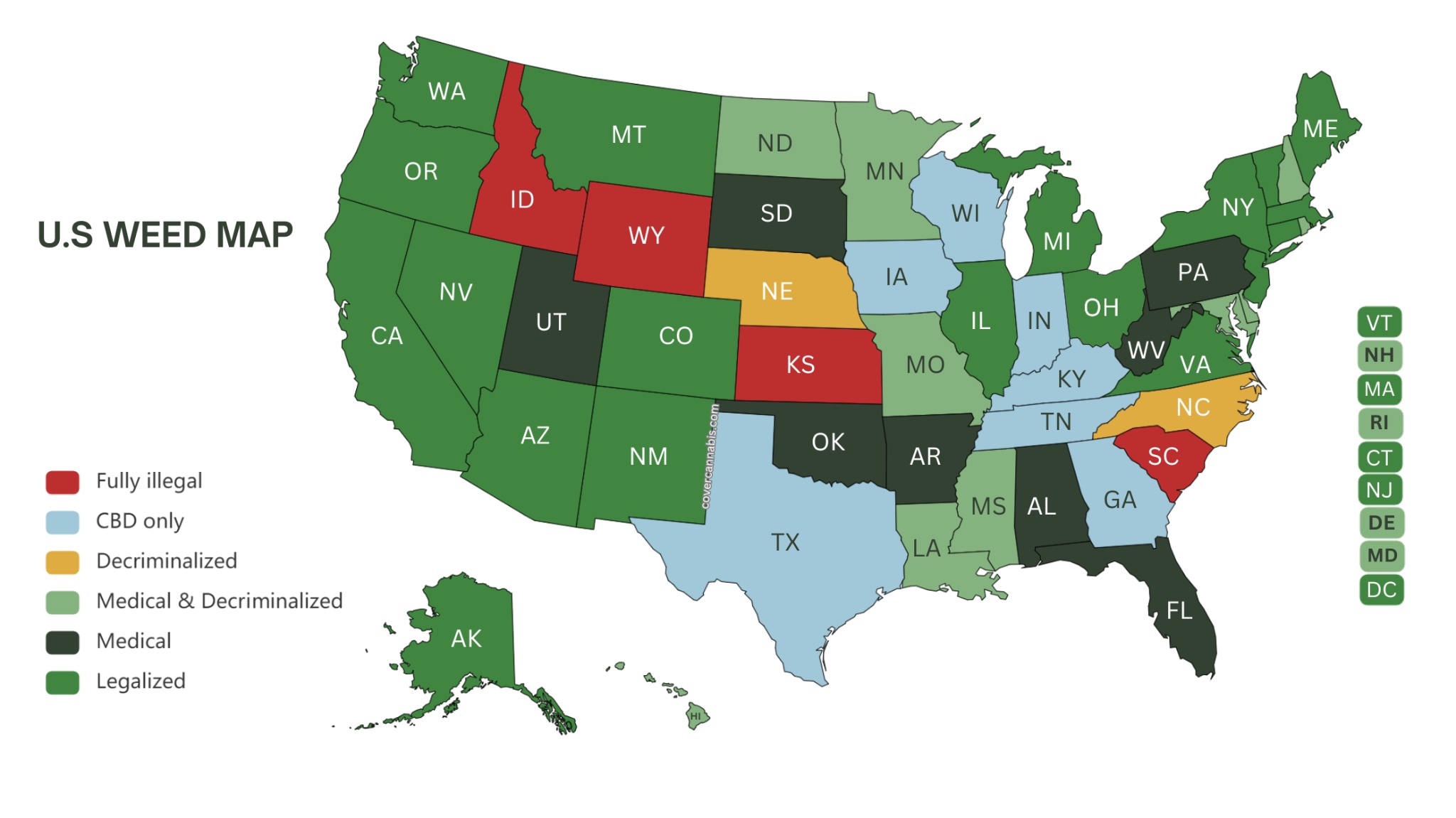
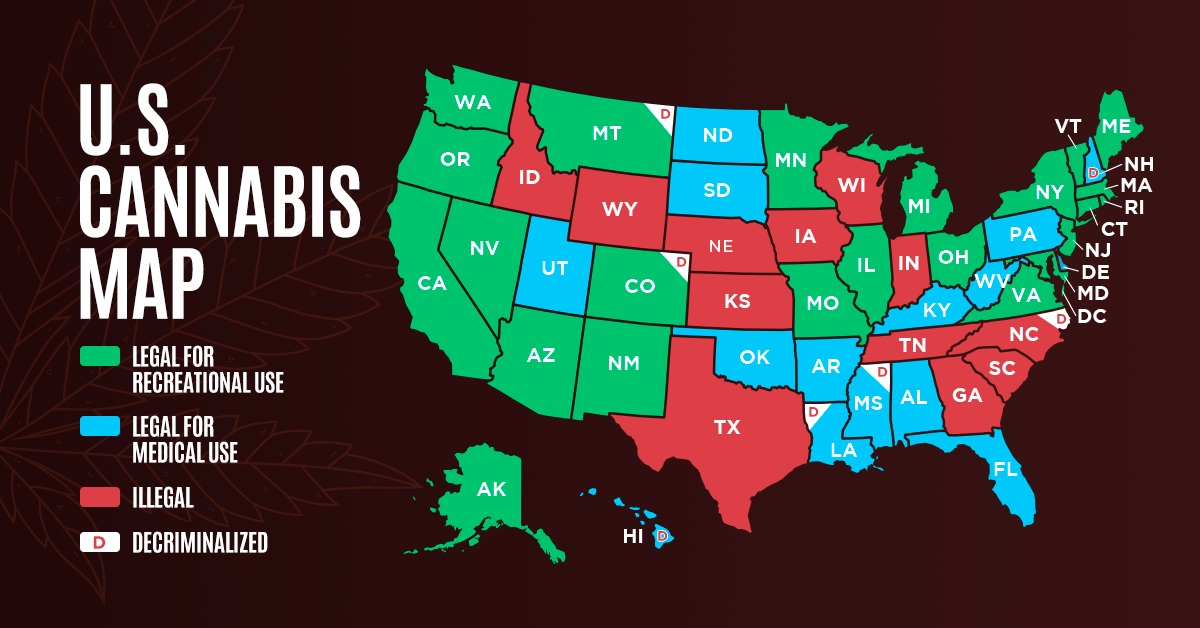
The legal landscape surrounding cannabis in the United States has undergone a dramatic transformation in recent years, with more states opting to legalize its recreational use. For travelers and prospective visitors to the Nutmeg State, a crucial question arises: “Is weed legal in Connecticut in 2024?” The short answer is yes, adult-use cannabis is legal in Connecticut, making it an important consideration for anyone planning a trip or considering the lifestyle implications within the state. Understanding the nuances of these laws is essential for responsible travel, enjoying local culture, and navigating accommodation options.
The Dawn of Adult-Use Cannabis in the Nutmeg State
Connecticut’s journey towards cannabis legalization reflects a broader national trend, balancing public health, social equity, and economic opportunities. The state has meticulously crafted its regulations to ensure a controlled and responsible market for both residents and visitors.
A Timeline of Legalization: From Medical to Recreational
Connecticut first embraced medical cannabis in 2012, establishing a framework for patients with qualifying conditions to access cannabis products. This initial step laid the groundwork for a more comprehensive approach. After years of discussion and legislative efforts, adult-use cannabis was officially legalized on June 22, 2021, when Governor Ned Lamont signed Public Act 21-1, often referred to as the Responsible and Equitable Regulation of Adult-Use Cannabis Act. While the signing marked the legislative victory, the rollout of adult-use sales was phased, ensuring that the necessary infrastructure, licensing, and regulatory frameworks were firmly in place. Recreational sales officially commenced on January 10, 2023, ushering in a new era for the state. This measured approach allowed Connecticut to learn from other states and implement a system designed for sustainability and equity, creating a new facet of the local economy that impacts everything from tourism to daily lifestyle.
Key Provisions: What’s Permitted for Adults 21+
For any adult aged 21 or older, whether a resident or a tourist exploring destinations like Hartford or New Haven, several key provisions dictate what is legally permissible:
- Possession: Adults can legally possess up to 1.5 ounces (42.5 grams) of cannabis flower or its equivalent (e.g., 5 grams of concentrate) on their person. This amount is sufficient for personal use during a visit, whether you’re enjoying the vibrant city life or relaxing in a more secluded area.
- Home Storage: In one’s private residence, the limit for cannabis storage is higher, allowing up to 5 ounces (141.7 grams). This distinction is important, particularly for those staying in long-term accommodation or vacation rentals, as it provides a buffer for slightly larger quantities stored securely within a private space.
- Purchasing: Cannabis can only be purchased from licensed retailers and dispensaries. These establishments are strictly regulated to ensure product quality, safety, and adherence to legal limits. Visitors should be aware that these are the only legitimate sources for legal cannabis.
- Giving Away: Adults 21 and older can gift cannabis to other adults 21 and older, provided the amount does not exceed the personal possession limit of 1.5 ounces. Selling cannabis without a license, however, remains strictly illegal.
- Cultivation: Home cultivation is permitted for adults 21 and older, but there are specific limitations and an effective date. As of July 1, 2023, individuals can grow up to three mature and three immature cannabis plants indoors, with a maximum of 12 plants per household. This aspect of the law primarily caters to residents, but it signifies a complete overhaul of previous prohibitions.
These provisions are designed to create a regulated market that prioritizes safety and restricts access to minors, while offering adults the freedom to make personal choices regarding cannabis use.
Navigating Cannabis in Connecticut: What Tourists and Residents Need to Know
Understanding where you can purchase and consume cannabis in Connecticut is paramount for a seamless and lawful experience. This is especially true for tourists who might be accustomed to different regulations in their home states or countries.
Where to Purchase: Licensed Dispensaries and Retail Locations
The only legal avenue for purchasing recreational cannabis in Connecticut is through state-licensed dispensaries. These establishments, previously serving only medical patients, have expanded their operations to cater to adult-use customers. Locations can be found in various cities across the state, including but not limited to Hartford, New Haven, Norwalk, Stamford, and Bridgeport, as well as smaller towns like New London.
When visiting a dispensary, you will need a valid government-issued ID proving you are 21 years of age or older. Dispensaries typically offer a range of products, including flower, edibles, concentrates, vapes, and tinctures, each with varying potencies and consumption methods. The staff are usually knowledgeable and can guide you through the selection process, explaining product effects and recommended dosages, which is particularly helpful for first-time users or those unfamiliar with specific product types. These dispensaries often embody a modern, clean retail experience, far removed from past stereotypes, resembling more of a wellness boutique or high-end pharmacy. For tourists, visiting a dispensary can be part of an authentic local experience, offering insight into the state’s regulated cannabis market.
Consumption Rules: Public vs. Private Spaces
While purchasing and possessing cannabis is legal, consumption rules are stringent, especially concerning public spaces.
- Public Consumption is Illegal: It is illegal to smoke or consume cannabis in public places in Connecticut. This includes parks, sidewalks, beaches, restaurants, bars, and any other public or quasi-public space. Penalties for public consumption can range from fines to more severe consequences depending on the specific circumstances and location. This mirrors the laws against public consumption of alcohol and tobacco in many areas.
- Private Property is Key: Cannabis use is generally permitted on private property, provided the property owner allows it. This is where the topic of accommodation becomes crucial for travelers. If you are staying in a private residence, such as an Airbnb or a friend’s home, you may consume cannabis there with the owner’s permission.
- No Smoking in Prohibited Areas: Even on private property, cannabis cannot be smoked in areas where tobacco smoking is prohibited by state law, such as workplaces. This protects individuals from secondhand smoke and ensures health standards are maintained.
The emphasis on private consumption means that individuals must exercise discretion and respect property rules. This aspect heavily influences the “tourism” and “lifestyle” components, as visitors must plan their consumption opportunities carefully.
Understanding Possession Limits and Home Cultivation
Reiterating the limits:
- On Person: Up to 1.5 ounces of cannabis flower or its equivalent.
- At Home: Up to 5 ounces of cannabis flower or its equivalent in a locked container or area.
- Vehicle: Cannabis must be stored in a sealed container in the trunk or a locked glove compartment. It cannot be in the immediate reach of the driver or passengers.
- Home Cultivation: As of July 1, 2023, adults 21+ can grow up to three mature and three immature plants indoors, with a household maximum of 12 plants. This is strictly for personal use and not for commercial distribution.
These limits are designed to deter illicit sales and control the amount of cannabis circulating outside the regulated market. For tourists, it’s particularly important to remember the “on person” limit, as exceeding it could lead to legal issues. While home cultivation is a significant aspect of the law, it primarily impacts residents and those with long-term accommodation, rather than transient visitors.
Practical Considerations for Travelers and the Connecticut Lifestyle
For anyone planning to visit Connecticut, from those seeking luxury travel experiences to budget-conscious adventurers, the state’s cannabis laws have several practical implications.
Accommodation Policies and Cannabis Use
One of the most frequent questions from travelers pertains to cannabis use within their chosen accommodation. Unlike private residences, hotels, resorts, and other forms of paid accommodation have their own policies regarding cannabis consumption.
- Hotels and Resorts: The vast majority of hotels and resorts in Connecticut, including popular chains and boutique hotels, have strict no-smoking policies, which almost universally extend to cannabis. This is due to a combination of factors, including federal prohibition (which still applies to many businesses, even in legal states), fire safety, and the desire to maintain a comfortable environment for all guests. Even if cannabis is consumed via edibles or vapes, some establishments may still prohibit it. It is crucial to check with your specific hotel or resort in cities like Hartford, [New Haven](https://lifeoutofthebox.com/new-haven], or Stamford before assuming any form of cannabis use is allowed. Violating these policies can lead to fines, eviction, or other penalties.
- Vacation Rentals (Airbnb, VRBO, etc.): With vacation rentals, the policy is typically at the discretion of the individual property owner. Some owners may explicitly state “no smoking” or “no cannabis use” in their listings, while others may be more lenient. It is always best to communicate directly with the host to clarify their rules regarding cannabis consumption, especially if you plan to use it. Many property owners prioritize protecting their investment from smoke damage or lingering odors.
- Cannabis-Friendly Accommodation: While rare, a nascent market for cannabis-friendly accommodation is beginning to emerge in some legal states. As of 2024, Connecticut does not have a robust, widely recognized network of such establishments. Travelers seeking this type of accommodation would need to research thoroughly and verify current offerings, which are often niche and independently operated.
Therefore, for most tourists, planning cannabis consumption means utilizing edibles or other non-smokeable forms discreetly on private property where explicit permission has been granted.
Driving Under the Influence and Interstate Travel Warnings
The legalization of cannabis does not diminish the severe penalties for impaired driving.
- Driving Under the Influence (DUI): Operating a motor vehicle under the influence of cannabis is illegal and carries penalties similar to those for alcohol-impaired driving, including fines, license suspension, and potential jail time. Law enforcement agencies in Connecticut are trained to detect impairment, and roadside sobriety tests can be administered. Visitors exploring Connecticut’s scenic routes or navigating urban centers should always ensure they are sober before getting behind the wheel. Public transportation, ride-sharing services, or designated drivers are always recommended if you plan to consume cannabis.
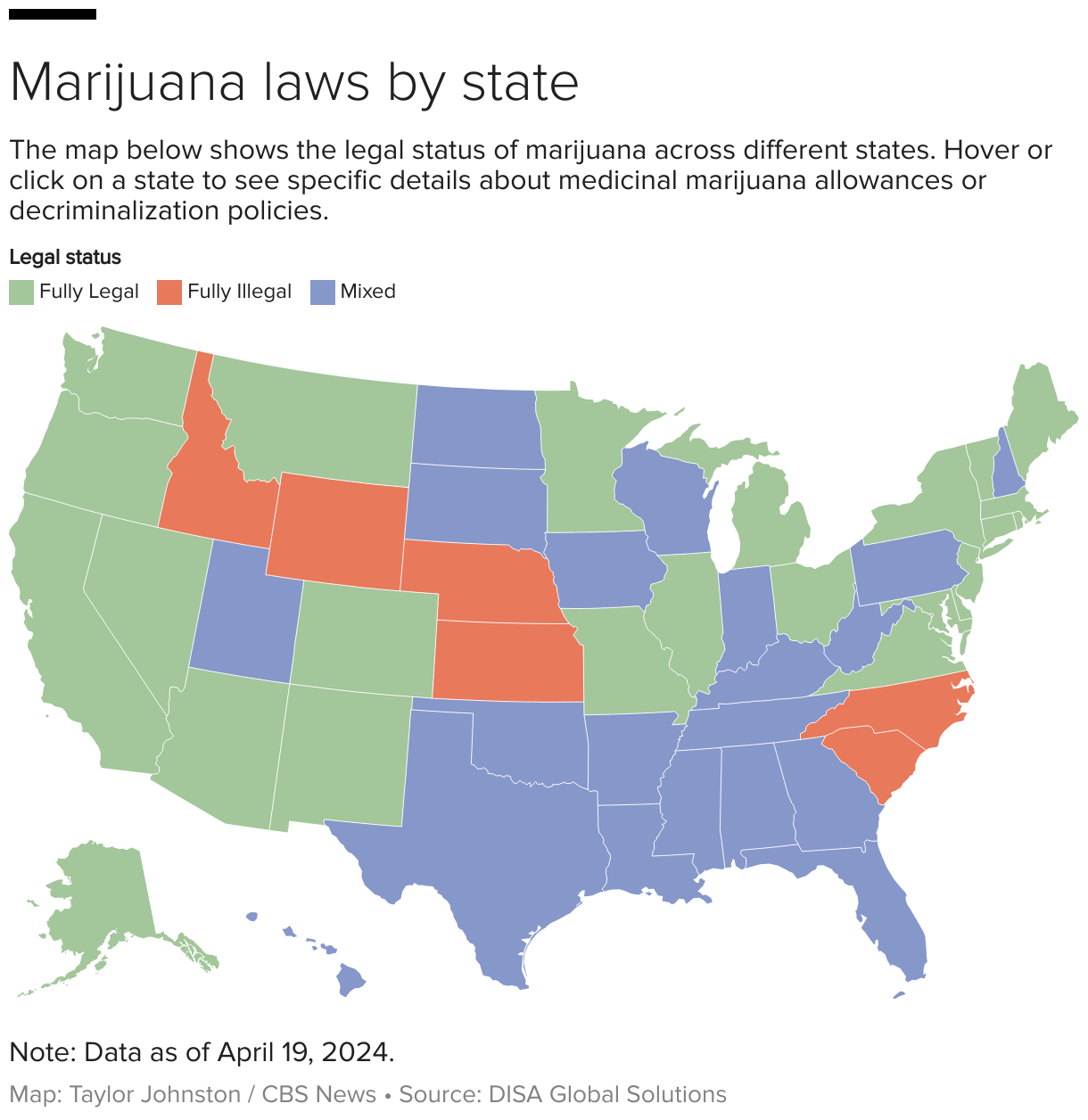
- Interstate Travel: A critical warning for all travelers: despite state-level legalization, cannabis remains illegal under federal law. This means that transporting cannabis across state lines, even between two states where it is legal, is a federal offense. This applies whether you are driving, flying, or using any other form of interstate transit. This is particularly relevant for those traveling from neighboring states like New York, Massachusetts, or Rhode Island. Even possession on federal lands within Connecticut, such as national parks or military bases, is illegal.
These warnings underscore the importance of understanding the layered legal framework surrounding cannabis in the United States.
The Broader Impact on Tourism and the Local Economy
The legalization of adult-use cannabis in Connecticut has significant implications for the state’s tourism sector and broader economy.
- Increased Tourism Potential: As a growing number of adults seek cannabis-friendly destinations, Connecticut could see an uptick in tourism from states where cannabis is still illegal, or from those simply looking to explore legal markets. This offers opportunities for new types of “experiences” or specialized “guides” focusing on responsible cannabis tourism.
- Economic Benefits: The state anticipates substantial tax revenue from cannabis sales, which will be directed towards various public services, social equity initiatives, and community development. This new industry creates jobs in cultivation, processing, retail, and ancillary services, boosting the local economy in cities and towns across the state.
- Lifestyle Integration: For residents, the legalization represents a shift in lifestyle and personal freedoms. For visitors, it’s about understanding and respecting the local regulations as they integrate into the social fabric of the state. It allows for a more open conversation about cannabis as part of adult consumption, similar to alcohol.
Looking Ahead: The Future of Cannabis in Connecticut
Connecticut’s cannabis market is still in its early stages of adult-use implementation, and like any evolving industry, it is expected to undergo further developments.
Continued Evolution and Potential for Cannabis-Friendly Experiences
The state’s cannabis laws and market structure are dynamic. We can anticipate several future developments:
- More Dispensaries and Product Variety: As the market matures, more licensed dispensaries will likely open across Connecticut, increasing accessibility and product diversity. This could include a wider range of edibles, beverages, and innovative cannabis products.
- Consumption Lounges: While not currently widespread, the concept of regulated cannabis consumption lounges (similar to bars for alcohol) could emerge in the future. These spaces would provide legal, designated areas for adults to consume cannabis outside of private residences, potentially transforming the social aspect of cannabis use and offering new attractions for tourism. Such lounges could become popular “landmarks” in urban centers, offering unique “experiences” for visitors.
- Tourism Infrastructure: As the cannabis tourism sector grows nationally, Connecticut may see the development of specific tourism packages or guides that cater to this interest, integrating cannabis experiences with existing attractions, local culture, and dining scenes. This could range from luxury travel options that include private cannabis-friendly amenities to more budget-friendly tours.
Essential Tips for Responsible Consumption
Whether you are a seasoned traveler or a first-time visitor to Connecticut, responsible consumption is key:
- Know the Law: Always stay informed about Connecticut’s current cannabis laws, as they can evolve.
- Purchase Legally: Only buy cannabis from licensed dispensaries to ensure safety and compliance.
- Consume Privately: Restrict consumption to private property where permitted, and never in public spaces.
- Do Not Drive Impaired: Plan for alternative transportation if you intend to consume cannabis.
- Be Mindful of Federal Law: Remember the federal prohibition, especially when traveling across state lines or on federal property.
- Check Accommodation Policies: Before booking, inquire about your hotel or rental’s specific rules regarding cannabis.
In conclusion, weed is indeed legal for adults 21 and older in Connecticut in 2024, offering a new dimension for residents and visitors alike. By understanding and respecting the state’s carefully crafted regulations, individuals can safely and lawfully partake in Connecticut’s evolving cannabis landscape while enjoying all the travel, tourism, and lifestyle opportunities the Nutmeg State has to offer.
LifeOutOfTheBox is a participant in the Amazon Services LLC Associates Program, an affiliate advertising program designed to provide a means for sites to earn advertising fees by advertising and linking to Amazon.com. Amazon, the Amazon logo, AmazonSupply, and the AmazonSupply logo are trademarks of Amazon.com, Inc. or its affiliates. As an Amazon Associate we earn affiliate commissions from qualifying purchases.