
As 2025 approaches, the question of cannabis legality in the Sunshine State remains a significant topic, especially for the millions of travelers, tourists, and prospective residents drawn to its shores each year. Florida, renowned globally for its pristine beaches, vibrant cities, and world-class attractions, stands at a pivotal moment concerning cannabis policy. For anyone planning a trip, considering a move, or simply keeping an eye on evolving lifestyle trends, understanding the legal landscape of cannabis in Florida is crucial. This article delves into the current status, the potential future, and what legalization could mean for travel, tourism, and accommodation across the state by 2025.
The Current Landscape of Cannabis in Florida: A Foundation for Change
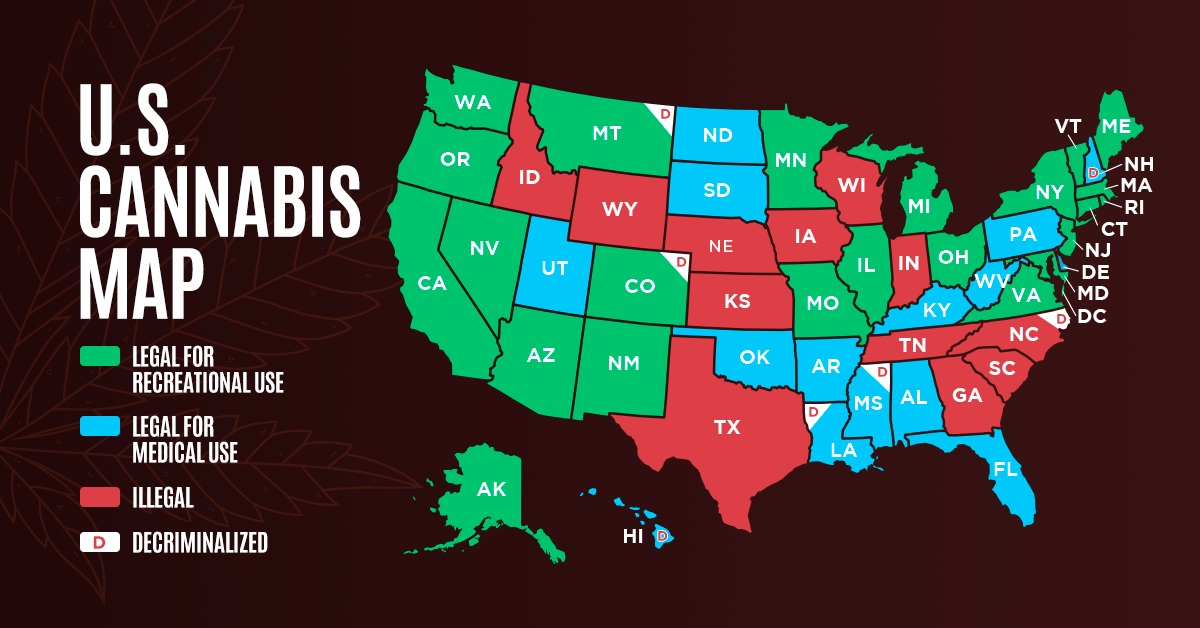
Before looking ahead to 2025, it’s essential to understand where Florida stands today regarding cannabis. The state has a robust medical marijuana program, but recreational adult-use cannabis remains prohibited. This distinction is vital for both residents and visitors.
Medical Marijuana – A Precedent for Legality
Florida legalized medical marijuana in 2016 with Amendment 2, which received overwhelming support from voters. Since then, the state has developed a comprehensive framework for patient access. The program is overseen by the Office of Medical Marijuana Use (OMMU), which manages patient registries, qualified physicians, and licensed dispensaries. To legally possess and consume medical cannabis in Florida, an individual must be a qualified patient with a valid medical marijuana use registry identification card issued by the state. This requires a diagnosis from a qualified physician for one of the state’s approved qualifying conditions, such as cancer, epilepsy, glaucoma, HIV/AIDS, PTSD, or chronic nonmalignant pain.
For travelers, this means that even if you have a medical marijuana card from another state, it is generally not recognized in Florida. Out-of-state patients cannot legally purchase medical cannabis from Florida dispensaries unless they go through the process of establishing residency and obtaining a Florida card, which is impractical for short-term visitors. This current reality underscores the critical difference between medical and recreational legality and sets a controlled precedent for how the state might approach broader legalization.
The Push for Recreational Legalization
The question of recreational, or adult-use, cannabis legalization in Florida has been gaining significant momentum. Various organizations and political campaigns have championed the cause, most notably the “Smart & Safe Florida” initiative. This campaign successfully gathered enough signatures to place a constitutional amendment on the November 2024 ballot, aiming to legalize adult-use cannabis for individuals 21 and older.
The proposed amendment seeks to allow existing licensed medical marijuana treatment centers to cultivate, manufacture, possess, process, and dispense cannabis for adult use. It also permits adults to possess limited amounts of cannabis for personal use. The journey to the ballot was not without hurdles, including challenges from the state’s Attorney General and scrutiny from the Florida Supreme Court. However, the Florida Supreme Court ultimately approved the ballot language, clearing the path for voters to decide in the 2024 general election.
If passed in November 2024, the amendment would typically take effect within a few months, meaning that by early to mid-2025, adult-use cannabis could indeed be legal in Florida. This legislative shift would undoubtedly transform many aspects of the state, particularly for its burgeoning tourism industry and the lifestyle it offers visitors.
What to Expect if Legalization Passes by 2025
Should Florida voters approve recreational cannabis legalization in November 2024, the impact on the state’s travel, tourism, and accommodation sectors would be profound and multi-faceted.
Impact on Florida Tourism and Travel
The legalization of adult-use cannabis could usher in a new era for Florida tourism, potentially attracting a demographic of travelers interested in cannabis-friendly experiences.
- Destinations & Attractions: Cities like Miami, with its vibrant nightlife and cultural scene, Orlando, famous for its theme parks, and coastal gems like Tampa and Key West, could see an emergence of cannabis-related businesses and experiences. This might include cannabis lounges, specialized tours, or events catering to cannabis enthusiasts. While theme parks like Walt Disney World and Universal Studios Florida will likely maintain strict prohibitions on their properties due to federal law and family-friendly branding, the surrounding areas could develop a distinct cannabis-friendly ecosystem.
- Economic Boom: Beyond direct sales, legalization could generate substantial tax revenue for the state, which could be reinvested into public services, infrastructure, or even further enhancing tourist facilities. It would also create thousands of new jobs in cultivation, processing, retail, and ancillary services.
- Changing Demographics: Florida could become an even more attractive destination for travelers from states where cannabis is already legal, or those looking for a destination where they can legally consume. This could lead to an increase in overall visitor numbers and diversify the typical tourist profile.
- Local Culture & Lifestyle: The social fabric of Florida could gradually adapt. While initially, there might be apprehension, over time, responsible cannabis consumption could become a normalized aspect of local lifestyle, akin to alcohol consumption. Public education campaigns would be crucial to ensure visitors and residents alike understand the new rules and social norms.
Accommodation Policies and the Rise of “420-Friendly” Options
One of the most immediate and tangible impacts of legalization would be on accommodation options. Currently, almost all hotels, resorts, villas, and apartments strictly prohibit cannabis use on their properties, largely due to federal prohibitions and smoking policies.
- Emergence of Niche Accommodations: If cannabis becomes legal for adult use, a new market for “420-friendly” accommodations could emerge. This might include boutique hotels specifically catering to cannabis consumers, private villas or apartments advertised on platforms as cannabis-tolerant, or even dedicated cannabis resorts. These properties might offer special amenities, such as vaporizers, or designate specific areas for consumption.
- Hotel Chain Policies: Major hotel chains would likely navigate the new landscape cautiously. Many might maintain a “no cannabis” policy, particularly for smoking, mirroring their existing tobacco smoking bans. However, some might adapt by allowing edibles or vapes in designated areas, or perhaps by partnering with local dispensaries for delivery services.
- Vacation Rentals: Platforms like Airbnb and Vrbo would likely see a rise in listings explicitly stating their cannabis policies. Hosts would have the flexibility to set their own rules regarding consumption on their property, leading to a more diverse range of options for travelers.
- Booking and Reviews: Travelers would likely start seeing cannabis policies highlighted in booking details and reviews, much like pet-friendly or family-friendly filters exist today. This would empower visitors to make informed choices based on their preferences.
Regulatory Framework and Consumer Guidelines
Should legalization pass, a robust regulatory framework would be put in place by the state. This would dictate how cannabis is sold, consumed, and regulated.
- Age Restrictions: Consistent with other legal states, the minimum age for purchasing and consuming adult-use cannabis would be 21.
- Purchase Limits: There would be clearly defined limits on the amount of cannabis an individual can purchase and possess at any given time.
- Places of Consumption: It’s highly probable that public consumption of cannabis, particularly smoking, would remain prohibited. Consumption would likely be restricted to private residences or licensed consumption lounges, similar to alcohol regulations. This means lighting up on a public beach or park would likely still be illegal.
- Dispensary Licensing: The state would establish a licensing process for adult-use dispensaries, likely favoring existing medical marijuana treatment centers initially, then potentially expanding to new businesses. These dispensaries would be the only legal points of sale.
- Impaired Driving: Driving under the influence of cannabis would remain illegal, with strict penalties. Law enforcement agencies would receive training to identify impaired drivers.
- Federal vs. State Law: It’s crucial to remember that while cannabis may be legal at the state level, it remains illegal under federal law. This has implications for interstate travel, airports, and certain federal properties like Everglades National Park.
Planning Your Florida Trip in 2025: Navigating the New Landscape
Even if adult-use cannabis becomes legal in Florida by 2025, responsible travel planning and adherence to regulations will be paramount.
Before You Go: Research and Preparation
- Verify the Law: The first step for any traveler interested in cannabis is to verify the current legal status in Florida closer to your travel date. While a ballot initiative is planned, political landscapes can shift. Reputable news sources and official state government websites will be your best resources.
- Accommodation Policies: When booking your stay, explicitly inquire about the accommodation’s cannabis policy. Look for “420-friendly” designations if that’s a priority, or choose properties that clearly state their allowances for edibles or vapes in private rooms, if not smoking. Booking sites for hotels, resorts, apartments, and villas will be key resources.
- Travel Insurance: Understand how potential cannabis use might affect your travel insurance policies, especially if traveling internationally.
While You’re There: Responsible Tourism
- Respect Local Laws: Always adhere to Florida’s specific cannabis laws regarding purchase, possession, and consumption. Assume public consumption is illegal unless explicitly stated otherwise by official regulations.
- Private Property Only: Consumption will most likely be restricted to private residences or designated areas. Avoid consuming cannabis in public spaces, theme parks, or beaches.
- No Driving Under Influence: Never drive a vehicle while impaired by cannabis. Florida has strict DUI laws, and these will apply equally to cannabis.
- Airport Rules: Despite state-level legalization, federal law applies at airports such as Orlando International Airport and Miami International Airport. Do not attempt to travel with cannabis, even within Florida, as TSA operates under federal jurisdiction.
- Educate Yourself: Stay informed about the regulations by checking official state resources or asking reputable local dispensaries.
Beyond Cannabis: Enjoying Florida’s Diverse Offerings
Even with the potential for cannabis legalization, Florida will continue to offer its unparalleled range of travel experiences. Whether you’re seeking the thrill of Walt Disney World, the natural beauty of Everglades National Park, the cultural richness of Miami, or the relaxing ambiance of its endless beaches, the state’s core attractions remain its biggest draw. Cannabis, if legalized, would simply add another layer to the diverse lifestyle and tourism options available, appealing to a broader audience while complementing the traditional charms of the Sunshine State.
In conclusion, the prospect of adult-use cannabis legalization in Florida by 2025 is very real, hinging on the November 2024 ballot. Should it pass, it promises a significant shift in the state’s tourism, accommodation, and lifestyle landscape. For travelers, staying informed and practicing responsible consumption will be key to enjoying all that Florida has to offer in this exciting new era.