
For travelers exploring the vibrant landscapes, bustling cities, and serene natural beauty of New York State, understanding local laws is paramount to a smooth and enjoyable trip. Among the many questions that often arise, especially in recent years, is the legality of cannabis. The short answer is yes: recreational cannabis is legal for adults 21 and over in New York. However, the nuances extend far beyond a simple yes, particularly for those visiting from out of state. This comprehensive guide will navigate the ins and outs of cannabis legality in New York, offering essential insights for tourists seeking to explore the state responsibly, whether their journey takes them to the iconic streets of New York City, the historical sites of Albany, or the scenic wonders of Niagara Falls.
Navigating Cannabis Legality for Travelers in New York
The journey to cannabis legalization in New York has been a significant one, culminating in legislation that reshaped drug policy and opened doors for a new industry. For visitors, grasping this legislative background is key to understanding current regulations and planning their travels accordingly.
A Brief History of Cannabis Legalization in New York
New York officially legalized recreational cannabis for adults aged 21 and older on March 31, 2021, with the signing of the Marijuana Regulation and Taxation Act (MRTA). This landmark legislation not only permitted adult-use cannabis but also established a framework for a regulated market, emphasized social equity, and expunged past cannabis-related convictions. Before this, medical cannabis had been legal since 2014 under the Compassionate Care Act, but its scope was much more limited. The MRTA’s passage positioned New York as one of the largest states to embrace adult-use cannabis, transforming its approach from prohibition to regulation. This shift has implications not just for residents but also for the millions of tourists who flock to the state annually, offering a new dimension to the New York travel experience.
The Current State of Recreational Cannabis
Under the MRTA, adults 21 and older can legally possess up to three ounces of cannabis flower and up to 24 grams of concentrated cannabis. They are also permitted to grow up to six cannabis plants (three mature, three immature) at their primary residence, with a household limit of 12 plants, though this provision primarily applies to residents rather than short-term visitors. The law allows for the gifting of cannabis between adults, but selling it without a license remains illegal. These possession limits are quite generous compared to some other states, providing considerable leeway for personal use. However, the legal framework is meticulously designed to control sales and public consumption, which are critical areas for travelers to understand to avoid unintentional infractions.
Understanding Medical Cannabis
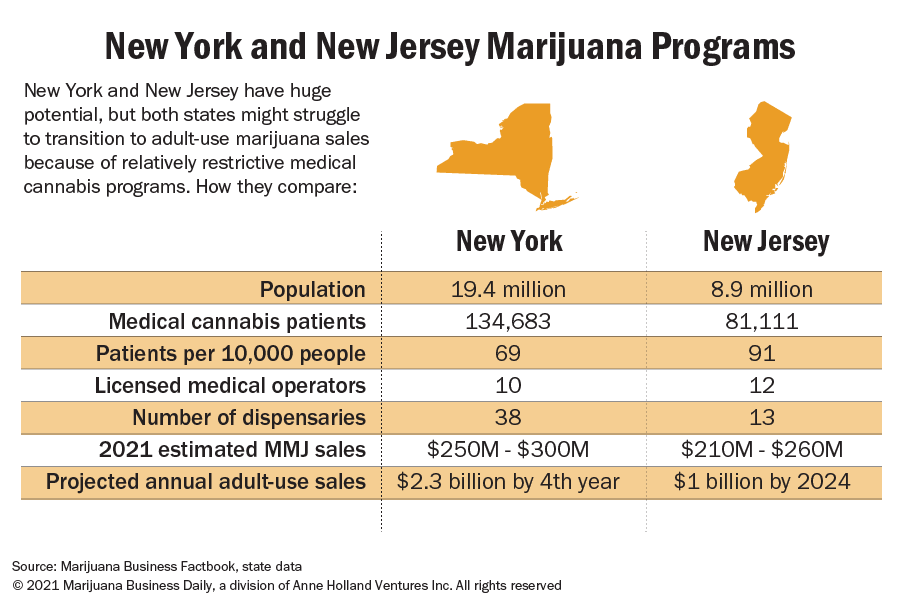
While recreational cannabis is widely available, the medical cannabis program in New York continues to operate, offering specific benefits for registered patients. The program allows certified patients with qualifying conditions to access a broader range of cannabis products, often with higher potency or specific formulations for therapeutic use. For travelers, it’s important to note that New York does not offer reciprocity for out-of-state medical cannabis cards. This means if you are a medical cannabis patient in another state, your card will not be valid for purchasing medical cannabis at New York dispensaries. However, as recreational cannabis is legal for all adults 21 and over, out-of-state medical patients can still purchase and consume recreational cannabis within the established legal limits, just like any other adult visitor. This distinction is crucial to managing expectations and ensuring legal compliance during your visit.

Where Can You Buy and Consume Cannabis?
One of the most common questions for tourists is not just if cannabis is legal, but where it can be legitimately obtained and consumed. The regulations around purchasing and consumption are strict and designed to prevent illicit sales and maintain public order.
Finding Licensed Dispensaries
The only legal way to purchase recreational cannabis in New York is through state-licensed adult-use dispensaries. These dispensaries are regulated by the Office of Cannabis Management (OCM) and are required to meet stringent safety and quality standards. As the market is still developing, the rollout of licensed dispensaries has been gradual. Travelers should check the OCM’s official website or reliable local guides to find the most up-to-date list of operational dispensaries, especially when visiting major hubs like New York City, Buffalo, or Rochester. Be wary of unlicensed pop-up shops, delivery services, or smoke shops claiming to sell cannabis; purchasing from these sources is illegal and could lead to fines or other penalties. Licensed dispensaries will clearly display their state license and typically operate with professional staff who can guide customers through product selection. For those seeking accommodation, some specialized New York City hotels or boutique resorts might be located near dispensaries, offering convenience for visitors interested in exploring the legal market.
Public vs. Private Consumption Rules
While possession is legal, public consumption of cannabis is generally prohibited, much like alcohol. This means you cannot smoke or vape cannabis in places where smoking tobacco is banned, which includes most indoor public spaces, workplaces, bars, restaurants, and within 100 feet of school grounds. Furthermore, you cannot consume cannabis in state parks, on federal land, or in private businesses that have chosen to prohibit it. The default rule is that cannabis consumption should occur in private residences. For travelers staying in hotels, apartments, or other accommodations, it’s crucial to check their specific cannabis policies. Many hotels, even those in cannabis-friendly states, maintain strict no-smoking policies, including for cannabis, due to property damage concerns or other guests’ comfort. If your accommodation allows cannabis use, it will likely be restricted to private rooms and may prohibit smoking/vaping in common areas. Responsible consumption means respecting these boundaries, ensuring your enjoyment doesn’t infringe on others’ rights or violate property rules.
Restrictions on Consumption
Beyond the general public consumption ban, specific restrictions further delineate where cannabis can and cannot be consumed. For instance, cannabis use is prohibited in vehicles, whether parked or in motion, for both drivers and passengers. Driving under the influence of cannabis is strictly illegal and carries severe penalties, akin to drunk driving. This is a critical point for anyone planning to rent a car or use their own vehicle while exploring New York’s many destinations, from the Adirondacks to Long Island. Federal law still classifies cannabis as an illegal substance, meaning it is prohibited on federal property, including national parks, federal buildings, and airports. This also means transporting cannabis across state lines, even between two states where it’s legal, is a federal offense. Tourists flying into or out of JFK Airport, LaGuardia Airport, or Buffalo Niagara International Airport should be particularly mindful of these federal regulations, as airport security and air travel fall under federal jurisdiction. Disposing of any cannabis products before entering federal property or airports is highly advisable.
Important Regulations and What Travelers Need to Know
Understanding the specific legal limits and potential pitfalls is essential for any traveler to New York. Compliance ensures a smooth trip and avoids unnecessary legal issues.
Possession Limits and Transport
As mentioned, adults 21 and over can possess up to three ounces of cannabis flower and 24 grams of concentrate. While this covers most personal use scenarios, exceeding these limits can lead to fines or even more serious charges. When transporting cannabis within New York State, it is recommended to keep it in a sealed container, out of reach, especially if driving. Keeping it in the trunk or a locked glove compartment is a good practice. Never transport cannabis across state lines, even if the destination state also has legal cannabis. Interstate travel falls under federal jurisdiction, where cannabis remains illegal. This applies to driving, flying, and even taking buses or trains. For example, if you plan a road trip from New York to Pennsylvania (where recreational cannabis is not legal), you must not carry cannabis with you. Always consume your purchases responsibly and within New York State’s borders.
Driving Under the Influence
Driving while impaired by cannabis is a serious offense in New York. Law enforcement officers are trained to recognize signs of impairment, and convictions can result in heavy fines, license suspension, and even jail time. Unlike alcohol, there isn’t a universally accepted “legal limit” for cannabis impairment that can be easily measured by a breathalyzer. Instead, impairment is often determined by field sobriety tests and observation. The safest approach is simple: if you plan to consume cannabis, do not drive. Utilize ride-sharing services, taxis, or public transportation, especially in dense urban areas like New York City, Syracuse, or Yonkers, which offer extensive transit options. This not only keeps you safe but also ensures the safety of others on the road, contributing to a responsible tourism culture.
What About New York City?
New York City, as the state’s most popular destination, sees specific applications of these laws. While the general rules apply, the sheer density and public nature of the city mean that finding appropriate places to consume can be more challenging. Public consumption is largely impractical and illegal in iconic locations such as Times Square, Central Park, or near landmarks like the Statue of Liberty and the Empire State Building. Enforcement officers may issue fines for public consumption. Many New York City hotels have strict no-smoking policies, often extending to vaping and cannabis. Visitors should inquire about specific hotel policies when booking. The city is gradually seeing the opening of licensed dispensaries across its five boroughs – Manhattan, Brooklyn, Queens, The Bronx, and Staten Island – but the rollout is ongoing. Always ensure you are purchasing from a verified, OCM-licensed retailer to avoid counterfeit products or legal issues. Navigating New York City’s vibrant nightlife and attractions responsibly means respecting these rules and prioritizing discretion.
The Broader Lifestyle and Tourism Impact
The legalization of cannabis has not only changed the legal landscape but also begun to influence New York’s tourism and lifestyle sectors, opening up new avenues for experiences and services.
Cannabis Tourism and the Emerging Market
The advent of legal cannabis has given rise to a nascent “cannabis tourism” market in New York. While still in its early stages, this sector aims to cater to travelers interested in cannabis-centric experiences. This might include guided tours of cultivation facilities (once fully operational and tourist-friendly), cannabis-friendly events, or even specialized consumption lounges that are expected to emerge once regulations are finalized. Some entrepreneurs are envisioning cannabis-friendly accommodations, akin to a boutique hotel experience, which would offer safe and legal spaces for consumption. For now, the “cannabis lifestyle” for travelers primarily revolves around purchasing legal products from licensed dispensaries and enjoying them privately. As the market matures and more specialized businesses receive licenses, we can expect a richer array of tourism offerings, integrating cannabis into a broader luxury travel or unique experience segment. Destinations beyond New York City, such as agricultural regions, might also develop agri-tourism experiences centered around cannabis cultivation, akin to wine tours in the Finger Lakes region.
Staying Safe and Responsible
For any traveler exploring New York, the ultimate goal is to have a safe, memorable, and trouble-free experience. When it comes to cannabis, this means prioritizing responsibility. Start with low doses, especially if you are new to cannabis or trying new products, as edibles, in particular, can have delayed and more potent effects. Always purchase from licensed dispensaries to ensure product quality, safety, and accurate labeling. Be mindful of your surroundings and the laws regarding public consumption. Avoid combining cannabis with alcohol, especially if you plan on engaging in activities that require full mental acuity. Remember that while New York State has embraced legalization, federal law has not, meaning federal spaces remain off-limits. By being informed, respectful of local rules, and making responsible choices, visitors can enjoy the freedom afforded by New York’s cannabis laws without encountering any issues, ensuring their focus remains on enjoying the incredible destinations, attractions, and cultural experiences the state has to offer, from the Metropolitan Museum of Art to the serene landscapes of Upstate New York.

In conclusion, yes, weed is legal for adults 21 and over in New York. This progressive stance offers a new dimension for adult visitors, aligning New York with other forward-thinking states. However, legality comes with a strict set of rules, especially concerning purchasing from licensed dispensaries, avoiding public consumption, and adhering to strict limits on possession and impaired driving. By familiarizing themselves with these regulations, travelers can confidently navigate the Empire State, ensuring their exploration of its iconic landmarks, vibrant cultural scene, and diverse landscapes is both exhilarating and entirely within the bounds of the law. Enjoy your journey through New York, responsibly and informed.
LifeOutOfTheBox is a participant in the Amazon Services LLC Associates Program, an affiliate advertising program designed to provide a means for sites to earn advertising fees by advertising and linking to Amazon.com. Amazon, the Amazon logo, AmazonSupply, and the AmazonSupply logo are trademarks of Amazon.com, Inc. or its affiliates. As an Amazon Associate we earn affiliate commissions from qualifying purchases.