
For travelers planning a visit to the expansive and diverse state of Texas, understanding the local laws, particularly concerning cannabis, is paramount for a smooth and enjoyable trip. As of 2024, the legal landscape surrounding cannabis in Texas remains complex and, for the most part, quite restrictive, especially when compared to more progressive states in the United States. This guide aims to demystify these regulations, offering crucial insights for tourists, residents, and anyone considering a journey through the Lone Star State. Whether you’re planning a thrilling city break in Houston, a cultural immersion in San Antonio, a business trip to Dallas, or a scenic retreat in the Texas Hill Country, being well-informed about cannabis laws is an essential aspect of responsible travel and lifestyle management.
The website’s focus on travel, hotels, tourism, accommodation, landmarks, and lifestyle means that this legal overview isn’t just about statutes; it’s about how these laws intersect with your experience as a visitor. From booking a stay at a luxurious Grand Hyatt Hotel in downtown Austin to exploring the historic Alamo or enjoying the vibrant nightlife, knowledge of cannabis legality can prevent unwelcome encounters with the law, ensuring your Texas adventure remains positive and memorable.
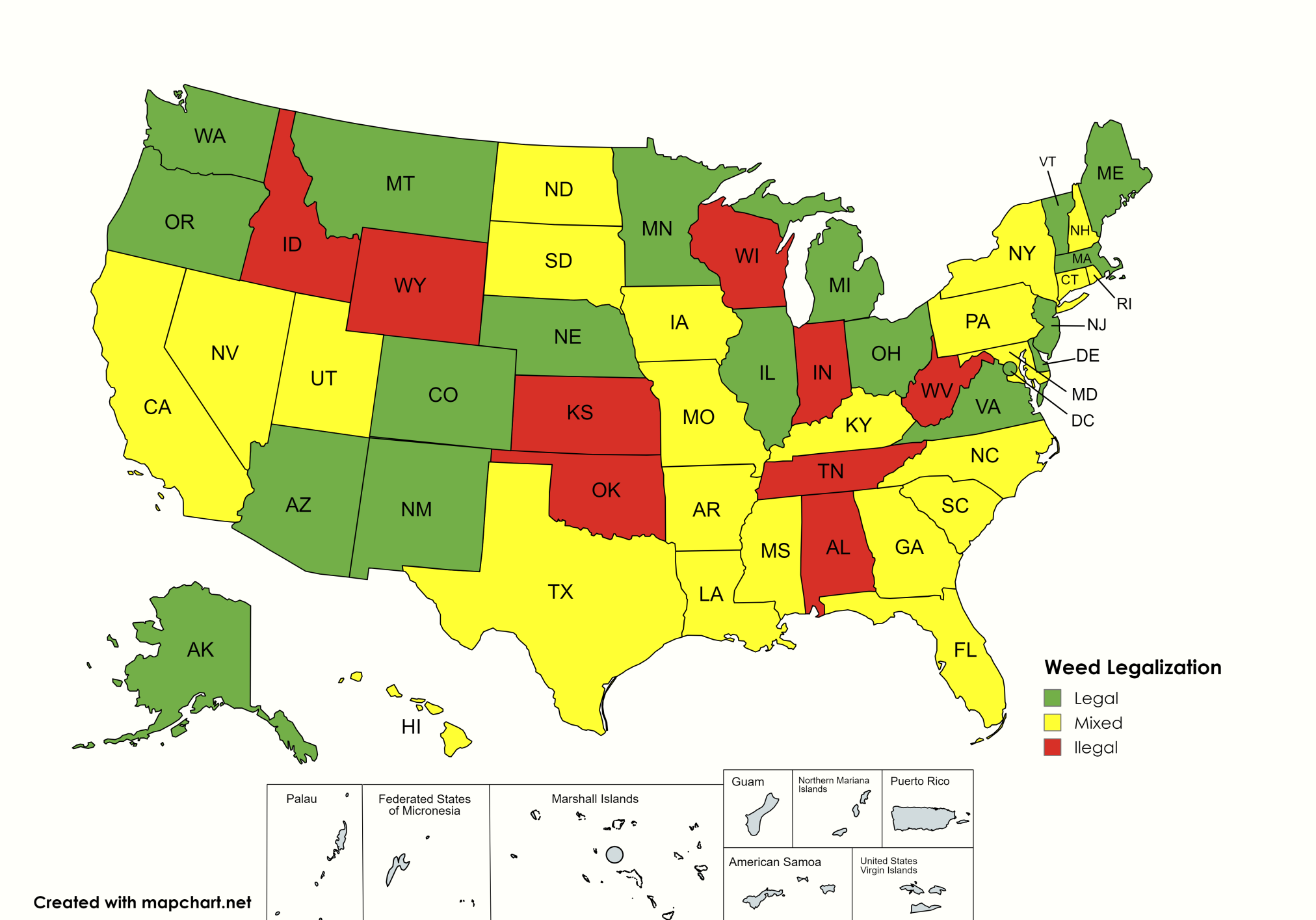
The Current Landscape of Cannabis Laws in Texas
Texas has historically maintained some of the strictest cannabis laws in the United States. Unlike many other states that have embraced full recreational legalization or comprehensive medical programs, Texas operates within a much narrower framework. For most individuals, particularly recreational users, marijuana remains largely illegal and subject to significant penalties. This foundational understanding is crucial for any visitor, as assumptions based on laws in other states could lead to serious legal repercussions within Texas.
The state’s approach is rooted in a conservative legal tradition, which places emphasis on public safety and traditional law enforcement. While there have been ongoing discussions and legislative attempts to reform cannabis laws, progress has been slow and incremental. This means that as of 2024, the general rule of thumb for cannabis—especially anything with a psychoactive THC content above the federally defined limit for hemp—is that it is prohibited for recreational use.
Marijuana vs. Hemp: Understanding the Distinction
One of the most common areas of confusion stems from the legal distinction between marijuana and hemp. Following the 2018 Federal Farm Bill, hemp was descheduled as a controlled substance, making it federally legal to cultivate and process. Texas aligned with this federal legislation, legalizing the production and sale of hemp and hemp-derived products, provided they contain less than 0.3% Delta-9 THC on a dry weight basis. This distinction is vital because while hemp-derived CBD products are widely available in Texas, and certain low-THC products like Delta-8 and Delta-10 exist in a somewhat grey area, any product exceeding the 0.3% Delta-9 THC threshold is considered marijuana and remains illegal under state law.
For tourists, this means that while you might see shops openly selling CBD oils, edibles, and even Delta-8 products in cities like Austin or Houston, these are not marijuana. Possessing actual marijuana, even small amounts, can still lead to arrest and charges. The onus is on the individual to understand the product they are purchasing and its legal status. Enforcement can also be inconsistent, with law enforcement officers sometimes having difficulty distinguishing between legal hemp and illegal marijuana without laboratory testing, although this is becoming less of an issue with better field testing kits. The key takeaway is caution: if it makes you “high” in the traditional sense associated with marijuana, it’s likely illegal in Texas.
The Compassionate Use Program: Medical Cannabis in Texas
Texas does have a medical cannabis program, known as the Texas Compassionate Use Program (TCUP), but it is notably restrictive compared to medical programs in other states. Initially launched in 2015, TCUP has expanded incrementally over the years, yet it still covers a very limited number of qualifying conditions. Patients must suffer from specific debilitating medical conditions, such as intractable epilepsy, multiple sclerosis, spasticity, autism, terminal cancer, or certain neurological disorders. Furthermore, the program primarily allows for low-THC cannabis products, specifically those with less than 0.5% THC by weight. It does not permit smoking cannabis or the use of whole-plant marijuana.
For travelers, this means that a medical marijuana card from another state is generally not recognized in Texas. Even if you are a registered medical patient elsewhere, possessing medical cannabis products that exceed Texas’s TCUP limits or are not prescribed by a TCUP-registered physician would be considered illegal. This poses a significant challenge for medical cannabis patients visiting Texas and underscores the importance of leaving all cannabis products at home when traveling to the state. Accommodation providers, from high-end resorts in South Padre Island to charming bed and breakfasts in Fredericksburg, will not permit the consumption of illegal substances on their premises, regardless of a guest’s medical status in their home state.
Decriminalization Efforts and Local Ordinances
While statewide marijuana laws in Texas remain stringent, some cities have taken steps to decriminalize small amounts of cannabis. For instance, cities like Austin, Dallas, Houston, San Antonio, and Denton have passed local ordinances that aim to reduce penalties for low-level marijuana possession. These ordinances often mean that individuals caught with small amounts (typically under 2 or 4 ounces) might receive a citation instead of being arrested and jailed. Some policies direct law enforcement to issue “cite and release” tickets or divert offenders to educational programs rather than filing criminal charges.
It’s crucial to understand that “decriminalization” is not “legalization.” These local ordinances do not change state law; they merely influence how local law enforcement prioritizes and processes certain marijuana offenses. The possession of marijuana remains illegal under Texas state law, and individuals can still face state charges even in cities with decriminalization policies. A different police department, a county sheriff, or a state trooper operating within the city limits might still choose to enforce state law fully, leading to an arrest. This patchwork of enforcement can be confusing for residents and especially for visitors, emphasizing the need for extreme caution. Relying on local decriminalization policies for cannabis use during your Texas travels is a risky gamble that could still lead to a criminal record, fines, and legal headaches, impacting your travel plans and overall experience.
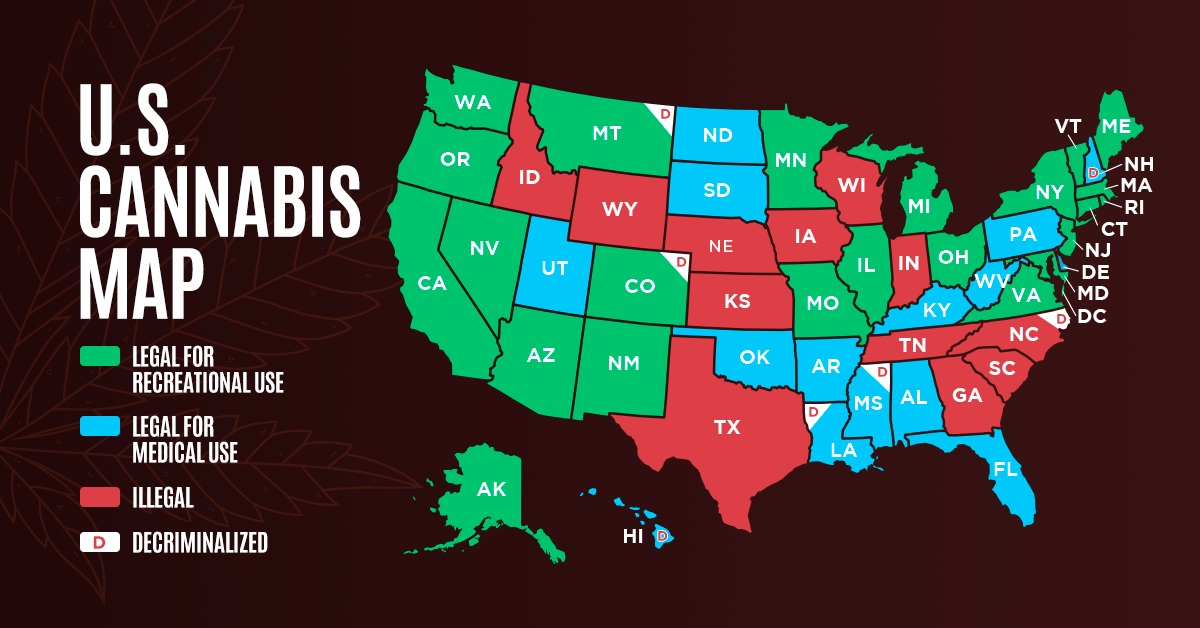
Navigating Texas as a Traveler: Cannabis and Tourism Implications
Traveling through Texas is an experience rich with culture, history, and natural beauty. From the vibrant arts scene in Marfa to the bustling Dallas Fort Worth Metroplex and the serene Big Bend National Park, there’s something for every type of explorer. However, for those accustomed to more lenient cannabis laws in their home regions, visiting Texas requires a significant adjustment in mindset to avoid legal complications. The severe penalties for marijuana possession can quickly turn a dream vacation into a nightmare.
Responsible tourism in Texas means adhering to all local and state laws. This includes understanding that even seemingly minor infractions related to cannabis can have disproportionately large consequences. Your travel itinerary, whether it involves exploring historic Galveston, experiencing the music scene in Austin, or a family trip to Kemah Boardwalk, should be free of any cannabis-related concerns.
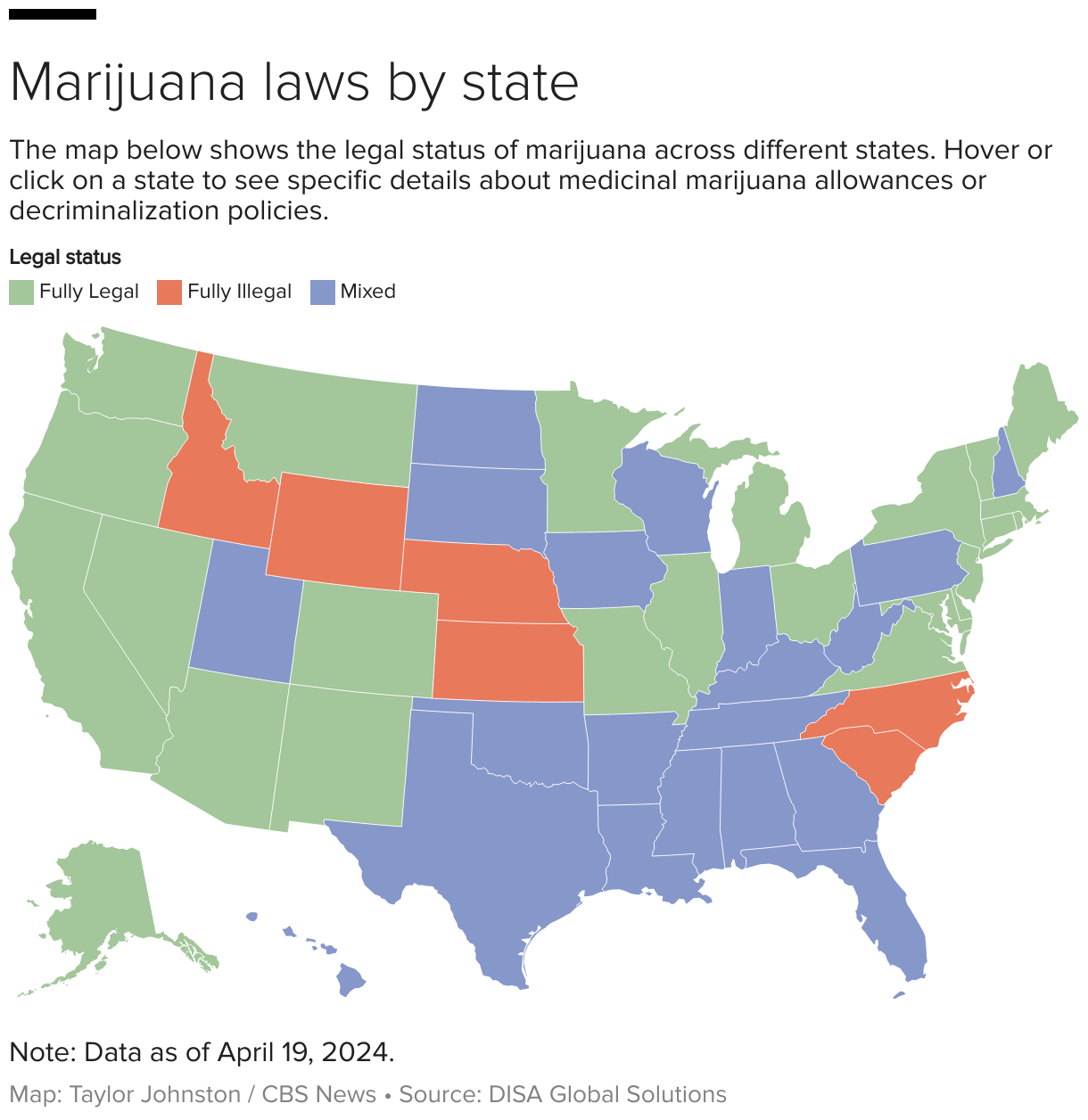
What Tourists Need to Know Before Visiting Texas
The primary advice for any tourist visiting Texas is simple: do not bring cannabis into the state, and do not purchase or consume it while in the state, unless it falls strictly within the very narrow confines of the TCUP (which generally won’t apply to out-of-state visitors) or legal hemp products. This rule applies whether you’re driving in from a neighboring state where cannabis is legal, flying into one of Texas’s major international airports like Dallas/Fort Worth International Airport or George Bush Intercontinental Airport in Houston, or arriving via other means.
Even if you possess a medical marijuana card issued by another state, it provides no legal protection in Texas. Carrying cannabis products across state lines, particularly from a state where it’s legal into Texas, can lead to federal charges in addition to state charges. Federal law still classifies marijuana as a Schedule I controlled substance, and interstate transport carries serious risks. Moreover, many travel insurance policies do not cover incidents arising from illegal activities, which could leave you financially vulnerable if you encounter legal issues. Prioritize enjoying Texas’s iconic landmarks such as the San Antonio Riverwalk or the Space Center Houston without the added stress of legal uncertainty.
Cannabis Consumption and Accommodation: Hotels, Resorts, and Rentals
When it comes to accommodation, almost all hotels, resorts, and rental properties in Texas will have strict no-smoking and no-illegal-substance policies. This applies universally, from budget-friendly motels to luxury suites at the JW Marriott San Antonio Hill Country Resort & Spa or boutique hotels in Austin’s South Congress Avenue. Even in states where cannabis is legal, many accommodation providers still prohibit its use on their premises due to federal regulations, insurance liabilities, and guest comfort. In Texas, where marijuana is largely illegal, the prohibition is even more absolute.
Attempting to consume cannabis in a hotel room, rental apartment, or villa can lead to immediate eviction, forfeiture of deposits, and potential legal action. Hotel staff are obligated to report illegal activities, and a simple complaint about a smell could lead to police involvement. For those using legal CBD or low-THC hemp products, discretion is still advised. While legal, using such products in a way that causes disturbance or raises suspicion could still lead to uncomfortable situations or requests to cease. To maintain a worry-free stay and fully enjoy your chosen accommodation, whether it’s a Airbnb in El Paso or a suite at a Hilton Hotel in Fort Worth, it is best to completely avoid any form of cannabis, including legal hemp products that might be mistaken for illegal substances.
Border Crossings and Inter-state Travel within Texas
Traveling within Texas itself, or crossing its borders with neighboring states, presents specific challenges regarding cannabis. Texas shares borders with states like Louisiana, Oklahoma, Arkansas, and New Mexico, some of which have more liberal cannabis laws. For instance, recreational marijuana is legal in New Mexico. Crossing from New Mexico into Texas with cannabis, even if purchased legally in New Mexico, is a serious offense in Texas and can lead to felony charges, especially if the quantity is significant. The same risk applies to crossing into Texas from Mexico, where drug trafficking carries even more severe international penalties.
Within Texas, driving with any amount of illegal cannabis can result in a traffic stop, vehicle search, and subsequent arrest. Law enforcement officers, including the Texas Department of Public Safety, are vigilant. Even if you’re traveling between cities with decriminalization policies, such as Austin to Houston, you will pass through numerous jurisdictions where state law is strictly enforced. Air travel, even on domestic flights, falls under federal jurisdiction, where cannabis remains illegal. Bringing cannabis to airports like Austin-Bergstrom International Airport or San Antonio International Airport is highly inadvisable. The Transportation Security Administration (TSA) screens for threats to aviation and, while not primarily searching for drugs, they are required to refer any discovery of illegal substances to local law enforcement. For safe and stress-free travel, whether by car, bus, or plane, abstain from carrying any cannabis products.
Potential Penalties and Risks for Non-Compliance
The risks associated with non-compliance with Texas’s cannabis laws are substantial and extend far beyond a mere slap on the wrist. A conviction for marijuana possession can have lasting impacts on an individual’s life, affecting everything from employment opportunities to future travel. It’s crucial for both residents and visitors to understand the severity of these potential consequences. A quick trip to a local attraction, such as the Sixth Floor Museum at Dealey Plaza or a rodeo in Bandera, should never be overshadowed by legal troubles stemming from cannabis.
The legal system in Texas is known for its strict enforcement of drug laws, and marijuana is no exception. While some states have moved towards fines for minor possession, Texas still treats most marijuana offenses as criminal matters, potentially leading to jail time, hefty fines, and a permanent criminal record. This is a critical factor for anyone considering cannabis use during their stay in the Lone Star State.
Misdemeanors, Felonies, and Fines
The penalties for marijuana possession in Texas are directly tied to the quantity possessed:
- Possession of 2 ounces or less: This is typically a Class B misdemeanor, punishable by up to 180 days in jail and a fine of up to $2,000.
- Possession of 2 to 4 ounces: This is a Class A misdemeanor, carrying penalties of up to one year in jail and a fine of up to $4,000.
- Possession of 4 ounces to 5 pounds: This escalates to a state jail felony, with a punishment range of 180 days to two years in a state jail facility and a fine of up to $10,000.
- Possession of 5 pounds to 50 pounds: This is a third-degree felony, punishable by two to 10 years in prison and a fine of up to $10,000.
- Larger quantities: Possessing quantities above 50 pounds results in even more severe felony charges and longer prison sentences.
It’s also important to note that penalties increase significantly if the possession is in a drug-free zone (e.g., near a school or playground), involves intent to deliver, or is associated with a weapon. Even paraphernalia—such as pipes, rolling papers, or bongs—can lead to a Class C misdemeanor charge, carrying a fine of up to $500. These are not minor inconveniences; they are serious legal issues that can disrupt your travel plans, deplete your finances, and leave a lasting mark on your record, impacting future international travel, job prospects, and even housing applications.
Impact on Future Travel and Legal Status
A conviction for a marijuana-related offense in Texas can have far-reaching implications, especially for international travelers or those with aspirations for future global adventures. Many countries, including Canada, Australia, and nations within the Schengen Area, have strict policies regarding visitors with criminal records, particularly those involving drug offenses. Even a misdemeanor conviction for marijuana possession could result in denial of entry to certain countries, making future leisure or business trips more challenging or even impossible.
For non-United States citizens, a drug conviction can have severe immigration consequences, potentially affecting visa applications, eligibility for green cards, or even leading to deportation. While these scenarios are more extreme, they highlight the seriousness of drug offenses in the United States legal system, including in states like Texas. Even a minor arrest, particularly for foreign nationals, can lead to detention and complex legal battles. The aspiration of a luxurious cruise from Galveston to the Caribbean or a budget backpacking trip through Europe could be jeopardized by a single misstep regarding cannabis laws in Texas. Therefore, the safest and most prudent approach for any visitor to Texas is complete abstinence from illegal cannabis to ensure a hassle-free and legally secure journey.
A Glimpse into the Future: Potential Changes and Ongoing Debates
The conversation around cannabis reform is not stagnant, even in conservative states like Texas. Public opinion is gradually shifting, and legislative efforts continue to push for changes, albeit at a slower pace than in other parts of the country. For those interested in the future of lifestyle and travel within Texas, understanding these ongoing debates is crucial. While current laws are strict, the future might hold different possibilities, impacting everything from local economies to tourism trends.
Legislative Efforts and the Road Ahead
Each legislative session in Texas sees a fresh wave of bills aimed at reforming cannabis laws. These proposals range from expanding the existing TCUP to include more qualifying conditions and higher THC limits, to full decriminalization statewide, and even bills proposing medical or recreational legalization. However, these bills often face significant hurdles in the Texas Legislature, encountering resistance from some conservative lawmakers and lobbying groups.
While some incremental progress has been made, such as the expansion of the TCUP and the legalization of hemp, comprehensive reform, especially recreational legalization, seems unlikely in the immediate future (i.e., 2024 and possibly beyond). The political climate in Texas generally favors a cautious approach, prioritizing public safety concerns over potential tax revenues or individual liberties. Advocates for reform, including organizations like the Marijuana Policy Project and Texas NORML, continue to work to educate lawmakers and the public, but significant changes will likely require a broader shift in political will and public sentiment. Therefore, while debates continue, visitors should not anticipate any major legal changes regarding recreational marijuana in the very near future.
Economic and Social Impacts of Cannabis Reform
The potential economic and social impacts of cannabis reform are central to the ongoing debates in Texas. Proponents of legalization often point to the significant tax revenues generated in states like Colorado or California, which could benefit Texas’s state budget, potentially funding education, infrastructure, or healthcare. Legalization could also create a new industry, generating jobs in cultivation, processing, and retail, which would certainly impact the local economies of cities and regions throughout the state, similar to how the burgeoning craft brewery scene has boosted tourism in cities like Austin.
From a social perspective, advocates argue that current prohibition disproportionately affects minority communities and contributes to overcrowded jails, while legalization could free up law enforcement resources to focus on more serious crimes. Opponents, however, raise concerns about potential public health impacts, increased impaired driving, and the overall moral implications of legalizing a substance they view as harmful. These complex arguments contribute to the slow pace of reform. For travelers and lifestyle enthusiasts, a future with legalized cannabis could open up new avenues for tourism, perhaps leading to cannabis-friendly accommodations, specialized tours, or events. However, until such a time, the current strict laws define the landscape of travel and leisure in Texas, making vigilance and adherence to the law the safest and most responsible approach for any visitor.
LifeOutOfTheBox is a participant in the Amazon Services LLC Associates Program, an affiliate advertising program designed to provide a means for sites to earn advertising fees by advertising and linking to Amazon.com. Amazon, the Amazon logo, AmazonSupply, and the AmazonSupply logo are trademarks of Amazon.com, Inc. or its affiliates. As an Amazon Associate we earn affiliate commissions from qualifying purchases.