
For many travelers planning a trip to the Lone Star State, the evolving landscape of cannabis legality across the United States raises a pertinent question: “Is weed legal in Texas?” This is a crucial query, not just for those interested in recreational use, but for any visitor who wants to ensure a smooth, enjoyable, and lawful travel experience. As a premier destination for diverse travel experiences, Texas offers everything from vibrant city life in Austin and Houston to historic landmarks in San Antonio and rugged natural beauty in Big Bend National Park. Understanding the state’s stance on cannabis is essential for visitors looking to explore these attractions without legal complications.
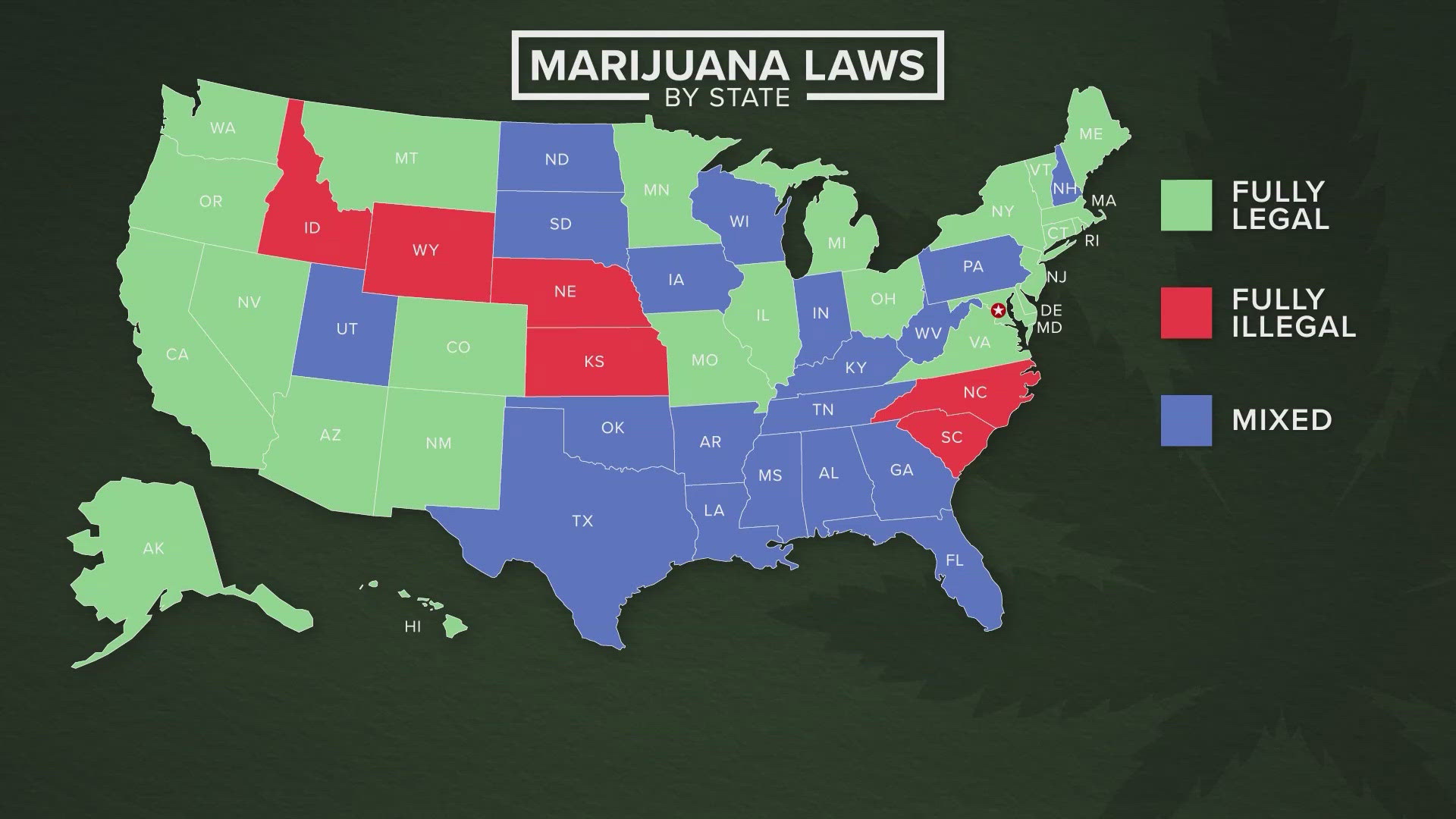
Unlike some states that have embraced full recreational or broad medical cannabis programs, Texas maintains a conservative approach. While there have been significant shifts in how cannabis is perceived and regulated globally, Texas’s laws remain distinct and can be confusing, especially for those accustomed to more liberal policies elsewhere. This article will delve into the current legal status of cannabis in Texas, distinguish between different forms of the plant, explain the limited medical program, outline potential penalties, and provide practical advice for travelers to ensure their journey through the Lone Star State is memorable for all the right reasons. Whether you’re considering a luxurious stay at a Four Seasons resort in Dallas, a family adventure to Space Center Houston, or a tranquil escape to a boutique hotel, knowing the local laws is paramount to a stress-free trip.
Navigating the Complexities: Cannabis Laws in Texas
Understanding cannabis laws in Texas requires distinguishing between marijuana, hemp, and various cannabinoid products that have emerged in recent years. The legal landscape is nuanced, and what might be legal in one state, or even within a specific city in Texas, may still carry significant penalties at the state level.
Understanding Marijuana vs. Hemp and Delta-8
The crucial distinction in Texas cannabis law hinges on the concentration of Delta-9 tetrahydrocannabinol (THC), the primary psychoactive compound in cannabis. Following the federal 2018 Farm Bill, hemp and hemp-derived products were federally legalized, provided they contain less than 0.3% Delta-9 THC on a dry weight basis. Texas subsequently aligned its state laws to reflect this, making hemp and products derived from it, such as CBD and Delta-8 THC, legal under specific conditions.
- Marijuana: Any cannabis plant or product containing more than 0.3% Delta-9 THC is classified as marijuana and remains illegal for recreational use in Texas. This includes traditional cannabis flower, edibles, concentrates, and vapes that exceed the legal Delta-9 THC threshold. Possession, sale, or distribution of marijuana carries strict penalties.
- Hemp and CBD: Hemp-derived products, including cannabidiol (CBD) oils, edibles, topicals, and smokable hemp flower (as long as it meets the <0.3% Delta-9 THC requirement), are legal to purchase and possess in Texas. These products are widely available in health stores, dispensaries (focused on hemp), and even convenience stores across the state. They are generally non-intoxicating and are sought after for their perceived wellness benefits.
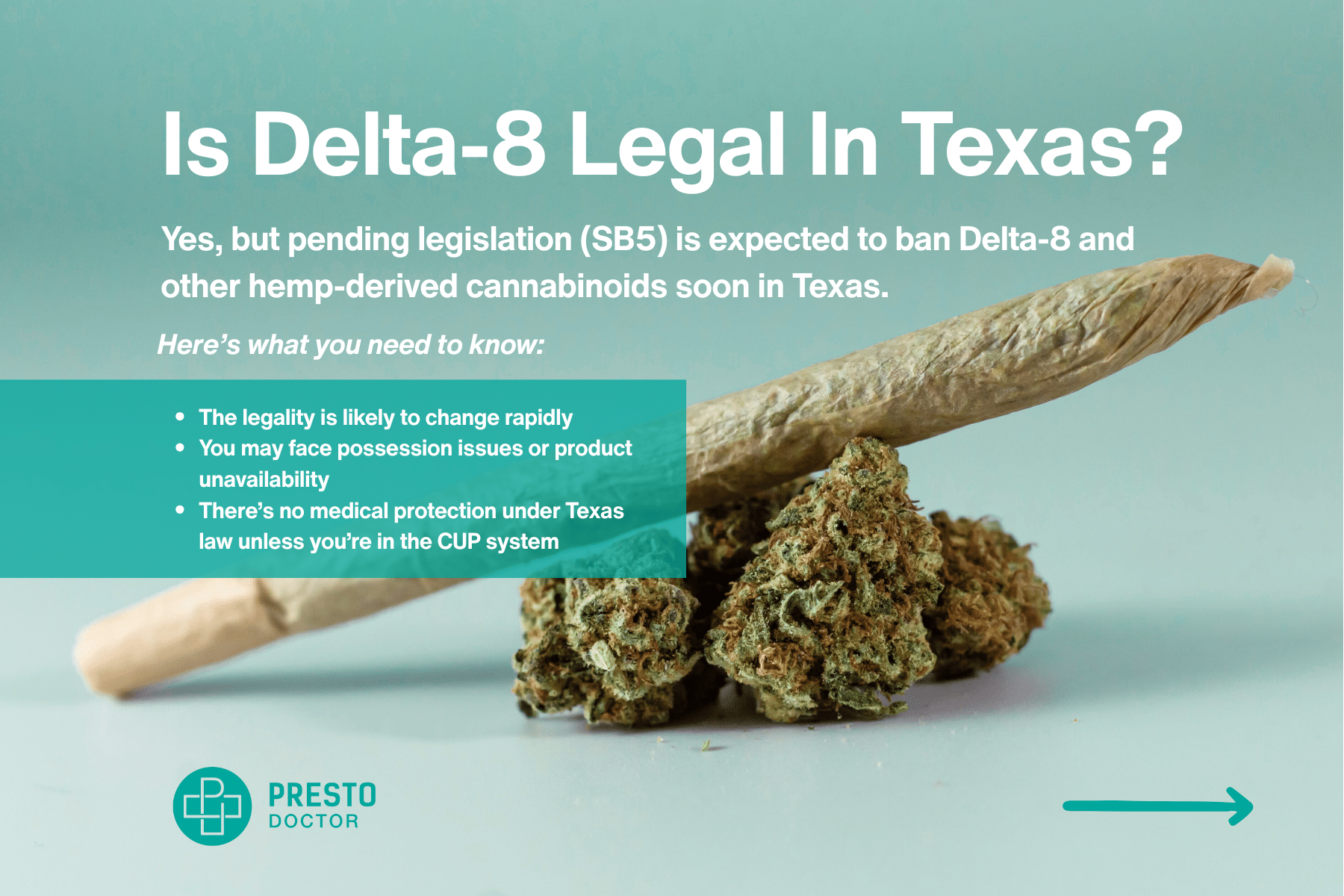
- Delta-8 THC: This cannabinoid, derived from hemp, gained significant popularity due to its intoxicating effects, which are typically milder than Delta-9 THC. After a period of legal uncertainty and court challenges, Delta-8 THC products were ultimately confirmed as legal in Texas, provided they are derived from hemp and contain less than 0.3% Delta-9 THC. This means travelers can find Delta-8 edibles, vapes, and other products in stores. However, consumers should exercise caution, ensure products are from reputable vendors, and be aware that while federally legal, local interpretations or future legislative changes could occur. Also, while legal, consuming Delta-8 may still impair driving and can show up on drug tests.
Medical Cannabis: The Texas Compassionate Use Program (TCUP)
Texas does have a medical cannabis program, but it is one of the most restrictive in the United States. The Texas Compassionate Use Program (TCUP) was established in 2015 and has been expanded incrementally since then.
- Limited Scope: TCUP is not a broad medical marijuana program like those found in California or Colorado. It is highly specific, covering a narrow list of qualifying conditions. These include epilepsy, seizure disorders, multiple sclerosis, spasticity, autism, terminal cancer, and certain incurable neurological diseases.
- Low-THC Cannabis: Patients enrolled in TCUP are prescribed “low-THC cannabis,” which, while containing more THC than the 0.3% limit for hemp, is still significantly less potent than medical marijuana available in other states. It’s typically limited to products with 0.5% Delta-9 THC or less.
- No Smoking/Vaping: The program does not allow for smokable forms of cannabis. Prescribed low-THC cannabis typically comes in oils, tinctures, or edibles.
- Doctor Prescription: Patients must obtain a prescription from a qualified physician registered with the state’s compassionate use registry. There are no public dispensaries for recreational sales, nor can out-of-state medical marijuana cards be used in Texas.
For travelers, this means that even if you have a medical marijuana card from another state, it is not recognized in Texas, and you cannot legally purchase or possess traditional medical marijuana within the state.
Penalties for Possession and Distribution
Despite some local decriminalization efforts in cities like Austin and Dallas that may reduce penalties for small amounts of marijuana, state law remains firm. Penalties for marijuana possession in Texas are severe and can have serious consequences for visitors.
- Misdemeanor Charges: Possession of even a small amount of marijuana (up to two ounces) is a Class B misdemeanor, punishable by up to 180 days in jail and a fine of up to $2,000.
- Felony Charges: Possessing larger quantities quickly escalates to felony charges. For example, possession of 4 ounces to 5 pounds is a state jail felony, carrying a penalty of 180 days to 2 years in state jail and a fine of up to $10,000. These penalties increase significantly with larger amounts, intent to distribute, or proximity to schools.
- Drug Paraphernalia: Possession of drug paraphernalia (e.g., pipes, bongs, grinders) is also illegal and can result in a Class C misdemeanor, with a fine of up to $500.
- Impact on Travelers: For out-of-state visitors, a marijuana conviction in Texas can lead to arrest, fines, jail time, and a criminal record that could affect future travel, employment, and professional licenses. This is particularly critical for international visitors whose visas or entry into other countries could be jeopardized.
Implications for Travelers and Tourism in Texas
Given the conservative legal stance on cannabis in Texas, travelers must be well-informed to avoid legal issues and ensure a pleasant journey. The emphasis on lawfulness is paramount for anyone exploring the state’s vibrant cities, serene natural landscapes, or cultural landmarks.
What Visitors Need to Know Before They Go
For those planning a trip, the golden rule remains: when in Texas, abide by Texas law. Ignorance of the law is not a defense, and the consequences can be significant.
- Leave Cannabis at Home: Do not bring any marijuana (products exceeding 0.3% Delta-9 THC) into Texas, regardless of its legality in your home state. This includes edibles, concentrates, and flower.
- Airport and Border Security: Texas has numerous international airports (e.g., Dallas/Fort Worth International Airport, George Bush Intercontinental Airport) and border crossings. Federal law applies at airports and international borders, meaning cannabis is illegal, even if flying between two states where it’s legal. TSA’s primary focus is security, but if illegal substances are discovered, they will refer the matter to law enforcement.
- Rental Cars and Hotels: Most rental car companies and hotels, from luxury resorts like the Ritz-Carlton in Dallas to budget-friendly accommodations, maintain strict no-smoking policies, especially regarding illegal substances. Using marijuana in a hotel room or rental vehicle can lead to additional charges, fines, and legal trouble. Even legal Delta-8 products should be consumed discreetly and in accordance with property rules.
- Purchasing Legal Hemp Products: If you choose to purchase legal hemp-derived products like CBD or Delta-8 THC while in Texas, always do so from reputable, licensed vendors. Look for products with clear lab testing results (Certificate of Analysis) to confirm Delta-9 THC levels are below 0.3%. Be aware that even with legal products, public consumption could attract unwanted attention from law enforcement, especially if the product’s legality isn’t immediately obvious.
The Landscape of Cannabis-Related Businesses (or lack thereof)
Unlike states like Colorado or California, Texas does not have a recreational cannabis industry. This means:
- No Recreational Dispensaries: You will not find stores selling traditional marijuana for adult use anywhere in Texas.
- Hemp and CBD Shops: The only “cannabis-related” businesses travelers will encounter are stores specializing in legal hemp-derived products, including CBD and Delta-8 THC. These are often branded as “CBD stores” or “hemp shops.”
- Impact on Tourism: The absence of a recreational cannabis market means Texas does not attract “cannabis tourists” in the same way other states do. Instead, its tourism industry thrives on its rich culture, history, music, food, and outdoor adventures, which are unaffected by the state’s cannabis laws. Destinations like the San Antonio River Walk, Austin’s live music venues, or the historic Fort Worth Stockyards offer distinct experiences that require no legal navigation of cannabis products.
Safety and Legal Risks for Tourists
The primary safety and legal risk for tourists revolves around unintentional law-breaking. The complexities of THC percentages and the differences between hemp and marijuana can easily lead to misunderstandings.
- Avoid Uncertainty: If a product’s legality is unclear, it’s safest to avoid it. Carrying or consuming any substance that you’re not absolutely certain is legal can lead to severe consequences.
- Public Consumption: Even for legal hemp products, public consumption can be ill-advised. Law enforcement officers may not be able to distinguish legal hemp from illegal marijuana by sight or smell, potentially leading to detention and product testing, which can disrupt travel plans.
- Driving Under Influence: Operating a vehicle while impaired by any substance, including legal Delta-8 THC, is illegal and dangerous. DUI laws are strictly enforced in Texas, and a conviction can have serious repercussions.
Texas’s Unique Appeal Beyond Cannabis
While the legal status of cannabis is a relevant consideration, it in no way diminishes the unparalleled appeal of Texas as a world-class travel destination. The state’s vast size translates into incredible diversity, offering something for every type of traveler, whether they seek bustling cityscapes, serene natural wonders, or a deep dive into American history and culture.
Exploring Diverse Destinations
Texas boasts a remarkable array of destinations, each with its own distinct charm and attractions, perfectly suited for detailed travel guides and curated experiences.
- Austin: The Live Music Capital of the World. This vibrant city is a hub for music lovers, foodies, and outdoor enthusiasts. Visitors can catch a live band on Sixth Street, explore the food truck scene, paddleboard on Lady Bird Lake, or hike the trails of Zilker Park. Austin blends urban sophistication with a laid-back, quirky vibe.
- Houston: A Global City of Innovation. As the fourth-largest city in the United States, Houston offers world-class museums, an unparalleled culinary scene (especially for diverse international cuisines), and, of course, the iconic Space Center Houston. Its museum district is a cultural treasure, and its numerous parks provide urban green spaces.
- Dallas and Fort Worth: Where Urban Sophistication Meets Western Heritage. Dallas is known for its upscale shopping, vibrant arts district, and significant historical sites like the JFK Memorial. Just a short drive away, Fort Worth embraces its cowboy roots at the Fort Worth Stockyards, offering daily cattle drives, rodeos, and a true taste of the Old West.
- San Antonio: Rich in History and Charm. Home to the legendary Alamo and the picturesque River Walk, San Antonio is a city steeped in history and Spanish colonial influence. The UNESCO World Heritage Missions, vibrant markets, and delicious Tex-Mex cuisine make it a captivating destination for cultural tourism.
- Texas Gulf Coast: Beaches and Island Escapes. From the historic charm of Galveston Island with its Victorian architecture and Pleasure Pier, to the vibrant nightlife and beautiful beaches of South Padre Island, the Texas Gulf Coast offers a refreshing escape for beach lovers and families.
- Big Bend National Park: Wilderness and Stargazing. For adventurers and nature enthusiasts, Big Bend National Park offers breathtaking desert landscapes, dramatic canyons, and the majestic Rio Grande. It’s one of the best places in North America for stargazing, designated an International Dark Sky Park.
Accommodation and Lifestyle Choices
Texas’s tourism infrastructure caters to every lifestyle and budget, from opulent luxury to authentic local experiences.
- Luxury Travel: Cities like Houston, Dallas, and Austin boast world-class hotels and resorts, including properties by Four Seasons, Ritz-Carlton, and boutique luxury establishments. These offer exceptional amenities, fine dining, and prime locations for business or leisure.
- Budget-Friendly Options: Travelers on a budget will find a wide range of affordable hotels, motels, and vacation rentals throughout the state, ensuring that a Texas adventure is accessible to all.
- Unique Stays: For those seeking a truly unique experience, Texas offers charming bed and breakfasts in historic towns, authentic ranch stays in the Hill Country, and glamping opportunities in its state parks.
- Family and Business Trips: The state is well-equipped for family vacations with theme parks, water parks, and interactive museums, as well as robust infrastructure for business travelers, including convention centers and corporate-friendly accommodations.
- Culinary Tourism: Beyond famous Tex-Mex and BBQ, Texas’s culinary scene is a diverse fusion of cultures, offering everything from award-winning fine dining to authentic hole-in-the-wall eateries that represent its rich cultural tapestry.
The Future of Cannabis in the Lone Star State
While Texas currently maintains its conservative stance on cannabis, the conversation is far from over. Nationwide shifts and ongoing advocacy within the state suggest that the legal landscape could evolve, albeit at a typically Texan pace.
Shifting Tides and Legislative Efforts
- Decriminalization: Several Texas cities, including Austin, Dallas, and San Antonio, have passed local ordinances to “cite and release” or effectively decriminalize small amounts of marijuana possession, reducing arrests and focusing law enforcement resources elsewhere. However, these local policies do not override state law, meaning state police or county sheriffs can still enforce state penalties.
- Legislative Debates: Every legislative session sees multiple bills introduced to expand the medical cannabis program, decriminalize marijuana statewide, or even legalize it for adult use. While most of these efforts have not yet passed, they indicate a growing internal debate and public support for reform.
- Neighboring States: The legalization of recreational cannabis in neighboring states like New Mexico and Oklahoma (for medical use, with a very broad program) creates pressure on Texas to reconsider its own policies, especially concerning cross-border traffic and potential revenue loss.

Potential Impact on Texas Tourism if Laws Change
Should Texas eventually move towards broader medical access or even recreational legalization, the impact on its tourism industry could be significant.
- New Market Segment: Legalization could open up a new market segment for “cannabis tourism,” attracting visitors specifically interested in exploring dispensaries, cannabis-friendly accommodations, and related experiences, similar to what has been observed in Colorado or California.
- Economic Boost: A regulated cannabis market could generate substantial tax revenue, which could be reinvested into public services, infrastructure, or even further enhancing Texas’s already impressive tourism offerings.
- Emergence of New Businesses: We could see the rise of cannabis lounges, specialized tours, and hospitality services catering to cannabis consumers, creating new jobs and diversifying the economic landscape of popular tourist destinations.
- Integrated Experiences: For a website like lifeoutofthebox.com, this would mean new opportunities to create guides on “cannabis-friendly hotels in Austin” or “exploring Dallas’s culinary scene with legal cannabis pairings,” further enriching the travel experiences offered.
However, any such changes are likely years away, and Texas’s legislative process is known for its cautious approach to such reforms.
In conclusion, as of now, traditional marijuana is not legal for recreational use in Texas. While low-THC cannabis is permitted for a limited medical program and hemp-derived products like CBD and Delta-8 THC are legal, travelers must exercise extreme caution and fully understand the nuances of the law. The best advice for any visitor to Texas is to respect state laws, avoid ambiguity, and focus on enjoying the myriad of attractions and experiences that the Lone Star State has to offer. From its legendary BBQ and bustling city life to its serene natural parks and rich historical tapestry, Texas provides a wealth of unforgettable travel opportunities without the need for cannabis-related concerns. Ensure your trip is defined by exploration, enjoyment, and adherence to local regulations, guaranteeing a truly seamless and memorable Texas adventure.
LifeOutOfTheBox is a participant in the Amazon Services LLC Associates Program, an affiliate advertising program designed to provide a means for sites to earn advertising fees by advertising and linking to Amazon.com. Amazon, the Amazon logo, AmazonSupply, and the AmazonSupply logo are trademarks of Amazon.com, Inc. or its affiliates. As an Amazon Associate we earn affiliate commissions from qualifying purchases.