
For countless travelers heading to the vast and vibrant state of Texas, a common question often arises, particularly in an era of evolving cannabis laws across the United States: “Is weed legal in Texas?” Given the state’s reputation for independence and its complex legislative landscape, the answer isn’t always straightforward. This comprehensive guide aims to clarify the current legal status of cannabis in Texas, offering essential insights for visitors and residents alike. From recreational marijuana to medical cannabis, CBD, and the intriguing case of Delta-8 THC, understanding these nuances is crucial for any travel or lifestyle planning within the Lone Star State.
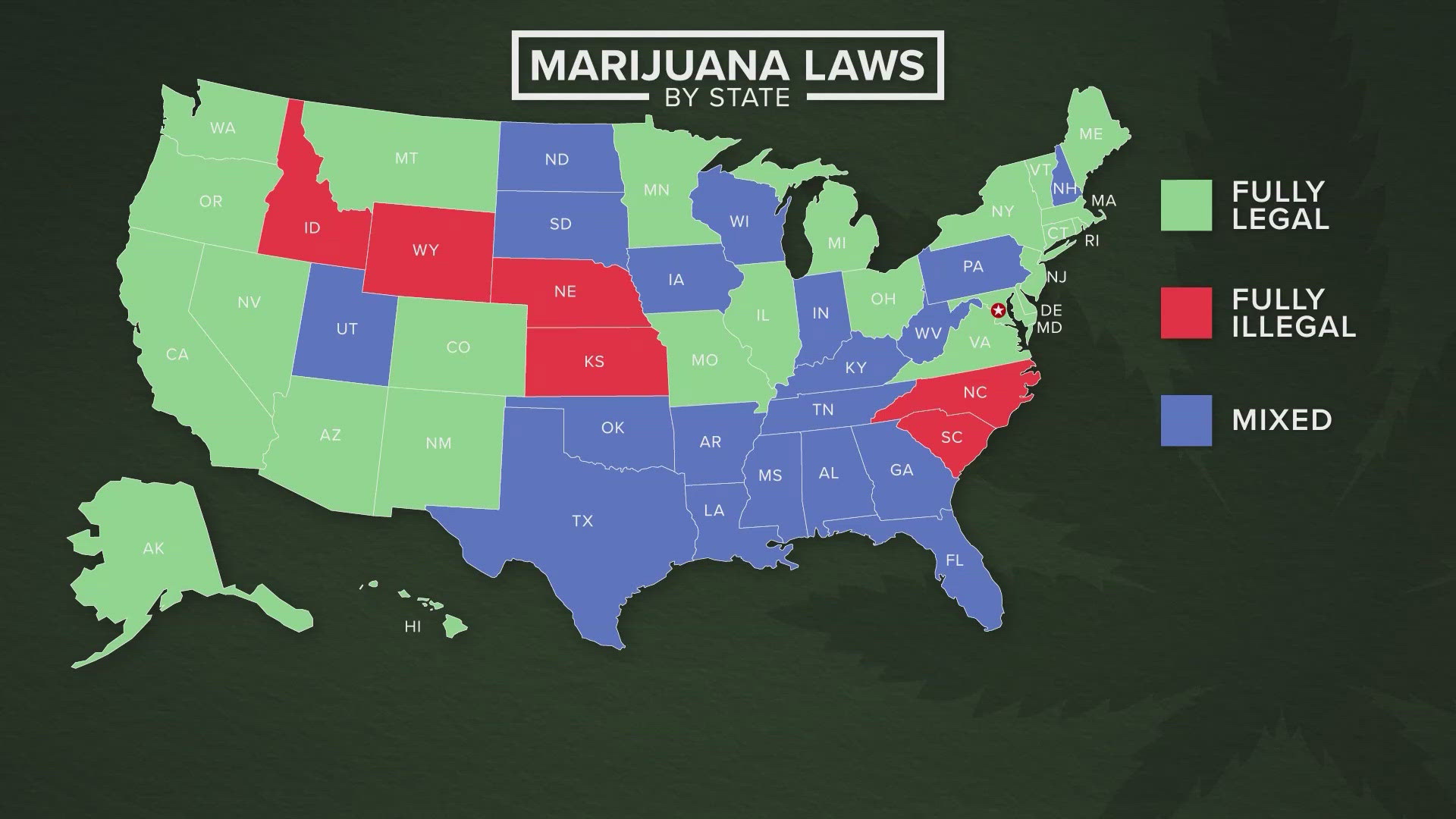
While neighboring states like New Mexico and Louisiana have moved towards more liberal cannabis policies, Texas largely remains an outlier in the legalization movement. The state continues to uphold some of the stricter cannabis laws in the nation, reflecting its conservative political leanings. For travelers exploring the diverse attractions of Texas – from the bustling metropolises of Dallas, Houston, and Austin to the historical richness of San Antonio and the natural beauty of Big Bend National Park – knowledge of these laws is not just advisable, but absolutely necessary to ensure a smooth and enjoyable trip. Unintentional violations can lead to serious consequences, impacting everything from your travel itinerary to your personal record.

The Current Legal Landscape of Cannabis in Texas
To truly grasp the situation in Texas, it’s important to break down the different categories of cannabis and their respective legal standings. Unlike states like Colorado or California where recreational dispensaries are commonplace, the approach in Texas is far more conservative, leading to a patchwork of regulations that can be confusing even for long-term residents.
Recreational Cannabis: A Firm No
Let’s cut to the chase: recreational marijuana is unequivocally illegal in Texas. Despite increasing public support for legalization and the economic benefits seen in other states, the Texas Legislature has consistently resisted efforts to decriminalize or legalize adult-use cannabis. This means that possession, sale, cultivation, or distribution of marijuana for recreational purposes can lead to significant legal penalties, including fines, jail time, and a permanent criminal record.
For instance, possession of even a small amount – less than two ounces – is typically a Class B misdemeanor, punishable by up to 180 days in county jail and a fine of up to $2,000. These penalties escalate sharply with larger quantities, quickly becoming felony offenses with much more severe consequences. While some cities, notably Austin, have enacted “cite and release” policies or even elected not to prosecute low-level marijuana offenses, these local ordinances do not override state law. Therefore, travelers should not assume that local policies offer complete protection, as state law enforcement agencies can still make arrests and pursue charges. It’s always safest to adhere strictly to state law when traveling through Texas.
The Compassionate Use Program: Limited Medical Access
While recreational use is prohibited, Texas does have a medical marijuana program, albeit one that is extremely restrictive compared to those in most other states. Known as the Texas Compassionate Use Program (TCUP), it was established in 2015 and has been incrementally expanded since. However, its scope remains very narrow.
TCUP initially allowed for low-THC cannabis (defined as cannabis with no more than 0.5% THC by weight) for a very limited set of conditions, primarily intractable epilepsy. Over the years, qualifying conditions have expanded to include seizure disorders, multiple sclerosis, spasticity, autism, terminal cancer, and certain neurodegenerative diseases. Crucially, the program still focuses on low-THC products, meaning high-potency medical marijuana, which is common in other states, is not available.
Patients must have a qualifying condition and be approved by a state-registered physician. The products are available through licensed dispensaries, but the overall access and the range of treatable conditions are far less comprehensive than what one might find in states with broader medical marijuana laws. For visitors from other states with medical marijuana cards, it’s vital to understand that your out-of-state card is not recognized in Texas. Possessing medical cannabis, even with a valid out-of-state prescription, can still lead to arrest and prosecution under Texas law. This is a critical point for anyone planning to visit Texas with medical cannabis from their home state.
CBD and Delta-8 THC: A Different Story
The legal landscape becomes considerably more nuanced when discussing CBD and Delta-8 THC. These compounds have a different legal standing due to the passage of the 2018 Farm Bill at the federal level, which legalized hemp and hemp-derived products containing less than 0.3% Delta-9 THC (the primary psychoactive component of marijuana).
-
CBD: Cannabidiol, or CBD, is widely available and legal in Texas, provided it is derived from hemp and contains less than 0.3% Delta-9 THC. You can find CBD products – including oils, tinctures, edibles, and topicals – in many retail stores, pharmacies, and specialty shops across the state. These products are popular for their purported wellness benefits without the intoxicating effects associated with traditional marijuana. For travelers, purchasing and possessing CBD products that adhere to the 0.3% Delta-9 THC limit is generally considered legal.
-
Delta-8 THC: This is where it gets particularly interesting, and somewhat confusing. Delta-8 THC is a cannabinoid found in the cannabis plant, similar to Delta-9 THC but typically with milder psychoactive effects. Because Delta-8 THC can be derived from hemp and, by definition, does not contain more than 0.3% Delta-9 THC, it occupied a legal gray area for some time. In Texas, the legality of Delta-8 THC was fiercely debated and challenged in court. While the state attempted to ban it, a temporary injunction has kept Delta-8 THC products legal and available for sale across Texas as of the time of this writing, pending further legal proceedings. This means you can find Delta-8 THC vapes, edibles, and other products in many shops.
However, the legal status of Delta-8 THC is subject to ongoing litigation and could change. Consumers should also be aware that the lack of robust state regulation for these products means quality and potency can vary significantly between brands. It is crucial to purchase from reputable sources that provide third-party lab testing results to ensure compliance with THC limits and product safety. Travelers should exercise caution and stay informed about any new developments regarding Delta-8 THC laws.
Navigating Cannabis Laws as a Traveler
Understanding the legal framework is one thing; navigating it safely as a traveler is another. Whether you’re planning a weekend getaway to Dallas for its vibrant arts scene, a historical tour of San Antonio’s Riverwalk and Alamo, or an adventure to the beaches of South Padre Island, avoiding legal entanglements should be a top priority.
Understanding Penalties for Possession
As reiterated, possession of any amount of recreational marijuana in Texas carries legal risks. Even a small “personal use” amount can result in an arrest, booking, and processing, leading to significant inconvenience and legal costs. Beyond the immediate penalties, a drug conviction can have long-lasting effects, impacting future travel opportunities (especially international travel to countries like Canada or Mexico), employment prospects, and even housing applications.
Police enforcement can vary significantly from one county or city to another. While some urban areas might have more lenient informal policies for small amounts, rural counties or those along major interstate highways may have a zero-tolerance approach. Never assume leniency based on anecdotal evidence or internet forums. The official stance of the Texas Department of Public Safety and other law enforcement agencies remains consistent: marijuana is illegal.
Border Crossings and Federal Law
Traveling into Texas from other states or countries presents additional layers of complexity due to federal law. While some states have legalized cannabis, it remains illegal at the federal level under the Federal Controlled Substances Act. This means that transporting marijuana across state lines, even between two states where it is legal, is a federal crime.
When flying into Texas via major hubs like Dallas/Fort Worth International Airport or George Bush Intercontinental Airport in Houston, federal authorities like the Transportation Security Administration (TSA) and United States Customs and Border Protection (CBP) operate under federal law. If they discover cannabis, they are obliged to report it to local law enforcement, who will then enforce Texas state law. This applies even if you are traveling with medical marijuana from a state where it is legally prescribed. The safest advice is to never travel with cannabis, regardless of its legal status in your origin state or destination, especially when crossing state or international borders.
Cannabis Consumption and Hotel Policies
When it comes to accommodation in Texas, whether you’re staying in a luxurious suite, a cozy apartment, or a family-friendly resort, it’s crucial to be aware of hotel policies. Even if you manage to legally possess CBD or Delta-8 THC products, many hotels maintain strict no-smoking policies, which often extend to vaping. Furthermore, most establishments prohibit the use of any illicit substances on their property.
Hotels and resorts have the right to enforce their own rules, and violating them can lead to serious consequences, including eviction, additional cleaning fees, and even legal action if state laws are broken. For those exploring the various accommodation options in Texas, from boutique hotels in Austin to sprawling resorts near NASA Space Center Houston, it is always best to clarify their specific policies regarding cannabis or related products. Even a seemingly innocuous act like using a cannabis vape pen could result in significant disruption to your travel plans and additional expenses.
Broader Implications for Texas Tourism and Lifestyle
The debate over cannabis legalization in Texas is not just a legal issue; it has significant implications for tourism, lifestyle, and the state’s economic future. As more states embrace cannabis reform, Texas stands at a crossroads.
The Economic and Social Debate
Advocates for legalization in Texas often point to the substantial tax revenues generated by legal cannabis markets in states like Colorado, California, and Nevada. These revenues could potentially be used to fund public services, infrastructure, or education in Texas. Furthermore, a legal cannabis industry could create thousands of jobs, from cultivation and processing to retail and ancillary services, boosting the state’s economy.
From a tourism perspective, legal cannabis could make Texas a more attractive destination for certain segments of travelers, particularly those from states where recreational cannabis is already legal. A more liberal policy might draw a new demographic of visitors looking for unique experiences, potentially leading to increased hotel bookings, restaurant patronage, and spending on local attractions and services. This aligns with the broader “Tourism” and “Lifestyle” categories of travel that many explore.
However, opponents raise concerns about potential public health impacts, increased crime rates (though evidence from other states often contradicts this), and maintaining the state’s traditional conservative values. The interplay between these arguments continues to shape the legislative process in Texas, making the future of cannabis legality uncertain but always a topic of discussion.
Preparing for a Trip to Texas: Essential Travel Tips
Given the current legal landscape, here are some essential tips for anyone planning a trip to Texas:
- Do Not Bring Cannabis to Texas: This is the most crucial piece of advice. Do not attempt to bring any form of recreational marijuana, or even medical marijuana from another state, across state lines into Texas.
- Understand CBD and Delta-8 THC Nuances: If you choose to use CBD or Delta-8 THC products, ensure they are purchased from reputable sources within Texas and verify their Delta-9 THC content is below the legal limit. Keep original packaging and lab reports if possible. Be aware that the legal status of Delta-8 THC could change.
- Respect Hotel Policies: Always check with your accommodation provider about their specific rules regarding smoking and cannabis products, even legal CBD or Delta-8 THC vapes.
- Focus on Legal Attractions: Texas offers an incredible array of legal and fascinating experiences. Immerse yourself in the history of the Alamo, explore the vibrant music scene of Austin, indulge in the world-class barbecue, or enjoy the stunning natural landscapes. There are endless adventures to be had without venturing into legal gray areas.
- Stay Informed: Laws can change. Before your trip, quickly review the latest updates on Texas cannabis laws from official government sources or reputable news outlets.
In conclusion, for those asking “Is weed legal in Texas?”, the answer for recreational use remains a definitive no. While Texas has a very limited medical cannabis program and has seen the rise of legally ambiguous hemp-derived products like Delta-8 THC, the state continues to enforce strict penalties for marijuana. Travelers should prioritize staying compliant with all state laws to ensure a safe, enjoyable, and hassle-free experience in the captivating Lone Star State. Enjoy everything Texas has to offer, responsibly and legally.
LifeOutOfTheBox is a participant in the Amazon Services LLC Associates Program, an affiliate advertising program designed to provide a means for sites to earn advertising fees by advertising and linking to Amazon.com. Amazon, the Amazon logo, AmazonSupply, and the AmazonSupply logo are trademarks of Amazon.com, Inc. or its affiliates. As an Amazon Associate we earn affiliate commissions from qualifying purchases.