
Embarking on a journey to the picturesque landscapes of Maine, travelers often seek to understand all aspects of their destination, from its breathtaking natural beauty and charming coastal towns to its unique local culture and contemporary legal landscape. One question that frequently arises for visitors in the modern era concerns the legality of cannabis. As a forward-thinking state in the United States, Maine has indeed embraced progressive policies regarding marijuana. The direct answer is yes, cannabis is legal for recreational use by adults 21 and older in Maine.
This legalization brings with it a new dimension to tourism and lifestyle in The Pine Tree State, offering unique considerations for those planning a visit. Understanding the nuances of these laws is crucial for any traveler looking to enjoy all that Maine has to offer responsibly and within legal boundaries. From quaint bed and breakfasts to bustling city centers like Portland and Augusta, the presence of legal cannabis means a different kind of planning for some. This comprehensive guide aims to illuminate Maine’s cannabis laws, provide practical advice for tourists, and explore how these regulations intersect with the state’s vibrant travel, accommodation, and lifestyle scene.

Understanding Cannabis Laws in Maine
Maine stands as a beacon of cannabis reform, having meticulously crafted a legal framework that balances individual freedoms with public safety. For visitors, grasping these regulations is the first step towards a compliant and enjoyable experience.
A Brief History of Legalization
The journey toward cannabis legalization in Maine has been a gradual and deliberate one, reflecting evolving societal attitudes and a commitment to progressive policy. The state first authorized cannabis for medical use through the Maine Medical Use of Marijuana Act in 1999, establishing a program for patients with qualifying conditions to access medical marijuana. This foundational step paved the way for broader reforms.
Over a decade later, in 2016, Maine voters approved Question 1, the Maine Marijuana Legalization Act, which legalized the recreational use of cannabis for adults 21 and older. However, the implementation of retail sales for adult-use cannabis was a more protracted process, involving extensive legislative and regulatory development to establish a robust framework for licensing, cultivation, testing, and sales. The first adult-use cannabis dispensaries finally opened their doors in October 2020, marking a significant milestone and officially ushering in the era of recreational cannabis tourism in Maine. This thoughtful, albeit slow, rollout ensured that a comprehensive system was in place to manage the new industry responsibly.
What’s Legal for Adults?
For adults aged 21 and over visiting or residing in Maine, the laws are quite clear regarding personal possession and cultivation.
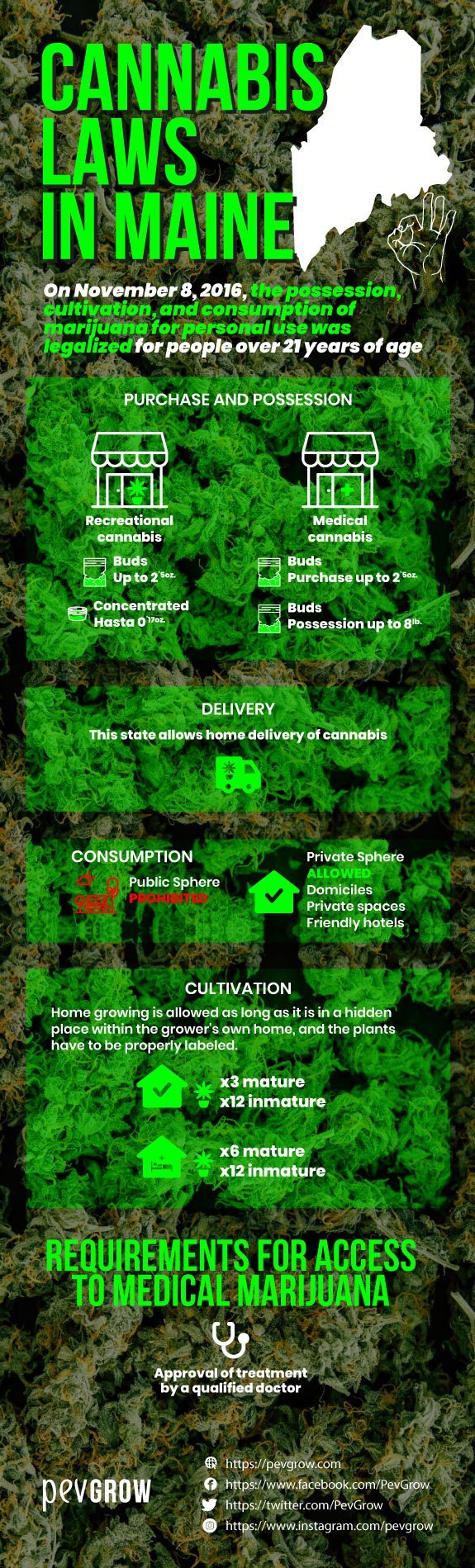
- Possession Limits: Adults may legally possess up to 2.5 ounces (70 grams) of prepared marijuana. This includes cannabis flower, concentrates, and edibles. It’s important to note that edibles have specific limits related to THC content, typically up to 2.5 ounces of marijuana concentrate or up to 5 grams of marijuana concentrate.
- Cultivation: Residents are permitted to cultivate a limited number of cannabis plants for personal use. Specifically, an adult may cultivate up to 3 mature cannabis plants, 12 immature cannabis plants, and an unlimited number of seedlings at their private residence. This provision primarily applies to residents and is less relevant for most tourists, who are generally not looking to cultivate during their short-term stays.
- Paraphernalia: The possession of marijuana paraphernalia, such as pipes, bongs, and rolling papers, is also legal for adults.
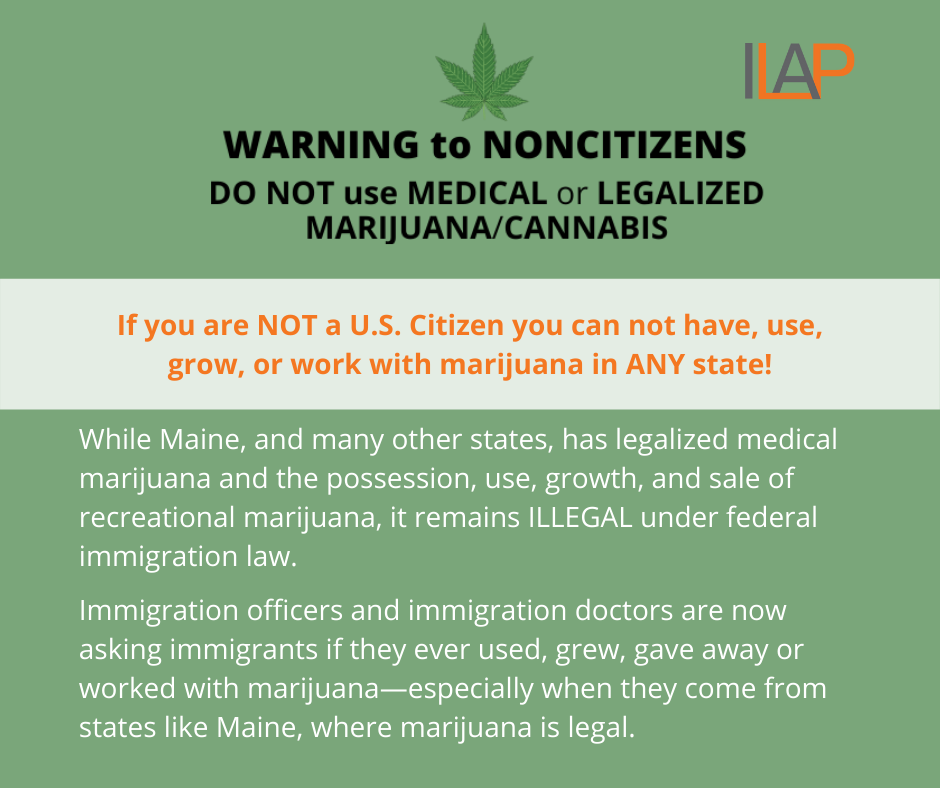
It is crucial for travelers to understand that these laws apply only within the borders of Maine. Transporting cannabis across state lines, even to other states where it is legal, remains a federal law violation and is strictly prohibited. Similarly, cannabis cannot be taken onto federal lands or properties, including national parks, which we will discuss further.
Where Can You Buy Cannabis?
The legal adult-use cannabis market in Maine operates through licensed retail stores. These establishments are regulated by the state’s Office of Cannabis Policy and are part of the Adult Use Cannabis Program.
- Licensed Dispensaries: Adult-use cannabis can only be purchased from state-licensed retail dispensaries. These stores are easily identifiable and are often located in various cities and towns across Maine, particularly in more populated areas and tourist destinations. Cities like Portland, Bangor, Lewiston, Saco, and South Portland have several options. Before visiting, it’s advisable to use online search engines or cannabis-specific apps to find the nearest licensed retailer.
- Identification Requirements: Purchasers must present a valid government-issued photo ID proving they are 21 years of age or older. This is a strict requirement, and no sales will be made without proper identification.
- Cash-Only Transactions: Due to ongoing federal law prohibitions, most cannabis dispensaries operate on a cash-only basis. While some may have ATMs on-site, it’s always wise to bring cash when planning a purchase.
- Medical vs. Adult-Use Stores: Maine also has medical marijuana dispensaries. While some retailers may be licensed for both medical and adult-use sales, others cater exclusively to medical patients. Tourists without a Maine medical card will need to visit an adult-use licensed store. The staff at these establishments are typically knowledgeable and can guide consumers through product selections, ensuring compliance with state regulations.
Where Can You Consume Cannabis?
This is perhaps the most critical aspect for tourists to understand, as consumption laws are often more restrictive than possession laws.
- Private Property is Key: The most straightforward rule is that cannabis consumption is legal on private property, out of public view, and with the explicit permission of the property owner. If you are staying at a private residence or a cannabis-friendly rental, you may consume there.
- Public Consumption is Illegal: It is illegal to consume cannabis in public places in Maine. This includes streets, parks, beaches, sidewalks, restaurants, bars, and any venue accessible to the public. Violations can result in fines. This also extends to indoor public spaces where smoking is prohibited, such as hotels that do not explicitly allow cannabis use.
- Hotels and Accommodation: This area can be particularly tricky for travelers. While some accommodations, especially certain cannabis-friendly boutique hotels or private rentals, may explicitly permit cannabis use, the vast majority of hotels, motels, and resorts prohibit it. This is often due to their general no-smoking policies or specific regulations regarding controlled substances. Before booking or consuming, always check with your accommodation provider about their specific policies. Even if a hotel allows smoking tobacco, they may still prohibit cannabis. Many places have designated smoking areas that might not extend to cannabis.
- Vehicles: Consuming cannabis in a vehicle, whether in motion or parked, is strictly prohibited and carries severe penalties, similar to open container laws for alcohol. Driving under the influence of cannabis is illegal and subject to the same penalties as driving under the influence of alcohol.
- Federal Lands: As mentioned, federal law still considers cannabis illegal. Therefore, consumption or possession of cannabis is strictly prohibited on all federal lands and waters within Maine. This includes beloved national parks like Acadia National Park, national forests, and other federal properties. Visitors to these iconic landmarks must be mindful of these restrictions to avoid legal issues.
Navigating Maine’s Cannabis Tourism Landscape
The legalization of cannabis has subtly reshaped aspects of travel and tourism in Maine, creating a niche for cannabis enthusiasts while also requiring general travelers to be more informed. Integrating cannabis into a Maine itinerary requires careful planning and adherence to regulations.
Travel Tips for Cannabis Enthusiasts
For those interested in exploring Maine’s cannabis scene, a few key tips can ensure a smooth and enjoyable trip:
- Plan Ahead: Research licensed dispensaries in the areas you plan to visit, such as Portland, Bangor, or towns along the coast like Kennebunk. Check their operating hours and payment methods.
- Know the Rules: Re-familiarize yourself with possession limits and, critically, where consumption is permitted. Ignorance of the law is not an excuse.
- Transportation: Never drive under the influence of cannabis. Maine has strict OUI (Operating Under the Influence) laws. Public transportation is limited in many parts of rural Maine, so consider ride-sharing services or designated drivers if you plan to consume. Remember that cannabis cannot be transported across state lines, even if your departure state also has legal cannabis. Flying with cannabis, even domestically, is also prohibited due to federal jurisdiction at airports.
- Out-of-State Visitors: Be aware that while you can purchase and consume cannabis in Maine if you’re 21+, your home state’s laws might differ. Plan to consume all purchases within Maine and do not attempt to take any products with you when you leave.
- Start Low, Go Slow: For those new to cannabis or to different product types (especially edibles), responsible consumption is paramount. Begin with a low dose and wait to understand its effects before consuming more.
Accommodation and Cannabis: What to Expect
Finding suitable accommodation is a cornerstone of any travel plan, and for cannabis users, this takes on an added layer of consideration.
- Hotel Policies: Most mainstream hotels, resorts, and chain properties in Maine will have strict no-smoking policies that extend to cannabis. This often includes vaping. Attempting to consume cannabis in a non-permitted room could lead to fines, eviction, or additional cleaning charges. Always inquire directly about their specific cannabis policy before booking, or upon arrival.
- Cannabis-Friendly Options: A growing segment of the accommodation market, particularly within the realm of boutique hotels, bed and breakfasts, and private vacation rentals (like those found on platforms such as Airbnb), has emerged to cater to cannabis tourists. These establishments explicitly state their cannabis-friendly policies, which might include designated smoking areas, consumption lounges, or allowing consumption within private units. Searching for “cannabis-friendly accommodations Maine” can yield these specialized options, especially in popular tourist towns like Bar Harbor, Portland, or along the coast.
- Privacy and Discretion: Even in cannabis-friendly settings, exercising discretion is generally appreciated. Respect other guests and neighbors, and be mindful of odors, especially if consuming flower. Vaporizers or edibles are often more discreet options.
- Long-Term Stays: For those considering extended stays, discussing cannabis policies directly with landlords or property managers is essential. The right to consume on private property does not automatically extend to rented properties without the owner’s consent.
Exploring Maine’s Attractions with Cannabis in Mind
Maine’s allure lies in its stunning natural beauty, charming towns, and rich history. Integrating cannabis into your travel experience requires a clear understanding of where it’s appropriate and where it’s not.
- Natural Wonders: Places like Acadia National Park, the state’s crown jewel, are under federal law, meaning cannabis is strictly prohibited. This also applies to other federal lands, including national forests and some wildlife refuges. Enjoy the majestic cliffs, serene lakes, and hiking trails of Acadia soberly. Similarly, state parks and beaches may have varying regulations, but generally, public consumption is frowned upon or illegal.
- Coastal Towns and Beaches: Popular coastal destinations like Old Orchard Beach, Kennebunkport, Camden, and Ogunquit offer stunning vistas, delicious seafood, and vibrant local cultures. While enjoying these towns, remember that public consumption on beaches, piers, or town squares is illegal. It’s best to consume in a private, legal setting before or after exploring these charming areas.
- City Exploration: In cities like Portland, with its renowned food scene, craft breweries, and artistic vibe, cannabis can be part of a vibrant adult lifestyle. However, walking down the street or visiting a restaurant while consuming cannabis is not permitted. Many visitors choose to enjoy an edible or discreet vape in a private setting before heading out to enjoy a meal or a show.
- Historical Landmarks and Museums: Sites such as the Nubble Lighthouse, Pemaquid Point Light, or the West Quoddy Head Lighthouse on Mount Desert Island, and various historical museums, are places for quiet contemplation and appreciation. Public consumption is inappropriate and illegal at these sites.
- Shopping and Dining: While cannabis can enhance certain experiences, it’s not meant to be consumed at shops, malls like Kittery Premium Outlets, or dining establishments. Respect the businesses and their patrons. The town of Freeport, home to the famous L.L.Bean flagship store, is a great example of a family-friendly shopping destination where public cannabis use would be out of place.
Responsible tourism dictates that visitors respect local laws and customs, ensuring that their pursuit of enjoyment does not negatively impact the experience of others or the natural environment.
The Broader Impact on Maine’s Lifestyle and Economy
The legalization of adult-use cannabis in Maine is more than just a legal change; it’s a significant shift that influences the state’s economy, local businesses, and overall lifestyle, particularly within the tourism sector. This evolving landscape presents both opportunities and challenges, shaping how Maine is perceived as a travel destination.
Economic Boost and Local Businesses
The cannabis industry in Maine has rapidly become a notable contributor to the state’s economy, demonstrating the potential for significant growth and diversified revenue streams.
- Increased Tax Revenue: Sales of adult-use cannabis are subject to state excise taxes and sales taxes, generating substantial revenue for Maine’s coffers. These funds can be directed towards public services, infrastructure, and other state programs, indirectly benefiting residents and tourists alike through improved amenities and services.
- Job Creation: The cannabis industry is a multifaceted sector, encompassing cultivation, processing, testing, distribution, and retail. Each stage requires skilled labor, leading to the creation of numerous jobs across the state. This includes positions in agriculture, manufacturing, retail sales, security, and administrative support, offering new employment opportunities for Mainers.
- Tourism Appeal: For many, the legal status of cannabis adds an intriguing dimension to Maine’s appeal as a tourist destination. It attracts a segment of travelers interested in exploring the emerging cannabis lifestyle, potentially extending stays or drawing visitors who might not have otherwise considered Maine. This “cannabis tourism” can boost demand for accommodations, dining, and other recreational activities in areas with dispensaries, particularly in coastal towns and cities.
- Support for Local Businesses: Beyond the cannabis dispensaries themselves, legalization has ripple effects on various local businesses. For example, cannabis-friendly accommodations, tour operators offering “canna-tours,” and local eateries benefit from increased visitor traffic. Farmers may find new opportunities in cultivating hemp and related products, further diversifying Maine’s agricultural output. The craft cannabis movement, much like the craft beer industry, also fosters small local businesses focused on quality and unique product offerings.
Responsible Tourism and Community Integration
Integrating the cannabis industry into Maine’s broader tourism strategy requires a commitment to responsible practices and community engagement.
- Education and Public Awareness: A key aspect of responsible tourism is ensuring that both residents and visitors are well-informed about the laws, safe consumption practices, and potential impacts. The Office of Cannabis Policy and local tourism boards often play a role in disseminating this information. Educating consumers on product potency, especially with edibles, is vital to prevent overconsumption and ensure a positive experience.
- Community Acceptance and Perception: While legalization has progressed, community acceptance of cannabis use and tourism varies. Some areas embrace the new industry as an economic boon, while others maintain a more conservative stance. Responsible tourists contribute positively by adhering to laws, respecting local norms, and being discreet in their consumption. This fosters better integration of cannabis tourism within existing community structures and helps maintain Maine’s family-friendly image where appropriate.
- Balancing Natural Beauty and New Industries: Maine is renowned for its pristine natural environment, from the rocky coastline of Boothbay Harbor to the remote wilderness of Monhegan Island. The challenge and opportunity lie in balancing the growth of the cannabis industry with the preservation of these cherished landscapes. Responsible operators and tourists ensure that the industry’s footprint is sustainable and that the natural attractions remain unspoiled for everyone.
- Health and Safety Considerations: Ensuring public health and safety is paramount. Strict regulations govern the testing and labeling of cannabis products to guarantee they are safe for consumption. Tourists should always purchase from licensed dispensaries to ensure product quality and avoid unregulated sources. Furthermore, being mindful of potential interactions with medications or pre-existing health conditions is crucial.
In conclusion, Maine’s embrace of legal cannabis is a testament to its progressive spirit, contributing to its diverse economic fabric and offering a unique facet to its tourism landscape. However, the successful integration of cannabis tourism hinges on the collective responsibility of both the industry and visitors to uphold the law, respect local communities, and prioritize safety and wellness.
Conclusion
Maine has indeed legalized recreational cannabis for adults 21 and older, creating a unique environment for both residents and visitors. This progressive stance offers a new dimension to the state’s already rich tapestry of travel, tourism, and lifestyle experiences. For those planning a trip, understanding the legal framework is paramount: while possession and purchase from licensed dispensaries are permissible, consumption remains largely restricted to private property and away from public view.
Navigating this landscape responsibly means researching cannabis-friendly accommodations, being mindful of where and how you consume, and respecting local and federal laws, especially concerning national parks and interstate travel. The thriving cannabis industry contributes significantly to Maine’s economy, creating jobs and attracting a diverse range of visitors. However, maintaining the state’s charm and natural beauty also relies on responsible tourism practices and community integration.
Whether you’re drawn to Maine’s rugged coastlines, its vibrant cities, or its unique local offerings, the presence of legal cannabis provides an additional element to consider for your journey. By staying informed and acting responsibly, travelers can fully enjoy all the wonders Maine has to offer, from its majestic landmarks and exquisite cuisine to its welcoming communities and evolving lifestyle. Plan thoughtfully, respect the rules, and prepare for an unforgettable Maine adventure.
LifeOutOfTheBox is a participant in the Amazon Services LLC Associates Program, an affiliate advertising program designed to provide a means for sites to earn advertising fees by advertising and linking to Amazon.com. Amazon, the Amazon logo, AmazonSupply, and the AmazonSupply logo are trademarks of Amazon.com, Inc. or its affiliates. As an Amazon Associate we earn affiliate commissions from qualifying purchases.