
The world of travel and hospitality is a dynamic landscape, with brands constantly evolving, merging, and expanding. For savvy travelers, understanding the corporate structures behind hotel chains can unlock better booking options, loyalty program benefits, and a clearer picture of the accommodation landscape. A common question that arises, particularly when comparing major players in the industry, is whether Wyndham Hotels & Resorts operates under the umbrella of Marriott International. This article delves into the independent identities of these two prominent hotel giants, exploring their distinct portfolios, operational strategies, and the benefits each offers to travelers.
The Independent Nature of Wyndham Hotels & Resorts
To directly answer the question: No, Wyndham Hotels & Resorts is not part of Marriott International. These are two separate, publicly traded companies, each with its own distinct history, brand portfolio, and business model. While both operate within the global hotel and accommodation sector, their corporate structures, loyalty programs, and the types of properties they manage are unique.
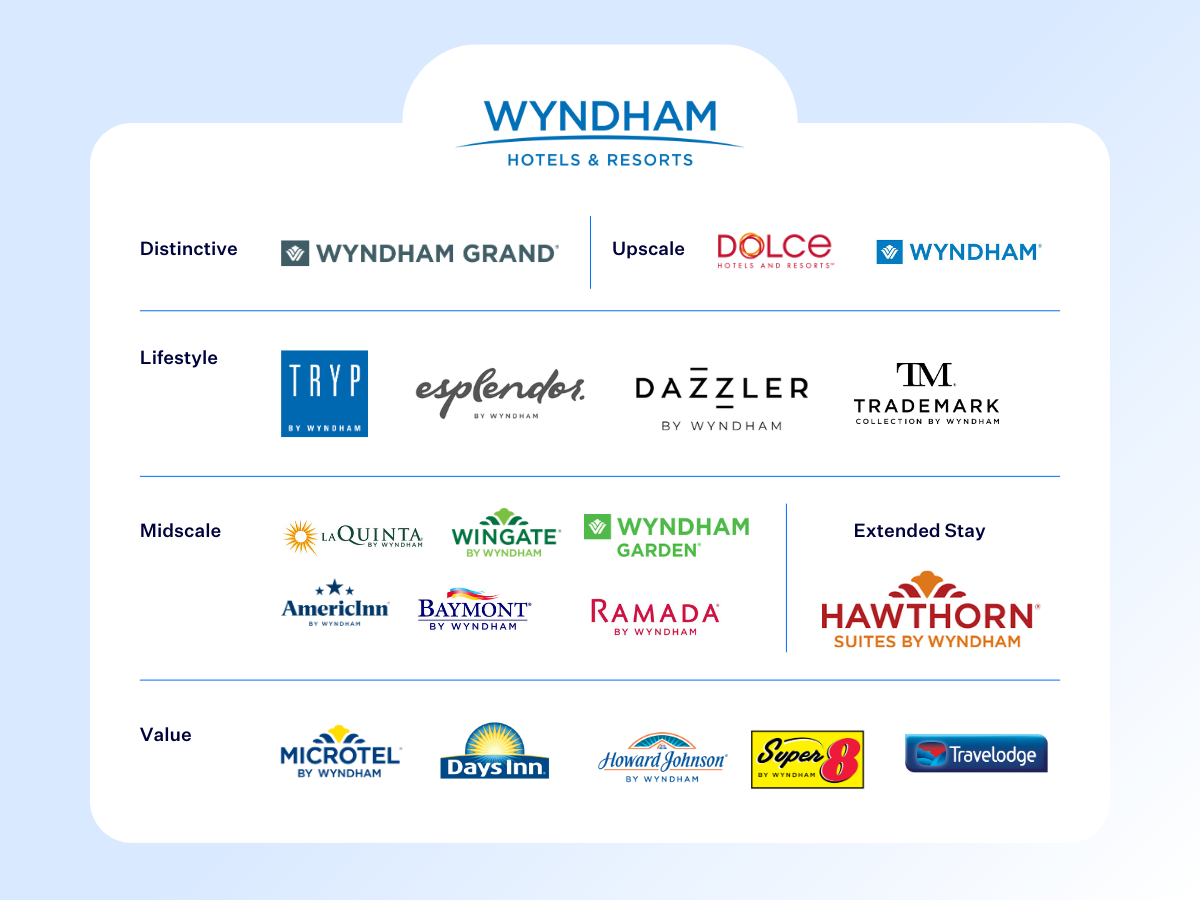
Wyndham Hotels & Resorts is a hospitality company with a significant presence across various segments of the travel industry. It is renowned for its extensive network of hotels, particularly strong in the midscale and economy sectors. The company boasts a diverse collection of brands, catering to a wide array of traveler needs and preferences. From the familiar comfort of Wyndham Garden and Ramada to the value-driven offerings of Days Inn and Super 8, Wyndham has established itself as a go-to provider for travelers seeking reliable and affordable accommodation.
The company’s strategy often focuses on franchising, meaning many Wyndham properties are owned and operated by independent franchisees who adhere to the brand’s standards. This model allows for rapid expansion and a broad geographical reach, making Wyndham a ubiquitous name in many destinations. Travelers who are loyal to Wyndham Rewards, the company’s loyalty program, can earn and redeem points across this extensive network, often finding valuable redemption opportunities at the lower price points of the market.
When considering Wyndham as a travel option, it’s important to recognize its strengths. For business travelers needing consistent accommodations in various cities, or for families embarking on road trips seeking comfortable and budget-friendly stops, Wyndham brands often fit the bill perfectly. Their amenities might not always be ultra-luxury, but they reliably provide essential comforts, clean rooms, and often complimentary services like breakfast and Wi-Fi, contributing to a positive budget travel experience. The sheer volume of Wyndham properties means that wherever your travel plans take you, from the bustling streets of New York City to the quiet corners of the United States, you’re likely to find a Wyndham hotel nearby.
Exploring Wyndham’s Brand Spectrum
Wyndham Hotels & Resorts strategically manages a portfolio of brands designed to capture different segments of the travel market. This diversity is a key strength, allowing the company to cater to a broad spectrum of traveler needs and budgets. Understanding these brands can help travelers make informed decisions about where to stay.
Midscale and Upper Midscale Brands
In the midscale and upper midscale segments, Wyndham offers a range of brands that balance comfort, quality, and value. Wyndham itself, the namesake brand, often features full-service amenities, making it suitable for both business and leisure travelers seeking a higher level of service. Wyndham Garden provides a comfortable and convenient lodging experience, often located near business centers and airports, and is a popular choice for business stays. Ramada is another well-established brand in this category, known for its consistent quality and family-friendly atmosphere, making it a solid option for family trips. Baymont by Wyndham offers a relaxed environment with a focus on essential amenities for a comfortable stay.
Economy and Extended Stay Brands
The strength of Wyndham truly shines in the economy and extended stay sectors. Brands like Days Inn and Super 8 are ubiquitous along highways across the United States and beyond, providing travelers with reliable and affordable overnight accommodations. These brands are often the choice for travelers on long road trips or those who prioritize value without sacrificing basic comfort. Travelodge is another familiar name in the economy segment, offering straightforward and convenient lodging.
For longer stays or for travelers who need more than just a standard hotel room, Wyndham offers extended-stay options. Brands such as Extended Stay America (which Wyndham acquired a significant stake in) provide apartment-style suites with kitchens, making them ideal for temporary relocations, longer business assignments, or extended vacations where self-catering is preferred. These properties offer a home-away-from-home experience, often at competitive rates for longer durations, fitting well within the long-term stay accommodation category. The variety within Wyndham’s economy and extended-stay offerings ensures that budget-conscious travelers have numerous options to explore.
Marriott International: A Global Hospitality Leader
In contrast to Wyndham’s focus on specific market segments, Marriott International is a powerhouse in the global hospitality industry, commanding one of the largest and most diverse portfolios of brands in the world. Marriott is not just a hotel operator; it’s a vast network of hotels, resorts, and luxury accommodations, spanning virtually every segment of the travel market. The company’s scale and reach are immense, with thousands of properties in nearly every country imaginable.
Marriott’s strategy involves acquiring and developing a wide spectrum of brands, from ultra-luxury to select-service. This allows them to cater to a discerning clientele that seeks premium experiences, as well as those who require reliable and comfortable accommodations at more accessible price points. For travelers who prioritize brand recognition, extensive loyalty program benefits, and a consistent, often upscale, guest experience, Marriott is a dominant force.
The Marriott Bonvoy loyalty program is one of the most comprehensive in the industry, offering members the ability to earn and redeem points across a vast array of brands. This program is a significant draw for frequent travelers, providing opportunities for upgrades, free nights, and exclusive experiences at some of the world’s most prestigious hotels and resorts. Whether one is looking for a chic urban hotel for a business stay, a secluded resort for a romantic getaway, or a well-appointed apartment for a longer trip, Marriott’s portfolio is designed to meet those needs.
Marriott’s Extensive Brand Portfolio
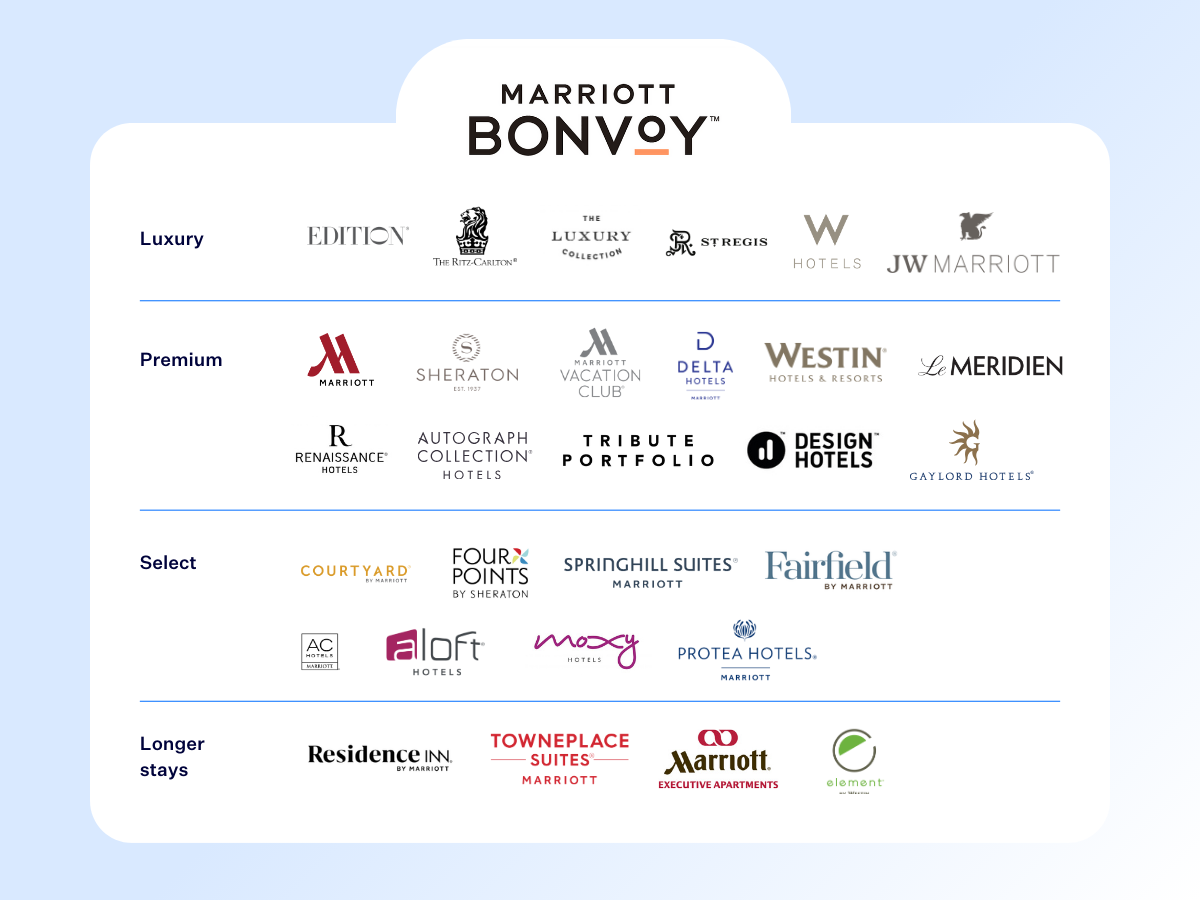
Marriott International operates an unparalleled collection of brands, each meticulously curated to appeal to a specific traveler segment and market niche. This breadth of offerings is a testament to their commitment to providing a lodging option for every occasion and preference.
Luxury and Premium Brands
At the pinnacle of Marriott’s offerings are its luxury and premium brands. These include iconic names such as The Ritz-Carlton, synonymous with unparalleled service and exquisite accommodations. St. Regis Hotels & Resorts represents a legacy of refined elegance and personalized attention, while W Hotels embodies a vibrant and contemporary luxury experience, often found in trendsetting destinations. JW Marriott hotels offer a sophisticated blend of comfort and culinary excellence, and The Luxury Collection showcases unique and historic hotels in captivating locations around the globe. For those seeking a classic and sophisticated experience, brands like Grand Hyatt Hotel (though Hyatt is a separate entity, the mention of a premium hotel chain prompts this comparison point) and Sheraton offer well-appointed rooms and comprehensive amenities.
Select-Service and Lifestyle Brands
Moving down the spectrum, Marriott also excels in the select-service and lifestyle segments. The flagship Marriott Hotels brand continues to be a staple for travelers seeking dependable quality and modern amenities. Courtyard by Marriott is a popular choice for both business and leisure travelers, offering comfortable rooms and convenient amenities. Residence Inn by Marriott and TownePlace Suites by Marriott are leading brands in the extended-stay market, providing fully equipped kitchens and spacious suites ideal for longer visits, echoing the accommodation needs for long-term stays. Fairfield by Marriott offers a consistent and reliable experience focused on value and comfort.
In recent years, Marriott has also strategically expanded its portfolio to include lifestyle brands that offer a more curated and unique experience. Brands like Moxy Hotels target younger, design-conscious travelers with a social atmosphere, while Autograph Collection Hotels and Tribute Portfolio feature independent hotels that are handpicked for their unique character and charm, offering guests a more localized experience. This diverse range of brands ensures that Marriott can cater to virtually any traveler, from those seeking the ultimate luxury travel experience to those who prefer a stylish and functional base for their explorations.
Key Differences and Traveler Benefits
While both Wyndham Hotels & Resorts and Marriott International are major players in the hospitality industry, their distinct strategies offer different advantages to travelers. The fundamental difference lies in their corporate structure and brand focus. Wyndham often excels in providing widespread, value-oriented options, particularly in the midscale and economy segments, with a strong franchise model. Marriott, on the other hand, boasts a more extensive and varied portfolio, with a significant presence in the luxury and premium segments, supported by its robust Marriott Bonvoy loyalty program.
For a traveler prioritizing budget-friendliness and widespread availability across the United States and other regions, especially for road trips or simpler stays, Wyndham brands like Days Inn or Super 8 might be the more frequent choice. Their loyalty program, Wyndham Rewards, can offer excellent value for those who stay at these types of properties. The sheer number of Wyndham locations makes it easy to find a place to rest your head, fitting perfectly into the budget travel and road trip lifestyle.
Conversely, travelers who seek premium experiences, a wider array of amenities, and the potential for significant rewards through a comprehensive loyalty program may lean towards Marriott. The Marriott Bonvoy program allows for earning points that can be redeemed at some of the world’s most exclusive resorts and hotels, like those in the Maldives or Paris. For those interested in luxury travel, Marriott’s high-end brands offer exceptional service and unique experiences. Furthermore, the availability of apartments and villas through Marriott’s extended-stay brands can cater to travelers looking for more home-like accommodations.
Understanding these differences empowers travelers to choose the brand that best aligns with their specific needs, budget, and travel preferences. Whether you’re exploring the national parks, visiting a vibrant city, or seeking a tranquil beach resort, both Wyndham and Marriott offer extensive options, but through distinct corporate identities and strategic market approaches.