
Embarking on a journey from the bustling metropolis of New York City to the awe-inspiring natural wonder of Niagara Falls is a classic American adventure. This iconic trip offers a dramatic shift in scenery and pace, transporting travelers from urban canyons to thundering cascades. Whether you’re seeking a thrilling road trip, a relaxing train ride, an economical bus journey, or a quick flight, understanding the distance, travel options, and essential planning tips is key to crafting an unforgettable experience. This comprehensive guide will help you navigate the logistics, make informed decisions, and prepare for the breathtaking spectacle that awaits you at Niagara Falls, a landmark that truly encapsulates the raw power of nature.

Unveiling the Distance: How Far is Niagara Falls from NYC?
The first question on many travelers’ minds is, naturally, “How far is Niagara Falls from New York City?” The answer is crucial for planning your itinerary and choosing your mode of transportation.
The Geographical Reality
Niagara Falls is located approximately 400 miles (640 kilometers) northwest of New York City. This distance places it in western New York State, right on the border with Ontario, Canada. The journey typically involves traveling across a significant portion of the state, showcasing diverse landscapes from rolling hills to picturesque towns. While it’s a considerable distance, it’s perfectly manageable for a weekend getaway or a longer vacation, depending on your preferred travel style and the time you have available.
Factors Influencing Travel Time
The actual time it takes to cover these 400 miles can vary significantly based on your chosen mode of transport, traffic conditions, and the number of stops you make. For drivers, a direct, non-stop trip would typically take between 6 to 8 hours. However, factoring in rest stops, meals, and potential traffic, especially around major cities or during peak travel seasons, can extend this significantly. Bus and train journeys will have their own schedules and inherent delays, while flights, though quicker in the air, require factoring in airport transfers, security checks, and wait times. Understanding these variables is essential for realistic trip planning.
Navigating the Journey: Your Travel Options from New York City
Travelers from New York City have several excellent options for reaching Niagara Falls, each offering a unique experience tailored to different budgets and preferences.
The Classic Road Trip: Driving to Niagara Falls
For many, a road trip embodies the spirit of American travel, offering unparalleled flexibility and the chance to explore at your own pace. The drive from New York City to Niagara Falls is scenic and relatively straightforward.
- Route: The most common routes involve heading north and then west. A popular option is to take I-81 N through upstate New York, then connect to I-90 W (the New York State Thruway) directly to Buffalo and then on to Niagara Falls. Another route might involve traversing through parts of Pennsylvania before rejoining routes in New York.
- Pros: Flexibility to stop at charming towns, national parks, or roadside attractions along the way. Ideal for families or groups with luggage. You have your own transportation once you arrive at Niagara Falls, making it easier to explore both the US and Canadian sides. This method allows for a personalized “lifestyle” trip, whether it’s luxury stops or a budget-friendly picnic on the way.
- Cons: Fuel costs, potential tolls on the Thruway, parking fees at Niagara Falls, and driver fatigue. Traffic can be a significant factor, especially when departing New York City or entering the Niagara Falls area during peak hours.
- Estimated Travel Time: 6-8 hours, excluding stops.
Bus Travel: An Economical Choice
Bus services offer a cost-effective alternative for solo travelers or those on a budget, providing a hassle-free journey without the responsibilities of driving.
- Providers: Major bus companies like Greyhound and FlixBus operate routes from New York City to Niagara Falls, with stops typically in Buffalo or directly in Niagara Falls, NY.
- Pros: Generally the most affordable option. You can relax, read, or work during the journey. No need to worry about navigation, tolls, or parking.
- Cons: Longer travel times compared to driving or flying, often ranging from 8 to 12 hours due to multiple stops. Less flexibility in schedule and routes. Can be less comfortable for extended periods.
- Estimated Travel Time: 8-12 hours.
Rail Adventures: Amtrak’s Scenic Route
For a more leisurely and scenic travel experience, taking the train can be an excellent choice. Amtrak provides service directly to Niagara Falls, New York.
- Service: Amtrak’s Empire Service and Maple Leaf lines connect New York City’s Moynihan Train Hall (Penn Station) to Niagara Falls, New York. The Maple Leaf service even continues into Canada to Toronto, stopping at Niagara Falls, Ontario, which can be convenient for direct access to the Canadian side (with border inspection on board or at the station).
- Pros: Comfortable seating, ample legroom, dining car services, and the opportunity to enjoy the landscape without the stress of driving. Often a pleasant and relaxing mode of travel, fitting a more leisurely travel “lifestyle.”
- Cons: Travel time is comparable to or even longer than bus travel, typically 9-10 hours. Tickets can be more expensive than bus fares, especially if not booked in advance. Schedule flexibility is limited.
- Estimated Travel Time: 9-10 hours.
Taking to the Skies: Flying to Niagara Falls
For those prioritizing speed and willing to spend more, flying is the quickest way to reach the vicinity of Niagara Falls.
- Airports: The closest major airport on the United States side is Buffalo Niagara International Airport (BUF), about a 30-40 minute drive from Niagara Falls, New York. On the Canadian side, travelers can fly into Billy Bishop Toronto City Airport (YTZ) or the larger Toronto Pearson International Airport (YYZ), both roughly 1.5-2 hours drive from Niagara Falls, Ontario.
- Pros: Fastest travel time from city to city. Ideal for short trips or those with limited time.
- Cons: Generally the most expensive option when factoring in airfare and ground transportation from the airport. Requires airport transfers, security checks, and wait times, which add to the overall journey duration.
- Estimated Travel Time: 1.5-hour flight + 1-2 hours for airport procedures and ground transfer, totaling 3-4 hours door-to-door.
Planning Your Niagara Falls Getaway: Essential Considerations
Once you’ve decided on your mode of transport, several other factors come into play to ensure a seamless and enjoyable visit to this magnificent landmark.
Best Time to Visit
The “best” time to visit Niagara Falls largely depends on what kind of experience you’re seeking:
- Summer (June-August): Peak season. All attractions are open, boat tours are running, and the weather is warm and pleasant. However, expect large crowds, higher accommodation prices, and longer wait times.
- Spring (April-May) & Fall (September-October): Shoulder seasons offer a fantastic balance. The weather is usually mild, crowds are thinner, and prices for hotels and tours are often more reasonable. Fall foliage around the Niagara Gorge is particularly stunning.
- Winter (November-March): A quieter, more serene experience. While some attractions may be closed or have limited hours, the sight of the Falls partially frozen or surrounded by ice formations is truly magical. It’s a unique photography opportunity and a chance for budget-conscious travelers to find deals on hotels and flights.
Where to Stay: Accommodation Options

Niagara Falls offers a wide array of accommodation options to suit every budget and travel style, from luxurious resorts to cozy apartments and family-friendly hotels.
- On the US Side (Niagara Falls, NY): You’ll find a mix of chain hotels, boutique hotels, and some budget-friendly options. Staying on this side provides easy access to Niagara Falls State Park and its attractions.
- On the Canadian Side (Niagara Falls, ON): Generally offers a more tourist-centric experience with larger resorts, hotels with Falls views, and entertainment districts like Clifton Hill. This side tends to have more luxury accommodation options, including suites with direct views of the Horseshoe Falls. When booking, consider factors like amenities, reviews, and proximity to attractions. Comparison websites are invaluable for finding the best deals and understanding what each hotel, suite, or resort offers.
- Beyond the Immediate Falls Area: Consider staying in nearby towns like Niagara-on-the-Lake for a charming, historic atmosphere, especially if you appreciate fine dining and wine tasting, though this will require a short drive to the Falls themselves.
Crossing the Border: US vs. Canadian Side
A significant decision for visitors is whether to explore only the United States side or venture across to Canada. Each offers distinct perspectives and attractions.
- Identification: United States citizens generally need a valid passport, a Passport Card, or an Enhanced Driver’s License to cross into Canada and return to the United States. Non-United States citizens may require a visa and/or an eTA (Electronic Travel Authorization) for Canada. Always check current requirements with US Customs and Border Protection and the Canadian Border Services Agency before your trip.
- Crossing Points: You can cross the border via the Rainbow Bridge (the most direct route at the Falls), the Peace Bridge (near Buffalo), the Lewiston-Queenston Bridge, or the Whirlpool Bridge (for NEXUS cardholders only). Expect potential wait times, especially during peak season.
Experiencing the Majestic Niagara Falls: Must-Do Attractions and Activities
Both sides of Niagara Falls offer incredible opportunities to witness its power and beauty up close, as well as a range of tourism activities for all ages.
Iconic Views and Experiences on the US Side
The United States side focuses on natural beauty and immersion.
- Niagara Falls State Park: America’s oldest state park offers stunning viewpoints of all three falls (Horseshoe Falls, American Falls, and Bridal Veil Falls).
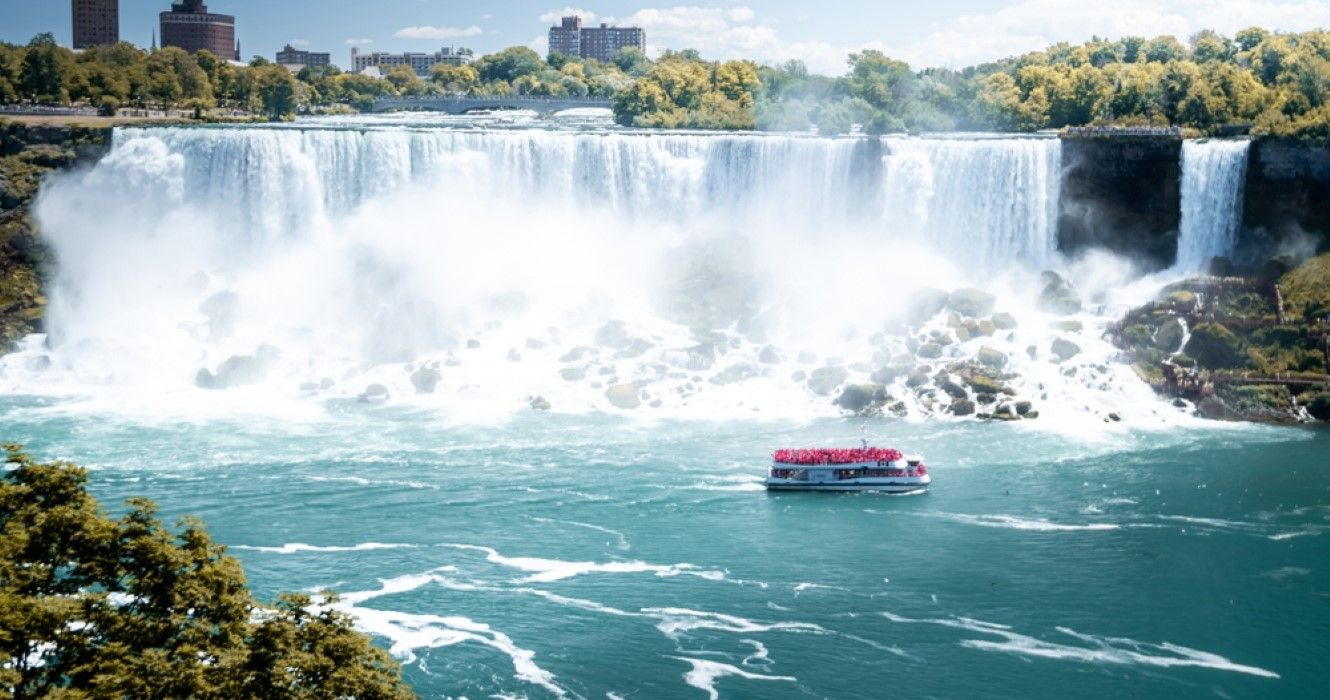
- Maid of the Mist: An iconic boat tour that takes you directly into the basin of the Horseshoe Falls, where you’ll feel the thunderous spray. This is a quintessential Niagara Falls experience.
- Cave of the Winds: Descend 175 feet into the Niagara Gorge and stand at the “Hurricane Deck,” just feet away from Bridal Veil Falls, experiencing tropical storm-like conditions.
- Goat Island: Situated between the American and Horseshoe Falls, offering breathtaking views and access to the Cave of the Winds attraction.
- Prospect Point Observation Tower: Offers panoramic views of all three Falls and is the boarding point for the Maid of the Mist.
- Beyond the Falls: Explore the Aquarium of Niagara, the Niagara Gorge Discovery Center, or try your luck at the Seneca Niagara Resort & Casino.
Exploring the Canadian Side: Clifton Hill and Beyond
The Canadian side offers magnificent panoramic views and a lively entertainment district.
- Horseshoe Falls: The most powerful and largest of the three falls, best viewed from the Canadian side.
- Journey Behind the Falls: Descend 125 feet by elevator to tunnels leading to observation decks directly behind and beside the Horseshoe Falls.
- Skylon Tower: An observation tower offering a bird’s-eye view of the Falls, the Niagara Gorge, and beyond, complete with a revolving dining room.
- Niagara City Cruises (formerly Hornblower Niagara Cruises): The Canadian equivalent of the Maid of the Mist, offering similar close-up boat tours.
- Clifton Hill: Known as the “Street of Fun,” this vibrant area offers museums, arcades, restaurants, and entertainment for all ages, creating a lively tourism atmosphere.
- Niagara Parks Botanical Gardens and Butterfly Conservatory: For a tranquil escape, these beautiful gardens and conservatory are a short drive from the main Falls area.
- Whirlpool Aero Car: A vintage cable car that glides across the powerful Niagara Whirlpool and rapids.
Beyond the Falls: Nearby Attractions
Extend your journey to discover more of the Niagara region’s charm.
- Niagara-on-the-Lake: A picturesque 19th-century town renowned for its charming shops, historic architecture, and award-winning wineries. It’s a perfect destination for culinary tourism and a luxurious lifestyle experience.
- Wine Country: The Niagara region is a thriving wine-producing area, particularly famous for its ice wine. Numerous vineyards offer tours and tastings on both sides of the border.
- Lake Ontario and Lake Erie: Explore the shores of these Great Lakes for additional scenic beauty and recreational opportunities.
Practical Tips for Your Niagara Falls Adventure
To make your trip as smooth and enjoyable as possible, keep these practical tips in mind.
Budgeting for Your Trip
A trip to Niagara Falls can be tailored to various budgets, from luxurious stays at resorts overlooking the Falls to more budget-friendly options.
- Accommodation: Book hotels, suites, or apartments well in advance, especially during peak season, to secure better rates and availability. Compare prices across booking platforms.
- Activities: Purchase attraction passes if you plan to visit multiple sites, as these often offer savings over individual tickets.
- Food: While there are many restaurants, packing some snacks and drinks can help reduce costs. Look for hotels with breakfast included.
- Currency: If crossing into Canada, remember to factor in the exchange rate for the Canadian dollar. Many establishments accept US dollars, but often at a less favorable rate.
Packing Essentials
What to pack will depend heavily on the season, but some items are universally useful:
- Weather-appropriate clothing: Layers are always a good idea.
- Rain gear: Even on sunny days, the mist from the Falls can be quite drenching, especially on boat tours or at the Cave of the Winds. A light waterproof jacket or poncho is invaluable.
- Comfortable walking shoes: You’ll be doing a lot of walking to explore the parks and attractions.
- Camera: To capture the breathtaking views.
- Sunscreen and hat: Even on cloudy days, UV exposure can be high near the water.
- Water bottle: Stay hydrated, especially during warmer months.
Border Crossing Essentials
If you plan to visit both the US and Canadian sides:
- Documentation: Ensure all travelers have the necessary identification for border crossing.
- Vehicle Documents: If driving, have your vehicle registration and proof of insurance readily available.
- Declaration: Be prepared to declare any goods you are bringing across the border.
- Timing: Try to cross during off-peak hours (early morning or late evening) to minimize wait times at the bridges. Check border wait times online before you go.
In conclusion, a journey to Niagara Falls from New York City is a rewarding travel experience that combines planning with the promise of natural grandeur. By considering the distance, choosing the right mode of transport, and utilizing these planning tips, you are well on your way to enjoying one of North America’s most iconic landmarks and creating memories that will last a lifetime.
LifeOutOfTheBox is a participant in the Amazon Services LLC Associates Program, an affiliate advertising program designed to provide a means for sites to earn advertising fees by advertising and linking to Amazon.com. Amazon, the Amazon logo, AmazonSupply, and the AmazonSupply logo are trademarks of Amazon.com, Inc. or its affiliates. As an Amazon Associate we earn affiliate commissions from qualifying purchases.