
Hawaii, a tropical paradise renowned for its breathtaking natural beauty and vibrant culture, truly blossoms on May 1st, as the islands celebrate a beloved tradition: Lei Day. Far more than just a holiday, Lei Day in Hawaii is a testament to the spirit of Aloha, a day dedicated to the art of lei making and the profound cultural significance of these fragrant floral adornments. From the lush valleys brimming with blossoms to the warm smiles of the islanders, May Day transforms Hawaii into a living tapestry of color and fragrance, inviting visitors and locals alike to partake in its joyous celebration.

This annual event, deeply rooted in Hawaiian tradition, honors the lei as a symbol of love, respect, friendship, and celebration. The practice of giving and receiving leis has been an integral part of Hawaiian culture for centuries, used in everything from welcoming guests to marking significant life events. Lei Day elevates this tradition, dedicating an entire day to its artistry and importance, with events and festivities unfolding across all the major islands.
The Genesis of a Cherished Tradition: From Past to Present
The origins of Lei Day can be traced back to 1927, when writer Don Blanding penned a poem titled “May Day Is Lei Day.” This poem, published in the Honolulu Star-Bulletin, captured the essence of the day and inspired Ruth K. Parades, a teacher at the Kamehameha School for Girls, to propose that May Day be officially recognized as Lei Day. Her suggestion was met with enthusiasm, and the first official Lei Day celebration took place the following year in 1928.
From its humble beginnings, Lei Day has evolved into a significant cultural event. What started as a localized celebration has grown into an island-wide festivity, drawing attention from across the globe. The early celebrations focused on showcasing the diverse array of flowers and the intricate techniques used in lei making. Over time, the event expanded to include hula performances, traditional Hawaiian music, and various cultural demonstrations, further solidifying its place as a cornerstone of Hawaiian heritage.
The spirit of competition has also become a hallmark of Lei Day. Numerous lei-making contests are held across the islands, with categories ranging from traditional to contemporary designs. These contests not only highlight the skill and creativity of Hawaiian lei makers but also serve as a crucial way to pass down the knowledge and techniques of this ancient art form to younger generations. Judges meticulously assess each lei based on its artistry, freshness of materials, and adherence to traditional styles, making the awards highly coveted.
The growth of tourism in Hawaii has also played a role in the prominence of Lei Day. Visitors are increasingly eager to experience the authentic culture of the islands, and Lei Day offers a perfect opportunity to do so. The widespread practice of gifting leis to arriving visitors at the airport, a tradition that has become synonymous with Hawaiian hospitality, finds its spiritual home in the broader celebration of Lei Day. This welcoming gesture, deeply ingrained in the Hawaiian spirit of Aloha, is beautifully amplified on May Day.
Embracing the Aloha Spirit: Island-Wide Celebrations and Activities
Lei Day is celebrated with vibrant energy and a deep sense of community across all the major Hawaiian Islands. Each island often hosts its own Lei Day festival, featuring a rich tapestry of events designed to immerse attendees in Hawaiian culture. These festivities are not just about appreciating the beauty of leis but also about understanding the stories, traditions, and values they represent.
The Grand Spectacle: Island Festivals and Competitions
The centerpiece of Lei Day celebrations are the elaborate festivals held in parks and community centers. The most renowned of these is the annual Lei Day Celebration at Kapiʻolani Park in Honolulu, Oahu. This event draws thousands of people, featuring a grand lei-making contest, live Hawaiian music performances by acclaimed artists, and mesmerizing hula showcases. Participants and attendees alike are adorned in beautiful leis, creating a sea of color and fragrance that embodies the spirit of the day.
Beyond Oahu, other islands host their own unique celebrations. On Maui, the festivities often take place in Lahaina or Wailuku, with a focus on local artistry and community participation. Kauai, known as the “Garden Isle,” emphasizes the natural abundance of its flora in its Lei Day events, often held in places like Kapaʻa or Hanalei. The Big Island, or Hawaii Island, with its diverse landscapes, sees celebrations in towns like Hilo and Kona, showcasing the unique lei-making traditions of different regions. These festivals are a vital platform for perpetuating Hawaiian traditions and offering visitors an authentic glimpse into the island’s soul.
Beyond the grand festivals, smaller, more intimate gatherings often occur in local communities and even within resorts. Many hotels and resorts actively participate by offering their guests lei-making workshops, cultural demonstrations, and special Lei Day menus featuring local delicacies. This ensures that visitors staying at properties like the Grand Wailea Resort or the Halekulani Hotel can experience the essence of Lei Day firsthand, even if they are not near a major festival.
The Art of Lei Making: A Skill Passed Through Generations
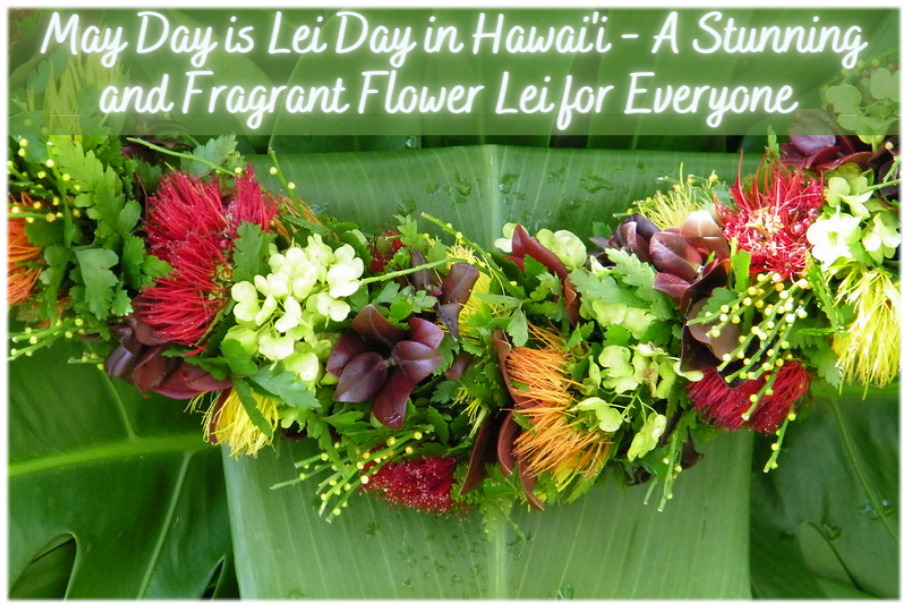
At the heart of Lei Day is the meticulous and artful practice of lei making. This is not merely stringing flowers together; it is a craft steeped in tradition, requiring knowledge of local flora, patience, and a deep understanding of the symbolic meaning of each bloom. Different types of leis are created for various occasions and carry specific messages.
The materials used are as diverse as the islands themselves. Delicate plumeria, fragrant ginger, vibrant hibiscus, and the iconic yellow allamanda are just a few of the blossoms that find their way into these creations. In addition to flowers, other natural materials like ferns, leaves, nuts, shells, and even feathers are incorporated to create unique and meaningful leis. The technique of ‘اهلى (wili), a twisting or wrapping method, is fundamental to many lei styles, allowing for a secure and aesthetically pleasing arrangement.
Lei Day contests often have categories that highlight different lei-making techniques and styles. The “Haku Lei,” for instance, involves weaving flowers and foliage onto a backing, creating a crown-like effect. The “Kikaha” style, on the other hand, focuses on tying individual flowers or buds together to form a continuous strand. The “Kui Lei” involves piercing and stringing individual floral components, a technique requiring great precision. These competitions celebrate the mastery of these techniques and encourage innovation within traditional frameworks.
The passing down of these skills is crucial for the preservation of Hawaiian culture. Elders often conduct workshops and demonstrations, sharing their expertise with younger generations. This hands-on experience is invaluable, providing a tangible connection to their heritage and fostering a sense of pride and responsibility. For many Hawaiians, lei making is a meditative and spiritual practice, a way to connect with nature and express their feelings of love and appreciation.
Experiencing Lei Day: Tips for Travelers
For visitors planning a trip to Hawaii around May Day, there are numerous ways to immerse yourself in this special celebration and experience the true spirit of Aloha. Beyond simply receiving a lei upon arrival, actively engaging with Lei Day events and traditions can transform your visit into an unforgettable cultural journey.
Planning Your Visit: Timing and Destinations
If Lei Day is a priority for your Hawaii vacation, consider planning your trip to coincide with May 1st. While the spirit of Lei Day permeates the islands throughout the week leading up to it, the actual date offers the most concentrated and vibrant celebrations.
When choosing your destination, keep in mind that Oahu boasts the largest and most elaborate Lei Day festivities, particularly the central celebration at Kapiʻolani Park. However, don’t overlook the charm of the other islands. Maui often hosts beautiful, more relaxed celebrations, while Kauai offers a chance to experience Lei Day amidst its stunning natural landscapes. Hawaii Island provides a diverse range of experiences, from the botanical gardens of Hilo to the historic sites of Kona.
Accommodation choices can greatly enhance your Lei Day experience. Many resorts, such as the Four Seasons Resort Maui at Wailea or the Aulani, A Disney Resort & Spa, offer on-site Lei Day events, including lei-making classes and cultural performances, providing a convenient and immersive way to celebrate. For those seeking a more intimate experience, consider booking a stay at a boutique hotel or a vacation rental in a smaller town, where you might find local community events and a more authentic feel.

Engaging with the Culture: Beyond the Festival Grounds
To truly appreciate Lei Day, venture beyond the main festival grounds and seek out authentic cultural experiences. Many local businesses, community centers, and even farmers’ markets host their own Lei Day events. Participating in a lei-making workshop is highly recommended. These hands-on sessions allow you to learn the intricate techniques from local artisans and create your own lei to cherish as a souvenir.
Exploring the local flora is also a rewarding experience. Visit botanical gardens like the Waimea Valley on Oahu or the Allerton Garden on Kauai to learn about the diverse flowers and plants used in lei making. Understanding the origin of these beautiful materials adds another layer of appreciation to the tradition.
Don’t hesitate to engage with the locals. Hawaiians are known for their warmth and hospitality. Strike up conversations, ask about their favorite types of leis, and learn about the stories behind them. This personal interaction will deepen your understanding and connection to the spirit of Aloha that defines Lei Day.
Finally, remember that the lei is a symbol of respect and affection. When you are gifted a lei, accept it with gratitude and wear it with pride. If you wish to reciprocate, consider purchasing a lei from a local vendor or, if you’ve participated in a workshop, gifting your own handmade creation. Experiencing Lei Day in Hawaii is an opportunity to connect with a beautiful tradition and embrace the genuine spirit of the islands.