
New Orleans, Louisiana, is a city that pulses with a unique rhythm, a vibrant tapestry woven from centuries of diverse cultures, soulful music, and an unparalleled culinary scene. Known as the Big Easy, it’s a destination that promises an unforgettable journey for every traveler, whether you’re seeking historic landmarks, lively entertainment, or simply a taste of its distinctive charm. This comprehensive guide delves into the essential experiences that define a visit to this captivating Southern gem, ensuring you make the most of your time exploring its iconic streets, indulging in its rich flavors, and soaking in its infectious spirit. From its renowned architecture and historical significance to its vibrant local culture and diverse accommodation options, New Orleans offers a wealth of opportunities for exploration and discovery, catering to luxury travelers, budget adventurers, families, and business visitors alike.
Exploring the Historic Heart of New Orleans
The soul of New Orleans is undeniably found in its historic districts, where every cobblestone and wrought-iron balcony tells a story. Immersing yourself in these areas is crucial for understanding the city’s profound heritage and architectural beauty.
Wander Through the French Quarter
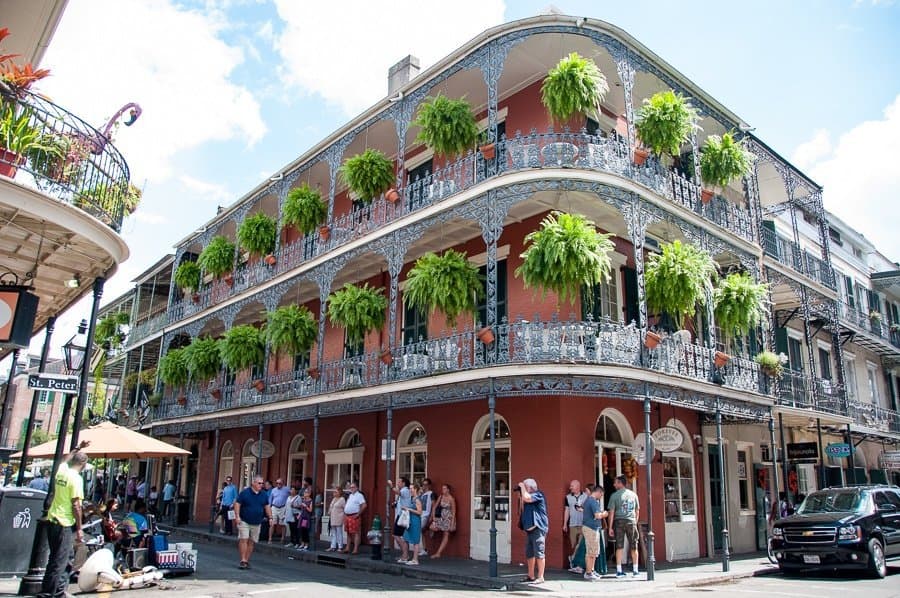
No visit to New Orleans is complete without a thorough exploration of the French Quarter, the oldest and most famous neighborhood in the city. This historic district, also known as the Vieux Carré, is a captivating blend of Spanish and French colonial architecture, characterized by its narrow streets, colorful buildings with intricate ironwork balconies, and gas lamps that cast a romantic glow after dark. Strolling through the French Quarter is like stepping back in time, with the sounds of street musicians, the aroma of Creole cuisine, and the buzz of activity filling the air.
Start your journey early in the morning to experience the tranquil beauty of the quarter before the crowds arrive. This is the perfect time to admire the residential streets, capture stunning photographs of the historic facades, and observe daily life as it unfolds. As the day progresses, the French Quarter transforms, with artists displaying their works, street performers enchanting passersby, and the vibrant energy of the city taking hold. While famous for its nightlife, the daytime offers a different, equally enriching perspective. Don’t miss Royal Street, known for its upscale antique shops, art galleries, and boutiques. It offers a more refined shopping experience compared to the bustling Bourbon Street. Exploring the various courtyards hidden behind elaborate gates also reveals serene oases, providing a glimpse into the private beauty of French Quarter living. The overall ambiance of the French Quarter makes it a prime destination for those interested in local culture, historical attractions, and unique travel experiences.
Immerse Yourself in History at Jackson Square and St. Louis Cathedral
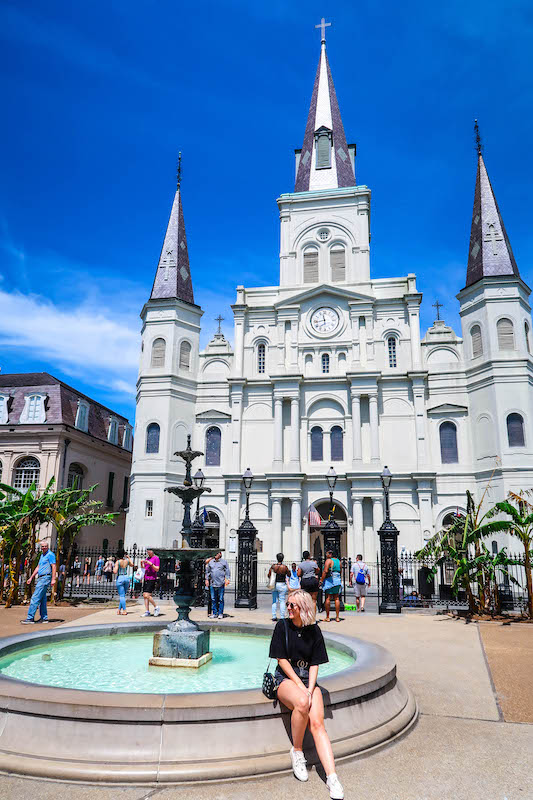
At the heart of the French Quarter lies Jackson Square, a historic park that serves as a vibrant hub of activity and a significant landmark. Named after Andrew Jackson, whose equestrian statue dominates its center, the square is surrounded by beautifully preserved 18th-century buildings. On any given day, you’ll find local artists showcasing their work, fortune tellers offering glimpses into the future, and street performers adding to the lively atmosphere. The square’s perimeter offers an ever-changing art market, perfect for picking up a unique souvenir or simply enjoying the creative spirit of the city.
Dominating the northern side of Jackson Square is the majestic St. Louis Cathedral, one of the oldest continually active cathedrals in the United States. Its iconic triple steeples are a quintessential image of New Orleans. Visitors are welcome to step inside to admire its stunning interior, reflect in its serene atmosphere, and learn about its rich history, which dates back to 1727. Adjacent to the cathedral are The Cabildo and The Presbytère, two historic buildings that now house parts of the Louisiana State Museum. The Cabildo is particularly significant as the site where the Louisiana Purchase was signed, marking a pivotal moment in American history. These museums offer fascinating insights into Louisiana’s past, from its colonial origins to its musical heritage and beyond, making them must-visits for history buffs and cultural enthusiasts.
Uncover New Orleans’ Past in its Cemeteries
New Orleans’ above-ground cemeteries are unique historical sites, often referred to as “Cities of the Dead” due to their elaborate tombs and mausoleums. These burial grounds are a testament to the city’s distinctive culture and historical challenges, such as the high water table that necessitated above-ground interments. A guided tour of one of these cemeteries, particularly St. Louis Cemetery No. 1, offers a fascinating glimpse into the city’s past and its enduring traditions.
St. Louis Cemetery No. 1, the oldest and most famous cemetery in New Orleans, is the final resting place of notable figures such as Voodoo Queen Marie Laveau and architect Benjamin Latrobe. The cemetery’s labyrinthine pathways are lined with crumbling tombs, some ornate and well-preserved, others decaying and mysterious. Access to St. Louis Cemetery No. 1 is now restricted to guided tours only, which ensures the preservation of this historical site and provides visitors with expert commentary on its stories and legends. Other significant cemeteries include Lafayette Cemetery No. 1 in the Garden District, offering a similar experience without the restricted access. These sites are not only historical landmarks but also architectural marvels, showcasing a range of funerary art and design, from simple brick vaults to grand, family mausoleums. For those interested in history, architecture, and local lore, a cemetery tour is a profound and memorable experience.
A Taste of New Orleans: Culinary Delights and Vibrant Nightlife
The heart of New Orleans’ culture beats strongest in its kitchens and on its stages. The city’s food scene is a legendary fusion of Creole, Cajun, and Southern influences, while its nightlife, especially its live music, is world-renowned.
Indulge in Iconic Creole and Cajun Cuisine
New Orleans is a paradise for food lovers, offering a culinary journey unlike anywhere else. The city’s cuisine is a rich tapestry of flavors, influenced by its French, Spanish, African, and Caribbean heritage. Essential dishes you must try include gumbo, a hearty stew often made with seafood or chicken and sausage, served over rice; jambalaya, a flavorful rice dish with meat and vegetables; and étouffée, typically crawfish or shrimp smothered in a rich sauce. For a quick bite, po’boys—sandwiches served on crispy French bread—are a local staple, filled with anything from fried shrimp to roast beef.
No visit is complete without a stop at Café Du Monde for their famous beignets and café au lait. These square, deep-fried pastries, generously dusted with powdered sugar, are a sweet tradition enjoyed by locals and tourists alike, often accompanied by the sounds of jazz from nearby street performers. Beyond these classics, explore upscale dining at institutions like Commander’s Palace in the Garden District, known for its elegant Creole cuisine and famous jazz brunches, or Galatoire’s and Antoine’s in the French Quarter for a truly historic fine dining experience. For more contemporary takes on local flavors, consider Brennan’s or Emeril’s, which have redefined New Orleans dining with innovative menus. Food tours are an excellent way to sample a variety of dishes and learn about the culinary history from a local expert, providing a deeper appreciation for the city’s gastronomic legacy.
Experience the Magic of Bourbon Street and Frenchmen Street
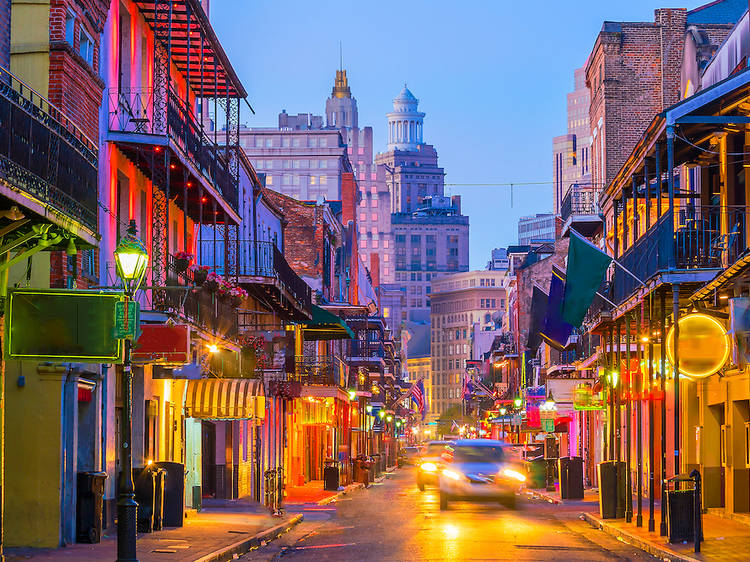
When the sun sets, New Orleans comes alive with an energy that is uniquely its own. Bourbon Street in the French Quarter is perhaps the most famous, or infamous, thoroughfare, synonymous with wild nights, neon lights, and open-container laws. Here, you’ll find an array of bars, live music venues, and street performers, creating a carnival-like atmosphere that lasts well into the early hours. While it can be boisterous and tourist-centric, experiencing Bourbon Street for at least one evening is a quintessential New Orleans activity, even if just to people-watch and soak in the spectacle.
For a more authentic and diverse live music experience, head to Frenchmen Street in the Faubourg Marigny neighborhood, just a short walk from the French Quarter. This vibrant strip is renowned for its concentration of music clubs offering continuous live jazz, blues, funk, and brass band performances every night of the week. Venues like The Spotted Cat Music Club, Snug Harbor Jazz Bistro, and Blue Nile are legendary for showcasing both established local musicians and rising stars. The atmosphere on Frenchmen Street is more focused on the music itself, attracting a mix of locals and tourists who appreciate the city’s rich musical heritage. Whether you’re a devoted jazz enthusiast or simply looking to enjoy some incredible live performances, Frenchmen Street offers an unforgettable glimpse into the soul of New Orleans’ music scene.
Sip New Orleans Cocktails
New Orleans has a storied history as the birthplace of some of America’s most iconic cocktails, making a tour of its historic bars and a taste of its signature drinks an essential part of the experience. The city’s cocktail culture is deeply intertwined with its social history, with many drinks having origins dating back centuries.
The Sazerac, often touted as America’s oldest cocktail, is a must-try. Made with rye whiskey, Absinthe or Peychaud’s Bitters, and a lemon peel, it’s a sophisticated drink with a powerful kick. Another classic is the Hurricane, a potent, fruity rum-based drink famously served at Pat O’Brien’s Bar. While often associated with Bourbon Street revelry, the Hurricane has a surprisingly refined origin. The Vieux Carré cocktail, a complex blend of rye, cognac, sweet vermouth, and two types of bitters, was created at the Hotel Monteleone’s Carousel Bar, a revolving bar that offers a unique drinking experience. Other notable drinks include the Ramos Gin Fizz and the French 75. Many establishments offer craft cocktail programs that celebrate these classics while also introducing innovative new creations. Consider taking a cocktail history tour or visiting historic bars like Lafitte’s Blacksmith Shop Bar, one of the oldest bars in the United States and reputedly a former haunt of pirate Jean Lafitte, for a true taste of New Orleans’ legendary liquid heritage.
Beyond the French Quarter: Unique Neighborhoods and Experiences
While the French Quarter is the city’s undeniable heart, venturing beyond its boundaries reveals a rich tapestry of diverse neighborhoods, natural beauty, and alternative cultural experiences that showcase the breadth of what New Orleans has to offer.
Explore the Garden District and its Antebellum Mansions
Just a short streetcar ride from the French Quarter, the Garden District presents a stark but beautiful contrast. This opulent neighborhood is renowned for its stunning antebellum mansions, lush gardens, and oak-lined streets. Developed in the 19th century as a response to the French Quarter’s dense, European-style living, the Garden District showcases grand Southern architecture, with houses featuring expansive porches, intricate ironwork, and verdant landscapes.
A leisurely stroll through the Garden District is a delightful experience. You can admire the homes of celebrities, writers, and historical figures, many of which are beautifully preserved. Guided walking tours are highly recommended, as they provide fascinating insights into the history of the neighborhood, the architectural styles, and the stories behind the grand residences. Don’t miss Lafayette Cemetery No. 1, one of New Orleans’ oldest and most atmospheric above-ground cemeteries, located opposite Commander’s Palace restaurant. The St. Charles Avenue streetcar line, which runs through the Garden District, is an experience in itself, offering picturesque views and a convenient way to explore. This area is perfect for those who appreciate architecture, history, and a more serene side of New Orleans.
Embrace Nature with a Bayou or Swamp Tour
To truly understand the unique ecosystem surrounding New Orleans, venture out on a bayou or swamp tour. Just a short drive from the city, these tours offer an exhilarating escape into the mystical Louisiana wetlands, revealing a world of cypress trees draped in Spanish moss, diverse wildlife, and the tranquil beauty of nature.
Several operators offer tours ranging from airboat excursions, which provide a thrilling, high-speed ride through the shallow waters, to more serene pontoon boat tours, which allow for closer observation of the wildlife. On these tours, you’re likely to encounter alligators, turtles, various bird species, and perhaps even some wild boar. Knowledgeable guides share insights into the local ecosystem, the history of the Cajun people who have long inhabited these lands, and the importance of preserving this fragile environment. It’s a fantastic way to connect with the natural side of Louisiana and gain a deeper appreciation for the region’s biodiversity. For nature lovers and those seeking an adventurous experience beyond the urban landscape, a swamp tour is an unforgettable activity that blends education with excitement.
Visit City Park
New Orleans City Park is one of the largest urban parks in the United States, offering a verdant oasis just minutes from the bustling downtown. Larger than New York City’s Central Park, it’s home to a staggering array of attractions and activities, making it an ideal destination for families, nature enthusiasts, and anyone seeking a peaceful respite.
The park boasts the world’s largest grove of mature live oaks, some of which are hundreds of years old, creating a picturesque canopy for strolls and picnics. Within City Park, you’ll find the New Orleans Museum of Art (NOMA) and its adjacent Sydney and Walda Besthoff Sculpture Garden, an exquisite outdoor gallery featuring modern and contemporary sculptures amidst lagoons and ancient oaks. For families, the Carousel Gardens Amusement Park and Storyland offer classic rides and fairy tale-themed attractions. The park also features botanical gardens, golf courses, tennis courts, and paddleboat rentals on Big Lake. Spending a day at City Park allows visitors to experience a different facet of New Orleans, one focused on recreation, art, and the serene beauty of nature, away from the city’s more energetic hubs.
Planning Your New Orleans Stay: Accommodation and Travel Tips
To ensure a seamless and enjoyable trip to New Orleans, strategic planning for accommodation, transportation, and timing is key. The city offers a wide spectrum of options to suit every preference and budget, enhancing the overall travel experience.
Choosing Your New Orleans Accommodation
New Orleans provides a diverse range of accommodation options, from historic hotels to charming guesthouses and modern apartments, catering to various travel styles and budgets. The choice of where to stay significantly impacts your experience, particularly in terms of proximity to attractions and local ambiance.
For those seeking the classic New Orleans experience, staying in the French Quarter offers unparalleled access to major landmarks, dining, and nightlife. Historic hotels like Hotel Monteleone (home to the famous Carousel Bar), Omni Royal Orleans, or The Roosevelt New Orleans, a Waldorf Astoria hotel, provide luxury and old-world charm, often featuring amenities like pools, renowned restaurants, and elegant suites. These properties often boast rich histories themselves, adding another layer to your cultural immersion.
Alternatively, the Central Business District (CBD) offers a more contemporary hotel experience with options like The Eliza Jane, a JDV by Hyatt property, or the Ace Hotel New Orleans, known for its stylish design and vibrant communal spaces. These hotels are often ideal for business travelers or those attending conventions, providing convenient access to conference centers while still being within easy reach of the French Quarter. The Garden District offers charming guesthouses and boutique hotels, such as the Pontchartrain Hotel, perfect for those seeking a quieter, more residential feel amidst stunning architecture. For budget-conscious travelers, hostels and more modest hotels can be found in areas like the Faubourg Marigny or beyond the immediate tourist hotspots. Utilizing online booking platforms for comparison and checking reviews is always recommended to find the best fit for your preferences and to ensure a comfortable stay, whether you’re looking for suites, apartments, or full-service resorts. Consider whether amenities like a pool, a fitness center, or a concierge service are priorities for your trip, impacting your lifestyle choice for your travel.
Navigating New Orleans
Getting around New Orleans is relatively easy, with several charming and efficient transportation options. Walking is often the best way to explore the French Quarter and nearby neighborhoods, allowing you to absorb the atmosphere at your own pace and discover hidden gems.
For longer distances, the historic streetcar system is both practical and a tourist attraction in itself. The St. Charles Avenue line is particularly scenic, taking you through the Garden District, past grand mansions, and up to the universities. The Canal Street line connects the French Quarter to City Park and the Cemeteries. A day pass is an economical way to utilize the streetcars extensively. Ride-sharing services like Uber and Lyft are readily available, as are traditional taxis, offering convenient options for getting around late at night or when traveling with luggage. Biking is also an increasingly popular way to explore, with rental services available. If you plan to explore areas far outside the city center, such as plantation tours or a swamp tour, a rental car might be beneficial, but be aware that parking in the French Quarter can be expensive and challenging.
Best Time to Visit and Festival Fun
Timing your visit can significantly enhance your New Orleans experience. The spring (March to May) and fall (October to November) are generally considered the best times to visit. During these seasons, the weather is pleasant, with comfortable temperatures and lower humidity, making it ideal for walking tours and outdoor activities. These months also coincide with some of the city’s most renowned festivals.
Spring brings the world-famous Mardi Gras (usually February or early March), a spectacular and unforgettable celebration, though it requires booking accommodation well in advance and embracing massive crowds. The New Orleans Jazz & Heritage Festival (late April/early May), known as Jazz Fest, is another major draw, showcasing incredible music, food, and crafts. In the fall, events like the Voodoo Music + Arts Experience and various food and wine festivals add to the city’s vibrant calendar. Summer (June to September) can be intensely hot and humid, with a higher chance of rain, but also offers fewer crowds and potentially lower accommodation prices. Winter (December to February) is generally mild and pleasant, with festive decorations around the holidays. Regardless of when you visit, New Orleans always offers a lively atmosphere and unique cultural events, making it a dynamic destination year-round for anyone interested in tourism, local culture, and unforgettable experiences.
In conclusion, New Orleans is more than just a destination; it’s an immersive experience that captivates all your senses. From its storied landmarks and vibrant neighborhoods to its world-class cuisine and soulful music, the Big Easy promises a journey filled with unforgettable moments. By exploring its historic heart, indulging in its culinary delights, venturing beyond the famous French Quarter, and planning your stay thoughtfully, you’ll uncover the layers of charm and complexity that make this city truly unique. So pack your bags, prepare your palate, and get ready to fall in love with the magic of New Orleans.