
Embarking on a journey to the sprawling metropolis of Los Angeles, California, is an exciting prospect, whether you’re drawn by its iconic landmarks, vibrant cultural scene, luxurious resorts, or the promise of sun-kissed beaches. However, like any major travel destination, understanding the local time is far more than just a trivial detail – it’s a foundational element for seamless trip planning, maximizing your experiences, and staying connected. From scheduling your flight arrivals and hotel check-ins to planning your sightseeing adventures and dining reservations, knowing the current time in LA is paramount. This comprehensive guide will delve into the intricacies of Los Angeles’ time zone, its implications for travelers, and essential tips for managing your schedule to ensure a truly unforgettable California getaway.
Decoding Los Angeles’ Time Zone: Pacific Standard Time (PST) and Pacific Daylight Time (PDT)
At its core, understanding Los Angeles time begins with recognizing its position within the global timekeeping system. As a major city on the West Coast of the United States, Los Angeles operates on the Pacific Time Zone. This zone observes two distinct phases throughout the year: Pacific Standard Time (PST) and Pacific Daylight Time (PDT).
The Rhythms of Los Angeles
During the winter months, from early November to mid-March, Los Angeles adheres to Pacific Standard Time (PST), which is 8 hours behind Coordinated Universal Time (UTC-8). Coordinated Universal Time, often synonymous with Greenwich Mean Time (GMT), serves as the primary time standard by which the world regulates clocks and time. This means that if it’s noon UTC, it would be 4:00 AM in Los Angeles under PST.
Daylight Saving Time: When the Clock Changes
The most significant annual shift in Los Angeles’ time comes with the implementation of Daylight Saving Time (DST). Typically, on the second Sunday in March, clocks “spring forward” by one hour, transitioning to Pacific Daylight Time (PDT). During this period, Los Angeles is 7 hours behind Coordinated Universal Time (UTC-7). This change effectively shifts an hour of daylight from the morning to the evening, providing longer, brighter evenings ideal for tourism activities. The clocks then “fall back” one hour on the first Sunday in November, returning to PST. For international travelers or those from different U.S. time zones (like the East Coast’s Eastern Time Zone or the Central Time Zone), understanding this biannual adjustment is crucial for accurate planning.
Why Current Time Matters for Your Los Angeles Experience
Beyond merely knowing what time it is, comprehending the temporal rhythm of Los Angeles is vital for every aspect of your trip, enhancing everything from travel logistics to cultural immersion.
Seamless Travel Planning and Logistics
For travelers, the accurate time directly impacts flight schedules, train departures, and any pre-booked transportation. A miscalculation of even an hour could lead to missed connections or unnecessary stress. When planning your arrival at Los Angeles International Airport (LAX) or departure, always confirm the local time to avoid last-minute rushes. Furthermore, coordinating ground transportation, such as shuttle services to your Beverly Hills hotel or a ride-share to Santa Monica, requires precise timing, especially during peak LA traffic hours.
Immersing in Los Angeles’ Vibrant Tourism Scene
Los Angeles is a treasure trove of iconic landmarks and attractions, each with specific operating hours. Missing the window to explore the Hollywood Walk of Fame, gaze through the telescopes at Griffith Observatory, or experience the thrills of Universal Studios Hollywood would be a significant oversight. For those planning a trip to the Disneyland Resort in nearby Anaheim, theme park opening and closing times are strict and can vary by season. Even simpler activities, like catching a sunset at Santa Monica Pier or enjoying the trendy shops at The Grove, are best enjoyed with an awareness of the clock. Understanding the local time also helps you plan around popular times, potentially allowing you to visit less crowded attractions during off-peak hours, or securing tickets for popular shows at the Walt Disney Concert Hall or sporting events at Crypto.com Arena, Dodger Stadium, or SoFi Stadium.

Accommodation Check-ins and Check-outs
Whether you’ve booked a luxury suite in a Downtown LA high-rise, a charming apartment near the beach in Malibu, or a cozy villa in the Hollywood Hills, standard hotel check-in times are usually in the afternoon (e.g., 3:00 PM or 4:00 PM) and check-out times in the late morning (e.g., 11:00 AM or 12:00 PM). Being aware of the local time ensures a smooth arrival, avoiding early check-in fees or the need to store luggage. Similarly, a punctual check-out prevents potential late fees, allowing you to seamlessly transition to your next activity or departure. Many hotels and accommodation providers offer amenities or services around the clock, but their availability, from room service to concierge assistance, is often tied to local operating hours.
Beating Jet Lag and Optimizing Your California Adventure
Traveling across time zones can be taxing, leading to the dreaded jet lag. However, with strategic planning centered around Los Angeles’ local time, you can significantly mitigate its effects and hit the ground running.
Pre-Trip Adjustments for a Smoother Transition
For those traveling west to Los Angeles, particularly from the East Coast or international destinations like Europe or Asia, gradually adjusting your sleep schedule in the days leading up to your departure can make a huge difference. Try to shift your bedtime later by an hour or two each night to align more closely with PST or PDT. Hydration is also key; staying well-hydrated before and during your flight can alleviate many symptoms of jet lag, allowing your body to adapt more readily to the new time zone.
On-Arrival Strategies for Quick Adaptation
Upon arrival, immerse yourself in Los Angeles’ local time as quickly as possible. Even if you’re exhausted, try to stay awake until evening and expose yourself to natural daylight. Sunlight helps reset your circadian rhythm, signaling to your body that it’s daytime. Engage in light activities, explore nearby attractions like a stroll along Rodeo Drive, or visit the Getty Center. Avoid long naps, especially immediately after landing. If you must nap, keep it short (20-30 minutes) and early in the afternoon. Embrace the local dining schedule; eating meals at Los Angeles meal times further aids your body’s adjustment. By prioritizing adaptation to the local clock, you can swiftly overcome jet lag and fully enjoy your travel experiences in this dynamic city.
Making Every Moment Count: Lifestyle and Leisure in LA
The rhythm of life in Los Angeles is intrinsically linked to its time zone. Understanding this rhythm is crucial not only for practicalities but also for truly experiencing the local lifestyle, from dining out to connecting with business partners.
Dining and Entertainment: Los Angeles’ Culinary Clock
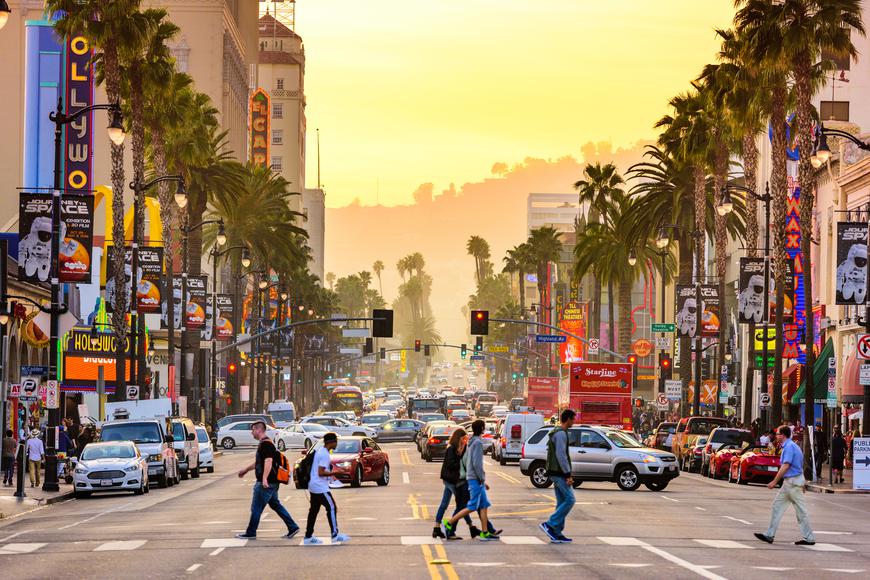
Los Angeles’ culinary scene is legendary, offering everything from trendy brunch spots to Michelin-starred restaurants. Most breakfast services begin around 7:00 AM-8:00 AM, lunch typically runs from 12:00 PM-2:00 PM, and dinner service often kicks off around 5:00 PM-6:00 PM, lasting until 10:00 PM or later, especially in popular nightlife areas like Sunset Boulevard. If you’re planning to dine at popular eateries, especially those requiring reservations, ensure your bookings align with Los Angeles time. Bars and clubs typically open later in the evening and can operate well past midnight. Knowing the local schedule ensures you won’t miss out on LA’s vibrant dining and entertainment options, whether you’re seeking a casual meal or a luxurious night out.
Business and Communication: Staying Connected
For business travelers, managing time differences is paramount. If you’re attending meetings, conferences, or collaborating with local companies in Los Angeles, accurately converting your home time to PST or PDT is non-negotiable. Similarly, staying in touch with family, friends, or colleagues back home requires an awareness of the time difference to avoid inconvenient calls or messages. Tools like world clock apps on smartphones or online time zone converters are invaluable resources for managing these disparities efficiently. For those extending their stay for long-term accommodation, integrating into the local time means more than just setting your watch; it means adapting to the daily routines, public transport schedules, and community events that define life in Los Angeles.
In conclusion, “What is the time in LA, California right now?” is a question that opens the door to a deeper understanding of your entire travel experience. From the practicalities of flights and hotel stays to the enjoyment of world-class attractions and the nuances of local culture, a firm grasp of Los Angeles’ time zone – Pacific Standard Time and Pacific Daylight Time – is essential. By planning proactively, adapting strategically, and immersing yourself in the city’s temporal rhythm, you’re not just saving time; you’re enriching your journey, ensuring every moment in the City of Angels is truly unforgettable.
LifeOutOfTheBox is a participant in the Amazon Services LLC Associates Program, an affiliate advertising program designed to provide a means for sites to earn advertising fees by advertising and linking to Amazon.com. Amazon, the Amazon logo, AmazonSupply, and the AmazonSupply logo are trademarks of Amazon.com, Inc. or its affiliates. As an Amazon Associate we earn affiliate commissions from qualifying purchases.