
Embarking on a journey across the diverse landscape of Arizona promises an adventure filled with stunning scenery, rich history, and vibrant culture. One of the most common and rewarding road trips in the state is the route connecting its two largest cities: Phoenix, the sprawling capital and “Valley of the Sun,” and Tucson, the historic “Old Pueblo.” Whether you’re a local seeking a weekend getaway or a visitor exploring the Southwest, understanding the distance, travel options, and what awaits you on this route is essential for an unforgettable experience. This comprehensive guide will navigate you through every aspect of traveling between these two desert gems, from the practicalities of getting there to the myriad attractions that make each city a unique destination.
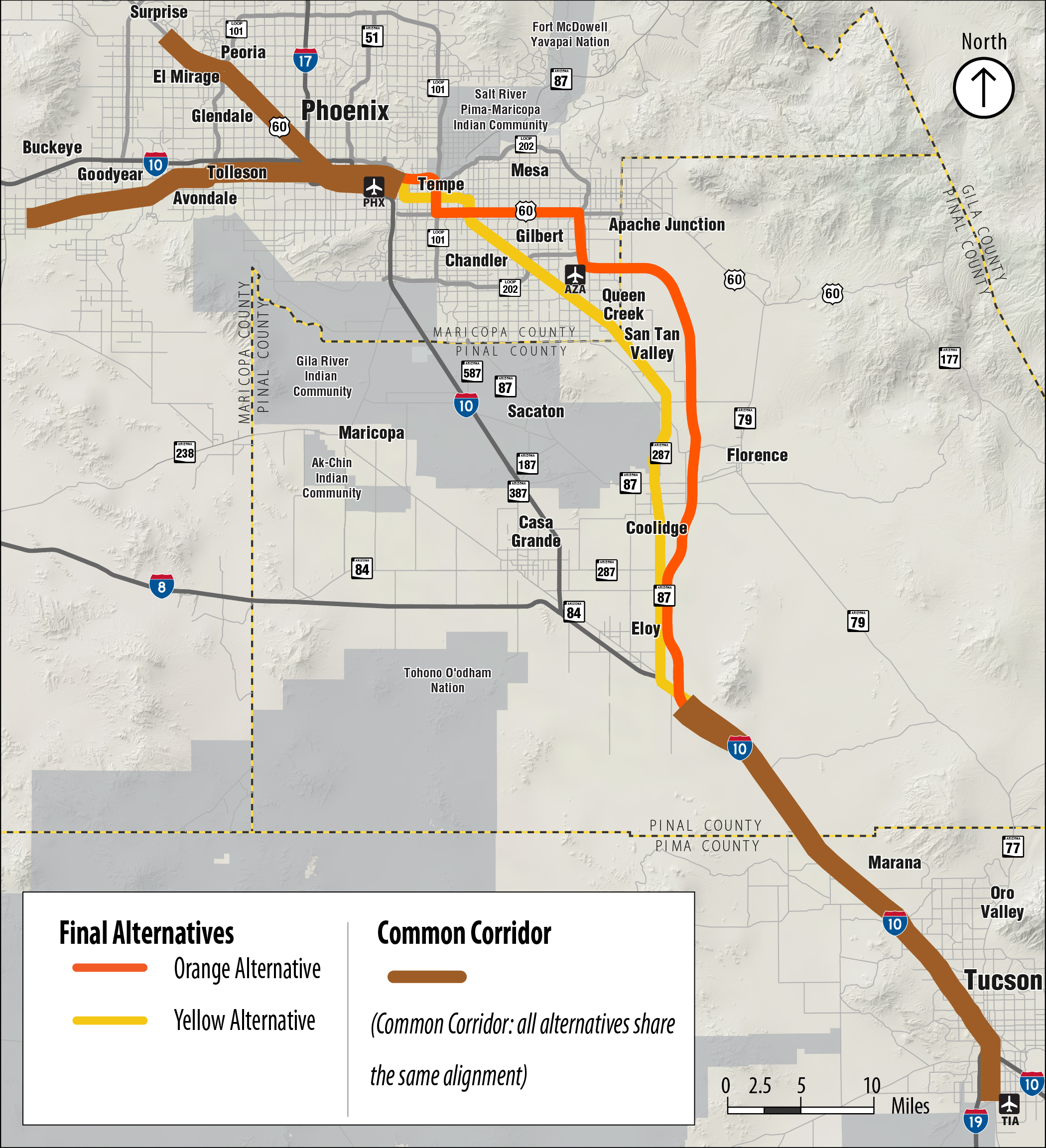
The Core Question: How Far is Tucson from Phoenix?
The first question on every traveler’s mind is usually about the logistics: how far is it, and how long will it take? The journey from Phoenix to Tucson is a straightforward one, primarily following a well-maintained interstate highway. This makes it an accessible and enjoyable trip for most.
Driving the Distance: Routes and Travel Times
The primary route connecting Phoenix and Tucson is Interstate 10 (I-10). This major artery runs almost directly south from Phoenix before curving southeast towards Tucson.
- Distance: The average distance between downtown Phoenix and downtown Tucson is approximately 110 to 120 miles (177 to 193 kilometers), depending on your exact starting and ending points within each metropolitan area.
- Driving Time: Under normal traffic conditions, the drive typically takes around 1 hour and 45 minutes to 2 hours. However, it’s always wise to factor in potential delays. Peak traffic times, especially during weekday rush hours (7-9 AM and 4-6 PM) in and around both cities, can extend the travel time. Additionally, construction projects or unexpected road incidents can cause temporary slowdowns. It’s advisable to check real-time traffic updates before you depart, particularly if you’re traveling on a Friday afternoon or Sunday evening when weekend travel is at its peak.
The drive itself is relatively flat and easy, passing through vast stretches of the Sonoran Desert. While largely uneventful, the scenery provides a quintessential Arizona experience, with sparse desert flora and distant mountain ranges painting a picturesque backdrop.
Beyond the Wheel: Alternative Transportation Options
While driving offers the most flexibility, several other transportation methods connect Phoenix and Tucson, catering to different preferences and budgets.
- Bus Services: Intercity bus services, such as Greyhound and FlixBus, offer frequent and affordable routes between the two cities. Travel time by bus is usually longer than driving, often ranging from 2.5 to 3 hours, due to stops and varying routes. This option is ideal for budget-conscious travelers or those who prefer not to drive.
- Train Services: Amtrak provides a train service connecting Phoenix (via a station in Maricopa, a short drive south of the city) to Tucson. The train journey is significantly longer, typically around 2-3 hours from Maricopa to Tucson, plus the commute to the Maricopa station itself. While not the fastest option, it offers a unique, scenic, and relaxed travel experience, appealing to those who enjoy train travel.
- Flying: Although both cities have major airports (Phoenix Sky Harbor International Airport and Tucson International Airport), direct flights between Phoenix and Tucson are uncommon due to the short distance. The time spent on airport transfers, security, and boarding would far outweigh the short flight time, making it an impractical choice for most travelers unless connecting to another destination.
Making the Journey: Exploring Arizona’s Desert Corridor
The drive between Phoenix and Tucson, while relatively short, offers opportunities for fascinating stops and a deeper appreciation of the Sonoran Desert’s unique ecosystem.
Essential Stops and Scenic Detours Along I-10
For those who prefer to turn a simple drive into a mini-adventure, there are a few interesting points along or near I-10 worth considering:
- Casa Grande Ruins National Monument: A short detour off I-10 near the town of Coolidge leads to the Casa Grande Ruins National Monument. This remarkable site preserves a large, multi-story structure built by the ancient Sonoran Desert people over 700 years ago. It offers a glimpse into prehistoric cultures and their architectural prowess, making it a compelling historical stop.
- Picacho Peak State Park: Located directly off I-10 between Phoenix and Tucson, Picacho Peak State Park is easily recognizable by its distinctive pointed peak. It’s a popular spot for hiking, especially during the spring when wildflowers bloom. The park is also historically significant as the site of one of the westernmost battles of the American Civil War.
- Tanger Outlets Arizona Pavilion: For those interested in retail therapy, the Tanger Outlets Arizona Pavilion near Casa Grande offers a convenient stop to stretch your legs and perhaps find a bargain.
Preparing for Your Desert Drive
A few simple preparations can ensure a smooth and comfortable journey through the Arizona desert:
- Vehicle Check: Ensure your vehicle is in good working condition, especially during the hot summer months. Check tires, fluid levels, and air conditioning.
- Hydration: Always carry plenty of water, even for a relatively short drive. The desert climate can be deceptively dehydrating.
- Sun Protection: Sunscreen, hats, and sunglasses are advisable, as the Arizona sun is intense year-round.
- Emergency Kit: A basic emergency kit with jumper cables, a first-aid kit, and a flashlight can provide peace of mind.
- Navigation: While I-10 is straightforward, a reliable GPS or mapping app is always useful.
Discovering Phoenix: The Valley of the Sun
Before or after your journey to Tucson, take time to explore Phoenix, the fifth-largest city in the United States. Known for its year-round sunshine, vibrant urban core, and stunning desert backdrop, Phoenix offers a blend of outdoor adventure, cultural experiences, and upscale amenities.
Top Attractions and Experiences in Phoenix
Phoenix is a dynamic city with something for everyone:

- Desert Botanical Garden: A must-visit for nature lovers, this garden showcases the incredible biodiversity of the Sonoran Desert with thousands of species of cacti, succulents, and wildflowers.
- Heard Museum: Dedicated to the advancement of American Indian art and culture, the Heard Museum offers an enriching educational experience with its impressive collections and exhibits.
- Hiking Camelback Mountain or Piestewa Peak: For outdoor enthusiasts, these iconic mountains offer challenging hikes with panoramic views of the entire Valley of the Sun.
- Frank Lloyd Wright’s Taliesin West: Explore the winter home and architectural school of the legendary architect Frank Lloyd Wright, a National Historic Landmark.
- Old Town Scottsdale: Just east of Phoenix, Old Town Scottsdale provides a charming district with art galleries, boutiques, restaurants, and a lively nightlife.
Where to Stay: Phoenix Accommodation Guide
Phoenix boasts a wide array of accommodation options, from luxurious resorts to budget-friendly hotels, catering to every travel style and preference.
- Luxury Resorts: For an opulent escape, consider properties like The Phoenician, a Luxury Collection Resort, known for its stunning golf courses and spa, or the historic Arizona Biltmore, A Waldorf Astoria Resort. The JW Marriott Desert Ridge Resort & Spa also offers an expansive resort experience with multiple pools and dining options.
- Boutique Hotels: Hotel Palomar Phoenix and The Camby, Autograph Collection offer stylish and unique stays in prime locations.
- Mid-Range and Budget-Friendly Options: Numerous well-known hotel chains like Hyatt Regency Phoenix, Hilton Garden Inn, and Holiday Inn Express are available throughout the Phoenix metropolitan area, providing comfortable stays at reasonable prices.
- Vacation Rentals: For longer stays or family trips, vacation rentals and apartments are abundant, offering a home-away-from-home experience.
Exploring Tucson: The Old Pueblo’s Charm
South of Phoenix lies Tucson, a city steeped in history with a distinct Southwestern flavor. Surrounded by five mountain ranges, Tucson offers a more laid-back atmosphere than Phoenix, rich in Native American, Mexican, and pioneer heritage.
Must-Visit Landmarks and Cultural Gems in Tucson
Tucson combines natural beauty with cultural depth:
- Saguaro National Park: Divided into two districts flanking the city, this national park is dedicated to protecting the iconic saguaro cactus. It offers stunning drives, hiking trails, and incredible opportunities to witness the desert ecosystem.
- Arizona-Sonora Desert Museum: More than just a museum, this unique institution is a zoo, botanical garden, art gallery, and natural history museum all in one, focusing entirely on the plants and animals of the Sonoran Desert.
- Mission San Xavier del Bac: Known as the “White Dove of the Desert,” this historic Catholic mission, founded in 1692, is an exquisite example of Spanish Colonial architecture and a functioning church for the Tohono O’odham Nation.
- Pima Air & Space Museum: One of the largest non-government funded aerospace museums in the world, featuring an impressive collection of over 400 aircraft.
- Kitt Peak National Observatory: For stargazers and science enthusiasts, a drive up to Kitt Peak offers incredible views during the day and unparalleled stargazing opportunities at night.
- Sabino Canyon Recreation Area: Explore lush desert landscapes, complete with stream crossings and abundant wildlife, via an open-air shuttle or hiking trails.
Finding Your Perfect Stay: Tucson Accommodation Options
Tucson’s accommodations range from historic downtown hotels to sprawling desert resorts, each reflecting the city’s unique charm.
- Luxury Resorts: Indulge in a stay at The Ritz-Carlton, Dove Mountain, nestled in the foothills of the Tortolita Mountains, or the Loews Ventana Canyon Resort, which offers breathtaking views of the Catalina Mountains.
- Historic Hotels: Experience the charm of the past at the Arizona Inn, a historic property with beautifully landscaped grounds, or the iconic Hotel Congress downtown, known for its vibrant nightlife and rich history (including being the site of John Dillinger’s capture).
- Boutique Stays: Hotel McCoy offers a mid-century modern vibe with local art, while various guesthouses and B&Bs provide personalized experiences.
- Family-Friendly Options: Many chain hotels and motels are available near attractions like the University of Arizona and Tucson International Airport, offering comfort and convenience for families.
Crafting Your Arizona Adventure: Tips for Travelers
Making the most of your Phoenix and Tucson experience requires a bit of planning, especially when it comes to the best time to visit and how to seamlessly integrate both cities into your itinerary.
Best Time to Visit and Travel Considerations
The Arizona desert climate dictates the most pleasant times for travel:
- Fall (October – November): This is arguably the best time to visit, with warm days, cool evenings, and clear skies. Temperatures are ideal for hiking and outdoor activities.
- Winter (December – February): Mild and sunny days make Arizona a popular winter escape, especially for those fleeing colder climates. Nights can be chilly, and mountain areas like Mount Lemmon near Tucson may even see snow.
- Spring (March – April): Similar to fall, spring offers pleasant weather, with the added bonus of desert wildflowers blooming. It’s a fantastic time for scenic drives and exploring national parks.
- Summer (May – September): Summers are intensely hot, with daily temperatures often exceeding 100°F (38°C). While prices for accommodations might be lower, outdoor activities are best limited to early mornings or evenings. Indoor attractions, water parks, and resort pools become the main draws. If traveling in summer, stay hydrated and plan activities accordingly.
Budget vs. Luxury Travel: Arizona caters to all budgets. Luxury resorts are plentiful, especially in Phoenix and Scottsdale, offering world-class golf, spas, and fine dining. For budget travelers, numerous mid-range hotels, motels, and vacation rentals provide comfortable and affordable options. Dining can range from high-end culinary experiences to delicious and inexpensive Southwestern and Mexican cuisine.
Family Trips: Both Phoenix and Tucson are excellent destinations for families. Attractions like the Desert Botanical Garden, Arizona-Sonora Desert Museum, Phoenix Zoo, and various science museums offer educational and engaging experiences for all ages. Resorts often have kid-friendly pools and activities.
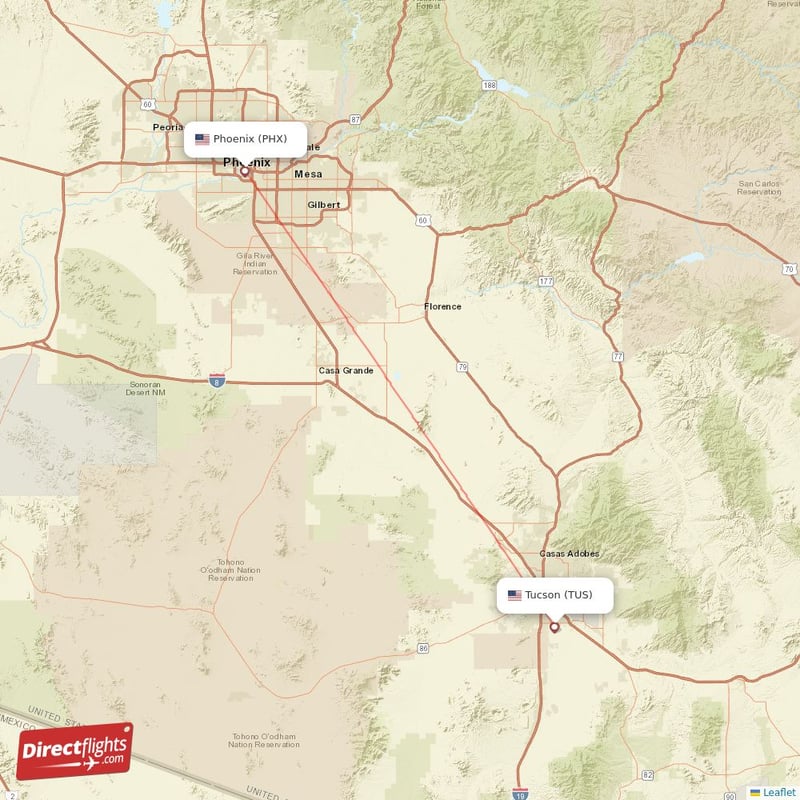
Combining Both Cities into an Unforgettable Trip
Many travelers choose to visit both Phoenix and Tucson on the same trip, as they offer complementary experiences of Arizona’s desert culture and landscape.
- Itinerary Suggestion: A common approach is to spend 2-3 days in Phoenix exploring its urban attractions, upscale dining, and outdoor activities like hiking. Then, take the short drive south to Tucson for another 2-3 days, immersing yourself in its historic charm, Southwestern art, and unique desert museums.
- Car Rental: Renting a car from Phoenix Sky Harbor International Airport (PHX) is highly recommended for maximum flexibility. Agencies like Hertz, Enterprise, and Avis are readily available. This allows you to explore both cities at your own pace and take detours to places like Saguaro National Park or Biosphere 2 north of Tucson.
The journey between Phoenix and Tucson is more than just a drive; it’s an opportunity to discover the diverse beauty and rich heritage of Arizona. Whether you’re seeking adventure, relaxation, cultural immersion, or simply a scenic escape, these two cities and the corridor connecting them offer a compelling travel experience. Plan your trip, hit the road, and prepare to be enchanted by the magic of the Sonoran Desert.
LifeOutOfTheBox is a participant in the Amazon Services LLC Associates Program, an affiliate advertising program designed to provide a means for sites to earn advertising fees by advertising and linking to Amazon.com. Amazon, the Amazon logo, AmazonSupply, and the AmazonSupply logo are trademarks of Amazon.com, Inc. or its affiliates. As an Amazon Associate we earn affiliate commissions from qualifying purchases.