
Embarking on a journey to the vibrant metropolis of New York City is an exhilarating prospect for any traveler. Whether you’re planning to explore iconic landmarks, indulge in world-class dining, or immerse yourself in the city’s unique culture, one often-overlooked yet crucial aspect of trip planning is understanding the local time zone. Knowing “What is New York City’s time zone?” goes beyond a simple fact; it’s fundamental to seamlessly managing your travel itinerary, combating jet lag, and ensuring you make the most of every precious moment in the city that never sleeps.
For those venturing from afar, bridging the gap between your home time and New York City’s can significantly impact your arrival experience, your ability to stick to schedules, and even your overall well-being. This comprehensive guide will demystify New York City’s time zone, equip you with practical tips for navigating time differences, and help you plan an unforgettable trip, aligning perfectly with the diverse interests of travelers, from luxury seekers to budget adventurers, and families exploring new destinations.
The Rhythm of the East: Eastern Time Explained
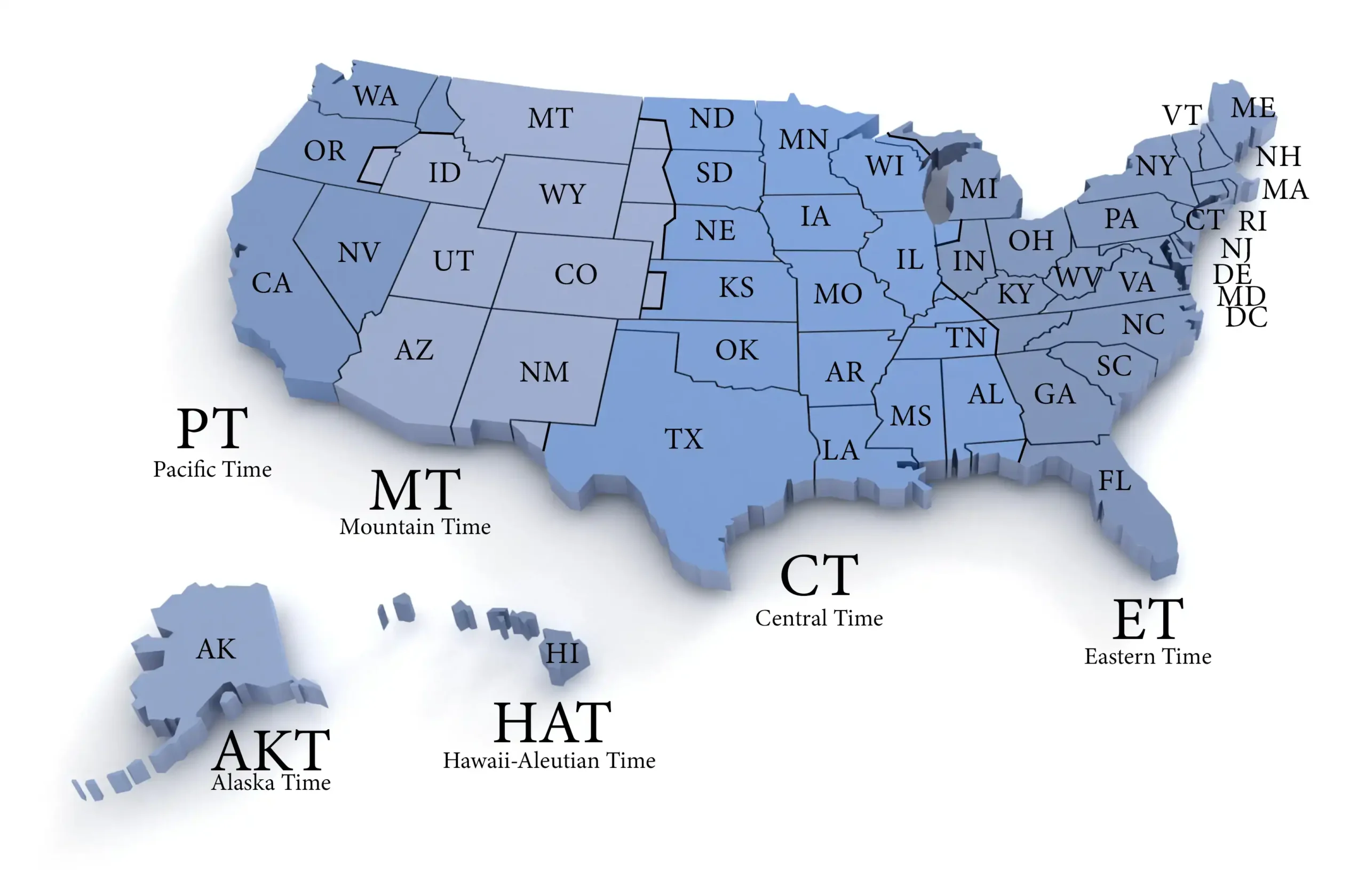
At its core, New York City operates on Eastern Time (ET). However, understanding ET requires a nuanced look at its two components: Eastern Standard Time (EST) and Eastern Daylight Time (EDT). This distinction is critical for travelers, especially when planning trips around the spring and autumn months.
Eastern Standard Time (EST): The Winter Clock
During the cooler months, typically from early November to mid-March, New York City observes Eastern Standard Time (EST). This is UTC-5, meaning it is five hours behind Coordinated Universal Time. For travelers arriving from time zones like London (UTC+0) or Paris (UTC+1), this translates to a 5 to 6-hour difference, respectively. From Tokyo (UTC+9), the difference can be as significant as 14 hours. Understanding EST is particularly important for planning winter holidays, business trips, or escapes during the quieter periods of the year.
Eastern Daylight Time (EDT): Embracing Longer Days
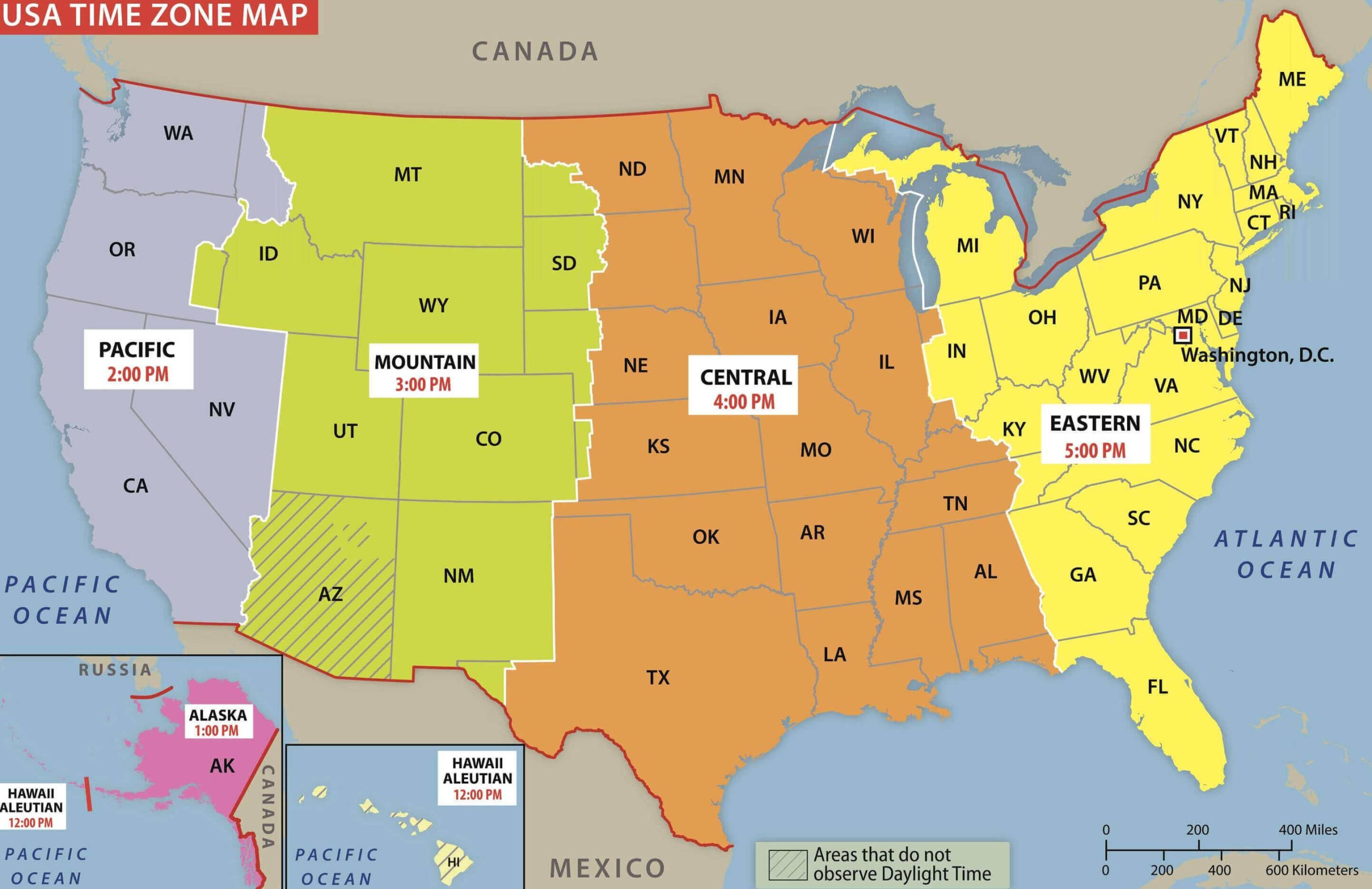
Come mid-March, New York City, along with much of the United States, springs forward into Eastern Daylight Time (EDT). This practice, known as Daylight Saving Time, aims to make better use of daylight, effectively pushing the clock forward by one hour. EDT is UTC-4, placing New York City four hours behind Coordinated Universal Time. This shift means more daylight in the evenings, a boon for tourists eager to maximize their exploration of attractions like Central Park, Times Square, and the Statue of Liberty during their operational hours. For example, a traveler from Los Angeles (Pacific Time, UTC-8) would note a three-hour difference, while someone from Dublin (IST, UTC+1) would experience a five-hour difference during EDT.
This transition typically occurs on the second Sunday in March, when clocks move forward an hour at 2:00 AM local time, and ends on the first Sunday in November, when they fall back an hour at 2:00 AM local time. Always double-check the specific dates if your travel falls close to these transitions, as it can impact flight schedules, reservation times, and local events.
Navigating Time Zone Differences: A Traveler’s Guide
Successfully managing the time difference is paramount to a fulfilling travel experience in New York City. From booking flights and accommodations to planning your daily itinerary, understanding how time zones affect your trip can make all the difference.
Battling Jet Lag: Strategies for a Smooth Arrival
Jet lag is the unwelcome companion of many long-haul travelers, and the significant time shifts when arriving in New York City can certainly induce it. Symptoms like fatigue, insomnia, irritability, and digestive issues can hamper your initial days in the city. However, with a few proactive strategies, you can minimize its impact:
- Adjust Before You Go: A few days before your trip, gradually shift your sleep schedule closer to New York City time. If traveling east, try to go to bed and wake up earlier. If traveling west, push these times later.
- Hydrate and Avoid Alcohol/Caffeine: Staying well-hydrated during your flight and avoiding excessive alcohol or caffeine can significantly reduce jet lag symptoms. These substances can dehydrate you and disrupt your sleep patterns further.
- Embrace Sunlight: Upon arrival at JFK Airport, LaGuardia Airport, or Newark Liberty International Airport, try to expose yourself to natural light as much as possible. Sunlight helps reset your body’s internal clock. Take a stroll through Washington Square Park or relax at a café in Greenwich Village.
- Sleep Smart: Resist the urge to nap for too long during the day. If you must nap, keep it short (20-30 minutes). Try to stay awake until New York City bedtime, even if it feels early. Utilizing amenities at your accommodation, like blackout curtains at the Four Seasons Hotel New York Downtown or a comfortable bed at The Peninsula New York, can aid in this adjustment.
- Eat According to Local Time: Aligning your meal times with local New York City schedules can also help your body adjust faster. Enjoy a proper New York bagel for breakfast or a late dinner in Chelsea.
Coordinating with Home: Staying Connected Across Time Zones
Whether it’s for business or staying in touch with family, coordinating communications across different time zones requires foresight. A simple five-hour difference can mean a morning call in New York City is an evening call for someone in Europe and a late night or early morning for those in Asia.
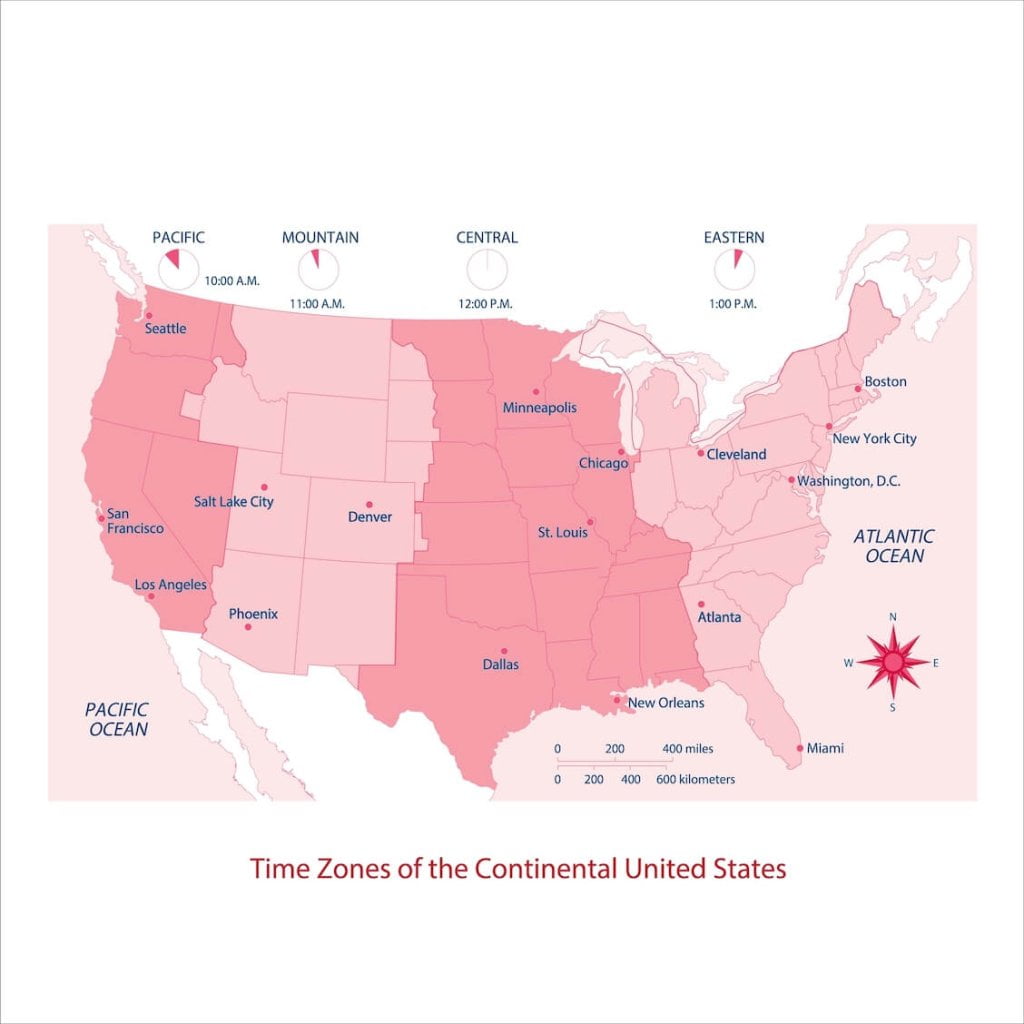
- Use Time Zone Converter Apps: These tools are invaluable for quickly determining the best time to connect.
- Set Communication Windows: Establish specific hours that work for both parties, respecting sleep schedules and daily routines.
- Inform Your Contacts: Let family, friends, and colleagues know your new time zone to prevent misunderstandings and missed connections.
Making the Most of Your New York City Trip: Time Management Tips
Beyond just knowing the time, strategically managing your schedule is key to unlocking the full potential of your New York City adventure. From booking show tickets to planning your visits to popular attractions, time is a precious commodity.
Planning Your Itinerary: Time-Sensitive Attractions and Activities
New York City is a city of endless possibilities, but many attractions operate on strict schedules. Being mindful of EST/EDT is crucial for an efficient itinerary.
- Broadway Shows: Broadway performances typically start in the evening, often at 7:00 PM or 8:00 PM. Matinees are usually on Wednesday, Saturday, and Sunday afternoons. Ensure your internal clock is aligned to avoid missing curtain call for a highly anticipated show like “Hamilton” at the Richard Rodgers Theatre or “The Lion King” at the Minskoff Theatre.
- Museums and Galleries: World-renowned institutions like the Metropolitan Museum of Art, the Museum of Modern Art (MoMA), and the American Museum of Natural History have specific opening and closing hours, and some have late-night openings on certain days. Check these times diligently to plan your visits, especially if you have limited time.
- Dining Reservations: New York City boasts an incredible culinary scene, and popular restaurants often require reservations far in advance. Be punctual for your reservation, whether it’s for a Michelin-starred experience at Per Se or a cozy brunch in Brooklyn.
- Landmark Visits: Iconic landmarks like the Empire State Building, Top of the Rock, and the 9/11 Memorial & Museum have varied operating hours, some extending into the late evening. Planning your visit for sunset at an observation deck can offer breathtaking views, but remember to factor in potential wait times.
Accommodation and Logistics: Early Check-in and Late Check-out
Your arrival time in New York City often won’t perfectly align with standard hotel check-in times (usually 3:00 PM or 4:00 PM ET).
- Communicate with Your Hotel: If you anticipate an early arrival due to an overnight flight from Europe or Asia, contact your hotel in advance to inquire about early check-in options. While not always guaranteed, hotels like The Plaza Hotel or the Ritz-Carlton New York, Central Park are often accommodating where possible, sometimes for a fee.
- Utilize Hotel Amenities: If early check-in isn’t available, most hotels offer luggage storage. You can drop off your bags and immediately start exploring nearby attractions or grab a coffee to combat initial jet lag.
- Consider Late Check-out: For late departures, especially red-eye flights, requesting a late check-out can provide a much-needed reprieve, allowing you to freshen up before heading to the airport. Again, this is often subject to availability and may incur an extra charge.
Beyond the Clock: How Time Zones Impact Your Travel Experience
The impact of New York City’s time zone extends beyond mere scheduling; it subtly shapes the entire travel experience, influencing everything from dining habits to energy levels.
The Culinary Clock: Adapting to Local Mealtimes
Dining in New York City is an experience in itself, but visitors often find that local meal times might differ from what they are accustomed to. Breakfasts tend to be earlier, lunches can be quick affairs, and dinners, especially in high-end establishments, can start later in the evening, often after 7:00 PM. Adapting your internal clock to these rhythms can enhance your culinary journey. Embrace the brunch culture on weekends, grab a quintessential New York slice of pizza for a quick lunch, and don’t shy away from late-night dining in neighborhoods like the Lower East Side.
Lifestyle Adjustments: Business and Leisure
For business travelers, understanding New York City’s time zone is non-negotiable. Critical meetings, conference calls, and networking events are all dictated by ET. Staying at a hotel like the Grand Hyatt New York near Grand Central Terminal can offer convenience for business engagements. Similarly, for leisure travelers on a family trip, adhering to a somewhat structured schedule, especially with young children, can prevent meltdowns caused by overtiredness and disorientation. Booking family-friendly accommodations, perhaps with apartment-style suites, in areas like Midtown or the Upper West Side, can provide the flexibility needed for time zone adjustments.
Maximizing Your Moments
Ultimately, embracing New York City’s time zone is about more than just setting your watch; it’s about optimizing your travel experience. It’s about being present, enjoying the bustling energy of Manhattan, taking a leisurely stroll across the Brooklyn Bridge, or catching a performance at Carnegie Hall without the nagging distraction of an internal clock gone awry. By understanding and planning for the Eastern Time zone, you empower yourself to fully immerse in the magic of one of the world’s greatest cities, ensuring your journey is as smooth and enriching as possible. So, set your watch, prepare your mind, and get ready to experience New York City on its own vibrant rhythm.