
Montana, often referred to as the “Treasure State” or “Big Sky Country,” is a land of unparalleled natural beauty, rugged wilderness, and a rich tapestry of history and culture. For many aspiring travelers, the first question that arises is, “Where exactly is Montana on the map?” Beyond its geographical coordinates, understanding Montana’s location is crucial for appreciating its diverse landscapes, planning an unforgettable trip, and discovering the unique experiences it offers. This comprehensive guide will not only pinpoint Montana’s place on the North American continent but also delve into why this majestic state should be at the top of your travel destination list, exploring its attractions, accommodation options, and the distinct lifestyle it embodies.
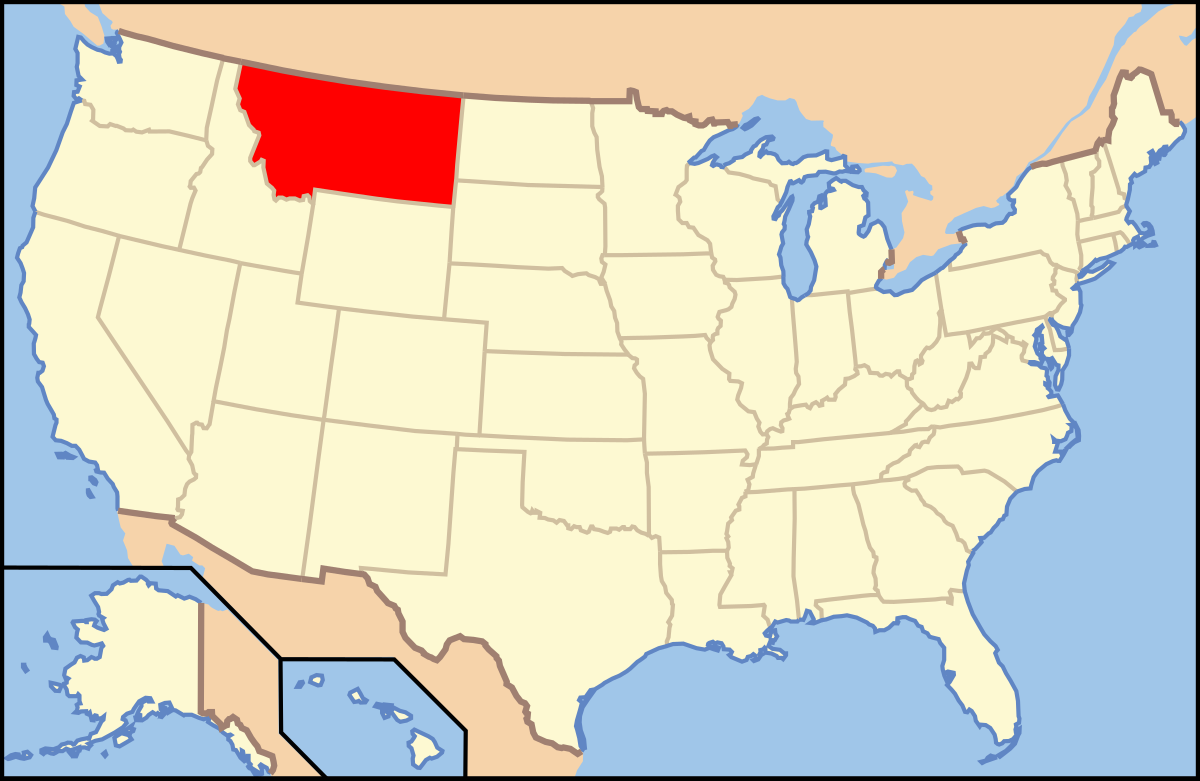
Geographically Speaking: Where Montana Lies on the Map
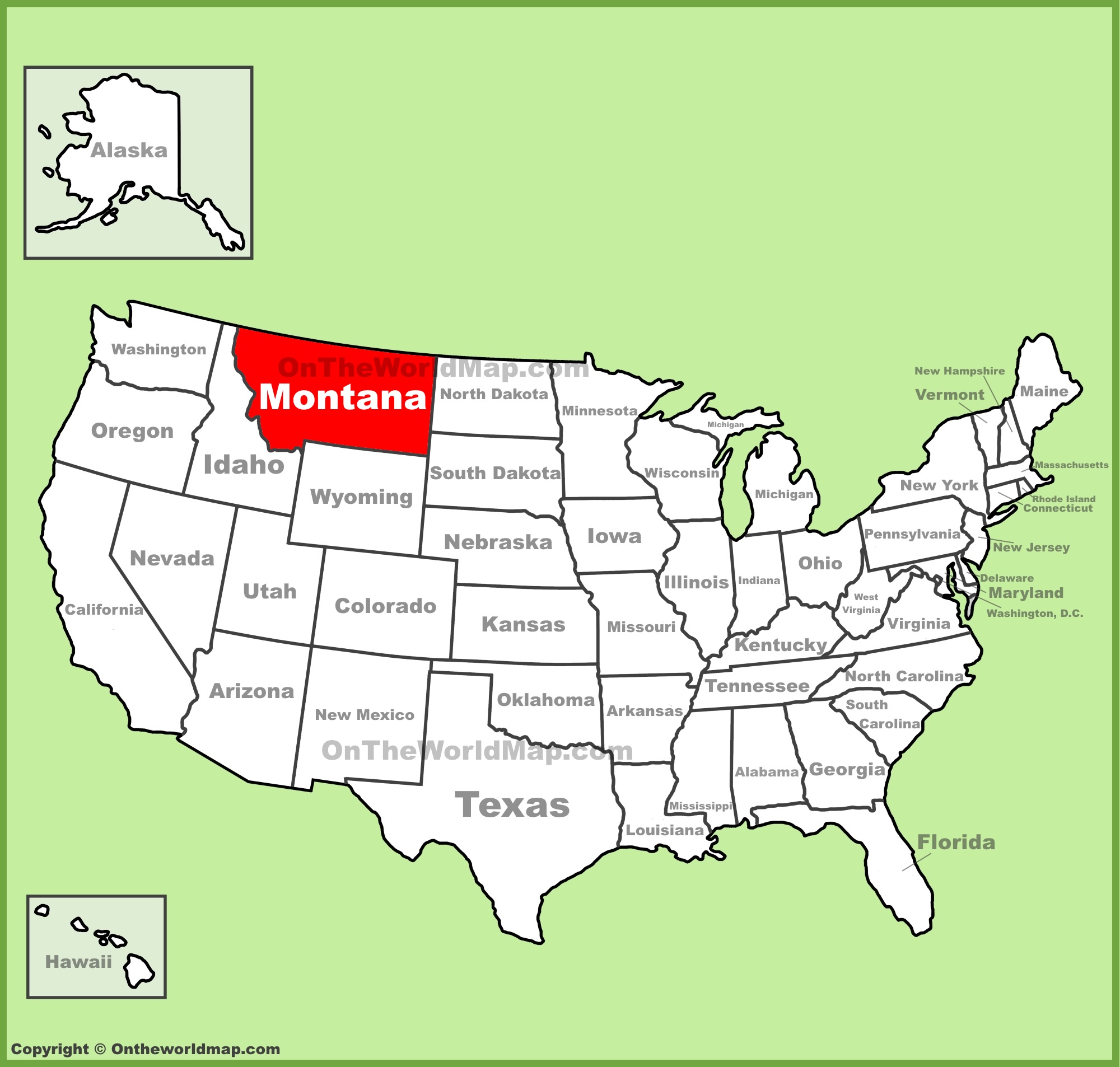
To truly grasp the essence of Montana, one must first locate it within the broader context of the United States and North America. Montana is situated in the western region of the United States, boasting a distinctive position that grants it a diverse array of geographical features, from towering mountain ranges to expansive plains.
The Treasure State’s Borders and Topography
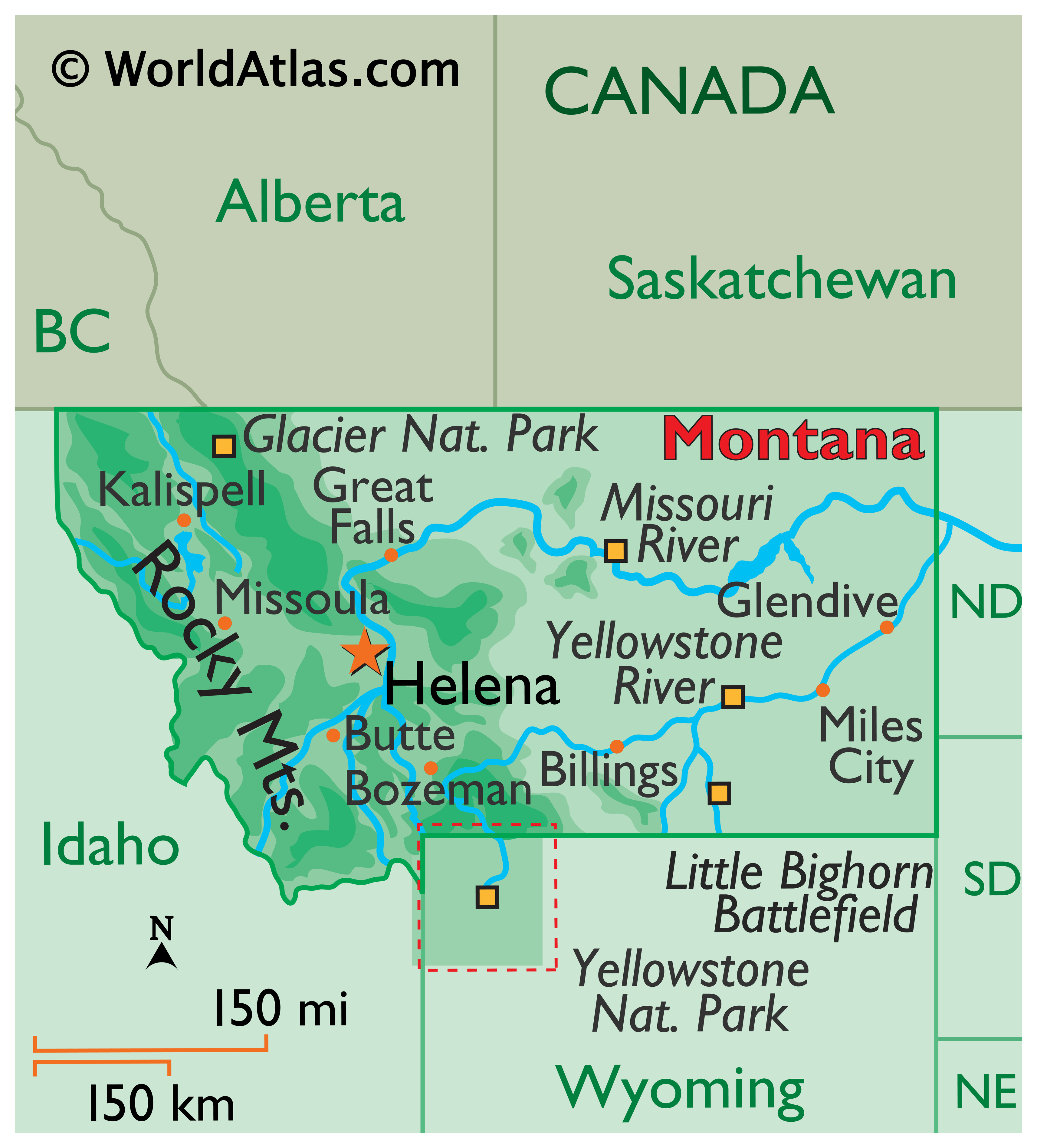
Montana shares its northern border with Canada, specifically the provinces of Alberta and British Columbia. To its east, it borders North Dakota and South Dakota, stretching into the vast expanse of the Great Plains. To the south, Montana meets Wyoming and a small portion of Idaho, while its western boundary is shared primarily with Idaho. This strategic location means Montana serves as a bridge between the American West and the Canadian wilderness, influencing its climate, wildlife, and even its cultural heritage.
One of the most defining characteristics of Montana’s geography is the prominent presence of the Rocky Mountains. Roughly the western two-thirds of the state are dominated by numerous mountain ranges, including the Bitterroot Mountains, the Absaroka-Beartooth Wilderness, and the Lewis Range, which houses a significant portion of Glacier National Park. These majestic peaks are dissected by valleys, rivers, and glacial lakes, creating breathtaking vistas at every turn. The Continental Divide also snakes through Montana, determining the flow of its mighty rivers, with waters to the west eventually draining into the Pacific Ocean and those to the east into the Atlantic via the Missouri River and Yellowstone River. The eastern third of the state transitions into the Great Plains, characterized by rolling prairies, badlands, and fertile agricultural areas. This dramatic contrast in topography contributes to Montana’s immense biodiversity and offers a wide range of outdoor activities.
Major Cities and Regional Hubs
While known for its vast wilderness, Montana also has vibrant cities that serve as gateways to adventure and centers of local culture.
- Billings: As Montana’s largest city, Billings is a major economic hub and a convenient entry point for travelers exploring eastern Montana and the Yellowstone River country. It offers a mix of urban amenities, historical sites, and proximity to attractions like the Pictograph Cave State Park.
- Missoula: Nestled in a valley in western Montana, Missoula is a vibrant university town known for its progressive atmosphere, outdoor recreation, and thriving arts scene. It’s a popular base for fly-fishing, hiking, and exploring the surrounding Bitterroot Mountains.
- Bozeman: Located in southwest Montana, Bozeman has experienced rapid growth and is a favorite among outdoor enthusiasts, particularly those heading to Yellowstone National Park or the ski slopes of Big Sky Resort. It also boasts the excellent Museum of the Rockies.
- Helena: The state capital, Helena, is rich in gold rush history and features a charming downtown with impressive architecture. It’s centrally located, offering access to both mountain adventures and plains experiences.
- Kalispell and Whitefish: These two towns in the Flathead Valley serve as the primary gateways to Glacier National Park and the surrounding recreational opportunities of Flathead Lake and Whitefish Mountain Resort.
These cities, along with smaller charming towns like Bigfork and Livingston, provide essential services, unique local culture, and diverse accommodation options for visitors venturing into Montana’s expansive landscapes.
A Traveler’s Paradise: Exploring Montana’s Attractions
Montana’s position on the map is merely the starting point; its true allure lies in the incredible array of destinations, attractions, and experiences it offers. From world-renowned national parks to hidden historical gems, Montana caters to every type of traveler.
Iconic National Parks and Natural Wonders
When one thinks of Montana travel, two names immediately come to mind: Glacier National Park and Yellowstone National Park.
- Glacier National Park: Known as the “Crown of the Continent,” Glacier National Park is a pristine wilderness of jagged peaks, ancient glaciers, turquoise lakes (Lake McDonald, St. Mary Lake, Avalanche Lake), and abundant wildlife. Its centerpiece is the engineering marvel of the Going-to-the-Sun Road, a scenic drive that crosses the Continental Divide and offers unparalleled views. Hiking opportunities abound, from easy strolls to challenging multi-day treks, including the famous Hike to Grinnell Glacier.
- Yellowstone National Park: While mostly in Wyoming, a significant and beautiful portion of Yellowstone National Park extends into southern Montana, with popular entrances near West Yellowstone. Visitors to this iconic park can witness a geothermal wonderland of geysers (Old Faithful being the most famous), hot springs (Mammoth Hot Springs), and mud pots. The park is also a haven for wildlife, including bison, elk, wolves, and grizzly bears. Near West Yellowstone, the Grizzly & Wolf Discovery Center offers a unique opportunity to see these magnificent creatures up close in a safe environment.
Beyond these giants, Montana is home to numerous state parks and national forests offering similar beauty on a smaller, often less crowded scale. Flathead Lake, the largest freshwater lake west of the Mississippi River, is another natural marvel, perfect for boating, fishing, and swimming.
Unforgettable Outdoor Adventures
The vast and varied landscapes of Montana make it an undisputed mecca for outdoor activities. The possibilities for adventure are virtually limitless, appealing to all skill levels and interests.
- Hiking and Backpacking: With thousands of miles of trails winding through national parks, wilderness areas, and national forests, Montana offers some of the most rewarding hiking experiences in the United States. From day hikes in Glacier to multi-day backpacking trips in the Bob Marshall Wilderness, the views are consistently spectacular.
- Fishing and Water Sports: Montana’s “blue-ribbon” trout streams, including the Madison, Gallatin, and Missouri Rivers, are legendary among fly-fishing enthusiasts. Flathead Lake and other bodies of water also provide opportunities for kayaking, paddleboarding, and whitewater rafting.
- Skiing and Snowboarding: During the winter months, Montana transforms into a winter wonderland. Big Sky Resort is one of the largest ski resorts in North America, offering vast terrain for all abilities. Whitefish Mountain Resort near Glacier National Park provides excellent skiing with stunning views. Smaller, community-focused resorts also dot the state, offering a more local experience.
- Wildlife Viewing: Montana is home to an incredible array of wildlife, including grizzly bears, black bears, moose, elk, bighorn sheep, mountain goats, and even wolves. Opportunities for wildlife viewing are abundant in national parks and wilderness areas, requiring patience and respect for nature.
Cultural Immersion and Historical Gems
Beyond its natural beauty, Montana is steeped in rich history and vibrant culture, offering insights into the American West, Native American heritage, and the adventurous spirit of early explorers.
- Native American Heritage: Montana is home to twelve federally recognized Native American tribes and seven reservations. Visitors can explore various cultural centers, participate in powwows, and learn about the diverse traditions and histories of these indigenous peoples.
- Lewis and Clark Trail: The famous Lewis and Clark Expedition traversed much of Montana in the early 19th century. Sites along their historic route, such as the Lewis and Clark National Historic Trail Interpretive Center in Great Falls, offer fascinating glimpses into their journey of discovery.
- Gold Rush Towns: Remnants of Montana’s gold rush era can be explored in well-preserved ghost towns like Virginia City and Nevada City, which offer a unique step back in time with their historic buildings and reenactments.
- Little Bighorn Battlefield National Monument: This somber yet significant historical site commemorates the Battle of the Little Bighorn, offering a powerful perspective on the conflicts between the U.S. Army and the Lakota, Northern Cheyenne, and Arapaho tribes.
- Museums and Art Galleries: From the dinosaur exhibits at the Museum of the Rockies in Bozeman to the Western art at the Charles M. Russell Museum in Great Falls, Montana offers a rich cultural scene that tells the story of its past and present.
Planning Your Montana Getaway: Accommodation and Lifestyle
A trip to Montana requires careful planning, especially regarding where to stay and how to tailor the experience to your desired lifestyle. The state offers a spectrum of accommodation options and caters to various travel budgets and preferences, making it an accessible destination for many.
Finding Your Perfect Stay: Hotels, Resorts, and Unique Accommodations
Accommodation in Montana is as diverse as its landscapes, ranging from luxurious resorts to rustic cabins, ensuring every traveler finds their ideal retreat.
- Luxury Resorts and Lodges: For those seeking an indulgent escape, Montana boasts world-class luxury resorts like The Ranch at Rock Creek and Paws Up Resort. These establishments offer lavish suites, gourmet dining, and a wide array of activities from horseback riding to spa treatments, providing an all-inclusive, pampered experience amidst stunning natural surroundings. Other high-end options include the Sage Lodge near Paradise Valley and historic lodges within national parks like the Many Glacier Hotel and Lake McDonald Lodge.
- Boutique Hotels and Inns: In cities like Bozeman, Missoula, and Whitefish, you’ll find charming boutique hotels and cozy inns that offer personalized service and a unique local flavor. These accommodations often provide a blend of comfort and character, perfect for exploring urban centers and nearby attractions.
- Vacation Rentals and Apartments: For families, groups, or those planning an extended stay, vacation rentals through platforms like Airbnb and VRBO are an excellent choice. From modern apartments in downtown areas to secluded cabins and villas nestled in the mountains, these options offer privacy, space, and the convenience of a home away from home, often with amenities like full kitchens.
- Glamping and Camping: To truly immerse yourself in Montana’s wilderness, consider glamping (glamorous camping) or traditional camping. Many campgrounds are available in national parks, state parks, and national forests, offering varying levels of facilities. Glamping sites provide a more comfortable outdoor experience with luxurious tents or yurts, often including amenities like real beds and private bathrooms.
- Dude Ranches: For an authentic taste of the Old West, a stay at a traditional dude ranch offers a unique blend of adventure and relaxation. Guests can enjoy horseback riding, cattle drives, fishing, and hearty home-cooked meals, often with opportunities to participate in ranch life.
When booking accommodation, especially for peak seasons (summer in the national parks, winter for skiing), it’s advisable to reserve well in advance, compare prices, and read reviews to ensure the best fit for your trip.
Tailoring Your Trip: From Luxury Escapes to Budget-Friendly Adventures
Montana offers a diverse range of experiences to suit different travel lifestyles and budgets.
- Luxury Travel: A luxury trip to Montana might involve staying at a five-star ranch resort, enjoying guided fly-fishing excursions, private tours of national parks, and gourmet dining experiences. Think helicopter tours over the Rockies or bespoke wildlife safaris.
- Budget Travel: Traveling on a budget in Montana is entirely feasible. Camping in national forests, staying in motels or hostels, and cooking your own meals can significantly reduce costs. Focus on free activities like hiking, scenic drives (e.g., the North Fork Road in Glacier), and exploring charming small towns.
- Family Trips: Montana is an ideal destination for family trips, offering educational opportunities and endless outdoor fun. Kid-friendly activities include junior ranger programs in national parks, visits to the Museum of the Rockies, gentle hikes, and wildlife viewing. Look for family-friendly resorts or vacation rentals with amenities like swimming pools and play areas.
- Business Stays and Retreats: While not traditionally a business destination, cities like Billings, Bozeman, and Missoula offer modern conference facilities and hotels suitable for business travelers. Additionally, some resorts provide secluded and inspiring settings for corporate retreats, blending productivity with the rejuvenating power of nature.
Culinary Delights and Local Experiences
No travel experience is complete without savoring the local cuisine and immersing oneself in the unique culture of a place. Montana’s food scene reflects its agricultural heritage and cowboy roots, with a growing emphasis on farm-to-table freshness.
- Local Food and Drink: Expect hearty Western fare, including delicious steaks, bison burgers, and locally sourced game meats. Montana is also known for its huckleberries, a sweet and tangy berry used in everything from pies to jams and liqueurs. Craft breweries and distilleries are thriving across the state, offering unique local brews and spirits, with establishments like Montana Ale Works in Bozeman showcasing local flavors.
- Cultural Activities: Beyond the major historical sites, engage in local activities like visiting farmers’ markets, attending rodeos (a quintessential Montana experience), or exploring local art galleries. The Montana Folk Festival in Butte and various music festivals showcase the state’s vibrant arts scene.
- Relaxation and Wellness: After days of adventure, many travelers seek opportunities for relaxation. Montana is home to several natural hot springs resorts, such as Chico Hot Springs Resort near Livingston, where visitors can soak in mineral-rich waters surrounded by stunning scenery, offering a perfect blend of natural therapy and tranquil luxury.
In conclusion, knowing “Where is Montana on the map?” is just the beginning of a truly incredible journey. Its position in the western United States, bordering Canada and cradling the Rocky Mountains before stretching into the Great Plains, defines its unique character and the myriad of experiences it offers. Whether you’re drawn by the majestic peaks of Glacier, the geothermal wonders of Yellowstone, the thrill of outdoor adventure, or the rich tapestry of its history and culture, Montana invites you to explore its vastness, discover its treasures, and create memories under its famously big sky. With diverse accommodation options and a welcoming spirit, Montana is truly a destination that caters to every traveler’s dream.
LifeOutOfTheBox is a participant in the Amazon Services LLC Associates Program, an affiliate advertising program designed to provide a means for sites to earn advertising fees by advertising and linking to Amazon.com. Amazon, the Amazon logo, AmazonSupply, and the AmazonSupply logo are trademarks of Amazon.com, Inc. or its affiliates. As an Amazon Associate we earn affiliate commissions from qualifying purchases.