
Florida, affectionately known as the Sunshine State, beckons with its vibrant cities, pristine beaches, and world-renowned attractions. For many young people eager to explore these wonders independently, the thought of getting behind the wheel is a significant milestone. The journey to obtaining a driver’s permit in Florida is not just about gaining driving privileges; it’s about unlocking a new level of freedom that profoundly impacts one’s lifestyle, particularly when it comes to travel and experiencing the state’s rich tourism landscape. Understanding the age requirements and the process involved is the crucial first step on this exciting path.

The Journey to Independent Exploration: Understanding Florida’s Learner’s Permit
For aspiring drivers in Florida, the learner’s permit marks the official beginning of their driving career. This initial permit allows individuals to practice driving under supervised conditions, laying the groundwork for safe and responsible driving habits. The requirements are designed to ensure that new drivers are adequately prepared for the challenges of the road while gradually acclimating them to various driving scenarios.
Minimum Age and Initial Steps
The most fundamental question for many eager teens is, “What age can I get my permit in Florida?” The answer is clear: you must be at least 15 years old to apply for a learner’s permit in the Sunshine State. This age requirement is consistent across the state, setting a universal entry point for all aspiring drivers.
However, simply reaching the age of 15 isn’t the sole criterion. Before even stepping foot into a Department of Highway Safety and Motor Vehicles (DHSMV) office, prospective drivers must complete a few essential prerequisites. The primary requirement is successfully finishing a Traffic Law and Substance Abuse Education (TLSAE) course. This critical course, often referred to as the Drug and Alcohol course, covers crucial information about Florida’s traffic laws, the dangers of driving under the influence of drugs or alcohol, and defensive driving techniques. It’s an indispensable component designed to foster responsible driving attitudes from the outset. Many reputable driving schools and online providers offer the TLSAE course, making it accessible to young learners across the state.
Navigating the Permit Application Process
Once the TLSAE course is completed and the applicant is at least 15 years old, the next step involves visiting a Florida DHSMV office or a local tax collector’s office that offers driver’s license services. This visit requires a collection of specific documents to verify identity, residency, and social security number. Typically, these include:
- Proof of Identity: A certified birth certificate, U.S. passport, or permanent resident card.
- Proof of Social Security Number: The social security card itself or a W-2 form.
- Proof of Residential Address: Two different documents showing the applicant’s residential address, such as a school transcript, utility bill, or mail from a financial institution. For minors, parental proof of residency combined with a parental consent form is usually sufficient.
- Parental Consent Form: For applicants under 18, a parent or legal guardian must sign a Parental Consent Form (HSMV 71142) in the presence of the examiner or have it notarized.
Upon presenting the necessary documentation, applicants will undergo a vision test to ensure their eyesight meets the state’s minimum standards for driving. Following this, the written knowledge test awaits. This test assesses the applicant’s understanding of Florida traffic laws, road signs, and safe driving practices, drawing directly from the information covered in the TLSAE course and the Florida Driver Handbook. While many take this test at the DHSMV office, some providers offer the written exam online for convenience, especially for minors, though certain restrictions may apply. Successfully passing both the vision and written tests, along with fulfilling all documentation requirements and paying the applicable fee, culminates in receiving the coveted Florida Learner’s Permit. This moment is often met with great excitement, signaling the beginning of practical driving experiences.
From Permit Holder to Florida Driver: Restrictions and Progression
The learner’s permit is a privilege, not a full license, and comes with specific restrictions designed to ensure safety during the supervised learning phase. Understanding these limitations is crucial for both the permit holder and their supervising driver. Adhering to these rules is not only a legal requirement but also a vital part of developing into a responsible driver.
Important Restrictions for Learner’s Permit Holders
The most significant restriction for a Florida learner’s permit holder is the requirement to always be accompanied by a licensed driver who is at least 21 years old. This supervising driver must occupy the front passenger seat, ready to take control if necessary. This rule underscores the importance of mentorship and guidance during the initial driving period, allowing new drivers to gain confidence and skills in a controlled environment.
Additionally, learner’s permit holders face restrictions on driving hours:
- For the first three months after the permit is issued, driving is only permitted during daylight hours. This means from sunrise to sunset, reducing the complexities and hazards associated with night driving for inexperienced individuals.
- After the initial three months, the driving window extends. Permit holders can then drive until 10 PM. This gradual increase in driving time helps new drivers adapt to different lighting conditions and traffic patterns, still under supervision.
These restrictions are not arbitrary; they are carefully crafted to minimize risks associated with inexperience, particularly in situations that demand heightened awareness and quick reflexes, such as night driving or navigating heavy traffic independently. They also encourage a structured learning approach, where driving skills are built progressively.
The Path to a Full Operator’s License
The learner’s permit is merely the first chapter in the driving story. To advance to a Class E (Operator’s) License, which grants more independent driving privileges, permit holders must meet additional criteria:
- Age and Holding Period: The applicant must be at least 16 years old and must have held their learner’s permit for a minimum of 12 months without any traffic convictions. This ensures a sufficient period of supervised practice and demonstrates a commitment to safe driving.
- Supervised Driving Hours: A critical requirement is completing at least 50 hours of supervised driving practice. Of these 50 hours, a minimum of 10 hours must be conducted at night. This logged practice time, signed off by the supervising driver, ensures comprehensive exposure to various driving conditions and reinforces the lessons learned during the permit phase.
- Driving Skills Test: The final hurdle is passing a driving skills test (also known as the road test) at a DHSMV office or authorized third-party testing facility. This practical examination assesses the applicant’s ability to safely operate a vehicle, follow traffic laws, perform maneuvers such as turns, stops, and parking, and demonstrate overall control and judgment on the road.
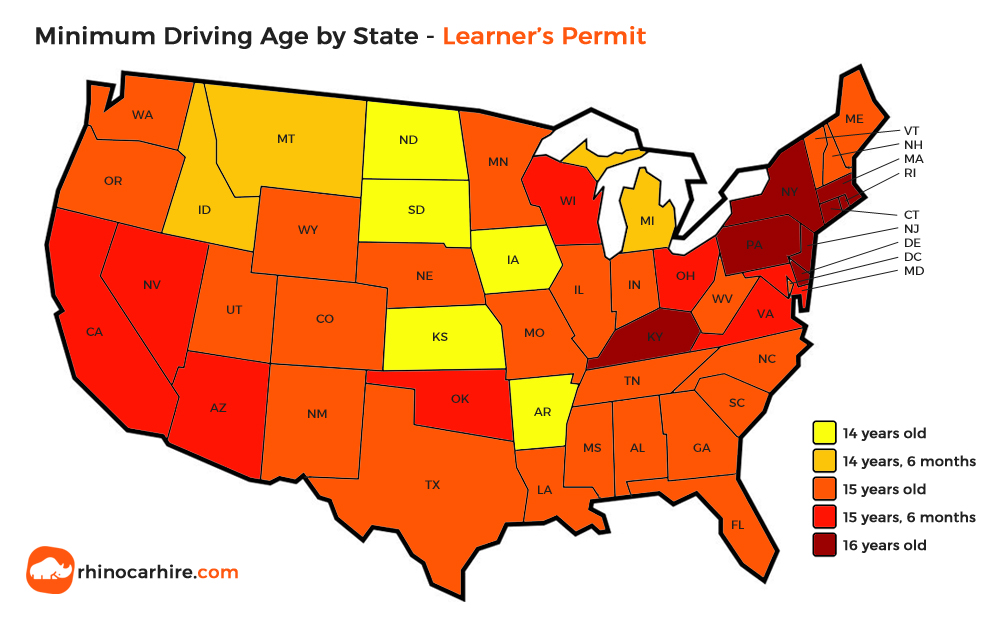
Successfully completing all these steps leads to the issuance of a Class E driver’s license, granting significantly more freedom and independence. This transition is a monumental step, not just for the individual but also for their ability to engage with Florida’s vast opportunities for travel and exploration.
Unlocking Florida’s Wonders: How Driving Transforms Your Travel Lifestyle
Obtaining a driver’s license in Florida transcends mere personal convenience; it fundamentally alters one’s capacity for travel and engagement with the Sunshine State’s diverse offerings. No longer reliant on others, young drivers gain the autonomy to plan road trips, visit far-flung destinations, and truly immerse themselves in Florida’s unique blend of culture, nature, and entertainment. This newfound freedom profoundly enriches their lifestyle.
Exploring Iconic Florida Destinations with Newfound Freedom
With a driver’s license, the entire state of Florida opens up as a playground for exploration. Teenagers and young adults can now independently navigate to some of the world’s most famous attractions and hidden gems. Imagine the possibilities:
- Theme Park Adventures: Driving to Orlando to experience the magic of Walt Disney World Resort or the thrills of Universal Studios Florida becomes a tangible plan, no longer contingent on parental availability. This freedom allows for more spontaneous trips and deeper engagement with these major destinations.
- Beach Escapes: The stunning coastline, from the vibrant shores of South Beach in Miami to the tranquil sands of the Gulf Coast near Sarasota and St. Petersburg, is now within reach. Beach trips, surfing adventures, or simply relaxing by the ocean become accessible activities for licensed young drivers.
- Historic Journeys: A drive to St. Augustine, the nation’s oldest city, allows for an immersion in history and architecture, exploring landmarks like the Castillo de San Marcos.
- Natural Wonders: The vast expanse of Everglades National Park, the serene beauty of the Florida Keys via the iconic Overseas Highway leading to Key West, or the spring-fed rivers in central Florida are all prime destinations for road trips. These natural landmarks offer unparalleled experiences in hiking, kayaking, and wildlife viewing.
- Urban Explorations: Cities like Tampa with its vibrant downtown, or the cultural melting pot of Miami’s Art Deco Historic District, offer distinct urban experiences that are easily accessible by car.
This newfound mobility transforms weekend plans and school breaks into opportunities for genuine exploration and personal growth, expanding horizons far beyond local neighborhoods.
Embracing Florida’s Diverse Accommodation and Tourism
The ability to drive also significantly impacts choices for accommodation and how one approaches tourism. For families on vacations or young adults planning group trips, having a licensed driver opens up a wider array of possibilities:
- Accommodation Flexibility: Beyond traditional hotels near major attractions, drivers can explore diverse accommodation options. This could range from budget-friendly apartments and vacation rentals slightly off the beaten path to luxurious villas or charming boutique hotels in quaint towns like Amelia Island, Captiva Island, or Sanibel Island. Beachfront resorts become more accessible, offering unique amenities and experiences without the constraint of public transport or ride-sharing services.
- Enhanced Tourism Experiences: Drivers can delve deeper into Florida’s local culture, visiting smaller towns, discovering hidden natural parks, and sampling authentic food experiences that are often away from the main tourist hubs. Road trips can be tailored to specific interests, whether it’s exploring the artistic enclaves of the Panhandle, chasing sunsets along the Gulf Coast, or exploring the vibrant food scene in Tampa.
- Lifestyle Integration: For students attending college in Florida, a driver’s license provides essential mobility for daily life, weekend getaways, and visiting family. For those entering the workforce, it opens doors to job opportunities that require commuting or travel between different locations. This transition represents a significant step towards adult independence and the practical management of one’s personal and professional lifestyle.
The ability to drive offers unmatched convenience for planning family trips, enabling greater flexibility in itineraries, luggage transport, and accessing attractions that might be difficult to reach otherwise. For young individuals, it’s a gateway to new social experiences and the freedom to pursue hobbies and activities across broader geographical areas.
Essential Tips for Young Drivers and Their Families in the Sunshine State
As exciting as obtaining a permit and eventually a full license is, the journey requires ongoing commitment to safety and responsibility. For young drivers and their families in Florida, there are several considerations to ensure a smooth and safe transition to independent driving.
Safe Driving Practices and Road Awareness
Developing strong defensive driving skills is paramount. While the TLSAE course provides a theoretical foundation, consistent practical application is key. Parents play a crucial role as supervising drivers, modeling safe habits, providing constructive feedback, and ensuring that the required 50 hours of supervised driving are genuinely educational and cover diverse driving conditions.
- Continuous Learning: Driving is a skill that improves with practice. Young drivers should seek opportunities to drive in various environments – city streets, highways, rural roads – and in different weather conditions, always within the bounds of their permit or license restrictions.
- Distraction Avoidance: Emphasizing the dangers of distracted driving, especially cell phone use, is critical. Florida has stringent laws against texting while driving, and young drivers should be acutely aware of how quickly a moment of inattention can lead to serious consequences.
- Vehicle Maintenance: Understanding basic vehicle maintenance, such as checking tire pressure, oil levels, and lights, is an important aspect of responsible car ownership and safety.
- Insurance Knowledge: Families should also understand the implications of adding a new driver to their auto insurance policy, discussing coverage options and the importance of a clean driving record to manage costs.
The goal is to cultivate not just a licensed driver, but a safe and responsible driver who understands the gravity of operating a vehicle.

Planning Your First Florida Road Trip
Once a full Class E license is obtained, the allure of a Florida road trip becomes irresistible. Planning these initial solo or group travel adventures can be an exciting, educational experience in itself.
- Start Small: For the very first road trips, consider shorter distances to familiar destinations or nearby landmarks. This builds confidence without the stress of navigating complex routes or unfamiliar territories for extended periods.
- Route Planning and Guides: Utilize online maps and travel guides to plan routes, identify rest stops, and discover interesting points of interest along the way. Florida offers numerous scenic drives, from the Florida Keys to the historic A1A coastal route.
- Budgeting: For young drivers, learning about budget travel is essential. This includes accounting for fuel costs, potential tolls, food, activities, and if applicable, accommodation. Exploring options like apartments or shared vacation rentals can be cost-effective.
- Emergency Preparedness: Always ensure the vehicle is in good condition, and carry an emergency kit with essentials like a first-aid kit, flashlight, and jumper cables. Knowing who to call in case of a breakdown or emergency is also crucial.
- Group Travel Etiquette: If traveling with friends, establish clear rules regarding contributions to fuel, respecting the driver, and avoiding distractions.
Ultimately, getting a driver’s permit in Florida at the age of 15 is the gateway to a lifetime of independent travel, exploration, and personal growth. It’s a foundational step that transforms how young people interact with their environment, opening up countless opportunities to experience the diverse beauty and vibrant lifestyle the Sunshine State has to offer. By understanding the requirements, adhering to restrictions, and prioritizing safety, new drivers can embark on a fulfilling journey across Florida’s breathtaking landscapes and exciting destinations.
LifeOutOfTheBox is a participant in the Amazon Services LLC Associates Program, an affiliate advertising program designed to provide a means for sites to earn advertising fees by advertising and linking to Amazon.com. Amazon, the Amazon logo, AmazonSupply, and the AmazonSupply logo are trademarks of Amazon.com, Inc. or its affiliates. As an Amazon Associate we earn affiliate commissions from qualifying purchases.