
Florida, often hailed as the “Fishing Capital of the World,” offers anglers of all ages an unparalleled experience. From the serene freshwater lakes to the bountiful saltwater coastlines, the Sunshine State teems with diverse marine and aquatic life, making it a premier destination for fishing enthusiasts. Whether you’re a seasoned angler or a curious beginner, understanding the regulations surrounding fishing licenses is paramount to enjoying your trip without any unwelcome surprises. This guide delves into the specifics of when a fishing license becomes a necessity for individuals casting a line in Florida’s waters, drawing insights from the rich tapestry of Florida tourism and its commitment to responsible outdoor recreation.
The allure of Florida fishing extends far beyond the thrill of the catch. It’s an immersive experience that connects you with nature, offering a peaceful escape and a chance to explore the state’s breathtaking natural beauty. Imagine the tranquility of a sunrise over the Everglades, the exhilarating fight of a tarpon off the coast of Key West, or the quiet patience of casting for bass in a secluded panhandle lake. These are the moments that define a Florida fishing adventure, and ensuring you comply with local regulations is the first step to maximizing these cherished experiences. This article aims to clarify the age requirements for obtaining a Florida fishing license, making your planning for fishing trips to Florida smoother and more enjoyable.
Understanding Florida’s Fishing License Requirements
Navigating the regulations for fishing licenses in Florida can seem complex, especially with the varying needs of different types of fishing and resident statuses. However, the core principle is straightforward: to ensure the sustainability of Florida’s abundant fisheries and to fund conservation efforts. The Florida Fish and Wildlife Conservation Commission (FWC) oversees these regulations, striving to strike a balance between providing access to recreational fishing and protecting the delicate ecosystems that support it.
Age and Licensing: The Golden Rule
At the heart of Florida’s fishing license policy is a clear age threshold. Generally speaking, anyone 16 years of age or older must possess a valid Florida fishing license when fishing in Florida waters. This applies to both freshwater and saltwater fishing, whether you are fishing from a pier, a boat, or the shoreline. This rule is designed to ensure that all adult anglers contribute to the conservation efforts that keep Florida’s fishing grounds vibrant for generations to come.
It’s crucial to understand that this requirement is not limited to those actively engaged in fishing for sport. If you are in possession of a fishing rod and reel, or are actively participating in fishing activities, and you are 16 years of age or older, you are expected to have a license. Failure to do so can result in citations and fines, which can put a damper on an otherwise fantastic Florida getaway.
When a License is NOT Required: The Exceptions
While the general rule is clear, Florida wisely offers exceptions to encourage participation and recognize certain circumstances. These exceptions are designed to make fishing more accessible, particularly for younger anglers and those who are physically unable to fish without assistance.
-
For the Young Anglers: Florida is incredibly family-friendly, and this extends to its fishing regulations. Children under the age of 16 are exempt from needing a fishing license to fish in Florida. This means that young adventurers can cast their lines and experience the joy of fishing without the need for a permit. This is a fantastic way to introduce children to the wonders of the outdoors and foster a love for nature and conservation from an early age. Imagine the excitement of a child catching their first fish in the crystal-clear waters off the coast of Sanibel Island or reeling in a bluegill from a quiet lake in the Central Florida region. These are precious memories that a license exemption helps to create.
-
Disability Exemptions: Florida also recognizes individuals with certain disabilities. For those who are unable to fish without assistance, there are provisions that may exempt them from needing a license. It’s always advisable to consult the official FWC website or a local bait and tackle shop for the most up-to-date information on specific disability exemptions and the required documentation.
-
Specific Water Bodies and Special Permits: In some rare instances, certain public fishing areas or specific types of fishing might fall under different regulations. For example, some park areas might have unique rules, or specific tournaments might require a special permit. Additionally, while a general license covers most fishing activities, some specific fish species or fishing methods might require additional stamps or endorsements. For instance, if you plan to fish for certain highly regulated species in saltwater, you might need a Saltwater Products License or a specific gear endorsement. It is always best practice to check with the FWC for the most precise requirements pertaining to your intended fishing location and target species.
Types of Florida Fishing Licenses and Their Validity
Florida offers a diverse range of fishing licenses to cater to various needs, whether you’re a resident planning frequent trips or a tourist visiting for a short duration. Understanding these options can help you choose the most cost-effective and convenient license for your fishing adventure.
Resident vs. Non-Resident Licenses
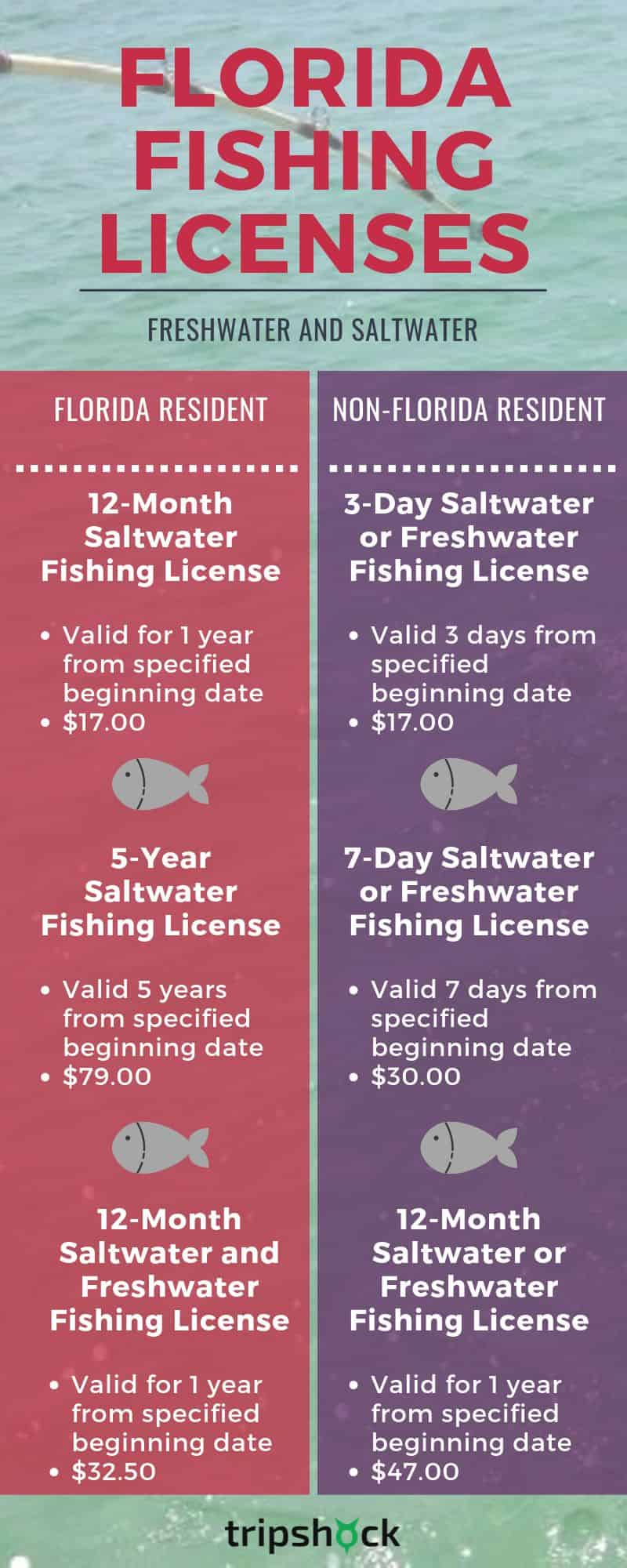
The primary distinction in Florida fishing licenses is between resident and non-resident statuses. Florida residents, those who have lawfully resided in the state for six consecutive months or more prior to purchasing a license, are eligible for significantly discounted license fees. This encourages local engagement in conservation and recreational activities.
Non-residents, on the other hand, will find that license fees are higher, reflecting the state’s investment in infrastructure and resource management that benefits all who utilize its natural resources. When purchasing a non-resident license, you may be asked to provide proof of residency in your home state, such as a driver’s license or state ID.
Short-Term vs. Annual Licenses
For tourists and infrequent visitors, Florida offers convenient short-term licenses that are ideal for a vacation or a brief fishing expedition. These typically include:
- 3-Day Non-Resident Fishing License: Perfect for a weekend fishing trip or a short holiday.
- 7-Day Non-Resident Fishing License: A good option for a week-long stay where fishing is a significant part of your itinerary.
These short-term licenses provide the necessary legal coverage without the commitment of an annual permit. If you’re planning multiple fishing trips to Florida throughout the year, or if you’re a resident, an annual license will likely be more economical.
Annual licenses are available for both residents and non-residents and provide coverage for a full 12 months from the date of purchase. This is the most cost-effective option for those who fish regularly.
Freshwater vs. Saltwater Licenses

Florida’s vast and varied aquatic environments are divided into two main categories for licensing purposes: freshwater and saltwater.
-
Freshwater Fishing License: This license is required for fishing in Florida’s lakes, rivers, streams, and canals. Florida’s freshwater systems are renowned for their bass fishing, bream, crappie, and catfish. Whether you’re casting a line in the renowned bass-fishing waters of Lake Okeechobee or exploring the tranquil springs of North Florida, a freshwater license is your ticket to angling freedom.
-
Saltwater Fishing License: This license is necessary for fishing in Florida’s coastal waters, bays, estuaries, and the Atlantic Ocean or Gulf of Mexico. The saltwater fishing opportunities in Florida are world-class, offering everything from inshore flats fishing for redfish and snook to offshore deep-sea adventures targeting marlin, tuna, and dolphin. Popular destinations like the Florida Keys, Fort Lauderdale, and Tampa Bay offer incredible saltwater fishing experiences.
Important Note: In many cases, you will need separate licenses for freshwater and saltwater fishing. However, Florida offers a convenient “combination” license that covers both freshwater and saltwater fishing for a slightly higher fee, which can be a great value if you plan to engage in both types of fishing during your visit.
Obtaining Your Florida Fishing License
Acquiring a Florida fishing license is a straightforward process designed to be accessible to everyone. You have several convenient options for purchasing your license, ensuring you can get started on your fishing adventure with minimal delay.
Online Purchase
The most convenient method for obtaining a Florida fishing license is through the official Florida Fish and Wildlife Conservation Commission (FWC) website. The online portal is user-friendly and allows you to browse license options, select the appropriate permit based on your residency and fishing needs, and complete the purchase securely. Once purchased, you can usually print a temporary license immediately to carry with you while fishing.
In Person
If you prefer to purchase your license in person, or if you’re making a last-minute decision to go fishing, numerous locations across Florida sell fishing licenses. These include:
- County Tax Collector’s Offices: Many county tax collector offices are authorized to issue fishing licenses.
- Bait and Tackle Shops: Most local bait and tackle shops are authorized agents for the FWC and can issue licenses. This is often the most convenient option, especially if you’re also stocking up on fishing gear, bait, or seeking local fishing advice.
- Sporting Goods Stores: Larger sporting goods retailers across the state also commonly sell fishing licenses.
When purchasing in person, be prepared to provide identification and information about your residency status.
By Phone
For those who prefer speaking with a representative, you can also purchase fishing licenses over the phone by calling the FWC license sales line. This option can be particularly helpful if you have specific questions about license requirements or need assistance with the purchasing process.
Beyond the License: Essential Tips for Florida Anglers
While securing the correct fishing license is a fundamental requirement, a truly memorable Florida fishing experience involves more than just compliance with regulations. Understanding local conditions, respecting the environment, and being prepared will significantly enhance your trip.
Respecting the Environment and Regulations
Florida’s rich biodiversity is a precious resource. Anglers have a significant role to play in its preservation. Always practice responsible fishing techniques, such as catch-and-release for undersized or out-of-season fish, and handle all fish with care. Familiarize yourself with size and bag limits for the species you intend to catch. The FWC provides detailed information on these regulations, which are crucial for maintaining healthy fish populations. Adhering to these rules ensures that future generations can enjoy the same fishing opportunities you are experiencing.
Choosing Your Fishing Destination
Florida offers an astonishing array of fishing environments. For saltwater enthusiasts, the Florida Keys are legendary for their bonefishing, permit, and tarpon. The Gulf Coast, particularly areas around Clearwater and St. Petersburg, offers excellent opportunities for redfish, snook, and mackerel. The Atlantic coast, from St. Augustine down to Miami, is renowned for its offshore fishing for sailfish and marlin, as well as inshore fishing for redfish and trout.
Freshwater anglers have an equally diverse playground. The famous bass-fishing mecca of Lake Okeechobee is a must-visit for serious anglers. The numerous springs and rivers in North Florida, such as the Ichetucknee Springs and the St. Johns River, offer excellent opportunities for bass, bream, and crappie in beautiful, clear waters. For a truly unique experience, consider fishing in the Everglades National Park, a vast wetland ecosystem teeming with diverse aquatic life.

Essential Gear and Preparations
Depending on your chosen fishing style and location, your gear needs will vary. However, some essentials are common to most Florida fishing excursions. This includes appropriate fishing rods and reels, a selection of lures and bait, a good quality fishing line, hooks, weights, and a fishing license. Don’t forget sun protection, such as sunscreen, hats, and sunglasses, as the Florida sun can be intense. Insect repellent is also a wise addition, especially when fishing in freshwater or near marshy areas. Comfortable clothing and footwear suitable for the elements are also key.
For those planning to fish from a boat, ensure you have all necessary safety equipment, including life jackets. If you’re unfamiliar with boating in Florida’s waters, consider hiring a local fishing guide. A knowledgeable guide can not only lead you to the best fishing spots but also provide invaluable insights into local fishing techniques, regulations, and safety protocols. This is an excellent way for visitors to maximize their fishing experience and learn from local experts. Many excellent charter services operate out of popular tourist hubs like Destin and Key West, offering a guided fishing adventure tailored to your interests.
By understanding Florida’s fishing license requirements, respecting the natural environment, and preparing adequately, you can ensure a rewarding and unforgettable fishing adventure in the Sunshine State. Whether you’re a seasoned angler or a family on vacation, the thrill of the catch and the beauty of Florida’s waters await.