
Embarking on a fishing adventure in the great state of Texas is a quintessential American experience, whether you’re casting a line from the shores of the Gulf of Mexico, exploring the vast network of inland lakes, or wading into a clear river teeming with life. The allure of the catch, the tranquility of the water, and the thrill of the outdoors draw countless visitors and residents alike. However, before you pack your tackle box and head out to your favorite fishing spot, a crucial piece of information needs to be addressed: understanding the age requirements for obtaining a Texas fishing license. This seemingly simple question is the gateway to enjoying Texas‘s abundant aquatic resources legally and responsibly.

Navigating the regulations surrounding fishing licenses can sometimes feel like deciphering a complex map, but for Texas, the guidelines are designed to be straightforward, ensuring that everyone from seasoned anglers to enthusiastic beginners can participate with ease. The primary goal of these regulations is conservation, ensuring that the fishing heritage of Texas is preserved for generations to come. By requiring licenses, the Texas Parks and Wildlife Department can effectively manage fish populations, fund habitat restoration projects, and support the very ecosystems that make Texas a premier fishing destination. So, let’s dive into the specifics of who needs a license and when, to ensure your Texas fishing trip is both memorable and compliant.
Understanding the Core Requirements for a Texas Fishing License
The fundamental principle behind Texas fishing license requirements is age. However, the specific age at which a license becomes mandatory is not a single, universal number but rather depends on a few key factors, including the age of the angler and the specific type of fishing being undertaken. It’s essential to grasp these nuances to avoid any unexpected encounters with law enforcement or to simply ensure you’re adhering to the state’s conservation efforts.
The Age Thresholds: Who Needs a License and When?
In Texas, the general rule of thumb is that individuals aged 17 and older are required to possess a valid fishing license to fish in public waters. This applies to both residents and non-residents. So, if you’re a Texan or a visitor celebrating a 17th birthday and planning to spend some time by the water, securing a license is your first step.
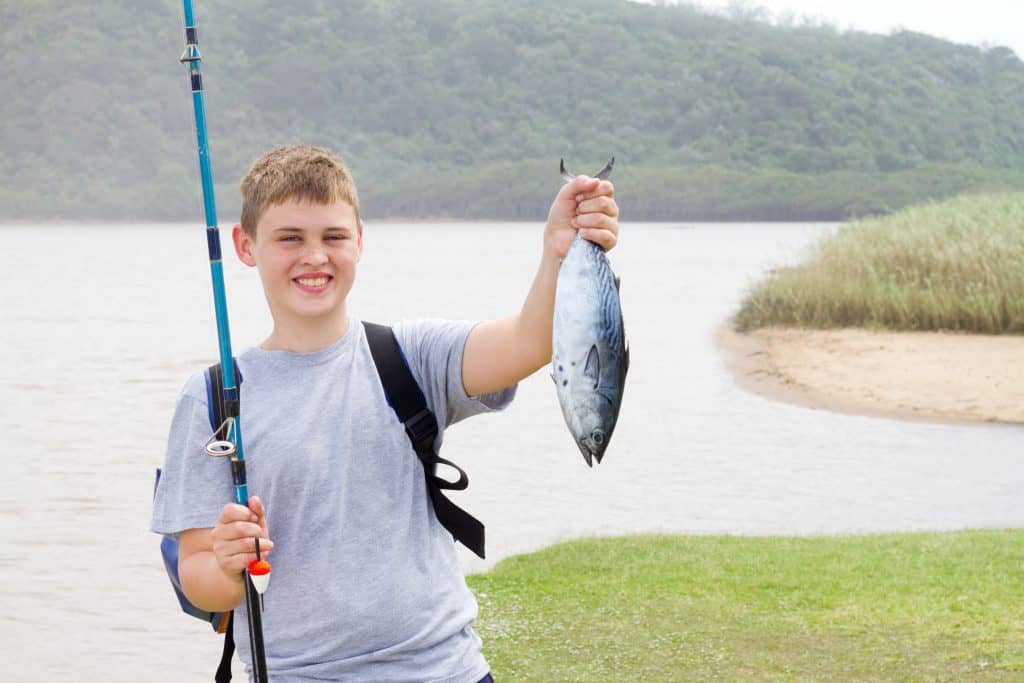
However, there’s a significant exception to this rule that anglers of all ages should be aware of. Children under the age of 17, regardless of whether they are residents or non-residents, do not need to purchase a fishing license. This inclusive approach encourages younger generations to develop a passion for fishing and connect with the natural world from an early age. It’s a wonderful policy that fosters a love for the outdoors and promotes family-friendly fishing experiences across the state. This means a family trip to Lake Buchanan or a day at the Galveston Island State Park can be enjoyed by younger members without the added cost of a license.
It’s important to remember that this “under 17” exemption applies to recreational fishing. If an individual under 17 plans to participate in commercial fishing activities, different rules and licensing requirements may apply. However, for the vast majority of recreational anglers, the age of 17 is the key number to keep in mind.
Special Licenses and Permits: Beyond the Basic Age Rule
While the age of 17 is the primary threshold, Texas also offers various special licenses and permits that cater to specific fishing needs or resident statuses. Understanding these can enhance your fishing experience and ensure you have the correct documentation for any particular situation.
For instance, Texas offers resident licenses at a significantly lower cost than non-resident licenses. To qualify for a resident license, you must have resided in Texas for at least six months. This is a crucial distinction for those who might be new to the state but are eager to explore its fishing opportunities.
Furthermore, there are specific endorsements or stamps required for certain types of fishing or for fishing in particular bodies of water. For example, if you plan to fish in saltwater, a Saltwater Fishing Stamp is generally required in addition to a basic fishing license for those aged 17 to 64. This stamp helps fund the conservation and management of Texas‘s valuable marine resources. Similarly, if you’re targeting specific species like rainbow trout, a Freshwater Fishing Stamp might be necessary.
There are also lifetime licenses available for residents, which can be a cost-effective option for dedicated anglers. These often have different age-based pricing structures, but the core requirement of being 17 or older to purchase a license still generally applies. The Texas Parks and Wildlife Department website is an excellent resource for detailed information on all these specialized permits and their specific requirements.
Planning Your Texas Fishing Trip: Beyond the License
Securing the correct fishing license is a critical first step, but a truly successful Texas fishing trip involves much more. From choosing the right destination to understanding local regulations and preparing for varying weather conditions, a well-planned outing is key to maximizing enjoyment and ensuring a safe and rewarding experience. The diverse landscapes of Texas offer an incredible array of fishing opportunities, catering to every preference.
Top Fishing Destinations in Texas
Texas boasts a remarkable diversity of fishing environments, each offering unique species and experiences. Whether you’re a freshwater enthusiast or a saltwater angler, there’s a perfect spot waiting for you.
- Freshwater Escapes: For those who prefer the tranquility of lakes and rivers, Texas has numerous options. Lake Fork is renowned for its trophy bass fishing, attracting anglers from across the country. Sam Rayburn Reservoir is another bass fishing hotspot, known for its excellent structure and cover. For a different kind of freshwater experience, the Guadalupe River offers opportunities for fly fishing for rainbow trout, especially in its tailwaters. The Colorado River and the Brazos River also provide ample opportunities for catfish, crappie, and bass. For families looking for accessible fishing, many state parks offer stocked ponds and easily accessible shorelines.
- Saltwater Adventures: The Texas coast along the Gulf of Mexico is a paradise for saltwater anglers. Galveston Bay is a prime location for redfish, speckled trout, and flounder, offering both shore fishing and charter boat excursions. Further south, Corpus Christi and Port Aransas are gateways to fantastic offshore fishing for species like king mackerel, snapper, and grouper, as well as excellent inshore fishing in the bays. The shallow flats of the Laguna Madre offer a unique fly-fishing experience for redfish. The numerous jetties along the coast also provide accessible fishing spots for a variety of species.
Essential Gear and Preparation
Once you’ve decided on your destination and confirmed your license status, it’s time to think about your gear. The type of fishing you plan to do will dictate your equipment needs.
- Rod and Reel: For bass fishing on lakes like Lake Fork, a medium to heavy action baitcasting or spinning rod is typically recommended. For lighter tackle fishing or for younger anglers, a spinning combo is ideal. Saltwater fishing might require heavier-duty rods and reels to handle larger, more powerful species and the corrosive effects of saltwater.
- Tackle: This includes lures, bait, hooks, sinkers, and line. Research the prevalent species in your chosen location to select appropriate lures or bait. For bass, popular choices include plastic worms, crankbaits, and topwater lures. For saltwater, consider shrimp, artificial lures mimicking baitfish, or cut bait.
- Apparel: Texas weather can be unpredictable. Lightweight, breathable clothing for hot days is essential, as is a wide-brimmed hat and sunscreen to protect against the strong sun. Rain gear is always a good idea, especially during the spring and summer months when thunderstorms can pop up quickly. For cooler weather, layers are key. Comfortable, waterproof footwear is also important, especially if you plan to do any wading.
- Safety: A first-aid kit, insect repellent, and plenty of water are absolute necessities. If you’re going out on a boat, ensure you have all the required safety equipment, including life jackets. Always let someone know where you’re going and when you expect to return.
The Significance of Regulations and Conservation
The requirement for a Texas fishing license is more than just a bureaucratic hurdle; it’s a cornerstone of the state’s commitment to preserving its rich aquatic ecosystems for future generations. The revenue generated from license sales is directly reinvested into conservation efforts, scientific research, habitat restoration, and fisheries management programs.

How Your License Contributes to Conservation
The Texas Parks and Wildlife Department plays a vital role in managing and protecting the state’s natural resources. Funds from fishing licenses are crucial for:
- Fisheries Management: This involves monitoring fish populations, setting catch limits, and implementing stocking programs to ensure healthy and sustainable fisheries.
- Habitat Restoration: Protecting and restoring critical fish habitats, such as wetlands, rivers, and coastal areas, is essential for the survival and reproduction of various species.
- Research and Monitoring: Scientific studies help biologists understand fish behavior, population dynamics, and the impact of environmental factors, allowing for informed management decisions.
- Enforcement: Conservation officers patrol Texas waters to ensure compliance with fishing regulations, protecting both fish populations and ethical anglers.
- Public Education: The department provides educational programs and resources to promote responsible angling practices and environmental stewardship.
By purchasing a Texas fishing license, you are not just gaining the privilege to fish; you are actively participating in the conservation of the state’s natural heritage. This shared responsibility ensures that the joy of fishing can be enjoyed by everyone, today and in the years to come. Whether you’re a seasoned angler visiting Texas or a local resident, understanding and adhering to these regulations is a vital part of enjoying the sport responsibly.