
Navigating the educational landscape for young children can be a complex endeavor, especially when you’re considering a move to a new state or simply trying to understand the school system. For many parents, the question of “What age is kindergarten in California?” is a crucial one, impacting everything from family planning to relocation decisions. This article aims to demystify California’s kindergarten enrollment requirements, offering clarity and practical information for families embarking on this significant milestone.
California, like many states, has specific age cutoffs for kindergarten enrollment. Understanding these dates is paramount to ensuring your child can begin their educational journey at the appropriate time. The Golden State’s approach is designed to group children by developmental readiness, ensuring that the classroom environment is conducive to learning for all students.
Understanding California’s Kindergarten Age Requirements
The fundamental rule for kindergarten enrollment in California revolves around a child’s age on a specific date. This date is the cornerstone of determining eligibility.
The Age Cutoff Date
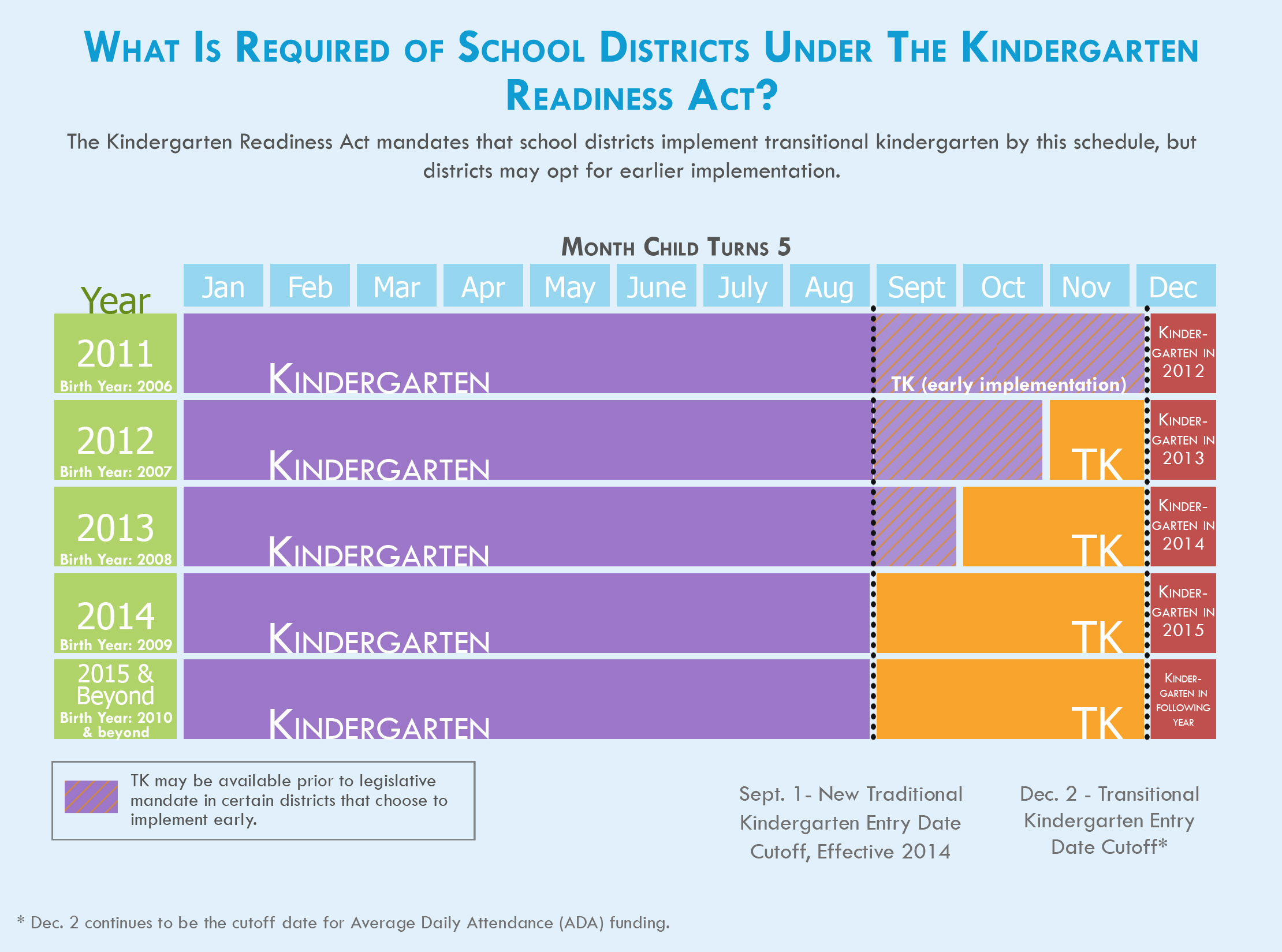
In California, a child must be five years old on or before September 1st of the school year in which they are enrolling in kindergarten. This is the primary criterion that all public school districts adhere to. Therefore, if your child turns five on September 2nd, or any date thereafter, they would not be eligible for kindergarten in that particular school year and would typically wait until the following year.
This September 1st cutoff is a consistent and widely applied rule across the state. It ensures that the vast majority of children entering kindergarten are of a similar age and, presumably, a similar developmental stage.
The Rationale Behind the Cutoff
The established age cutoff isn’t arbitrary; it’s based on developmental research and educational best practices. Educators and child development experts generally agree that children around the age of five have reached a point where they are more prepared for the structured learning environment of kindergarten. This preparation includes:
- Cognitive Readiness: The ability to focus for extended periods, follow instructions, and engage in pre-academic skills like letter and number recognition.
- Social and Emotional Development: The capacity to interact positively with peers, share, take turns, manage emotions, and adapt to a classroom setting.
- Physical Readiness: Developing fine motor skills for writing and gross motor skills for playground activities.
By setting a clear age cutoff, California’s public school system aims to create classrooms where children are more likely to thrive. It helps teachers plan curriculum and activities that are appropriate for the developmental stage of their students, leading to a more effective and positive learning experience.
Implications for Parents
For parents, this means meticulous planning is necessary. If your child’s birthday falls shortly after September 1st, you might find yourself in a situation where they are one of the oldest in their preschool class but will be one of the youngest in kindergarten the following year. Conversely, if their birthday is in late August, they will be among the older children in their kindergarten class.
This can lead to varied discussions among parents about whether to hold a child back or push them forward. However, the California law is quite specific, and exceptions are rare and typically require significant documentation and assessment.
Early Childhood Education Pathways in California
While the age cutoff for public kindergarten is firm, California offers various pathways for early childhood education, catering to different age groups and developmental stages. Understanding these options can help parents make informed decisions for their children.
Transitional Kindergarten (TK)
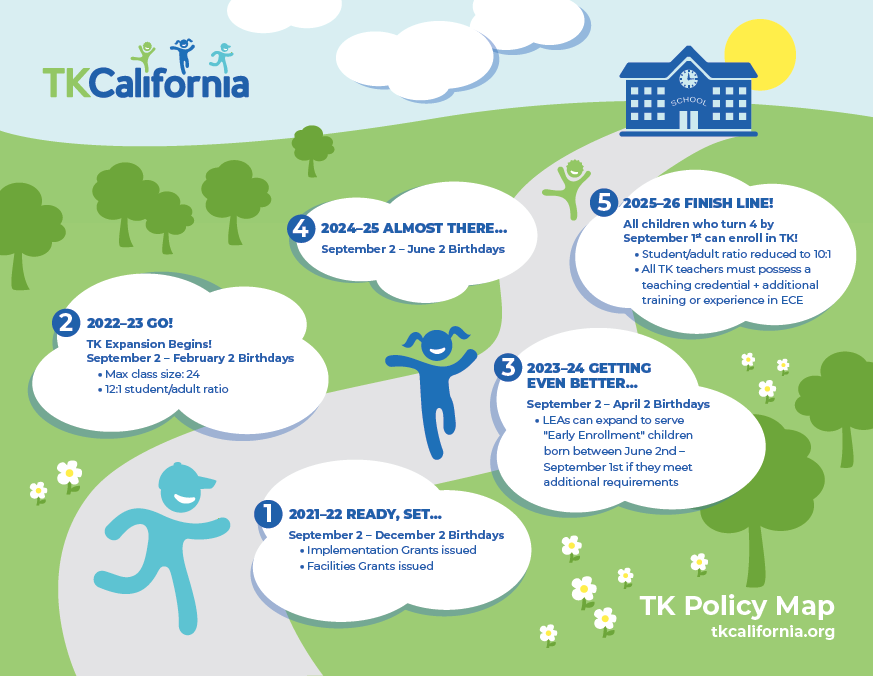
Recognizing that some children may be developmentally ready for a more structured learning environment even if they don’t meet the September 1st cutoff for traditional kindergarten, California has implemented Transitional Kindergarten (TK). This program is designed for children who will be five years old on or before December 31st of the school year.
What is Transitional Kindergarten?
Transitional Kindergarten serves as a bridge between preschool and traditional kindergarten. It provides a play-based, age-appropriate curriculum that focuses on developing social, emotional, and academic skills. TK classrooms are staffed by credentialed teachers and are intended to provide a richer learning experience than a typical preschool program, while still being less academically rigorous than a full-day kindergarten.
The TK program aims to:
- Provide a Foundation: Build a strong foundation in early literacy, numeracy, and problem-solving.
- Foster Social Skills: Encourage cooperation, communication, and conflict resolution among peers.
- Promote Curiosity: Spark a lifelong love of learning through engaging activities and exploration.
- Support Development: Cater to the specific developmental needs of children who are nearing but have not yet reached the traditional kindergarten age cutoff.
Eligibility for TK
The key difference between TK and kindergarten eligibility lies in the cutoff date. For TK, children must turn five on or before December 31st of the school year. This means children born between September 2nd and December 31st of the previous year are eligible for TK.
The implementation of TK has been a significant shift in California’s educational system, designed to ensure that more children have access to high-quality early learning experiences. It offers a valuable option for families whose children are on the cusp of kindergarten age.
Preschool Programs
Beyond TK and kindergarten, California offers a wide array of preschool programs. These programs cater to children younger than those eligible for TK, typically starting at age three.
Types of Preschool Programs
Preschools in California come in various forms:
- Public Preschool: Often funded by federal, state, or local initiatives, these programs may have specific eligibility requirements based on income or other factors.
- Private Preschool: These are independently run and can vary greatly in their philosophy, curriculum, and cost. They may offer full-day or half-day options.
- Head Start and Early Head Start: These federal programs provide comprehensive early childhood education, health, nutrition, and parent involvement services to low-income children and their families.
- Non-profit Preschools: Many community-based organizations and religious institutions offer preschool services.
Benefits of Preschool
Even for children who will eventually attend kindergarten, preschool offers numerous benefits:
- Early Socialization: Children learn to interact with peers and adults outside their immediate family, developing crucial social skills.
- Cognitive Stimulation: Exposure to early learning concepts, problem-solving activities, and creative play.
- Language Development: Enhanced vocabulary and communication skills through songs, stories, and interactive activities.
- Routine and Structure: Familiarization with classroom routines, which can ease the transition to kindergarten.
Making the Decision: Factors to Consider
Deciding when your child is ready for kindergarten or TK is not solely about meeting age requirements. It involves a holistic assessment of the child’s development and family circumstances.
Developmental Readiness
While age is the primary legal determinant, a child’s individual readiness is equally important. Consider these aspects:
- Social and Emotional Maturity: Is your child able to separate from you for extended periods? Can they follow simple directions? Do they interact positively with other children?
- Self-Help Skills: Can they manage basic self-care like using the restroom independently, dressing themselves, and managing their belongings?
- Cognitive Skills: Are they showing an interest in letters, numbers, and problem-solving? Do they have a developing attention span?
- Physical Development: Are their fine motor skills developing (e.g., holding a crayon, using scissors) and their gross motor skills (e.g., running, jumping)?
Sometimes, a child who is chronologically older but not yet developmentally ready might benefit from another year in a preschool or TK setting. Conversely, a younger child who is exceptionally mature and eager may thrive in kindergarten if they meet the age cutoff.
Family Circumstances and Lifestyle
Your family’s specific situation also plays a role in the decision-making process.
- Work Schedules: For working parents, full-day kindergarten and TK programs can provide essential childcare. The availability of before- and after-school care programs in your chosen district is also a vital consideration.
- Childcare Needs: If your child is already in a high-quality preschool program, you might weigh the benefits of continuing that environment for another year, especially if it aligns well with your child’s needs and your family’s routine.
- Future Plans: If you anticipate moving to a different state or country in the near future, understanding the kindergarten age requirements in those locations might influence your current enrollment decisions.
- Financial Considerations: While public school is free, private preschools and specialized early learning programs can incur costs. Balancing these expenses with the perceived benefits is a practical aspect of the decision.
Visiting Schools and Gathering Information
To make the most informed decision, it is highly recommended to:
- Tour Potential Schools: Visit the kindergarten and TK classrooms in your local school district. Observe the learning environment, talk to teachers, and get a feel for the school’s philosophy.
- Attend School Open Houses: Many schools host events where prospective families can learn more about the curriculum and meet the staff.
- Consult with Educators: Speak with your child’s current preschool teacher or director. They can offer valuable insights into your child’s readiness for kindergarten.
- Review District Websites: Most California school districts have detailed information on their websites regarding enrollment, age requirements, and program offerings. For instance, if you are considering a move to a specific city, researching the Los Angeles Unified School District or the San Diego Unified School District websites can provide pertinent details.
Enrolling Your Child in Kindergarten or TK
Once you have determined the appropriate program for your child, the enrollment process begins. While specific procedures can vary by school district, there are common requirements.
Required Documentation
Typically, you will need to provide the following documents to enroll your child in kindergarten or TK:
- Proof of Age: A certified copy of your child’s birth certificate or other reliable documentation proving their date of birth.
- Proof of Residency: Utility bills, lease agreements, or property tax statements showing you reside within the school district’s boundaries.
- Immunization Records: California requires children to be vaccinated against various diseases before entering school. You will need to present an up-to-date immunization record from a healthcare provider.
- Health Examination Record: Some districts may require proof of a recent health examination.
Enrollment Timelines
Enrollment periods can vary, but many districts open their registration for the following school year in the late winter or early spring. It is crucial to check your local school district’s calendar for specific dates to avoid missing deadlines. Early enrollment can also help secure a spot in popular programs and allows the school to plan accordingly for staffing and resources.
Special Considerations
- Children with Special Needs: If your child has an Individualized Education Program (IEP) or requires special education services, you should contact the school district’s special education department as early as possible. They will guide you through the appropriate enrollment and assessment procedures.
- Dual Language Immersion Programs: Many districts in California offer dual language immersion programs, which can be an excellent opportunity for children to learn a second language. If this is of interest, inquire about their specific enrollment processes and language aptitude assessments.
- Private Schools: If you are considering a private school, their enrollment procedures, age cutoffs, and admission criteria may differ significantly from public schools. It’s essential to contact private schools directly for their specific requirements. Destinations like Disneyland or cities like San Francisco might have various private educational options available.
Conclusion: A Smooth Transition to Education
Understanding the age requirements for kindergarten in California is the first step in a successful educational journey for your child. By familiarizing yourself with the September 1st cutoff for kindergarten and the December 31st cutoff for Transitional Kindergarten, you can make informed decisions that align with your child’s developmental stage and your family’s needs. California’s commitment to early childhood education, through programs like TK, ensures that more children have access to the foundational learning experiences they need to thrive. Whether you are planning a move to the vibrant cities of Los Angeles or San Diego, or simply navigating the educational system in your current community, thorough research and proactive planning will pave the way for a positive and enriching start to your child’s academic life. Remember to consult your local school district for the most accurate and up-to-date information regarding enrollment dates, required documents, and program specifics.