
Nestled high in the San Francisco Peaks of the Colorado Plateau, Flagstaff, Arizona, stands as a vibrant gateway to some of the United States’ most breathtaking natural wonders. Known for its picturesque mountain landscapes, historic charm, and a thriving arts and culture scene, Flagstaff attracts millions of visitors each year. Whether you’re planning an exhilarating outdoor adventure, a serene escape into nature, or a cultural exploration, accessing this mountain city is often the first step. For many, flying directly into Flagstaff offers the most convenient starting point. This comprehensive guide will delve into the airlines that serve Flagstaff, the airport experience, and how to best plan your journey to this remarkable Southwest destination, ensuring a smooth and enjoyable trip from touchdown to departure.
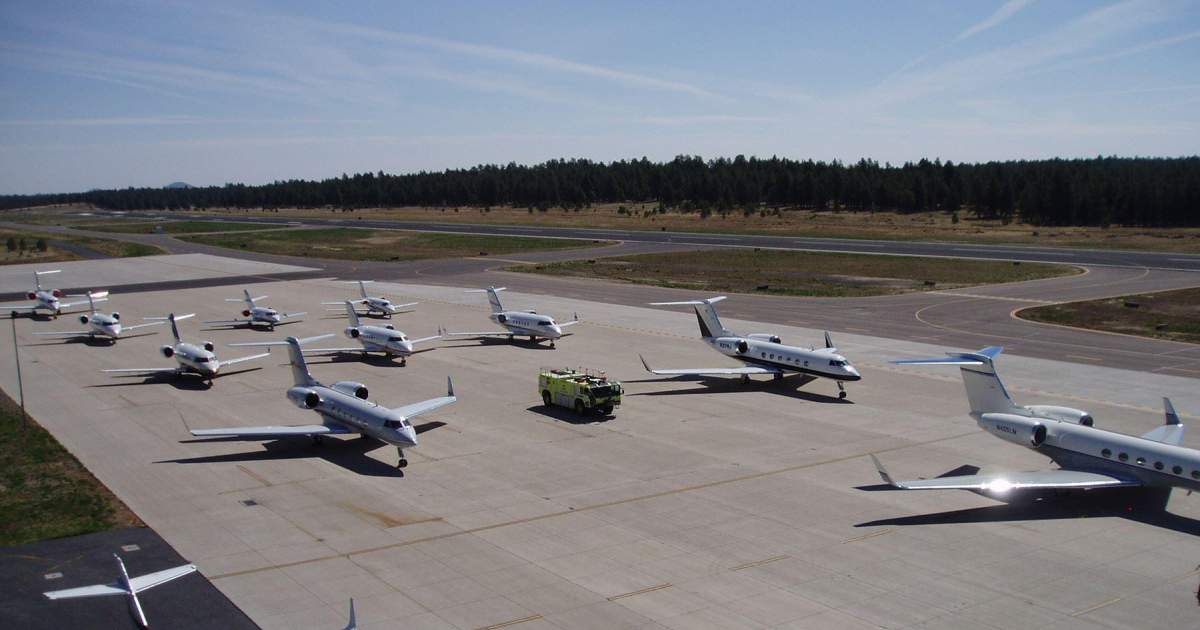
Flying into Flagstaff: Airlines and Airport Details
Understanding your flight options is crucial for any travel plan. Flagstaff is served by a regional airport, making connections through larger hubs a common aspect of the journey. Despite its smaller size, the airport is well-equipped to handle the steady stream of tourists and locals, offering essential services and a welcoming atmosphere that sets the tone for your Arizona adventure.
Flagstaff Pulliam Airport (FLG)
The primary airport serving the region is Flagstaff Pulliam Airport (FLG). Located just a few miles south of downtown Flagstaff, FLG offers an intimate and efficient travel experience compared to larger international airports. While it may not boast a vast array of direct flights to every corner of the globe, its strategic connections make it an accessible hub for exploring Northern Arizona. The airport provides basic amenities, including car rental services, dining options, and ground transportation, ensuring that visitors can seamlessly transition from air travel to exploring the region. Its compact size often means quicker boarding and disembarking processes, a welcome change for travelers accustomed to the hustle and bustle of major aviation hubs.
Major Airlines Serving Flagstaff and Their Hub Connections
For travelers looking to fly directly into Flagstaff, the options are primarily focused on regional carriers operating flights from major United States airline hubs. Currently, two main airlines facilitate air travel to and from FLG:
- American Airlines: Through its regional partner, SkyWest Airlines, American Airlines offers daily flights connecting Flagstaff to its massive hub at Dallas/Fort Worth International Airport (DFW) and Phoenix Sky Harbor International Airport (PHX). This connection to DFW provides a gateway for travelers from the central and eastern United States and beyond, allowing them to reach Flagstaff with just one stop. The PHX connection is particularly popular for those looking to fly into Arizona’s largest airport and then take a short connecting flight north.
- United Airlines: Also operating with SkyWest Airlines as a regional partner, United Airlines provides service from Flagstaff to its major hub at Denver International Airport (DIA). This route is incredibly beneficial for travelers originating from the Rocky Mountains region, the Midwest, or even the West Coast, as DIA serves as a significant connector for many domestic and international flights.
While the number of direct routes is limited, these strategic partnerships with major carriers ensure that Flagstaff is well-connected to the national air travel network. Travelers can book their entire journey through American Airlines or United Airlines, simplifying the ticketing and baggage transfer process, even though the actual flight into FLG will be on a regional jet operated by SkyWest Airlines.
Direct Flights and Connecting Cities
The direct flights into Flagstaff typically originate from Phoenix Sky Harbor International Airport (PHX), Dallas/Fort Worth International Airport (DFW), and Denver International Airport (DIA). These hubs are critical because they allow travelers from almost anywhere in the United States – and even internationally – to reach Flagstaff with just a single connection. For instance, a traveler from New York could fly to DFW and then connect to FLG, while someone from Los Angeles might connect through PHX or DIA.
Occasionally, during peak seasons or for special events, additional seasonal flights might be introduced, or larger hubs like Chicago O’Hare International Airport (ORD) or Los Angeles International Airport (LAX) might see direct flights, but these are less common and not part of the year-round schedule. Therefore, when planning your trip, expect to route through Phoenix, Dallas, or Denver for the most reliable and frequent connections. These connections are generally smooth, with short layovers, designed to get you to your Flagstaff destination efficiently.
Why Visit Flagstaff? A Hub for Adventure and Culture
Beyond just being a convenient airport destination, Flagstaff itself is a captivating place to visit, serving as an ideal base for exploring the rich tapestry of Northern Arizona. Its unique blend of outdoor adventure, historical significance, and a vibrant community creates an unforgettable experience for all types of travelers.
Gateway to Natural Wonders
Flagstaff’s geographical location is perhaps its biggest draw. It is famously known as the “Gateway to the Grand Canyon.” The majestic Grand Canyon National Park is just a 90-minute drive north, making Flagstaff an indispensable stop for anyone planning to visit one of the world’s most iconic natural landmarks. But the natural beauty doesn’t stop there.
- Sedona: Just a scenic 45-minute drive south, Sedona beckons with its stunning red rock formations, spiritual vortexes, and a thriving arts community. Many visitors combine a trip to Flagstaff with an excursion to Sedona for a truly diverse Arizona experience.
- Meteor Crater Natural Landmark: East of Flagstaff, this incredibly well-preserved impact crater offers a fascinating glimpse into a cataclysmic event from over 50,000 years ago. It’s a compelling stop for geology enthusiasts and curious travelers alike.
- National Monuments and Parks: The region is also home to several National Monuments that offer glimpses into ancient cultures and unique geological formations. These include Walnut Canyon National Monument (ancient cliff dwellings), Wupatki National Monument (pueblos and ruins), and Sunset Crater Volcano National Monument (a relatively young volcano). Further afield, but still within a reasonable drive, lies Petrified Forest National Park, famous for its colorful fossilized wood.
- Lake Powell and Monument Valley: For those venturing further north, the stunning waters of Lake Powell near Page and the iconic landscapes of Monument Valley are also accessible for day trips or extended stays from Flagstaff.
Flagstaff’s Unique Charm
Beyond its natural surroundings, Flagstaff itself boasts a distinctive character. The city blends its rich pioneer and Route 66 history with a vibrant, youthful energy, largely thanks to Northern Arizona University.
- Historic Downtown: Strolling through downtown Flagstaff reveals beautifully preserved historic buildings, quirky shops, art galleries, and an impressive array of restaurants and craft breweries. It’s a fantastic place to spend an afternoon or evening, soaking in the local atmosphere.
- Lowell Observatory: A cornerstone of astronomical research, Lowell Observatory offers public tours, telescope viewing, and educational programs. It’s where Pluto was discovered, making it a truly significant landmark for science enthusiasts and stargazers. Flagstaff is, in fact, the world’s first International Dark Sky City, emphasizing its commitment to preserving the night sky.
- Local Culture and Cuisine: The city’s culinary scene is diverse, offering everything from classic American diners to upscale contemporary restaurants. The craft beer scene is particularly strong, with several local breweries producing unique and award-winning ales.
Seasonal Activities and Lifestyle
Flagstaff offers a diverse range of activities throughout the year, catering to various lifestyles, from luxury travel to budget-friendly family trips.

- Winter Sports: During the colder months, Flagstaff transforms into a winter wonderland. Arizona Snowbowl, located on the slopes of Mount Humphreys (the highest point in Arizona), offers excellent skiing and snowboarding opportunities.
- Summer Adventures: Summers are mild and pleasant, perfect for hiking, mountain biking, and rock climbing in the surrounding forests. The cooler temperatures make it an ideal escape from the intense heat of Phoenix and Tucson.
- Stargazing: As a Dark Sky City, Flagstaff provides unparalleled stargazing opportunities, often drawing astronomers and enthusiasts.
Planning Your Trip: Accommodation and Getting Around
Once you’ve booked your flights, the next critical step is arranging your accommodation and understanding local transportation. Flagstaff offers a wide array of options to suit every preference and budget, ensuring your stay is as comfortable as it is convenient.
Where to Stay in Flagstaff
Flagstaff’s accommodation scene caters to all types of travelers, from those seeking luxurious resorts to budget-conscious adventurers.
- Luxury and Resorts: For those looking for an upscale experience, properties like the Little America Hotel Flagstaff offer premium amenities, spacious rooms, and often stunning views of the surrounding forest. These resorts often feature fine dining, pools, and extensive grounds, making them a destination in themselves.
- Mid-Range Hotels: A strong selection of well-known hotel chains provides comfortable and reliable stays. Examples include the Residence Inn by Marriott Flagstaff, Courtyard by Marriott Flagstaff, Drury Inn & Suites Flagstaff, and SpringHill Suites by Marriott Flagstaff. These often come with amenities like complimentary breakfast, fitness centers, and easy access to major highways. The recently renovated High Country Motor Lodge also offers a chic, boutique option.
- Boutique and Historic Hotels: Downtown Flagstaff is home to unique boutique hotels that capture the city’s historic charm. The Hotel Monte Vista, a historic landmark, offers a glimpse into Flagstaff’s past with individually themed rooms and a lively bar.
- Vacation Rentals and Apartments: For longer stays or those desiring more space and a home-away-from-home feel, numerous vacation rentals, ranging from cozy cabins to modern apartments, are available through various booking platforms. This can be an excellent option for families or groups.
- Budget-Friendly Options: Several motels and budget hotels are located along Route 66 and the city’s outskirts, providing affordable options for travelers.
When booking, consider the proximity to your planned activities. If you’re focused on downtown attractions, staying central is ideal. If you’re planning extensive outdoor excursions, a hotel with easy highway access might be more practical.
Transportation from FLG and Around Flagstaff
Getting from Flagstaff Pulliam Airport (FLG) to your accommodation and exploring the surrounding areas is relatively straightforward.
- Car Rentals: This is by far the most recommended mode of transportation, especially if you plan to visit the Grand Canyon National Park, Sedona, or other national monuments. Major car rental agencies have counters at FLG, making it easy to pick up a vehicle upon arrival. Booking in advance is highly advisable, particularly during peak tourist seasons.
- Ride-Sharing Services: Uber and Lyft operate in Flagstaff and can be a convenient option for transfers between the airport and your hotel, or for short trips within the city.
- Taxis and Shuttles: Traditional taxi services are available, and some hotels may offer shuttle services. It’s worth checking with your chosen accommodation if they provide airport transfers.
- Public Transit: The Mountain Line bus system serves Flagstaff, but its routes might not cover all tourist destinations directly or efficiently for those with limited time, especially for attractions outside the city center. It’s more suitable for getting around downtown and to Northern Arizona University.
- Amtrak: For a unique travel experience, Amtrak’s Southwest Chief train service stops in downtown Flagstaff), connecting it to Los Angeles, Chicago, and points in between. While not an air travel option, it’s an alternative for those seeking a more scenic or leisurely journey.
Maximizing Your Flagstaff Experience: Tips for Travelers
To ensure your trip to Flagstaff is as enriching and comfortable as possible, consider these practical tips designed to enhance your travel experience.
Best Time to Visit
Flagstaff experiences four distinct seasons, each offering a unique appeal:
- Spring (April-May): Mild temperatures, blooming wildflowers, and fewer crowds make spring an excellent time for hiking and exploring before the summer rush.
- Summer (June-August): Pleasant, warm days and cool evenings. This is peak tourist season, especially popular with those escaping the heat of southern Arizona. Book accommodations and flights well in advance.
- Fall (September-October): Crisp air, vibrant autumn foliage (especially the aspens on the San Francisco Peaks), and comfortable hiking weather make this a highly sought-after time to visit.
- Winter (November-March): Cold temperatures, snow, and opportunities for skiing and snowboarding at Arizona Snowbowl. Ideal for winter sports enthusiasts and those seeking a festive, snowy atmosphere.
Essential Packing Tips
Given Flagstaff’s elevation and diverse activities, smart packing is key:
- Layers: Temperatures can fluctuate significantly throughout the day, especially from morning to afternoon. Pack layers that can be easily added or removed.
- Comfortable Footwear: Essential for exploring downtown, hiking trails, or walking around attractions. Sturdy hiking boots are a must for serious trekkers.
- Sun Protection: Even on cloudy days, the high altitude means stronger UV rays. Bring sunscreen, sunglasses, and a hat.
- Hydration: The dry Arizona air and elevation can lead to dehydration. Carry a reusable water bottle and drink plenty of fluids.
- Warm Clothing: Even in summer, evenings can be cool, especially at higher elevations or in the surrounding forests. A jacket or fleece is always a good idea. For winter, waterproof and insulated clothing is essential.
- Camera and Binoculars: You’ll want to capture the stunning landscapes and wildlife, and binoculars will enhance your views of distant peaks and stargazing experiences.

Local Flavors and Dining
Flagstaff’s culinary scene is a delightful mix of traditional Southwest flavors, comfort food, and modern gastronomy. Don’t miss the chance to explore local favorites:
- Craft Breweries: With several award-winning breweries, Flagstaff is a beer lover’s paradise. Many offer pub fare alongside their unique brews.
- Native American Cuisine: Explore dishes influenced by indigenous traditions, offering a taste of the region’s rich cultural heritage.
- Farm-to-Table: Increasingly, restaurants are sourcing ingredients from local Arizona farms, providing fresh and seasonal dining experiences.
- Historic Diners: For a nostalgic touch, visit one of the classic diners along Route 66, serving up hearty American breakfast and lunch staples.
By planning ahead, choosing the right accommodation, and embracing the local culture, your journey to Flagstaff will be an unforgettable adventure.
In conclusion, while Flagstaff Pulliam Airport (FLG) offers limited direct flight options, its strategic connections through American Airlines (via PHX and DFW) and United Airlines (via DIA) make it an easily accessible destination. This charming mountain town serves as a perfect base for exploring the Grand Canyon National Park, Sedona, and numerous other natural and cultural attractions, promising a rich and diverse travel experience for all who visit. With proper planning for flights, accommodation, and local transportation, your Flagstaff adventure is sure to be seamless and truly memorable.