
Embarking on an unforgettable adventure to Alaska, the United States’ vast and magnificent Last Frontier, begins with understanding your travel options. This remote yet incredibly accessible state draws millions of visitors each year, eager to explore its breathtaking landscapes, abundant wildlife, and unique cultural experiences. Whether you dream of witnessing the majestic aurora borealis, hiking through pristine wilderness, or embarking on a thrilling cruise, knowing which airlines serve Alaska’s airports is the first crucial step in planning your journey.
Connecting to Alaska is more straightforward than many realize, thanks to a robust network of major national carriers and specialized regional airlines. While the sheer size of the state might suggest limited accessibility, key hubs like Anchorage and Fairbanks are well-serviced, offering a variety of direct and connecting flights from across North America. This guide will delve into the primary airlines that will get you to Alaska, the main airports you’ll likely fly into, and essential tips for ensuring a smooth and enjoyable trip to this incredible destination. From deciphering flight schedules to choosing the right accommodation and planning your itinerary, we’ll cover everything you need to know to make your Alaskan dream a reality.

Major Gateways and Direct Flight Options
Alaska is a state of immense scale, but its air travel is primarily concentrated around a few key airports that serve as vital entry points for both visitors and residents. These airports are not just transit points; they are often the starting lines for grand adventures, offering access to stunning natural landmarks and vibrant urban centers. Understanding which airports major airlines fly into and from which hubs can significantly simplify your travel planning, especially when considering the vast distances involved in Alaskan tourism.
Ted Stevens Anchorage International Airport (ANC)
The undisputed king of Alaskan air travel, Ted Stevens Anchorage International Airport (ANC) is the busiest airport in the state and the primary gateway for most visitors. Located in the heart of Anchorage, the state’s largest city, ANC offers a wide array of flight options from numerous major cities across the United States. Its strategic location provides convenient access to popular destinations such as Denali National Park and Preserve, the Kenai Peninsula, and the Prince William Sound.
Major airlines frequently serving Anchorage include Alaska Airlines, Delta Air Lines, United Airlines, and American Airlines. During the peak summer season, the number of direct flights and carriers often increases, with seasonal additions like Sun Country Airlines. These airlines provide direct connections from major hub cities such as Seattle-Tacoma International Airport (SEA), Portland International Airport (PDX), Los Angeles International Airport (LAX), San Francisco International Airport (SFO), Denver International Airport (DEN), Minneapolis-Saint Paul International Airport (MSP), and Chicago O’Hare International Airport (ORD). This extensive network ensures that travelers from almost anywhere in the country can find a relatively direct route to begin their Alaskan adventure, making Anchorage an ideal base for exploring the central and southern regions of the state.
Fairbanks International Airport (FAI)
Further north, Fairbanks International Airport (FAI) serves as another critical entry point, particularly for those interested in exploring Interior Alaska and chasing the Northern Lights. Fairbanks is renowned for its prime location within the “aurora oval,” making it one of the best places on Earth to witness this celestial phenomenon. It’s also the closest major airport to Denali National Park and Preserve’s northern entrance, though Anchorage remains a popular access point for the park’s main visitor areas.
Similar to Anchorage, Fairbanks is well-connected by carriers like Alaska Airlines, Delta Air Lines, and United Airlines. Direct flights often originate from Seattle-Tacoma International Airport (SEA) and occasionally from other major hubs during peak seasons. While not as extensive as Anchorage’s network, Fairbanks’ connectivity is robust enough to accommodate the steady stream of tourism it receives, particularly during the winter months for aurora viewing and in summer for wilderness exploration. Its significance for lifestyle experiences like dog mushing, ice sculpting, and gold panning makes it a unique starting point for certain Alaskan experiences.
Juneau International Airport (JNU)
For travelers heading to Southeast Alaska, the capital city of Juneau offers Juneau International Airport (JNU). Due to the rugged geography of the region, Juneau is not accessible by road from the rest of North America, making air travel and ferries the primary modes of transportation. JNU is therefore a crucial lifeline for the capital and surrounding communities.
Alaska Airlines dominates service to Juneau, offering frequent flights from Seattle-Tacoma International Airport (SEA) and intra-state connections to other Alaskan cities like Anchorage, Sitka, and Ketchikan. While other major carriers have less presence, Alaska Airlines’ comprehensive network ensures that Juneau remains well-connected. Juneau is a popular stop for cruise ships and a gateway to Glacier Bay National Park and Preserve, offering incredible attractions like the Mendenhall Glacier and abundant whale watching opportunities.
Key Airlines Connecting You to the Last Frontier
When it comes to flying to Alaska, a mix of national powerhouses and specialized regional carriers ensures comprehensive coverage, whether you’re heading to a major city or a remote village. Understanding their roles will help you choose the best airline for your specific Alaskan itinerary.
The Dominant Player: Alaska Airlines
Without a doubt, Alaska Airlines is the most significant carrier when traveling to and within Alaska. It’s not just an airline; it’s an integral part of Alaskan life, connecting communities and providing vital services. Headquartered in Seattle, Washington, Alaska Airlines offers the most extensive flight network to the state, with numerous daily flights to Anchorage, Fairbanks, Juneau, Ketchikan, Sitka, and many smaller towns. Their main hubs for Alaskan flights are Seattle-Tacoma International Airport (SEA) and Portland International Airport (PDX), but they also offer direct flights from cities like Los Angeles, San Francisco, and Denver to Anchorage. If you plan on doing any intra-state travel, particularly to smaller communities in Southeast Alaska or the Bush, Alaska Airlines will be your most reliable and often only option. Their extensive reach makes them an indispensable part of any detailed travel guide to Alaska.
National Carriers Expanding Reach
Several major national airlines also provide service to Alaska’s largest airports, primarily Ted Stevens Anchorage International Airport (ANC) and Fairbanks International Airport (FAI). These carriers offer broader connections from across the United States and often present competitive pricing and loyalty program benefits.
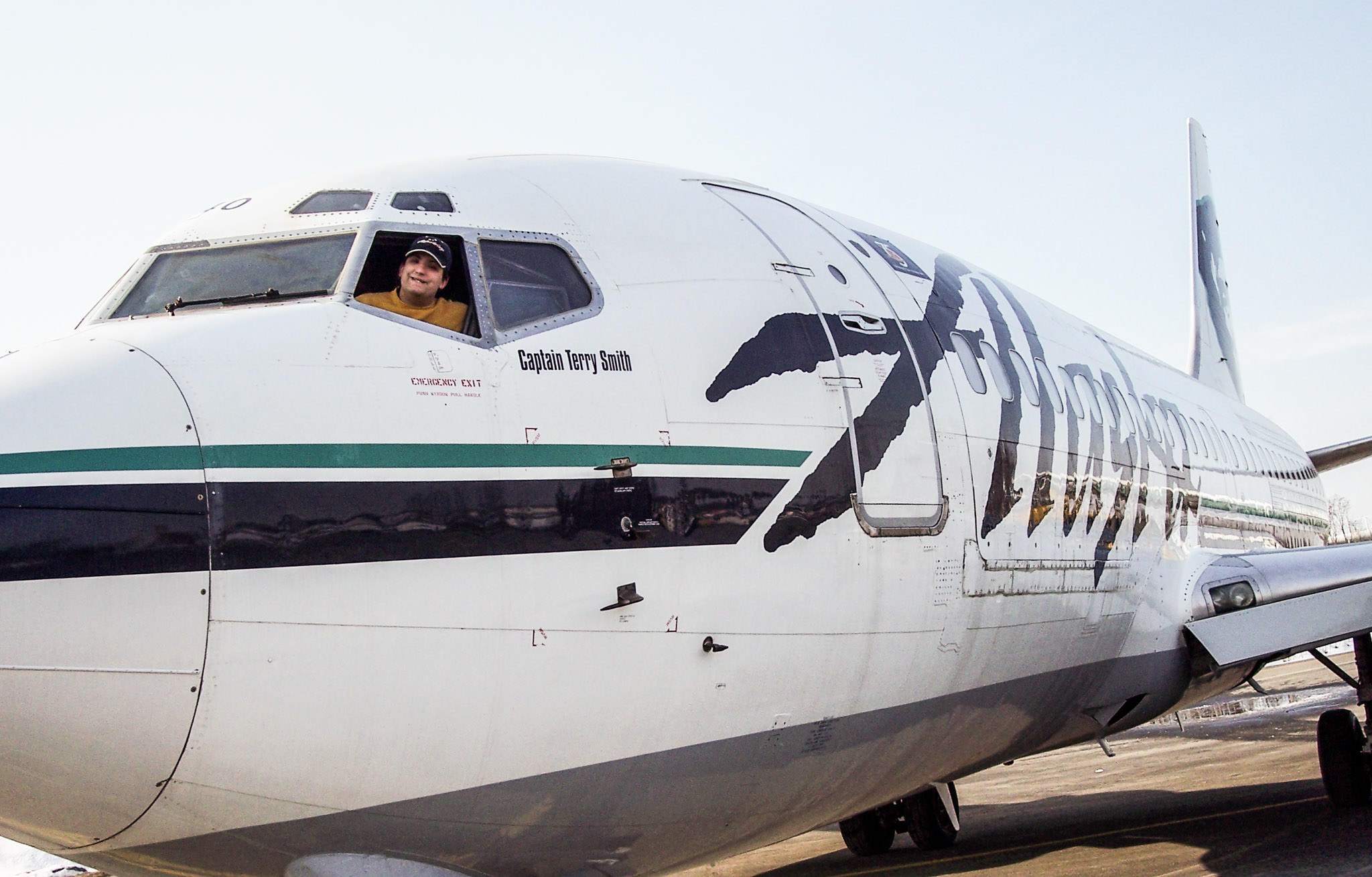
- Delta Air Lines: Delta operates regular service to Anchorage and Fairbanks, with its main hub for Alaskan flights being Seattle-Tacoma International Airport (SEA). During the peak summer season, Delta often adds direct flights from other major hubs like Minneapolis-Saint Paul International Airport (MSP), Salt Lake City International Airport (SLC), and Detroit Metropolitan Wayne County Airport (DTW), catering to the increased tourism demand.
- United Airlines: United also provides consistent service to Anchorage and Fairbanks. Their primary connection points typically include Denver International Airport (DEN), Chicago O’Hare International Airport (ORD), Houston George Bush Intercontinental Airport (IAH), and San Francisco International Airport (SFO). These routes are crucial for travelers coming from the Midwest, South, and East Coast.
- American Airlines: While not as extensive as Alaska or Delta, American Airlines offers seasonal service to Anchorage from hubs such as Dallas/Fort Worth International Airport (DFW), Chicago O’Hare International Airport (ORD), and Phoenix Sky Harbor International Airport (PHX). These flights are typically concentrated during the busy summer months to cater to peak tourism.
- Sun Country Airlines: This budget-friendly carrier offers seasonal direct flights to Anchorage from Minneapolis-Saint Paul International Airport (MSP), providing an economical option for many travelers during the summer.
Regional Airlines for Intra-State Exploration
Once you’ve arrived at one of Alaska’s major airports, exploring the state’s vast interior and remote communities often requires switching to smaller, regional carriers. These airlines are the backbone of intra-state travel, connecting hundreds of villages and towns that are not accessible by road.
- Ravn Alaska: Ravn Alaska is a key player, operating scheduled flights to numerous rural destinations from hubs like Anchorage and Fairbanks. They serve communities across the Bush, providing essential connections for residents and adventure travelers looking to reach truly off-the-beaten-path locations like Nome or Utqiaġvik (formerly Barrow).
- Grant Aviation: Grant Aviation specializes in serving southwestern Alaska, connecting communities in the Yukon-Kuskokwim Delta and the Bristol Bay region. They operate a fleet of smaller aircraft designed for short-haul flights and challenging runway conditions.
- Boutique Air: Boutique Air offers flights to a few specific destinations within Alaska, often operating under contracts to provide essential air service to rural areas. These flights typically originate from Anchorage or Fairbanks.
These regional airlines are indispensable for reaching Alaska’s remote attractions and experiencing its true wilderness. While their planes are smaller, they offer a unique and often scenic way to travel, providing incredible views of the Alaskan landscape.
Planning Your Alaskan Journey: Beyond the Flight
Securing your flight is just the beginning of crafting an unforgettable Alaskan experience. To truly immerse yourself in the Last Frontier, it’s essential to consider the broader aspects of your journey, from the best time to visit to where you’ll lay your head at night, and how your lifestyle preferences fit into this wild landscape.
Optimal Seasons and Popular Destinations
Alaska is a year-round destination, but your desired activities will dictate the best time to visit.
- Summer (June-August): This is peak tourism season, offering long daylight hours (up to 24 in some areas), mild temperatures, and full accessibility to virtually all attractions. It’s ideal for wildlife viewing (bears, moose, whales), hiking in Denali National Park and Preserve, fishing, and cruising the Inside Passage or Prince William Sound. Anchorage, Seward (gateway to Kenai Fjords National Park), and Juneau are bustling. Be prepared for higher prices and crowds during this time.
- Fall (September-October): A stunning time for photographers, as the tundra and forests erupt in vibrant colors. The Northern Lights become visible again, especially around Fairbanks. Crowds thin out, and prices for accommodation and flights may drop. Many seasonal businesses begin to close towards the end of September.
- Winter (November-March): The best time for aurora viewing, dog mushing (including the famous Iditarod Trail Sled Dog Race in March), skiing (like at Alyeska Resort near Girdwood), and ice fishing. While many areas are less accessible, the stark beauty of winter Alaska is truly unique. Fairbanks and Anchorage remain active.
- Spring (April-May): A transitional period as the snow melts and wildlife emerges. It can be a good time for budget travel before peak season, but some attractions may still be closed. Whale migration begins in coastal areas.
Beyond the major cities, must-visit destinations include Denali National Park and Preserve (home to Mount Denali, North America’s highest peak), Kenai Fjords National Park for glacier and marine wildlife tours, and the remote wilderness of places like Kodiak for bear viewing. For cultural experiences, consider the Alaska Native Heritage Center in Anchorage.
Accommodation Choices Across the State
Alaska offers a diverse range of accommodation options to suit every preference and budget, from bustling city hotels to remote wilderness lodges.
- City Hotels: In Anchorage and Fairbanks, you’ll find major hotel chains offering comfortable suites and standard rooms with various amenities. Options range from luxury properties like the Hotel Captain Cook in Anchorage to more budget-friendly hotels. Many provide easy access to dining, shopping, and urban attractions.
- Wilderness Lodges and Resorts: For a more immersive experience, consider staying at a remote wilderness lodge. These often offer all-inclusive packages that include meals, guided activities (like fishing, bear viewing, or hiking), and comfortable, rustic lodging. Alyeska Resort in Girdwood is a prime example of a luxury resort offering year-round outdoor experiences.
- B&Bs and Guesthouses: Charming bed and breakfasts are prevalent in many Alaskan towns, offering a more personalized stay and insights into local culture. They are a great choice for travelers seeking a homely atmosphere and local food recommendations.
- Cabins and Vacation Rentals: For longer stays or family trips, cabins or apartments booked through services like Airbnb or VRBO can provide more space and flexibility, especially in towns like Homer or Talkeetna.
- Camping and RV Parks: For the adventurous and those on a budget travel plan, numerous state and national parks offer camping facilities, allowing for an incredibly close connection to nature. RV travel is also popular, with many parks and private campgrounds available.
Given Alaska’s popularity, especially in summer, early booking for all types of accommodation is highly recommended. Comparison websites and direct inquiries can help you find the best deals and ensure your preferred stay.
Enhancing Your Alaskan Lifestyle Experience
Alaska caters to a wide spectrum of lifestyle preferences, from opulent luxury travel to rugged budget travel.
- Luxury Travel: Imagine staying in a five-star wilderness lodge, taking private chartered flights for bear viewing, embarking on an exclusive cruise through the Gulf of Alaska, or enjoying gourmet dining with views of the Alaskan Range. High-end resorts and tailored experiences abound for those seeking indulgence.
- Budget Travel: With careful planning, Alaska can be explored on a budget. Camping, cooking your own meals, utilizing free outdoor activities (hiking, self-guided exploration), and traveling during shoulder seasons can significantly reduce costs. Look for hostels or guesthouses for economical accommodation.
- Family Trips: Alaska is an incredible classroom for children. Activities like visiting the Alaska SeaLife Center in Seward, taking a scenic train ride, or exploring interactive museums offer educational and engaging experiences for all ages. Many hotels offer family-friendly amenities.
- Adventure Seekers: For the truly adventurous, Alaska offers unmatched opportunities for heli-skiing, mountaineering (on Mount Denali or other peaks in the Chugach Mountains), kayaking among glaciers, and multi-day wilderness backpacking trips. Consider tour operators like Northern Alaska Tour Company for specialized guides and gear.
- Photography and Nature Enthusiasts: The unparalleled natural beauty of Alaska provides endless subjects for photographers and nature lovers. From iconic landmarks to fleeting wildlife moments, every corner of the state offers a potential masterpiece.
Embrace the outdoor lifestyle that Alaska champions. Packing appropriate gear for varying weather conditions is crucial, as is preparing for limited connectivity in remote areas.

Essential Tips for Booking Your Alaskan Adventure
Booking your flights and planning your journey to Alaska requires a strategic approach to ensure a smooth and cost-effective trip. Here are some key tips to keep in mind:
- Book Early, Especially for Summer: Due to seasonal demand, flight prices to Alaska can escalate quickly, particularly for travel between June and August. Aim to book your flights at least 3-6 months in advance to secure better rates. This also applies to accommodation and popular tours.
- Be Flexible with Dates: If your schedule allows, consider traveling during the shoulder seasons (May/early June or September). You’ll often find lower airfares, reduced crowds, and still enjoy excellent weather or stunning fall foliage, and the aurora borealis begins to appear.
- Consider Different Arrival Airports: While Anchorage is the primary gateway, sometimes flying into Fairbanks or even Juneau (if your itinerary focuses on Southeast Alaska) can offer better deals or more convenient connections depending on your origin and final destination. Always compare options.
- Look for Layovers in Key Hubs: Many flights to Alaska involve a layover, typically in Seattle-Tacoma International Airport (SEA), Portland International Airport (PDX), Denver International Airport (DEN), or Minneapolis-Saint Paul International Airport (MSP). Factor in layover times when booking to ensure you have enough buffer, especially if connecting to a smaller regional flight.
- Baggage Considerations: If you’re planning outdoor activities like hiking, fishing, or camping, you’ll likely have specialized gear. Check your airline’s baggage policies carefully, especially for oversized items or sporting equipment. Regional airlines often have stricter weight and size limits for carry-on and checked bags due to the smaller aircraft they operate.
- Utilize Fare Alerts: Set up fare alerts on popular travel booking websites to be notified when prices drop for your desired routes and dates. This can help you snag a deal.
- Explore Multi-City Options: If you plan to visit multiple Alaskan destinations, consider booking a multi-city ticket. For example, flying into Anchorage and out of Fairbanks can save you valuable travel time and potentially costs by eliminating the need to backtrack.
- Understand Regional Connections: For remote destinations like Valdez, Kodiak, or the Bush communities, your main flight will take you to Anchorage or Fairbanks, followed by a connection on a regional airline such as Ravn Alaska or Grant Aviation. Be sure to account for these additional flight segments and potential overnight stays.
In conclusion, flying to Alaska is a well-established and accessible journey, with major airlines providing excellent connections to the state’s main hubs and regional carriers bridging the gap to its more remote wonders. By understanding your options and planning strategically, you can secure your passage to one of the world’s most magnificent destinations and embark on an adventure of a lifetime.
LifeOutOfTheBox is a participant in the Amazon Services LLC Associates Program, an affiliate advertising program designed to provide a means for sites to earn advertising fees by advertising and linking to Amazon.com. Amazon, the Amazon logo, AmazonSupply, and the AmazonSupply logo are trademarks of Amazon.com, Inc. or its affiliates. As an Amazon Associate we earn affiliate commissions from qualifying purchases.