
Navigating the skies to reach the Empire State can be a thrilling prospect, filled with the promise of iconic skyscrapers, vibrant culture, and diverse landscapes. But before you can immerse yourself in the magic of New York, understanding its aviation hubs is paramount. The New York metropolitan area, a sprawling nexus of commerce and tourism, is served by a surprisingly robust network of airports, each offering unique advantages and catering to different travel needs. From international gateways facilitating global journeys to smaller, regional airfields supporting domestic flights, knowing which airport serves your purpose can significantly streamline your travel experience. This guide aims to demystify the aerial entry points into New York, ensuring your arrival is as smooth as your eventual exploration of its many wonders.
The Trifecta of Major Airports: Gateway to the Empire State
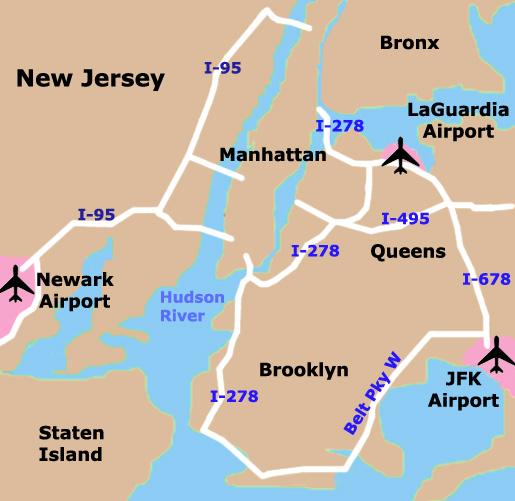
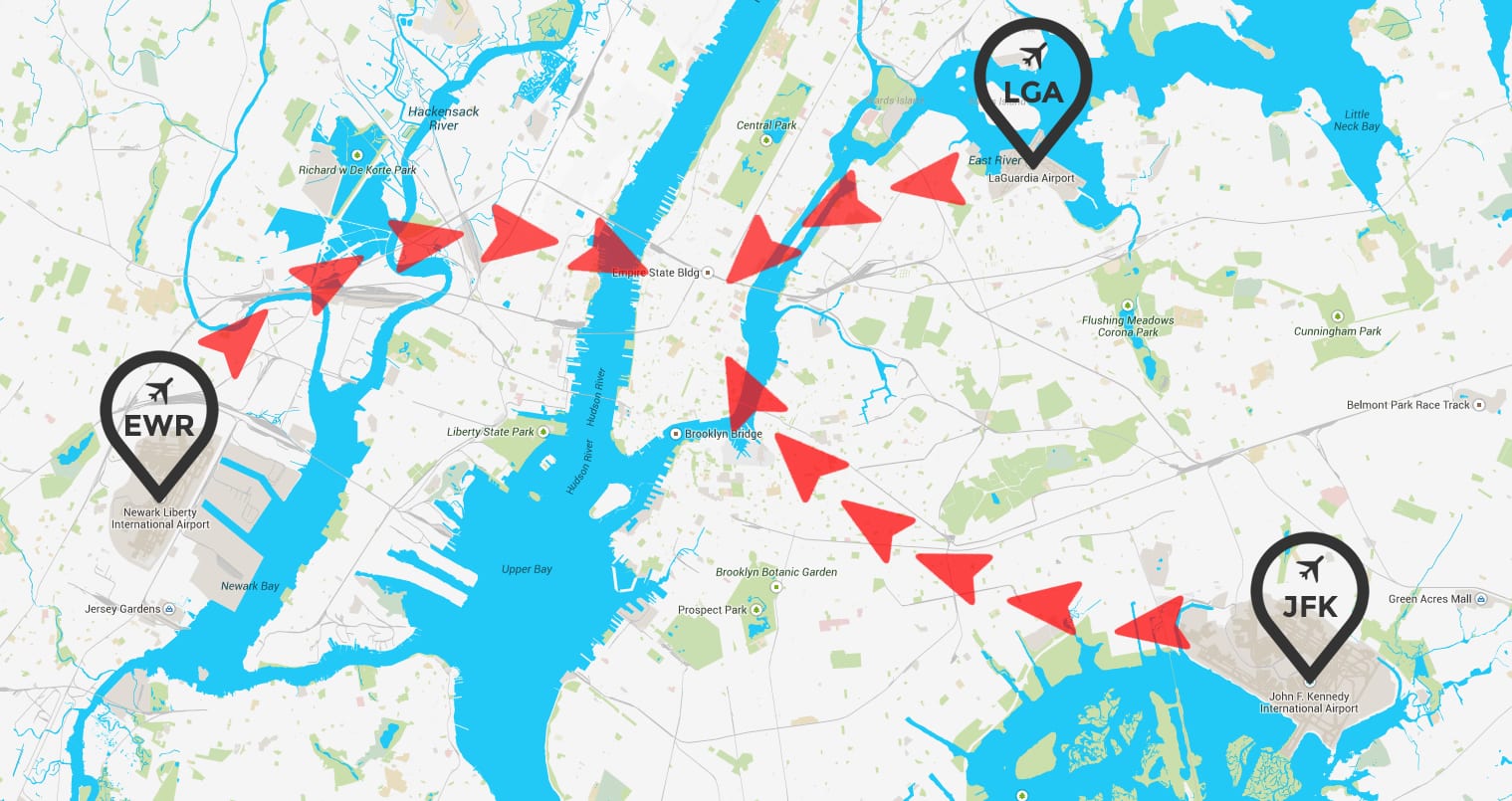
When most people think of flying into New York, three names immediately come to mind: John F. Kennedy International Airport (JFK), LaGuardia Airport (LGA), and Newark Liberty International Airport (EWR). These three titans form the backbone of air travel for the New York metropolitan area, collectively handling tens of millions of passengers annually. Understanding their distinct characteristics is the first step in planning your New York adventure.
John F. Kennedy International Airport (JFK): The Global Connector
John F. Kennedy International Airport, commonly known as JFK, stands as New York‘s premier international gateway. Located in Queens, JFK is a colossal complex, buzzing with activity from dawn till dusk and beyond. It is a hub for numerous international airlines, connecting New York to virtually every corner of the globe. For travelers arriving from overseas or embarking on international adventures, JFK is often the most convenient and comprehensive option.
JFK is renowned for its extensive network of terminals, each dedicated to specific airlines or alliances. This vastness, while a testament to its global reach, can sometimes mean longer transit times within the airport. However, significant investments have been made to improve passenger experience, with modern terminals offering a wide array of dining, shopping, and lounge facilities. For those looking to experience luxury travel, JFK offers premium lounges that provide a tranquil escape from the bustling terminals, complete with gourmet food, premium beverages, and comfortable seating.
Beyond its role as a primary international arrival point, JFK is also a crucial hub for domestic travel, particularly for long-haul flights connecting New York to other major United States cities. The AirTrain JFK system is an indispensable asset, providing efficient and frequent shuttle service connecting all airport terminals to each other and to the Long Island Rail Road (LIRR) and the New York City Subway system. This allows for relatively seamless transfers into Manhattan and other boroughs, minimizing the need for expensive taxi or rideshare services. For travelers keen on exploring Manhattan’s iconic landmarks like the Empire State Building or experiencing the vibrant energy of Times Square, connecting to public transportation at JFK is a practical and budget-friendly choice.
LaGuardia Airport (LGA): The Domestic and Regional Specialist
LaGuardia Airport, also situated in Queens, is primarily a domestic airport, focusing heavily on flights to and from cities within the United States. While it handles fewer international arrivals than JFK, LGA is a vital artery for business travelers and those visiting New York for shorter trips or from within the country. Its proximity to Manhattan is often a significant draw for passengers prioritizing speed and convenience for domestic travel.
LGA has undergone substantial renovations in recent years, aiming to modernize its facilities and enhance the passenger experience. These upgrades have introduced contemporary terminals with improved amenities, including more dining options and retail outlets. For business travelers, the efficiency of LGA can be particularly appealing, allowing for quicker deplaning and easier access to the city, especially for meetings in areas like Midtown Manhattan.
However, LGA‘s geographical location and its focus on domestic flights mean it has a more limited international reach compared to JFK. Transfers from LGA to Manhattan are typically facilitated by bus services that connect to the New York City Subway system. While generally efficient, these routes can sometimes be subject to traffic delays, especially during peak hours. Despite this, LGA remains a crucial airport for accessing New York, particularly for those flying from other United States hubs and seeking a more direct route into the city. Exploring destinations like Central Park or the cultural institutions along Museum Mile can be easily facilitated by a swift transfer from LGA.
Newark Liberty International Airport (EWR): A Tri-State Hub
While technically located in Newark, New Jersey, Newark Liberty International Airport (EWR) is an integral part of the New York metropolitan area’s aviation infrastructure and is often considered one of the primary airports serving New York City. EWR serves a significant volume of both international and domestic flights, making it a comprehensive option for a wide range of travelers.
EWR boasts its own AirTrain system, which connects passengers to the NJ Transit commuter rail line. This rail link provides a direct and often swift connection to New York Penn Station in Midtown Manhattan, making it a highly convenient option for those heading to the west side of Manhattan or looking to bypass road traffic. For travelers interested in exploring attractions like Madison Square Garden or the High Line, the EWR AirTrain and NJ Transit combination offers an efficient transfer.
Similar to JFK, EWR is a major hub for many international carriers, facilitating global travel. It also handles a substantial number of domestic routes, serving as a competitor and alternative to JFK and LGA. The choice between JFK, LGA, and EWR can often come down to specific flight availability, pricing, airline preference, and the ultimate destination within the vast New York metropolitan area. For visitors planning to explore the vibrant arts scene in Brooklyn or the historical sites of Lower Manhattan, understanding the most efficient transfer from each airport is key.

Beyond the Big Three: Smaller Airports and Regional Flights
While JFK, LGA, and EWR handle the lion’s share of air traffic, the New York region is also served by several smaller airports and heliports that cater to specific needs, often for regional travel, private aviation, or specialized transport.
Republic Airport and Long Island MacArthur Airport: Serving Long Island
For those whose primary destination is Long Island, Republic Airport (FRG) and Long Island MacArthur Airport (ISP) offer more localized options. Republic Airport is a general aviation airport, primarily serving private planes, charter flights, and flight training. While not a commercial passenger airport in the traditional sense, it’s an important aviation facility within New York.
Long Island MacArthur Airport, located in Islip, New York, is a commercial airport that serves the eastern portion of Long Island. It offers a more relaxed and convenient alternative for travelers whose final destination is on Long Island, allowing them to bypass the congestion of the larger metropolitan airports. ISP typically serves domestic routes with airlines offering flights to a selection of United States cities. For visitors planning to explore the picturesque beaches of The Hamptons or the historic towns of Long Island, MacArthur Airport can be a strategically advantageous choice.
Westchester County Airport (HPN): Gateway to the Northern Suburbs
Westchester County Airport (HPN), located north of New York City in White Plains, New York, serves the affluent northern suburbs of the metropolitan area. HPN primarily handles domestic flights and is a popular choice for residents of Westchester County, Connecticut, and northern New Jersey who wish to avoid driving into the city. It offers a more boutique airport experience compared to the major hubs, often with shorter queues and a more personalized feel. For travelers with accommodations or business interests in areas like Greenwich, Connecticut, or White Plains itself, HPN provides a convenient entry point.
Downtown Manhattan Heliport: Aerial Transit and Unique Experiences
While not an airport in the conventional sense, the Downtown Manhattan Heliport offers a unique form of aerial transit within the New York area. Primarily used for helicopter charters, executive travel, and scenic tours, it provides breathtaking aerial views of the Manhattan skyline, the Statue of Liberty, and Brooklyn Bridge. For those seeking a luxurious and time-efficient way to travel between airports, or for a truly unforgettable tourist experience, the heliport offers an unparalleled perspective on the city. It’s an option for the discerning traveler looking for speed, exclusivity, and a spectacular introduction to New York‘s iconic landmarks.
Choosing the Right Airport for Your New York Journey
The decision of which New York airport to fly into depends on a multitude of factors, ranging from your origin and final destination within the metropolitan area to your budget and preferred travel style.
For international travelers arriving from afar, John F. Kennedy International Airport (JFK) is usually the most logical choice, offering the widest array of international carriers and direct flights. Its extensive public transportation links, especially the AirTrain JFK to the subway and LIRR, make it feasible to reach various parts of the city, including the vibrant nightlife of Greenwich Village or the cultural hub of Lincoln Center.
If your travel is primarily domestic and you prioritize proximity to Manhattan, LaGuardia Airport (LGA) often presents the most direct route. Its recent renovations have improved the passenger experience, and while public transport connections are primarily via bus to the subway, they are generally efficient for reaching destinations like the Metropolitan Museum of Art or the theaters of Broadway.
Newark Liberty International Airport (EWR) offers a strong balance for both international and domestic travel, with its excellent AirTrain and NJ Transit connection to New York Penn Station being a significant advantage for reaching many parts of Manhattan. It’s a solid all-rounder, often with competitive pricing and a broad selection of flights.
For those heading directly to Long Island, Long Island MacArthur Airport (ISP) can significantly reduce travel time and hassle. Similarly, Westchester County Airport (HPN) is ideal for those with plans in the northern suburbs.
Ultimately, a careful comparison of flight options, including airline, departure and arrival times, layovers, and of course, cost, is essential. Once you’ve selected your ideal flight, researching the most efficient and cost-effective transfer from your chosen airport to your final destination will ensure your New York experience begins on a positive and stress-free note. Whether you’re embarking on a luxury urban escape, a budget-friendly exploration, or a family adventure, understanding New York‘s airport landscape is your first step towards unlocking the extraordinary experiences this global city has to offer.