
Hawaii, a remote archipelago born of volcanic fire, boasts a biodiversity unlike any other place on Earth. Isolated for millions of years, its islands have fostered the evolution of unique flora and fauna, many of which are found nowhere else. The question of “What animals are native to Hawaii?” delves into a fascinating world of endemic species that have adapted to this isolated paradise. From the skies to the ocean depths, these creatures are an integral part of the Hawaiian Islands’ natural heritage, shaping its landscapes and contributing to its allure for travelers and nature enthusiasts alike.
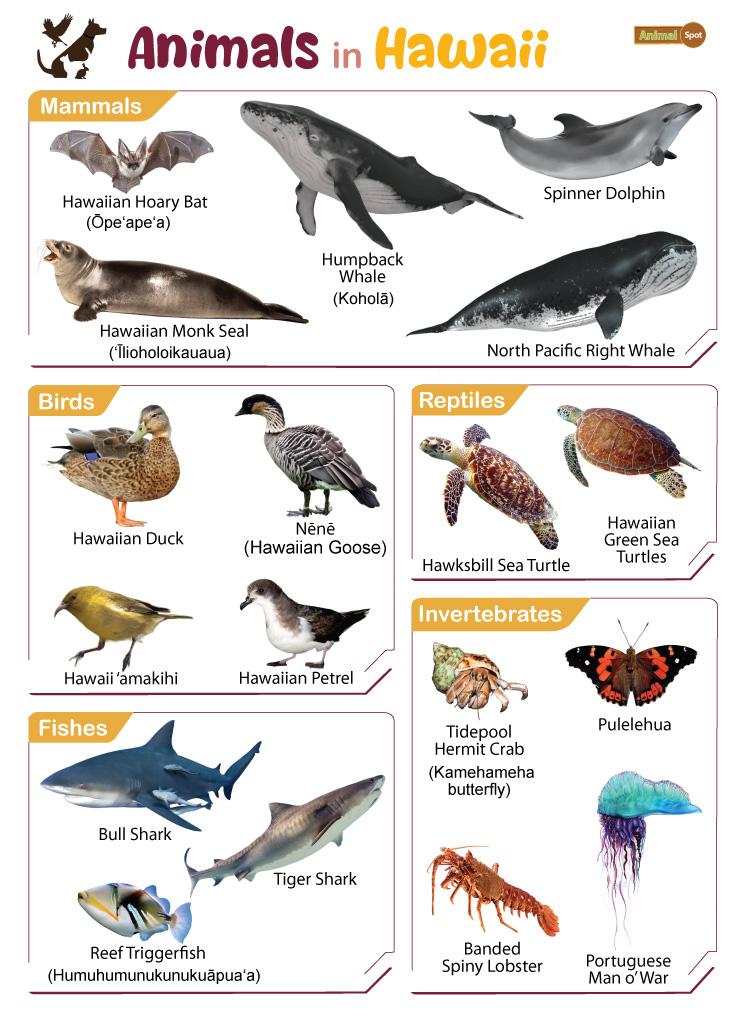
The very isolation of Hawaii, situated thousands of miles from the nearest continent, is the primary reason for its extraordinary endemic life. When landmasses are separated by vast stretches of ocean, any organisms that manage to colonize them are forced to adapt and diversify independently. For Hawaii, this process has resulted in a biological treasure trove, making the study of its native animals a captivating journey into evolution. Understanding these species is not just an academic pursuit; it’s crucial for conservation efforts aimed at protecting Hawaii’s fragile ecosystems, ensuring that these unique inhabitants continue to thrive for generations to come.
When planning a trip to Hawaii, whether it’s a luxurious stay at a renowned resort or a budget-friendly exploration of its natural wonders, appreciating the native wildlife adds a profound layer to the experience. From the iconic Waikiki beach to the lush rainforests of the Na Pali Coast, the presence of these animals is a constant reminder of the islands’ remarkable evolutionary history. This exploration will guide you through the fascinating array of native Hawaiian animals, shedding light on their origins, characteristics, and the challenges they face in the modern world.
The Avian Jewels of Hawaii: Birds of Paradise and More
Hawaii’s birdlife is perhaps its most celebrated native animal group, a testament to the power of isolation and adaptive radiation. Due to the islands’ remoteness, birds were among the first animals to colonize them, and over time, they evolved into a dazzling array of species, many of which are now globally renowned for their beauty and unique adaptations.
The Honeycreepers: A Spectrum of Color and Form
Among the most iconic native birds are the Hawaiian honeycreepers, a diverse family (Drepanidinae) that exemplifies evolutionary divergence. Originally descended from a single ancestral finch-like bird that arrived on the islands, they have diversified into over 50 species, each with specialized beaks and feeding habits adapted to exploit different food sources.
-
‘I’iwi (Vestiaria coccinea): This striking bird, with its vibrant scarlet plumage, long curved beak, and black wings, is instantly recognizable. The ‘i’iwi’s beak is perfectly suited for sipping nectar from the tubular flowers of the ʻōhiʻa lehua tree. Historically, they were so abundant that their feathers were used by Hawaiian royalty for cloaks and headdresses, a practice that highlights their cultural significance. Sadly, their populations have declined dramatically due to habitat loss and introduced diseases, making them a symbol of conservation concern.
-
Palila (Loxioides bailleui): Found primarily on the upper slopes of Mauna Kea, the palila is a beautiful finch-like bird with a greenish-yellow body and a stout, conical beak. Their diet consists mainly of the seeds of the māmane tree, a relationship that underscores the delicate balance of Hawaii’s ecosystems. The palila is critically endangered, with conservation efforts focused on protecting its dwindling habitat and controlling invasive predators.
-
Apapane (Himatione sanguinolenta): A small, active bird with brilliant red plumage and black wings, the apapane is often seen flitting among the trees. They are important pollinators, especially of native lobeliads. Their cheerful chirps are a familiar sound in many of Hawaii’s native forests.
The story of the honeycreepers is a poignant reminder of how quickly species can evolve in isolation and how vulnerable they are to external threats. Introduced diseases, such as avian malaria and avian pox, carried by mosquitoes, have decimated many honeycreeper populations, particularly those at lower elevations. Habitat destruction due to agriculture, development, and the introduction of invasive plants further exacerbates their plight.
Other Native Avian Wonders
Beyond the honeycreepers, Hawaii is home to other remarkable native birds, each with its own unique ecological niche.
-
Nēnē (Branta sandvicensis): Also known as the Hawaiian goose, the nēnē is the official state bird of Hawaii. Evolved from Canada geese that became isolated on the islands, they have adapted to a terrestrial lifestyle, with less webbed feet than their mainland cousins. They are typically found in lava fields and coastal scrub. The nēnē was once on the brink of extinction but has seen a remarkable recovery thanks to dedicated conservation programs, making it a success story in wildlife management. Observing a nēnē on the Island of Hawaii or Maui is a special treat.
-
Hawaiian Hawk (ʻIo) (Buteo solitarius): The only native hawk species in Hawaii, the ʻio is a majestic bird of prey found in the forests of the Island of Hawaii. These powerful hunters are an important part of the island’s ecosystem, preying on small mammals and other birds. Their presence is an indicator of healthy forest environments.
-
Koaʻe Kea (Phaethon lepturus) and Koaʻe ʻula (Phaethon rubricauda): These are the two species of tropicbirds, graceful seabirds with long, elegant tail streamers. They are often seen soaring over coastal cliffs and the ocean, nesting on remote islands and precipices. Their distinctive calls and aerial acrobatics add to the wild beauty of Hawaii’s coastlines.
Marine Marvels: Creatures of the Hawaiian Seas
The waters surrounding the Hawaiian Islands teem with life, offering a spectacular display of marine biodiversity. From playful dolphins to ancient sea turtles, the ocean is as vital to Hawaii’s native fauna as its landmasses.
The Iconic ‘Honu’: Hawaiian Green Sea Turtle
The Hawaiian green sea turtle, or ʻhonu (Chelonia mydas), is an iconic symbol of Hawaii and a beloved resident of its waters. These gentle giants can be found grazing on seagrass in shallow bays and near coral reefs throughout the islands. They are ancient mariners, having navigated the Pacific for millennia.
-
Life Cycle and Behavior: ‘Honu’ undertake remarkable migrations to reach their nesting beaches, often traveling great distances. Females return to the general areas where they themselves hatched to lay their eggs, burying them in the warm sand. Once hatched, the young turtles make a perilous journey to the sea, where they spend years in the open ocean before returning to coastal waters.
-
Conservation Status: While ‘honu’ are a common sight for snorkelers and divers at popular spots like Lāhainā or along the coast of the Island of Hawaii, they are considered a threatened species. Protecting their nesting beaches, reducing pollution, and preventing boat strikes are crucial for their survival. Tourists are often reminded to observe these magnificent creatures from a respectful distance, allowing them to feed and bask without disturbance.
Dolphins, Whales, and Rays: A Symphony of Ocean Life
The nutrient-rich waters around Hawaii are a haven for a variety of marine mammals and other fascinating creatures.
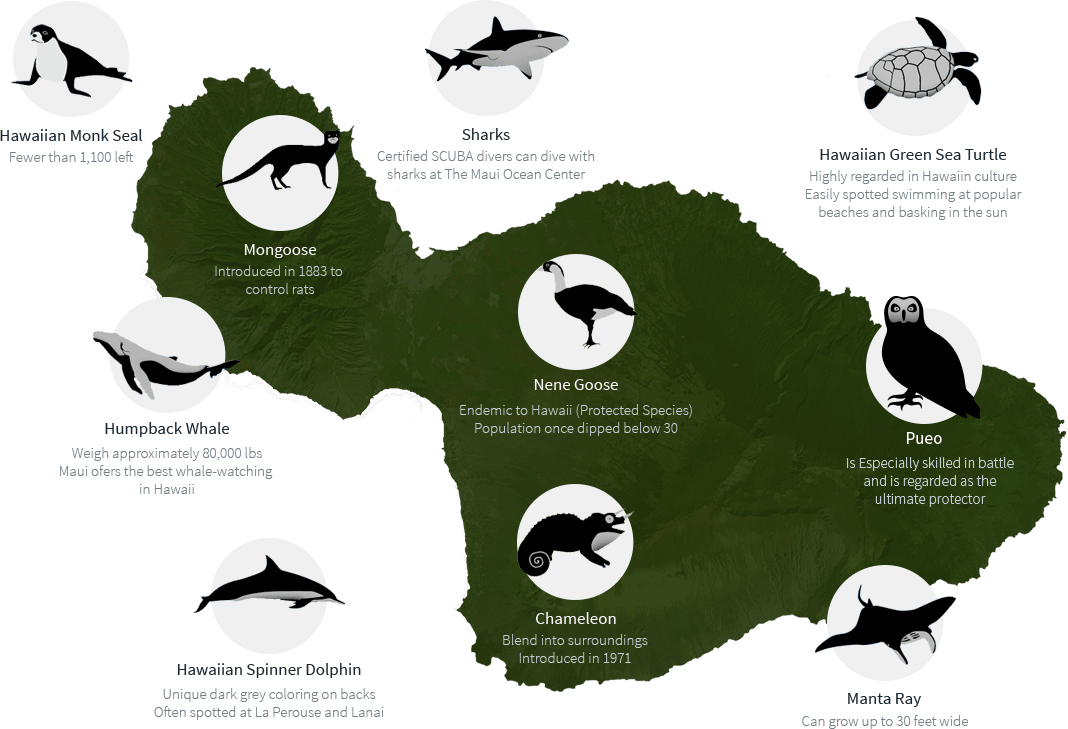
- Spinner Dolphins (Naia) (Stenella longirostris): Known for their spectacular acrobatic displays, spinner dolphins are a common sight in Hawaii’s bays. They come to sheltered areas during the day to rest and socialize, often performing leaps and spins before heading offshore at night to feed. Observing them in their natural habitat is a highlight for many visitors.
-
Humpback Whales (Kohola) (Megaptera novaeangliae): From November to May, the warm waters of Hawaii become a critical breeding and calving ground for humpback whales. These magnificent marine mammals migrate from Alaska to escape the colder waters and engage in complex mating rituals and to give birth. Whale watching tours are a popular activity, offering a chance to witness these gentle giants breaching, tail-slapping, and singing their intricate songs. The waters off Maui are particularly famous for humpback whale sightings.
-
Manta Rays (Hahalua): The majestic manta ray, with its broad, wing-like fins, is another incredible marine animal that graces Hawaiian waters. Along the Kona Coast of the Island of Hawaii, a world-famous manta ray night snorkel and dive experience allows visitors to witness these gentle filter feeders gracefully gliding through the water, attracted by plankton illuminated by underwater lights.
-
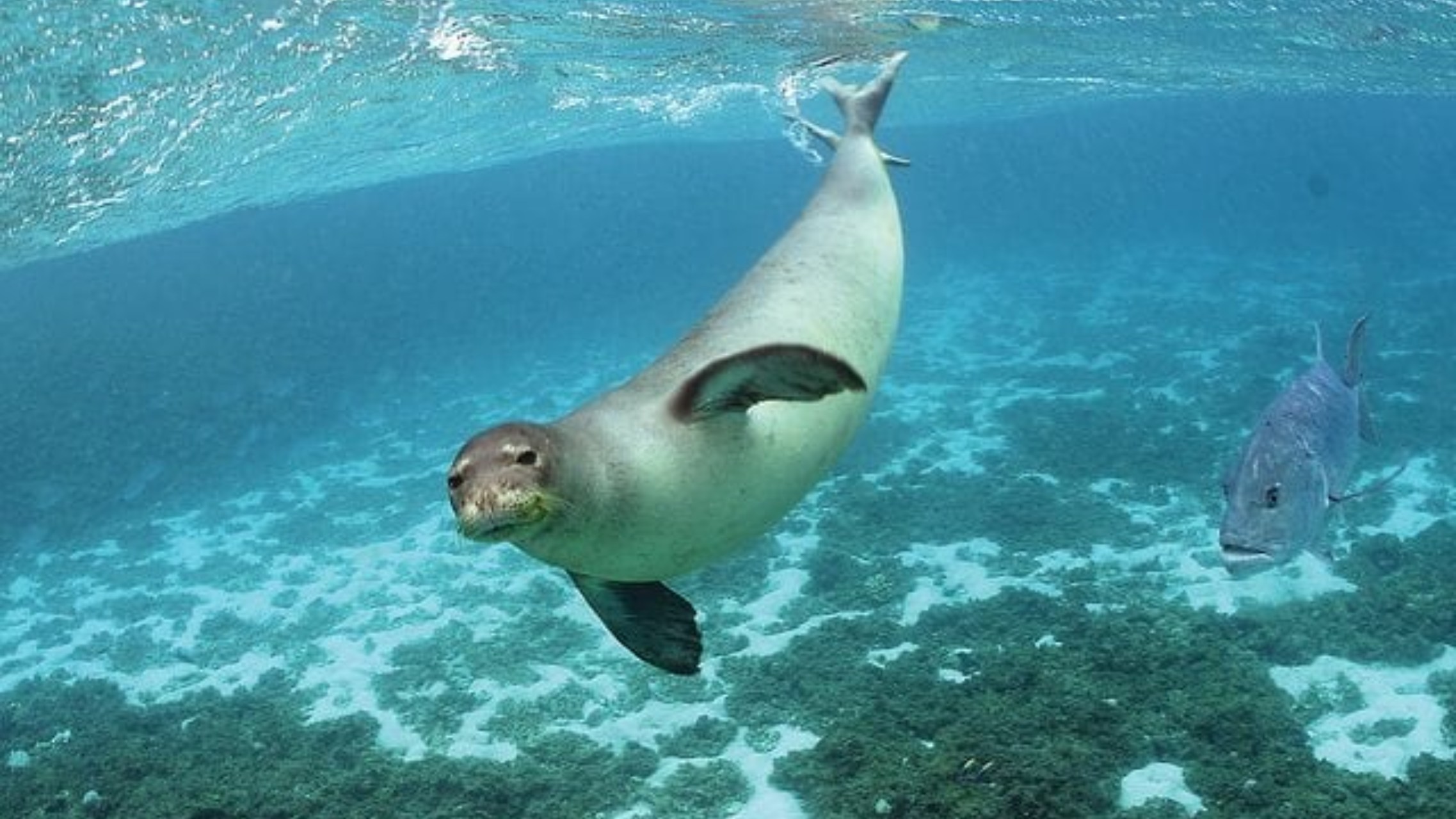
Monk Seals (ʻIlio-holo-i-ka-uaua): The Hawaiian monk seal is one of the most endangered marine mammals in the world, with a population estimated at only around 1,400 individuals. These seals are endemic to the Hawaiian Islands and are often seen resting on beaches. They are shy and should not be approached. Conservation efforts are vital to ensure the survival of this unique pinniped.
Terrestrial Treasures: Land Animals of Hawaii
While the avian and marine life often steal the spotlight, Hawaii also hosts a fascinating array of native land animals, though their numbers are more limited compared to bird and marine species.
The Endemic Insects and Invertebrates
Hawaii’s isolation has also led to the evolution of numerous endemic insect and invertebrate species. These creatures, though often overlooked, play crucial roles in pollination, decomposition, and the food web.
-
Hawaiian Happy Face Spider (Theridion grallator): This tiny spider, named for the distinctive facial pattern on its abdomen, is a perfect example of Hawaii’s unique invertebrate life. While many spiders are found globally, this particular pattern is specific to the Hawaiian Islands, showcasing localized evolution.
-
Native Bees and Butterflies: Various species of native bees and butterflies contribute to the pollination of Hawaii’s endemic plants. Their survival is closely tied to the health of native plant communities.
Reptiles and Amphibians: A Limited Native Presence
Compared to many tropical regions, Hawaii has a surprisingly small number of native terrestrial reptiles and amphibians. The vast ocean barrier has made it difficult for these animals to colonize the islands.
-
Native Geckos: While many geckos found in Hawaii are introduced species, there are a few native species, such as the Kauaʻi tree gecko (Lepidodactylus lugubris), which are thought to be indigenous. These small lizards are often seen darting across walls and vegetation in gardens and forests.
-
Introduced Species and Their Impact: It’s important to note that Hawaii has a significant number of introduced reptiles and amphibians, such as the Cane Toad and various gecko species, which can sometimes outcompete or prey on native fauna.
Conservation: Protecting Hawaii’s Unique Wildlife
The story of native Hawaiian animals is intrinsically linked to conservation. The very factors that led to their unique evolution – isolation and limited competition – also make them incredibly vulnerable to introduced species and habitat alteration.
Threats to Native Wildlife
-
Habitat Loss and Degradation: As human populations grow and land is developed for agriculture, tourism, and infrastructure, native habitats are reduced and fragmented. Invasive plants can also overtake native vegetation, altering the ecosystem.
-
Introduced Predators: Non-native predators like mongooses, rats, cats, and dogs pose a significant threat to ground-nesting birds and other vulnerable native animals.
-
Introduced Diseases: As mentioned earlier, avian diseases have had a catastrophic impact on native bird populations.
-
Climate Change: Shifting weather patterns and rising sea levels can impact breeding grounds, food availability, and the overall health of ecosystems.
Efforts to Preserve Biodiversity
Numerous organizations and government agencies are dedicated to protecting Hawaii’s native animals. These efforts include:
-
Habitat Restoration: Replanting native vegetation and controlling invasive species to restore natural ecosystems.
-
Captive Breeding Programs: Breeding endangered species in controlled environments before reintroducing them into protected areas.
-
Predator Control: Implementing strategies to reduce populations of introduced predators in critical habitats.
-
Public Education and Awareness: Informing residents and visitors about the importance of native wildlife and how to minimize their impact.
When visiting Hawaii, from exploring the vibrant marine life off the coast of Oʻahu to hiking through the lush trails of Kauai, it’s essential to be a responsible tourist. Adhering to guidelines for wildlife viewing, avoiding the introduction of invasive species, and supporting local conservation initiatives all contribute to the preservation of these irreplaceable natural treasures. The animals native to Hawaii are a living legacy, and their future depends on our collective commitment to their protection.