
Alaska, often hailed as the “Last Frontier,” is a land of unparalleled wild beauty, dramatic landscapes, and a vibrant tapestry of life. Its vast, untamed wilderness — encompassing towering mountains, ancient glaciers, dense forests, and an extensive coastline — provides sanctuary for an incredible array of animals, many of which are iconic symbols of the American wilderness. For travelers seeking an immersive encounter with nature, Alaska offers a unique opportunity to witness creatures in their natural habitats, from the smallest migratory birds to the largest land mammals on the continent. This guide delves into the diverse animal kingdom that thrives in Alaska, offering insights for tourists planning their unforgettable wildlife adventure.

The allure of Alaska for many visitors lies in its untouched natural environment, where wildlife roams freely and respectfully. Whether you dream of spotting a grizzly bear fishing for salmon, witnessing the majestic migration of caribou, or observing whales breach in icy waters, Alaska promises an experience unlike any other. Understanding the local fauna not only enriches your visit but also helps in planning the best itineraries, selecting prime viewing locations, and choosing accommodations that align with a nature-focused travel lifestyle. From luxury wilderness lodges offering exclusive wildlife tours to more budget-friendly camping options in national parks, the opportunities to connect with Alaska’s wildlife are as diverse as the animals themselves.
Iconic Mammals of the Alaskan Wilderness
The terrestrial ecosystems of Alaska are teeming with an incredible variety of mammals, many of which are large and awe-inspiring, embodying the rugged spirit of the region. Observing these creatures in their natural environment is a highlight for many travelers, requiring careful planning and often the expertise of local guides.
Majestic Bears: Grizzlies, Black Bears, and Polar Bears
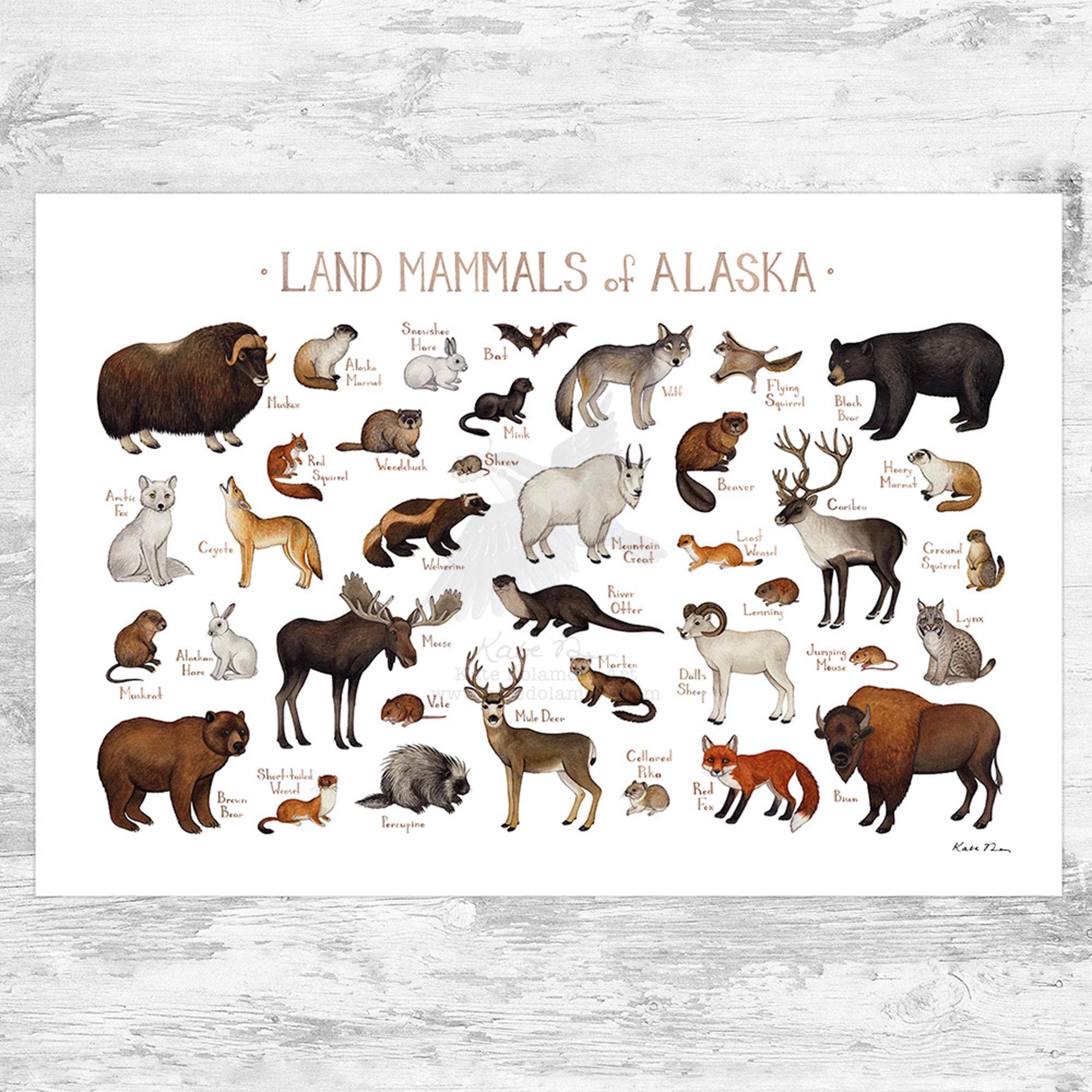
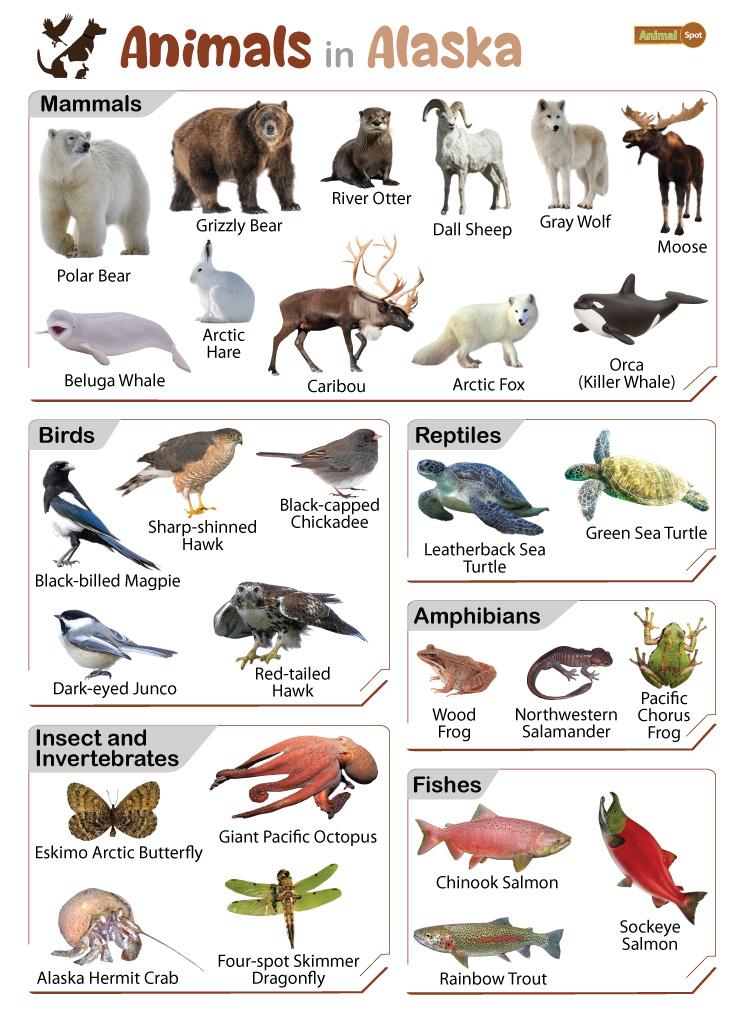
Alaska is home to three distinct species of bears, each perfectly adapted to its unique niche within the state’s diverse environments.
Brown Bears (Grizzly Bears): Perhaps the most iconic symbol of Alaska’s wilderness, brown bears (often referred to as grizzly bears when found inland) are formidable creatures. They are omnivores with a diet that varies seasonally, ranging from berries and roots to salmon, which they skillfully catch during the annual salmon runs. Prime locations for brown bear viewing include Kodiak Island, home to the world’s largest brown bears, the Kodiak bear, and coastal areas such as Katmai National Park and Preserve’s Brooks Falls, where bears gather in incredible numbers to fish. Visitors typically access these remote locations via floatplane charters or guided boat tours. Accommodation options range from rustic cabins within the park to more comfortable lodges just outside its boundaries, like the Katmai Wilderness Lodge.
Black Bears: Smaller and generally more elusive than their brown bear cousins, black bears are widespread throughout Alaska’s forests, particularly in the southcentral and southeastern regions. They are adept climbers and prefer forested habitats, making them a common sight along roadsides in areas like Chugach State Park near Anchorage or in the temperate rainforests around Juneau. While typically shy, it’s crucial for visitors to practice bear safety, store food properly, and maintain a safe distance. Many tour operators in Southeast Alaska offer excursions focused on black bear viewing, often combined with other wildlife experiences.
Polar Bears: The undisputed kings of the Arctic, polar bears inhabit the northernmost reaches of Alaska, particularly along the Arctic Ocean coast. These magnificent predators are uniquely adapted to life on sea ice, hunting seals. Due to their remote habitat and conservation concerns, observing polar bears is a rarer and more specialized endeavor, often requiring multi-day expeditions to places like Kaktovik or Utqiaġvik (formerly Barrow). Such trips are often organized by specialized Arctic tour companies, emphasizing minimal impact and conservation. Accommodation in these areas is typically basic but functional, focusing on providing a base for the expedition rather than luxury.
Agile Ungulates: Moose, Caribou, and Dall Sheep
Alaska’s vast landscapes are also home to several species of hoofed mammals that showcase remarkable adaptations to the cold and rugged terrain.
Moose: The largest members of the deer family, Alaskan moose are easily recognizable by their impressive antlers (males) and long legs. They are found throughout much of the state, often browsing on willows and other vegetation in forested areas, wetlands, and even within the city limits of Anchorage and Fairbanks. Spotting a moose can be a common occurrence on drives along scenic routes like the Parks Highway or while exploring Denali National Park and Preserve. For visitors, staying in a hotel like the Anchorage Grand Hotel can still offer proximity to greenbelts where moose are sometimes seen, providing a unique urban wildlife experience.
Caribou: Known for their epic migrations, caribou are a quintessential symbol of the Alaskan tundra. These hardy reindeer travel thousands of miles across the state’s interior and Arctic regions in large herds, a truly spectacular natural phenomenon. Key areas for viewing caribou include Denali National Park and Preserve, the Arctic National Wildlife Refuge, and the vast expanse of the Brooks Range. Witnessing the migration requires careful timing and often participation in guided backcountry tours or flightseeing trips.
Dall Sheep: These stunning white wild sheep are masters of mountain terrain, inhabiting the rugged, rocky slopes of the Alaska Range, Chugach Mountains, and Brooks Range. Their brilliant white coats stand out against the dark rock, making them relatively easy to spot with binoculars from a distance. The Chugach National Forest and areas along the Seward Highway (particularly between Anchorage and Seward) are excellent places for Dall sheep viewing, often seen clinging to steep cliffs. Many tour companies offer guided hikes or scenic drives that maximize opportunities to see these agile climbers.
Predators of the North: Wolves and Lynx
While more elusive, predators like wolves and lynx play vital roles in maintaining the delicate balance of Alaska’s ecosystems.
Wolves: Alaskan wolves, majestic and intelligent pack hunters, are present throughout most of the state’s wild areas. Spotting a wolf in the wild is a rare and deeply rewarding experience, often requiring patience and luck. Denali National Park and Preserve is one of the best places for wolf viewing, particularly from the park’s bus tours, which travel deep into the wilderness. Respecting their space and minimizing disturbance is paramount for sustainable tourism.
Lynx: The elusive lynx, with its distinctive tufted ears and large paws, is a specialized hunter of snowshoe hares and other small prey. They are primarily found in Alaska’s boreal forests. Their solitary and nocturnal nature makes them exceptionally difficult to spot, even for experienced wildlife trackers. While not a primary target for most tourists, the possibility of an unexpected lynx sighting adds to the mystique of Alaska’s wilderness.
Marine Marvels: Aquatic Life in Alaskan Waters
Alaska’s extensive coastline, bordering the Pacific Ocean, Bering Sea, and Arctic Ocean, supports an incredibly rich marine ecosystem. Whale watching and marine wildlife tours are among the most popular tourist activities, drawing visitors from around the globe.
Giants of the Deep: Whales and Orcas
The nutrient-rich waters of Alaska are a summer feeding ground for several species of whales, offering breathtaking opportunities for observation.
Humpback Whales: Famous for their acrobatic breaches and haunting songs, humpback whales are a common sight in the coastal waters of Southeast Alaska and the Gulf of Alaska. Juneau, Ketchikan, and Seward are major hubs for whale watching tours, especially from May through September. Many tour operators guarantee sightings during peak season, providing a high likelihood of witnessing these gentle giants.
Orcas (Killer Whales): The powerful and intelligent orca, often mislabeled as a “killer whale,” is actually the largest member of the dolphin family. They are frequently seen in the waters of Prince William Sound, Kenai Fjords National Park, and Resurrection Bay near Seward. Orcas hunt in pods, and observing their synchronized movements and hunting strategies is a truly unforgettable experience. Boat tours from Seward or Whittier are excellent for encountering these magnificent marine predators. Accommodation in Seward, such as the Harbor 360 Hotel, provides easy access to these marine excursions.
Gray Whales and Beluga Whales: While less common to spot on typical tourist routes, gray whales migrate along the Alaskan coast, particularly in the Bering Sea, and beluga whales are notable residents of Cook Inlet near Anchorage. Specialized tours exist for beluga viewing, offering a glimpse into this unique white whale population.
Playful Pinnipeds: Seals, Sea Lions, and Otters
Alaska’s coastal waters and rocky shores are home to a thriving population of pinnipeds and playful sea otters.
Seals and Sea Lions: Harbor seals, Steller sea lions, and Northern fur seals are commonly sighted along the coast, often basking on rocky outcrops or frolicking in the water. Kenai Fjords National Park and Prince William Sound are prime locations to see large colonies of these animals. Their raucous calls and comical interactions are a delightful part of any marine tour.
Sea Otters: These charming and intelligent marine mammals are a favorite among visitors. Known for holding hands while they sleep to avoid drifting apart, sea otters are incredibly playful and adept at using tools to crack open shellfish. They can be found in abundance in areas like Prince William Sound, Resurrection Bay, and around Homer. Kayaking tours in protected bays offer an intimate way to observe them up close.
Avian Wonders: Birds of the Last Frontier
Alaska is a birder’s paradise, hosting over 400 species of birds, many of which are migratory and arrive in massive numbers during the spring and summer months to breed.
Raptors and Waterfowl: Eagles, Puffins, and More
From majestic raptors to colorful seabirds, Alaska’s skies and waters are alive with avian activity.
Bald Eagles: The national bird of the United States, the bald eagle, thrives in Alaska, which boasts the largest population in the country. These magnificent birds are ubiquitous along the coast, particularly in Southeast Alaska. Haines is famous for its Alaska Chilkat Bald Eagle Preserve, where thousands of eagles gather in the fall to feed on salmon. Spotting them perched on spruce trees or soaring overhead is an almost guaranteed highlight of any Alaskan trip.
Puffins: Known as the “clowns of the sea,” puffins with their distinctive colorful beaks are a delight to behold. Both Horned Puffins and Tufted Puffins nest on remote cliffs and islands along Alaska’s coast. Boat tours to seabird colonies, such as those in Kenai Fjords National Park or near Valdez, offer fantastic opportunities to see these charming birds diving for fish.
Migratory Waterfowl and Shorebirds: Alaska’s wetlands, deltas, and coastal plains are critical breeding grounds for millions of migratory birds. Sandhill cranes, various species of ducks and geese, and a multitude of shorebirds like plovers and sandpipers flock to Alaska each spring. The Copper River Delta and the Yukon-Kuskokwim Delta are globally significant birding areas. Even within cities like Anchorage, the Potter Marsh Bird Sanctuary offers accessible viewing of various waterfowl.
Experiencing Alaska’s Wildlife: Travel Tips and Tours
To truly appreciate Alaska’s diverse wildlife, thoughtful planning and a commitment to responsible tourism are essential.
Best Places for Wildlife Viewing
Alaska is vast, and different regions offer unique wildlife experiences:
- Denali National Park and Preserve: Renowned for its “big five” (bear, moose, caribou, wolf, and Dall sheep). The park bus system offers the best way to travel deep into the park’s interior for wildlife viewing. Consider staying at the Grande Denali Lodge for comfort and easy access to park entry.
- Kenai Fjords National Park (near Seward): Ideal for marine wildlife, including whales, orcas, seals, sea lions, and puffins. Glacier and wildlife cruises are a must-do here.
- Katmai National Park and Preserve: Unmatched for brown bear viewing, especially at Brooks Falls during salmon runs. Access is typically via floatplane.
- Southeast Alaska (e.g., Juneau, Ketchikan): Excellent for humpback whales, orcas, bald eagles, and black bears. Cruise ship itineraries often include stops here with opportunities for shore excursions.
- Kodiak Island: Home to the massive Kodiak bear. Specialized tours offer bear-viewing experiences.
Guided Tours and Expeditions
For optimal safety, educational value, and successful sightings, guided tours are highly recommended. Local guides possess invaluable knowledge of animal behavior, habitats, and the best viewing practices.
- Bear Viewing Tours: Ranging from floatplane trips to remote lodges to guided hikes in designated areas, these tours ensure a safe and ethical distance from bears.
- Whale Watching Cruises: Offered by numerous operators in coastal towns, these excursions are often led by naturalists who provide commentary on marine life.
- Kayaking and Small Boat Tours: For a more intimate experience with marine wildlife like sea otters and seals, consider guided kayak trips in protected bays.
- Flightseeing Tours: Provides a spectacular aerial perspective of Alaska’s vast wilderness, often spotting large mammals like caribou or moose from above.
Accommodation and Sustainable Tourism
When planning your Alaskan adventure, consider accommodations that support responsible tourism and offer convenient access to wildlife viewing opportunities.
- Wilderness Lodges: For an immersive experience, remote lodges like the Kenai Princess Wilderness Lodge or Trapper Creek Wilderness Lodge often include guided tours and provide a comfortable base in prime wildlife areas.
- Hotels in Gateway Cities: Cities like Anchorage, Fairbanks, and Juneau offer a range of hotels from budget-friendly options to luxury resorts, serving as convenient starting points for day trips and longer expeditions. The Hotel Captain Cook in Anchorage provides excellent amenities and easy access to tour operators.
- Camping and Cabins: For budget travelers or those seeking a more rugged experience, national and state parks offer numerous camping sites and rentable cabins.
Remember to follow all wildlife viewing guidelines: maintain a safe distance, never feed wild animals, pack out what you pack in, and minimize your impact on the environment. Supporting local businesses that prioritize conservation helps ensure that Alaska’s incredible animal kingdom remains vibrant for future generations.
In conclusion, Alaska is a sanctuary for an astonishing array of wildlife, offering travelers a rare glimpse into an ecosystem that remains largely untouched by human development. From the majestic land mammals that roam its vast interior to the diverse marine life that inhabits its extensive coastlines and the countless birds that fill its skies, every corner of the Last Frontier holds the promise of an unforgettable encounter. By choosing responsible travel options and immersing oneself in the breathtaking natural beauty, visitors can truly understand what animals live in Alaska and experience the profound wonder of this unique wilderness. Prepare for an adventure that will forever change your perception of the wild world.
LifeOutOfTheBox is a participant in the Amazon Services LLC Associates Program, an affiliate advertising program designed to provide a means for sites to earn advertising fees by advertising and linking to Amazon.com. Amazon, the Amazon logo, AmazonSupply, and the AmazonSupply logo are trademarks of Amazon.com, Inc. or its affiliates. As an Amazon Associate we earn affiliate commissions from qualifying purchases.