
Hawaii, a chain of islands forged by fire and cradled by the vast Pacific Ocean, is far more than just a tropical paradise of sun-drenched beaches and verdant landscapes. It’s a living laboratory, a biogeographical marvel where isolation has fostered an explosion of unique and extraordinary life. From the depths of the ocean to the soaring peaks of its volcanoes, the Hawaiian Islands are home to an astonishing array of creatures found nowhere else on Earth. Understanding these endemic wonders offers a profound glimpse into the power of evolution and the delicate balance of nature.
This archipelago, a geological infant by Earth’s standards, emerged as volcanic hotspots spewed molten rock, gradually building landmasses that were then colonized by life carried by wind, waves, and wings. The immense distance from any continental landmass meant that only the most intrepid travelers could reach these shores, leading to a distinct evolutionary trajectory for those that arrived. Today, exploring the natural world of Hawaii is an essential part of any visit, whether you’re staying in a luxurious Four Seasons Resort Oahu at Ko Olina or a cozy villa. The abundance of unique flora and fauna provides unparalleled experiences, from observing playful marine life to spotting rare endemic birds.
A Symphony of Terrestrial Wonders: Birds and Insects of Isolation
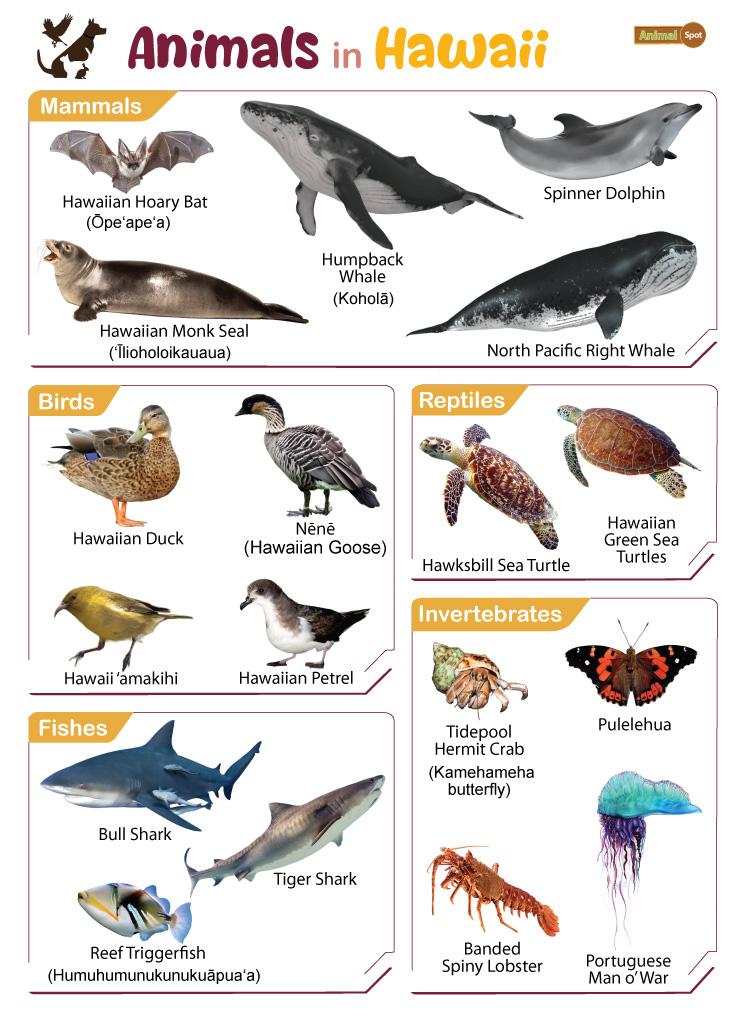
The avian population of Hawaii is particularly renowned for its diversity and vulnerability, a testament to the islands’ isolation. Before human arrival, the skies and forests teemed with birds, many of which have since vanished due to habitat loss and introduced predators. However, conservation efforts have helped preserve some of these remarkable species, allowing visitors to still witness their beauty.
One of the most iconic and critically endangered birds is the Nēnē, or the Hawaiian Goose. This gentle bird, a descendant of the Canada Goose, has adapted to life on the lava fields, developing shorter legs and larger wings for navigating the rocky terrain. Seeing a Nēnē in its natural habitat, perhaps grazing near the volcanic landscapes of Haleakalā National Park on Maui, is a humbling experience. Their story is a poignant reminder of the fragility of endemic species.
Beyond the Nēnē, Hawaii boasts a vibrant collection of forest birds, many belonging to the honeycreeper family. These birds, with their specialized beaks shaped by the nectar of specific Hawaiian flowers, showcase the exquisite details of adaptive radiation. The vibrant ʻIʻiwi, with its scarlet plumage and long, curved bill, is a sight to behold, as is the smaller, more elusive ʻAmakihi. Birdwatchers often frequent areas like the ʻAkaka Falls State Park on the Big Island or the cloud forests of Kauaʻi in hopes of spotting these jewels of the rainforest. The efforts of organizations like the Hawaii Wildlife Center are crucial in protecting these avian treasures.
The insect life, though often overlooked, is equally fascinating. Hawaii is home to numerous endemic insect species, from the colorful Happy Face Spider, named for the distinctive markings on its abdomen, to a variety of unique fruit flies and moths. These creatures, though small, play vital roles in the delicate ecosystem, from pollination to decomposition. Exploring botanical gardens like the Lyon Arboretum on Oʻahu can offer glimpses into the world of these often-unseen inhabitants.
Feathered Jewels of the Rainforest: The Endemic Birdlife
The evolutionary journey of Hawaiian birds is a captivating saga. With no native land mammals to compete with, birds colonized a vast array of ecological niches, leading to the development of specialized feeding habits and physical characteristics. This diversification is most strikingly evident in the honeycreeper family (Drepanidinae). Their beaks, ranging from thin and needle-like for sipping nectar to thick and parrot-like for cracking seeds, are a testament to the power of natural selection.
The ʻIʻiwi, for instance, with its bright red body, black wings, and crimson head, possesses a long, decurved bill perfectly adapted to extracting nectar from the tubular flowers of the ʻōhiʻa lehua tree. This symbiotic relationship is a cornerstone of the Hawaiian rainforest ecosystem. Sadly, the decline of the ʻōhiʻa lehua forests due to the invasive fungal disease Rapid ʻŌhiʻa Death (ROD) poses a significant threat to the ʻIʻiwi and other nectar-feeding birds.
Another fascinating honeycreeper is the Palila, a bird once found in abundance in the dry māmane forests of the Big Island. Its stout, conical bill is designed for cracking māmane seeds, a critical food source. The Palila’s story is one of extreme conservation success, with dedicated efforts helping to pull the species back from the brink of extinction. Visitors to areas like the Mauna Kea summit might be fortunate enough to catch a glimpse of this resilient bird.
The sheer variety of endemic birds extends beyond honeycreepers. The ʻŌmaʻo, a thrush-like bird, is now found only on Molokaʻi and Maui, its melodic song a rare sound in the dwindling native forests. The Kākahiaka, or Hawaiian Akepa, with its peculiar crossed bill, is another critically endangered species found in limited numbers. Observing these birds requires patience and a keen eye, often in the less-traveled, higher-elevation forests that represent some of the last bastions of their habitat.
The Unseen Architects: Hawaii’s Fascinating Insect World
While the vibrant plumage of birds often steals the spotlight, Hawaii‘s insect life is equally remarkable, showcasing unique adaptations born from isolation. The Happy Face Spider, belonging to the Theridion genus, is a prime example. Found on the Hawaiian Islands, these small spiders are celebrated for the distinctive facial patterns that often adorn their abdomens, resembling a cheerful emoticon. Their presence adds a touch of whimsy to the lush undergrowth of the rainforests.
Beyond these charming arachnids, Hawaii is a hotspot for entomological diversity. The islands are home to a significant number of endemic fruit fly species, some of which have been extensively studied for their evolutionary patterns, mirroring the diversification seen in the island’s birds. These tiny creatures, often overlooked, play crucial roles in nutrient cycling and as food sources for other animals.
Moths and butterflies also contribute to the islands’ unique insect fauna. While many species are introduced, a number of native moths have evolved alongside Hawaiian plants, forming intricate ecological relationships. The development of specialized antennae for detecting specific floral scents or the evolution of unique camouflage patterns are just some of the ways these insects have adapted to their island home. Exploring the diverse ecosystems, from the coastal scrublands to the high-altitude alpine deserts, reveals a hidden world of tiny marvels.
The Azure Realm: Marine Life of the Hawaiian Archipelago
The Hawaiian Islands are embraced by the Pacific Ocean, and beneath its shimmering surface lies a world teeming with life, much of it unique to these waters. The warm, clear waters provide a sanctuary for a breathtaking array of marine creatures, making Hawaii a premier destination for snorkeling, diving, and marine wildlife observation. From the majestic to the minuscule, the underwater realm is as captivating as the islands themselves.
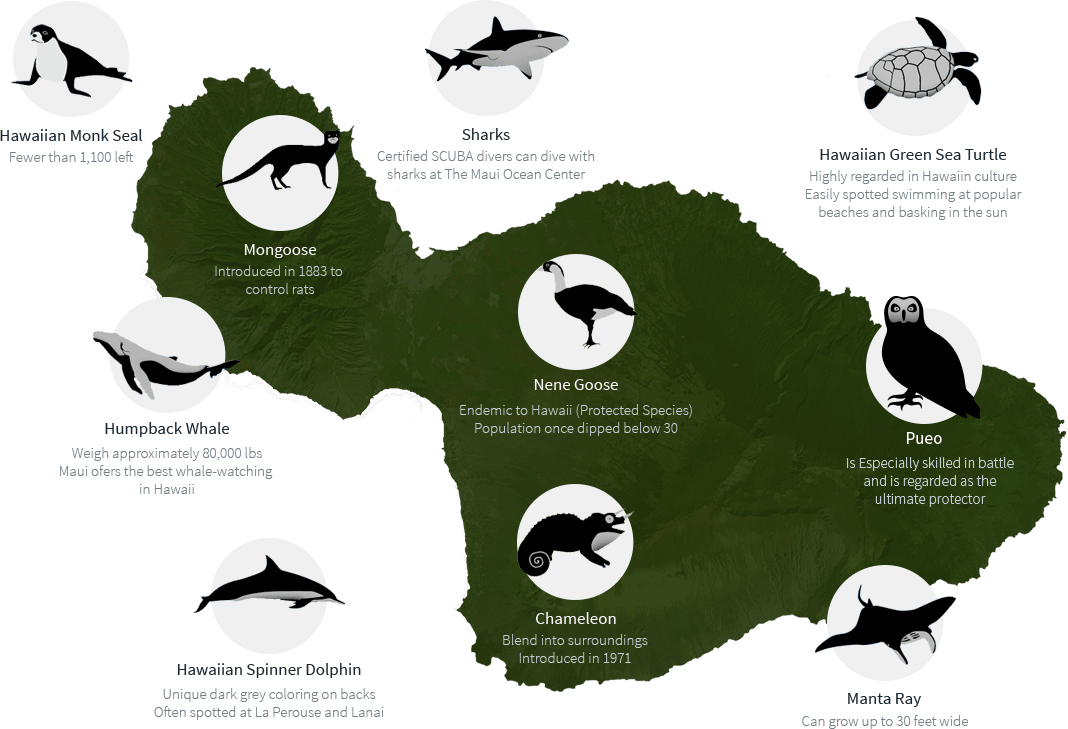
Perhaps the most iconic marine resident is the Hawaiian Green Sea Turtle, or Honu. These gentle giants are a common sight along Hawaiian coastlines, often basking on sandy beaches or gracefully gliding through the turquoise waters. Seeing a Honu is considered a blessing by many, and respectful observation is key to ensuring their continued safety. Popular spots for observing them include Laniakea Beach on Oʻahu and Poʻipū Beach on Kauaʻi.
The waters surrounding Hawaii are also home to a diverse population of marine mammals. Humpback Whales migrate to the Hawaiian Islands in large numbers during the winter months to breed and calve. Tours depart from various islands, offering the unforgettable experience of witnessing these magnificent creatures breach and play. Maui‘s waters, particularly around Molokaʻi and Lanaʻi, are renowned for whale watching. Beyond the whales, playful Hawaiian Spinner Dolphins can often be seen leaping and twirling through the waves, a truly joyous spectacle.
The coral reefs, vital ecosystems that support a quarter of all marine life, are another highlight of the Hawaiian marine environment. While facing threats from climate change and pollution, many reefs still thrive, providing a vibrant backdrop for an incredible diversity of fish. Expect to see dazzling schools of reef fish, including the colorful Yellow Tang, the regal Triggerfish, and the ubiquitous Butterflyfish.
Gentle Giants of the Sea: The Honu and Whales
The Hawaiian Green Sea Turtle, or Honu, holds a special place in Hawaiian culture and ecology. These large, herbivorous reptiles play a crucial role in maintaining the health of Hawaiian seagrass beds. Their life cycle is remarkable, with females returning to the same beaches where they were born to lay their eggs. The Hawaiian Islands are a vital nesting ground for these endangered creatures.
Spotting a Honu is a highlight for many visitors. They are often seen foraging for food in shallow waters or resting on beaches. It is imperative to maintain a respectful distance, as these are wild animals and their well-being depends on undisturbed environments. Regulations are in place to protect them, and visitors are encouraged to be mindful of these guidelines. Areas like Turtle Bay Resort on Oʻahu are known for frequent sightings.
The winter months transform Hawaii into a prime destination for whale watching. The warm, sheltered waters of the Hawaiian Islands provide an ideal breeding and calving ground for Humpback Whales. These colossal marine mammals undertake an epic journey from their feeding grounds in Alaska to the Hawaiian archipelago. Boat tours, departing from harbors across the islands, offer unparalleled opportunities to witness their awe-inspiring displays. The songs of the Humpback Whales, complex and haunting, can even be heard underwater, adding another layer to this extraordinary experience. Maui, in particular, is celebrated for its prime whale-watching locations, with tours frequently venturing out from Lahaina and Maʻalaea Harbor.
The Underwater Kaleidoscope: Reefs and Their Inhabitants
The coral reefs surrounding Hawaii are vibrant, bustling metropolises of marine life. These intricate underwater structures are built by tiny polyps over thousands of years, creating a complex habitat that supports an astonishing diversity of species. While Hawaii does not have the extensive fringing reefs found in some tropical regions, its patch reefs and offshore atolls teem with life.
Snorkelers and divers are treated to a kaleidoscope of colors. The Hawaiian Islands are home to over 400 species of fish, with approximately 20% of them being endemic. Among the most commonly encountered and beloved is the Yellow Tang, its bright yellow body a splash of sunshine against the blue backdrop. The Humuhumunukunukuāpuaʻa, the state fish of Hawaii, with its peculiar name and striking coloration, is another frequent sight.
The reef also provides a home for a variety of invertebrates. Vibrant sea anemones sway in the currents, while the intricate patterns of Christmas tree worms emerge from their tubes. Crustaceans, from tiny cleaner shrimp to larger crabs, scurry across the reef. Rays, including the elegant Spotted Eagle Ray, glide effortlessly through the water, adding to the majesty of the underwater scenery. Popular snorkeling and diving sites include Hanauma Bay on Oʻahu, Molokini Crater off the coast of Maui, and Kealakekua Bay on the Big Island, renowned for its abundant marine life and historical significance.
The Volcanic Heart and Its Unique Denizens
The dramatic volcanic landscapes of Hawaii are not just geological marvels; they are also habitats for creatures uniquely adapted to these extreme environments. The creation and ongoing activity of volcanoes have shaped not only the land but also the evolutionary paths of the organisms that call these fiery islands home. From the barren lava fields to the lush montane forests, the volcanic influence is profound.
On the slopes of Kīlauea volcano, one of the world’s most active volcanoes, and within Hawaiʻi Volcanoes National Park, a specialized ecosystem exists. Here, hardy plants like the ʻōhiʻa lehua are pioneers, colonizing fresh lava flows. These plants, in turn, support a unique community of insects and birds. The Hawaiian Honeycreepers, as mentioned earlier, thrive in these diverse habitats, with different species occupying specific altitudinal zones and feeding on different floral resources.
The high-altitude, arid regions of the volcanoes, such as the summit of Mauna Kea, present a different set of challenges. These harsh environments are home to a surprising array of life, including rare insects and specialized alpine plants. The silversword, a striking plant with silvery leaves, is a remarkable example of adaptation to the high, dry conditions of Haleakalā and Mauna Kea.
Life on the Lava: Adapting to Extreme Environments
The formation of new land through volcanic eruptions creates a blank slate for life to colonize. The ʻōhiʻa lehua tree is a quintessential example of a pioneer species in Hawaii. Its seeds can germinate on the barest of lava flows, and its resilient roots help to break down the rock, paving the way for other plant life. This process of ecological succession is a constant theme in Hawaii’s volcanic landscapes.
Within the unique microhabitats created by lava tubes and recent flows, specialized insects have evolved. These can include endemic beetles and flies that have adapted to the low-light conditions and limited food resources. The harshness of the volcanic terrain often means that these species have developed unique life cycles and reproductive strategies to survive.
The presence of endemic species in such seemingly inhospitable environments underscores the incredible resilience and adaptability of life. Exploring these areas, particularly with the guidance of park rangers or local naturalists, offers a rare opportunity to witness the raw power of nature and the tenacity of its inhabitants. The ongoing geological activity means that Hawaii’s ecosystems are dynamic, constantly evolving and presenting new challenges and opportunities for the amazing creatures that live there.
Hawaii truly is a living testament to the wonders of evolution and the beauty of endemic life. Each creature, from the smallest insect to the largest whale, plays a vital role in this extraordinary archipelago’s ecological tapestry. Responsible travel and a deep respect for nature are paramount in ensuring that these amazing creatures continue to thrive for generations to come.