
When you’re planning a trip to the Grand Canyon State, whether it’s to explore its breathtaking natural wonders, immerse yourself in its vibrant local culture, or simply to relax in one of its many luxurious resorts, understanding Arizona‘s area codes can be a surprisingly useful piece of information. While the digital age has made global communication easier than ever, those familiar numerical prefixes still hold significance. They can offer a glimpse into the geography of the state, help in identifying the origin of a phone number, and even influence how you might perceive different regions within Arizona. This article delves into the world of Arizona area codes, exploring their distribution, the areas they cover, and how they relate to the diverse experiences the state offers for travelers, residents, and businesses alike.

Decoding Arizona’s Geographic and Demographic Landscape Through Area Codes
The area code system, managed by the North American Numbering Plan Administration (NANPA), overlays geographic regions with specific numerical prefixes. For Arizona, this means that different parts of the state are assigned distinct area codes. This segmentation isn’t arbitrary; it often reflects population density, historical development, and the growth of telecommunications infrastructure. Understanding these codes can provide a subtle yet insightful layer to your exploration of Arizona, whether you’re looking for the best accommodations in a particular city or trying to connect with local businesses.
The Major Players: Overlaying the Phoenix and Tucson Metropolises
The most populous areas of Arizona, the Phoenix metropolitan area and Tucson, are served by a complex system of area codes due to their significant growth. This multi-code environment is a common feature in major urban centers across the United States, as the original area codes become exhausted due to the sheer volume of phone numbers required.
The 480, 602, and 623 Codes: The Bustling Heart of the Valley of the Sun
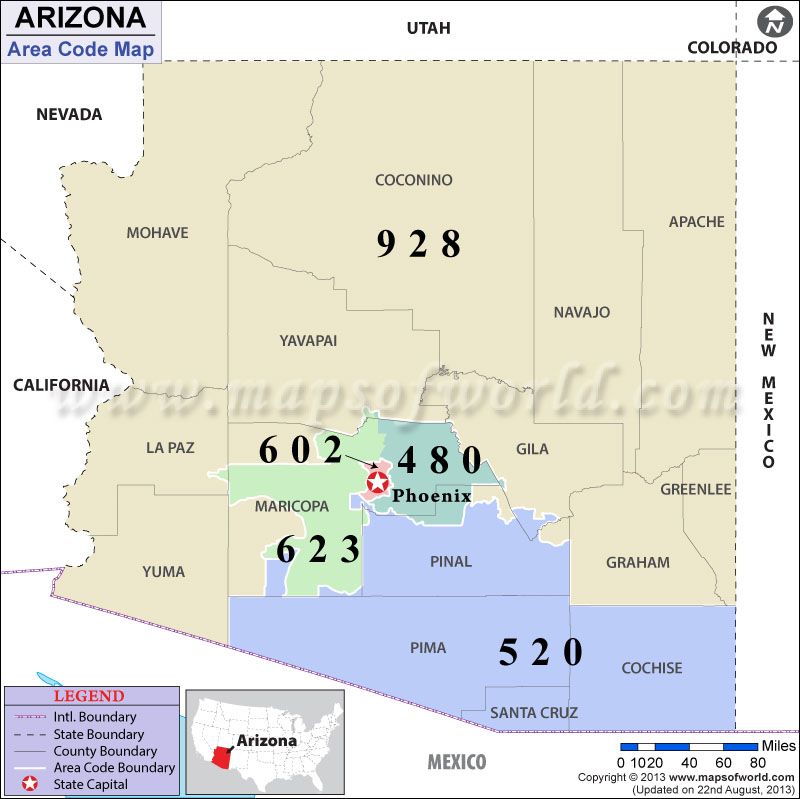
The Phoenix metropolitan area, often referred to as the Valley of the Sun, is predominantly covered by three main area codes: 602, 480, and 623.
-
602: This is the original area code for Phoenix and surrounding Maricopa County. While it still serves the central parts of Phoenix, the introduction of overlay codes has expanded its reach indirectly. For many who have lived in Arizona for a long time, 602 is synonymous with the city itself. If you’re booking a stay at a renowned hotel in downtown Phoenix, such as the Arizona Biltmore, A Waldorf Astoria Resort, or exploring attractions like Camelback Mountain, you’re likely within the 602‘s historical purview.
-
480: This area code was created as an overlay for 602 to accommodate the rapid growth of the eastern and northeastern suburbs of Phoenix. Cities like Scottsdale, known for its luxury resorts, vibrant arts scene, and world-class golf courses, as well as Tempe, home to Arizona State University, and Mesa, fall under the 480 umbrella. Travelers heading to Scottsdale for a rejuvenating spa experience at the Fairmont Scottsdale Princess or attending events at the Salt River Fields at Talking Stick will likely encounter numbers with the 480 prefix. This code represents a significant portion of the Phoenix area’s outward expansion.
-
623: Serving the western and northwestern suburbs of Phoenix, the 623 area code was also introduced to alleviate pressure on 602. Areas like Glendale, famous for its sports venues like State Farm Stadium, and Peoria, a popular destination for spring training baseball, are covered by 623. If your travel plans involve visiting the Desert Diamond Arena or exploring the west Valley‘s many entertainment options, you’ll likely encounter 623 numbers. This code signifies another layer of development and population growth radiating from the core of Phoenix.
The 520 Code: Connecting to Southern Arizona’s Charms
Moving south, the 520 area code is the primary designation for Tucson and much of southern Arizona. This vast area includes the vibrant cultural hub of Tucson, the stunning natural beauty of Saguaro National Park, and the historic border city of Nogales.
- Tucson: The second-largest city in Arizona, Tucson, is at the heart of the 520 area code. This region is renowned for its distinct Sonoran Desert landscape, rich Mexican-American heritage, and thriving culinary scene, earning it a UNESCO City of Gastronomy designation. When planning a stay in Tucson, whether at the historic Arizona Inn or exploring attractions like the Mission San Xavier del Bac or the Arizona-Sonora Desert Museum, you’ll likely be interacting with numbers within the 520 range. The 520 code encompasses a wide array of experiences, from urban exploration in Tucson to the more remote beauty of areas like Bisbee and Tombstone.
- Beyond Tucson: The 520 area code extends far beyond Tucson, covering a significant portion of the state. This includes areas known for their unique historical significance, such as the old West town of Tombstone, and charming desert communities. Travelers venturing into southeastern Arizona, perhaps to explore the Chiricahua National Monument or the art galleries of Bisbee, will be operating within the 520 territory. This expansive code highlights the vastness and diverse appeal of southern Arizona.
The 928 Code: Encompassing Northern and Western Arizona’s Vastness
For those venturing north and west, the 928 area code covers a massive, sparsely populated territory that includes some of Arizona‘s most iconic natural landmarks. This code is a gateway to adventures in the high desert, mountainous regions, and the Colorado River corridor.
-
Northern Arizona’s Wonders: The 928 area code is intrinsically linked to the breathtaking landscapes of northern Arizona. This includes the world-famous Grand Canyon National Park, a must-see for any visitor to the state. Other major destinations within the 928 zone include Flagstaff, a gateway city to the Grand Canyon and a hub for outdoor activities, and Sedona, renowned for its stunning red rock formations and spiritual vortexes. When booking your stay at a lodge near the Grand Canyon or a boutique hotel in Sedona, you’ll likely be dealing with 928 numbers. The area also encompasses places like Williams, a historic Route 66 town, and Winslow, famous for its “standin’ on a corner” park, both offering unique glimpses into Arizona‘s heritage.
-
Western Arizona and the Colorado River: The 928 code also extends into western Arizona, encompassing areas along the Colorado River. This includes cities like Lake Havasu City, known for its transplanted London Bridge, and Yuma, a city with a rich history and agricultural significance. Whether you’re planning a boating trip on Lake Havasu or exploring the historical Yuma Territorial Prison State Historic Park, the 928 area code will be prevalent. This vast area code truly encapsulates the diverse geography and varied attractions of this expansive state.
Area Code Overlays: Managing Growth in a Dynamic State
As Arizona has experienced sustained population growth, particularly in its metropolitan areas, the need to expand the available phone numbers has led to the implementation of area code overlays. An overlay is a system where a new area code is introduced to cover the same geographic region as an existing one. This allows for more phone numbers without forcing people to change their existing numbers.
How Overlays Affect Your Travel and Accommodation Choices
While area code overlays are primarily a telecommunications management tool, they can subtly influence how you might perceive and navigate Arizona. For instance, if you’re looking for specific accommodation in Scottsdale, you might see listings with both 480 and potentially older 602 numbers if the original geographic boundaries have shifted or if older numbers remain in use for certain businesses.
-
Accommodation Bookings: When booking hotels, resorts, or apartments, understanding the area code can sometimes offer a very rough geographical indication, especially in densely populated areas like Phoenix. While most booking platforms will provide precise addresses, knowing that a 480 number likely points to the eastern suburbs or a 623 number to the western suburbs can be a minor aid in orientation. For luxury seekers, finding a resort in Scottsdale (often 480) or a serene desert escape in the Phoenix outskirts (which could be 480, 602, or 623) is part of the allure.
-
Exploring Local Businesses and Tourism: When researching local tour operators, restaurants, or attractions, the area code of their listed phone number can offer clues. For example, a unique culinary experience in Tucson (likely 520) will have a different context than one in the mountain towns of northern Arizona (likely 928). This can be particularly relevant for niche tourism, such as finding a local artisan in Sedona or a specific historical tour operator near the Grand Canyon.
-
Understanding “Local”: In the era of mobile phones and remote work, the concept of a “local” phone number can be blurred. However, for many businesses, especially those deeply rooted in their communities, the area code remains a point of identity. Experiencing the local lifestyle in Arizona might involve interacting with businesses whose phone numbers reflect their regional origins, contributing to a more authentic travel experience.

Navigating Arizona: From Area Codes to Authentic Experiences
Ultimately, while understanding Arizona area codes isn’t as critical as knowing how to book a flight or pack for the desert climate, it adds another layer of informational richness to your journey. These numerical prefixes are woven into the fabric of the state’s telecommunications and, by extension, its geography and development.
Whether you’re planning a luxurious escape to a Scottsdale resort, an adventurous trek through the Grand Canyon, a cultural immersion in Tucson, or a scenic drive along historic Route 66, the area codes are a silent testament to the state’s growth and diversity. They subtly remind us of the distinct regions and communities that make up Arizona, from the bustling urban centers of the Phoenix metroplex to the vast, awe-inspiring landscapes of its northern and southern reaches. By considering these details, your exploration of Arizona can become even more nuanced and enriching, allowing you to connect with the state on a deeper level, one phone number at a time.
LifeOutOfTheBox is a participant in the Amazon Services LLC Associates Program, an affiliate advertising program designed to provide a means for sites to earn advertising fees by advertising and linking to Amazon.com. Amazon, the Amazon logo, AmazonSupply, and the AmazonSupply logo are trademarks of Amazon.com, Inc. or its affiliates. As an Amazon Associate we earn affiliate commissions from qualifying purchases.