
When planning your next adventure to the Grand Canyon State, understanding the financial landscape is as crucial as packing your hiking boots. While Arizona beckons with its stunning natural beauty, vibrant cities, and rich cultural tapestry, travelers and residents alike often ponder the question: “What are Arizona state taxes?” This guide aims to demystify Arizona‘s tax system, focusing on how it might impact your travel experiences, accommodation choices, and overall lifestyle within this diverse southwestern state.
From the awe-inspiring vistas of Sedona to the bustling cultural hubs of Phoenix and Tucson, Arizona offers a plethora of attractions and experiences. Whether you’re seeking a luxurious resort escape, a budget-friendly road trip, or a deep dive into local culture, your financial planning will inevitably touch upon Arizona‘s tax regulations. This article will break down the key aspects of Arizona state taxes, providing insights that can help you make informed decisions, whether you’re a visitor planning a short stay or a prospective resident considering a long-term relocation.
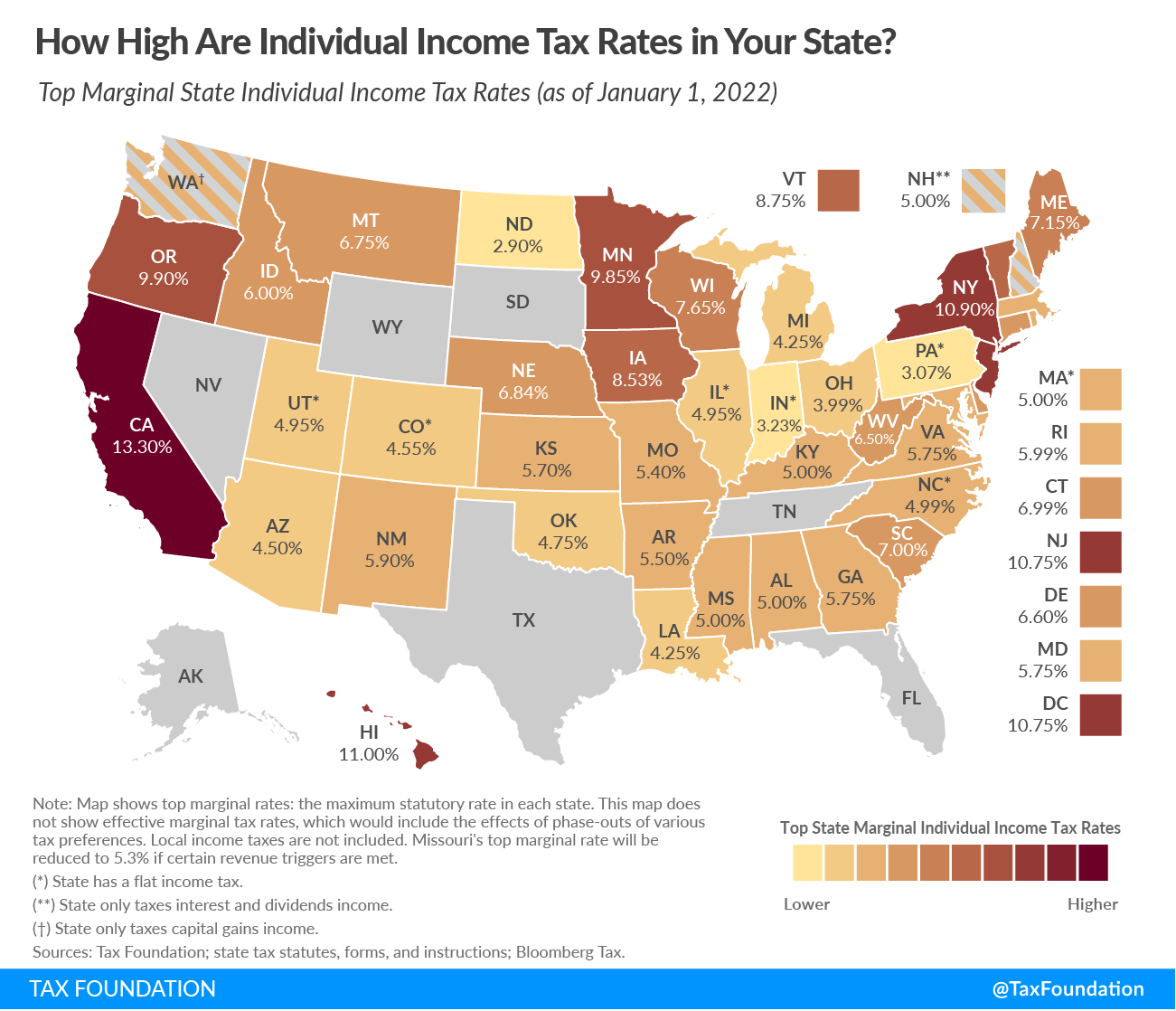
The primary taxes that will likely affect your interactions with Arizona are sales tax and income tax. Understanding these can shed light on everything from the cost of souvenirs at the Grand Canyon National Park to the price of your comfortable suite at a Scottsdale resort. We’ll explore the nuances of each, providing clarity on what you can expect and how these taxes are applied across various scenarios.
Understanding Arizona’s Sales Tax Structure
Arizona‘s sales tax is a cornerstone of its revenue generation, directly impacting the cost of goods and services for both residents and visitors. Unlike some states that impose a statewide sales tax, Arizona utilizes a Transaction Privilege Tax (TPT) system, which is more akin to a sales tax but is levied on the seller, not the buyer, though it is typically passed on to the consumer. This distinction is important, as it means businesses are responsible for collecting and remitting the tax.
The Mechanics of Arizona’s TPT
The TPT in Arizona is composed of two main components: the state TPT and local TPT. The state TPT rate is a fixed percentage, but the crucial element for consumers is the combined rate, which includes the TPT imposed by the specific city or county where the transaction takes place. This means that the total sales tax you pay can vary significantly depending on your location within Arizona. For instance, a purchase made in Phoenix will likely have a different TPT rate than one made in a smaller town like Bisbee.
This localized aspect of the TPT is a key factor for travelers. When you’re browsing for unique artisan crafts in Sedona, booking a room at a charming bed and breakfast in Jerome, or enjoying a meal at a renowned restaurant in Old Town Scottsdale, the final price will reflect the combined state and local TPT. Understanding these varying rates can be particularly helpful for those planning multi-city itineraries or considering the overall budget for their vacation.
Furthermore, the TPT applies to a broad range of goods and services. This includes tangible personal property, such as clothing, electronics, and souvenirs. It also extends to various services, such as hotel accommodations, car rentals, and even admission to certain attractions. When you book a luxurious villa in Paradise Valley or rent a vehicle to explore the Monument Valley Navajo Tribal Park, the TPT will be factored into the total cost.
It’s also worth noting that Arizona has specific rules regarding what is taxed and at what rate. Some services are exempt from TPT, while others are taxed at a reduced rate. For example, while short-term lodging like hotel stays are typically subject to TPT, certain long-term rental agreements might have different tax implications. This complexity can sometimes be confusing, but for the average traveler, the most common application of TPT will be on retail purchases and services commonly associated with tourism.
Navigating Local TPT Variations for Travelers
For travelers, understanding these local TPT variations can offer strategic advantages. If you’re on a budget and planning to make significant purchases, researching the TPT rates in different cities might influence where you choose to shop. Similarly, if you’re considering extending your stay for a longer vacation rental, knowing how TPT is applied to different accommodation types can impact your budgeting.
For example, if you’re comparing a stay at a luxury resort in Phoenix with a self-catering apartment rental in Tempe, the TPT applied to the accommodation will be a factor in your decision. The Arizona Department of Revenue provides detailed information on TPT rates for different jurisdictions, which can be a valuable resource for meticulous planners. This allows you to anticipate costs more accurately, whether you’re eyeing a suite at the Arizona Biltmore, A Waldorf Astoria Resort, or planning a family trip that involves multiple dining experiences across various cities.
When you’re exploring Arizona‘s rich history at Mission San Xavier del Bac or enjoying the natural beauty of Saguaro National Park, the TPT on any souvenirs or services you purchase will contribute to the state and local economies. Being aware of this system allows for a more transparent understanding of where your money is going and how it supports the infrastructure and services that make these destinations accessible and enjoyable.
Arizona’s Income Tax Landscape
Beyond the immediate impact of sales tax on your travel expenses, Arizona also imposes an income tax. This is primarily relevant for residents and those who earn income within the state, but it can also influence longer-term lifestyle decisions. Arizona employs a progressive income tax system, meaning that tax rates increase as income rises.

Progressive Tax Brackets and Filing Requirements
For individuals residing in Arizona, the state’s income tax is structured into several brackets, with varying tax rates. This progressive system is designed to ensure that those with higher earning capacities contribute a proportionally larger share to state revenue. When you become an Arizona resident, you will be required to file an annual state income tax return, reporting your worldwide income if you are domiciled in Arizona, or income derived from Arizona sources if you maintain a residence but are not domiciled there.
This has implications for individuals who might be considering a lifestyle shift, such as a long-term business stay or even a move to Arizona for a slower pace of life. The tax rates can influence disposable income and overall financial planning. For instance, professionals working remotely or temporarily stationed in Arizona for business purposes will need to understand Arizona‘s nexus rules and potential tax liabilities.
The filing deadlines and requirements are similar to federal tax obligations, with individuals typically needing to file by April 15th. Understanding the various deductions and credits available can help reduce your tax burden. This is where consulting with a tax professional can be particularly beneficial, especially if your financial situation is complex.
Impact on Lifestyle and Budgeting for Residents
For residents, Arizona‘s income tax is a significant factor in their annual budget. It influences how much of their earnings are available for discretionary spending, such as travel, dining, or investing in luxury lifestyle experiences. For example, a family planning a Phoenix Suns game or a weekend getaway to Lake Havasu City will need to consider their after-tax income when allocating funds for such activities.
The progressive nature of the tax also means that higher earners might have more disposable income for premium travel experiences, such as stays at renowned resorts like The Phoenician, a Luxury Collection Resort, Scottsdale, or exploring exclusive dining establishments. Conversely, individuals in lower tax brackets might prioritize budget travel options, focusing on affordable accommodations and free outdoor attractions like hiking in Camelback Mountain.
Furthermore, Arizona offers various tax credits and exemptions that can affect the overall tax liability for residents. These can range from credits for dependents to deductions for certain types of investments. Staying informed about these provisions can help residents optimize their financial strategies and potentially free up more funds for leisure and lifestyle pursuits, including exploring the state’s diverse offerings, from the arts scene in Tucson to the outdoor adventures in the Arizona wilderness.
Other Tax Considerations in Arizona
While sales and income taxes are the most prominent, Arizona also has other tax considerations that can affect businesses and, indirectly, consumers. These might include property taxes and specific business taxes, which, while not directly levied on most tourists, contribute to the overall economic environment and the cost of goods and services.
Property Taxes and Their Indirect Impact
Arizona‘s property tax system is administered at the county and local levels. Property taxes are levied on real estate and some personal property, and the rates vary significantly by jurisdiction. While this directly impacts homeowners and property owners, it can indirectly affect travelers and those seeking accommodation. For instance, the cost of property taxes for hotels and resorts can be factored into the room rates, meaning that travelers staying in areas with higher property taxes might find their accommodation costs slightly elevated.
For those considering long-term stays or even purchasing property in Arizona, understanding local property tax rates is essential. Cities like Paradise Valley, known for its affluent communities and high property values, will likely have different property tax structures compared to more rural areas. This can influence the overall cost of living and the financial feasibility of relocating or establishing a longer-term presence in certain locales.
Business Taxes and Their Influence on Consumer Costs
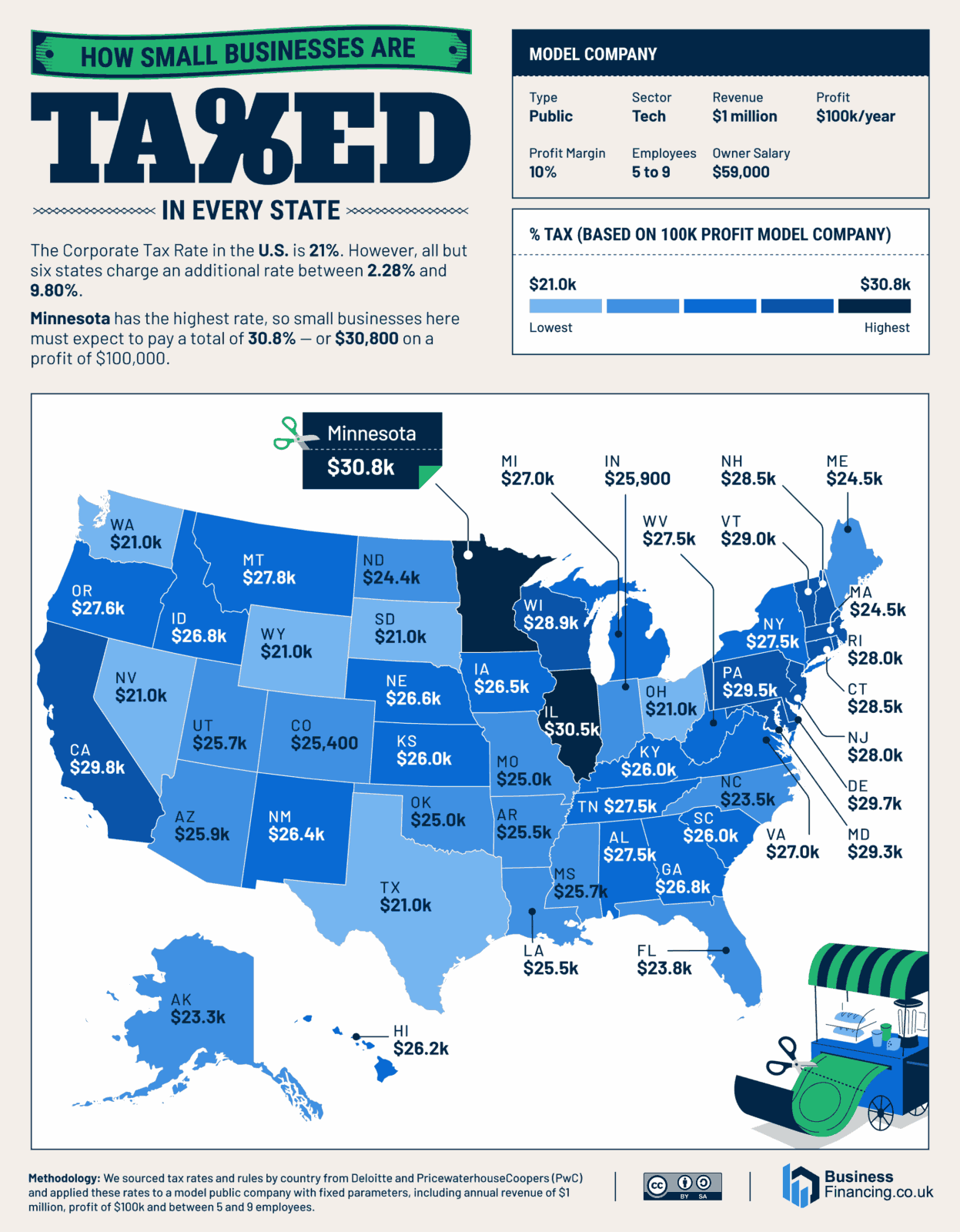
Beyond property taxes, Arizona has various business taxes, including corporate income tax and unemployment insurance taxes. These are levied on businesses operating within the state. While these taxes are not directly paid by consumers, they are often considered by businesses when setting prices for their goods and services. Therefore, the cumulative effect of business taxes can contribute to the overall cost of consumer goods and services, including those related to travel and tourism.
For example, a tour operator offering excursions to Antelope Canyon or the Petrified Forest National Park will have these business expenses, including taxes, to consider when pricing their tours. Similarly, restaurants, shops, and accommodation providers all factor their tax liabilities into their operational costs, which are then reflected in the prices paid by customers.
When you’re enjoying a fine dining experience in Phoenix, purchasing souvenirs from a boutique in Jerome, or booking a guided tour of Sedona‘s red rocks, the price you pay is a reflection of many factors, including the various taxes that businesses in Arizona are required to pay. Understanding this broader tax landscape provides a more comprehensive view of the economic factors that shape your travel experiences and your potential lifestyle within the state.
In conclusion, while the initial question of “What are Arizona state taxes?” might seem straightforward, the reality is a nuanced system of Transaction Privilege Tax (TPT) and progressive income tax, alongside other considerations. For travelers, the TPT is the most immediately apparent, influencing the cost of everything from hotel stays to souvenirs. For residents, income tax plays a more significant role in personal budgeting and lifestyle choices. By understanding these elements, you can better navigate the financial aspects of your Arizona adventures, ensuring a more informed and enjoyable experience in this captivating state. Whether you’re drawn by the natural wonders, the vibrant cities, or the unique cultural experiences, a little tax knowledge can go a long way in making your Arizona journey smooth and financially sound.
LifeOutOfTheBox is a participant in the Amazon Services LLC Associates Program, an affiliate advertising program designed to provide a means for sites to earn advertising fees by advertising and linking to Amazon.com. Amazon, the Amazon logo, AmazonSupply, and the AmazonSupply logo are trademarks of Amazon.com, Inc. or its affiliates. As an Amazon Associate we earn affiliate commissions from qualifying purchases.