
California, the Golden State, is an expansive land of diverse landscapes, vibrant cultures, and countless experiences, making it a premier global destination for travel and tourism. From the sun-drenched beaches of Southern California to the majestic forests of the north, and from the bustling urban centers to the serene wine regions, this state offers an unparalleled array of adventures. Integral to understanding its vastness, both geographically and culturally, are its numerous area codes. More than just sequences of numbers that facilitate telephone communication, California’s area codes are deeply interwoven with the state’s identity, reflecting its historical growth, technological advancements, and the unique characteristics of its various regions.

For anyone planning a trip, seeking accommodation, or simply curious about the lifestyle in different parts of the state, understanding these codes provides a fascinating lens through which to view California. They mark the boundaries of major cities, identify economic hubs, and even subtly hint at the kind of experiences one might expect in a particular destination, from luxury resorts in Beverly Hills to charming boutique hotels in San Francisco. As California continues to evolve, so too does its numbering plan, a testament to its dynamic growth and enduring appeal as a place to live, work, and explore.
Decoding California’s Area Code Landscape
The journey of California’s area codes began in 1947 with the inception of the North American Numbering Plan (NANP), a system designed to streamline telephone calls across the continent. Initially, California was assigned just three area codes: 213 for Southern California, 415 for Northern California, and 916 for the Central Valley and parts of the Sierra Nevada. These original codes were sufficient for a state with a much smaller population and less reliance on telecommunications. However, California’s meteoric rise in population, coupled with an explosion in the demand for telephone lines—driven by residential growth, business expansion, and later, the advent of mobile phones and fax machines—quickly necessitated a more complex numbering system.
A Brief History and the Need for Expansion
The early 20th century saw California transform from an agricultural powerhouse to a leader in industry, entertainment, and technology. Cities like Los Angeles and San Francisco became magnets for innovation and migration. This rapid expansion meant that the finite number of telephone numbers available within the original three area codes began to dwindle. As early as the 1950s and 60s, new codes started to emerge, carved out from the existing ones. The 213 code, originally encompassing much of Southern California, was eventually split to create codes like 714 for Orange County and parts of Los Angeles, and 805 for the central coast. Similarly, 415 gave rise to 916 for parts of the Bay Area and 707 for the North Coast, marking the beginning of a continuous process of subdivision.
This historical evolution reflects not just a technical necessity but also the demographic and economic shifts across the state. Each new area code signaled a new wave of development, population density, or technological adoption in a specific region. For visitors today, knowing this history adds another layer of appreciation for the state’s incredible growth and the planning required to support such a dynamic environment.
Understanding Splits and Overlays: The Modern Approach
As demand continued to surge into the late 20th and early 21st centuries, regulators faced a challenge: how to provide enough numbers without excessively fragmenting existing communities. Two primary methods were employed: area code splits and area code overlays.
An area code split involves dividing an existing area code’s geographic region into two or more distinct areas, each receiving a new, unique area code. This was the preferred method for decades, allowing residents to retain their existing 7-digit numbers within their new area code. However, it often meant that calling a neighbor across the street might require dialing a new 10-digit number if they were in a different area code, which could be inconvenient.
An area code overlay, on the other hand, superimposes a new area code over the same geographic region as an existing one. This means that both the old and new area codes serve the same territory. The primary consequence of an overlay is the mandatory requirement for 10-digit dialing (area code + 7-digit number) for all local calls within that region, even if both numbers share the same area code. This prevents confusion and ensures unique number assignment. California has increasingly adopted the overlay method, particularly in densely populated urban centers like Los Angeles and the San Francisco Bay Area. This strategy has effectively addressed the shortage of numbers while minimizing the disruption of residents having to change their own numbers. For travelers, this means that virtually all calls within and between California area codes require 10-digit dialing, a crucial detail for staying connected.
Area Codes as Geographic Markers: A Tourist’s Guide
For those exploring California, area codes offer more than just dialing instructions; they serve as informal geographic markers, hinting at the character and attractions of various regions. From the glitz of Hollywood to the tech hubs of Silicon Valley and the serene beauty of wine country, each cluster of digits tells a story about the locale.
Southern California’s Sprawling Canvas
Southern California is a vast and diverse region, reflected in its numerous area codes. The central heart of Los Angeles is primarily covered by 213 and its overlay 323, while surrounding areas use a patchwork of codes like 310, 424 (overlay for 310), 562, 626, and 818. These codes encompass iconic destinations such as the Hollywood Walk of Fame, the upscale shops of Beverly Hills, the entertainment of Universal Studios Hollywood, and the vibrant beach culture of Santa Monica Pier. For those seeking family fun, the 714 and 657 (overlay) codes cover Orange County, home to Disneyland Park in Anaheim and the beautiful shores of Laguna Beach.
Further south, San Diego and its surrounding communities use 619 and 858 (overlay), offering attractions like the world-renowned San Diego Zoo and the lively nightlife of the Gaslamp Quarter. The desert and mountain regions of Southern California, stretching towards Palm Springs and Joshua Tree, often fall under the 760 area code. This intricate web of codes guides travelers through a region known for its diverse attractions, from theme parks and beaches to deserts and mountains, with a corresponding range of hotels and resorts catering to every preference and budget.
The Vibrant San Francisco Bay Area
The San Francisco Bay Area, a hub of innovation and culture, is another region characterized by its distinct area codes. San Francisco itself is covered by 415 and its overlay 628, signifying its compact yet densely populated urban landscape. Here, visitors can marvel at the Golden Gate Bridge, explore Alcatraz Island, or savor fresh seafood at Fisherman’s Wharf. Across the bay, Oakland and the East Bay communities primarily use 510 and 341 (overlay), while the peninsula, home to many tech giants, is served by 650.
Further south in the Bay Area, San Jose and the heart of Silicon Valley operate under 408 and its overlay 669, reflecting the region’s immense contribution to the tech industry and its bustling metropolitan lifestyle. The inland East Bay, including cities like Walnut Creek, uses 925. Beyond the immediate urban sprawl, the renowned wine regions of Napa Valley and Sonoma County are primarily under the 707 area code, inviting visitors for luxurious wine-tasting experiences and stays at charming vineyards. For nature lovers, Muir Woods National Monument, with its ancient redwood trees, is also accessible from the 415 area code.
Central California’s Diverse Landscapes
Moving into the heart of the state, Central California offers a blend of agricultural richness, dramatic coastlines, and majestic national parks. The sprawling Central Valley, a significant agricultural region, is covered by codes like 559 (Fresno and surrounding areas) and 661 (Bakersfield and the southern valley). These areas serve as gateways to some of California’s most awe-inspiring landmarks, including Yosemite National Park and Sequoia National Park, where visitors can immerse themselves in towering natural beauty.
Along the picturesque central coast, the 805 area code spans regions like Santa Barbara and San Luis Obispo, known for their stunning beaches, mission history, and vibrant culinary scenes. Further north, the 831 area code encompasses Monterey Bay, home to the famous Monterey Bay Aquarium and the scenic grandeur of Big Sur, a coastal drive that is an experience in itself. The magnificent Hearst Castle, a testament to opulent lifestyle and architectural wonder, also lies within the 805 area. These codes connect travelers to a side of California rich in natural beauty and historical charm.
Northern California’s Untamed Beauty
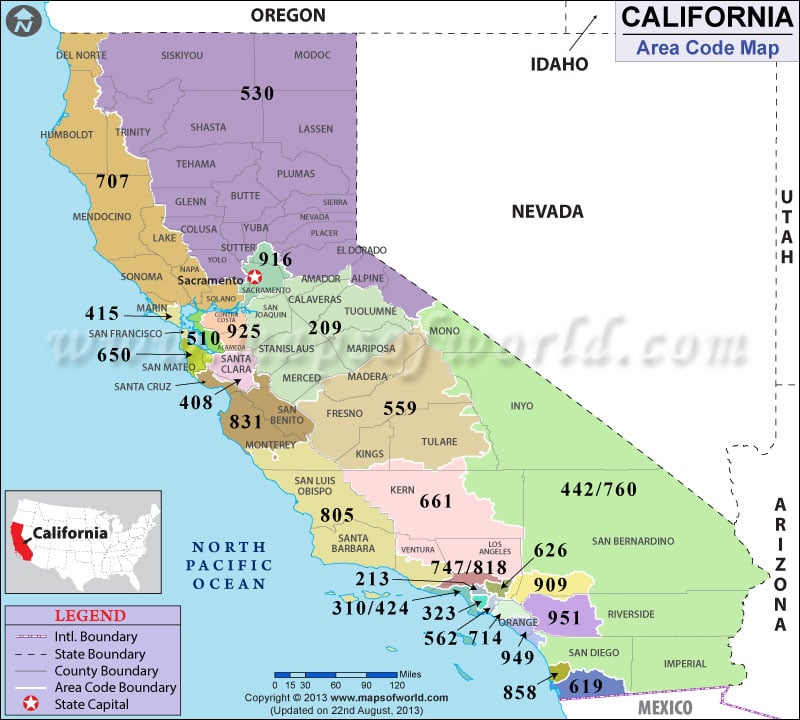
Northern California, beyond the Bay Area, presents a rugged and untamed side of the state, often associated with codes like 530, 707, and 916. The state capital, Sacramento, and its surrounding regions are covered by 916 and 279 (overlay). Here, history comes alive in Old Sacramento State Historic Park, offering a glimpse into the Gold Rush era. The vast expanse of the 530 area code covers a significant portion of inland Northern California, stretching from the Sierra Nevada mountains to the Oregon border, including the popular year-round destination of Lake Tahoe with its pristine waters and world-class skiing.
The scenic 707 area code also extends north from the wine country, embracing the dramatic coastline and dense forests that lead to Redwood National Park, where the tallest trees on Earth inspire awe and wonder. These northern codes are synonymous with outdoor adventures, serene accommodation in nature, and a slower pace of life, distinct from the bustling urban centers further south.
Travel, Accommodation, and Connectivity: A Visitor’s Perspective
For any visitor to California, understanding area codes transcends mere curiosity; it’s a practical aspect of planning and experiencing the trip. From staying connected to choosing the right accommodation, area codes subtly influence many aspects of modern travel.
Staying Connected: Practical Tips for Travelers
Given the prevalence of area code overlays, 10-digit dialing is almost universally required for all local and long-distance calls within California. This is a vital tip for travelers to remember, whether they are using their own mobile phones, a rented device, or landlines at their hotel. Modern smartphones typically handle this automatically, but for those less familiar, it’s a key piece of information. Furthermore, many travelers opt for eSIMs or local SIM cards to avoid roaming charges, and these often come with a new California area code, reinforcing the need to dial 10 digits. Wi-Fi availability is widespread in hotels, cafes, and public spaces, often reducing the reliance on traditional phone calls, but understanding area codes remains relevant for emergencies or contacting local services.
For business travelers, having a local number can also be a significant advantage, signaling an immediate connection to the local market, whether it’s Los Angeles’ entertainment industry (213/310) or Silicon Valley’s tech sector (408/650). Knowing the area code of a business or service can provide a quick geographical context, which is particularly useful in a state as vast as California.
Choosing Your Base: Hotels and Accommodation Across California
The choice of accommodation often correlates with specific area codes, defining the type of travel and lifestyle experience a visitor seeks. In the 310/424 area, covering Beverly Hills and Santa Monica, one might find luxurious resorts and boutique hotels catering to an upscale clientele. Within the 415/628 of San Francisco, diverse options range from historic grand hotels near Union Square to charming apartments and suites in cultural neighborhoods. For families visiting Disneyland, choosing hotels in the 714/657 area of Anaheim makes practical sense.
Away from the cities, the 707 area code in Napa Valley offers exquisite vineyard accommodations and spa resorts, ideal for a relaxing and indulgent escape. The 530 area surrounding Lake Tahoe provides a plethora of cabins, lodges, and resorts perfect for skiing in winter or hiking in summer. Whether you’re comparing hotels, reading reviews, or booking a long-term stay, the area code provides an immediate geographical context for your chosen destination and helps align your lodging with your desired travel experience.
Local Culture and Tourism Experiences
Area codes are also subtly intertwined with local culture and tourism experiences. Residents often identify strongly with their local area code, seeing it as part of their community’s identity. This translates into distinct local flavors and activities for visitors. A food tour in San Francisco (415) will offer different culinary experiences than exploring the diverse gastronomic scene in Los Angeles (213/310). Similarly, the beach culture of San Diego (619) offers a distinct lifestyle from the historical explorations in Sacramento (916).
When planning activities and seeking tips for local immersion, knowing the area code helps narrow down local events, hidden gems, and specific cultural offerings. From art galleries in Laguna Beach (949) to the agricultural markets in the Central Valley (559), the area code indirectly guides visitors to authentic local experiences that reflect the unique character of each region.
Lifestyle and Living in the Golden State
Beyond travel and tourism, area codes play an intrinsic role in the daily lifestyle of California residents, often serving as a subtle badge of geographic identity and connection to specific economic or cultural hubs.
Area Codes as a Marker of Local Identity
For many Californians, their area code is more than just part of a phone number; it’s a piece of their identity, a quick way to indicate where they’re from within the vast state. There’s a certain cachet associated with a 213 number, evoking classic Los Angeles glamor, just as a 415 number is synonymous with San Francisco sophistication. The proliferation of codes, particularly overlays, has led to a shared sense of local identity within these regions, where everyone is accustomed to 10-digit dialing. This regional pride can influence everything from local sports team loyalties to the types of businesses and services found in an area, contributing to the distinct cultural fabric of each region.
This sense of identity is particularly relevant in areas that have seen rapid growth and the introduction of multiple new codes, where residents adapt and integrate the new numbers into their understanding of their local community. It speaks to the ongoing evolution of the state and its residents’ ability to embrace change while holding onto a sense of belonging.
Business and Economic Hubs
California’s area codes also highlight its diverse economic landscape. The 408 and 650 codes are instantly recognizable as being from Silicon Valley, signifying innovation, technology, and a thriving startup culture. Businesses operating in these areas are deeply embedded in the global tech economy, drawing talent and investment from around the world. In contrast, the 213, 310, and 818 codes of Los Angeles are associated with the entertainment industry, media, and creative arts, defining a different but equally powerful economic engine.
The agricultural might of the Central Valley is represented by codes like 559 and 661, while the financial and commercial strength of San Francisco resides within 415. These codes serve as practical identifiers for businesses, helping customers and partners quickly pinpoint their geographic and, by extension, economic context. For anyone considering relocating for work or establishing a new enterprise, the choice of an area code can even carry symbolic weight, aligning them with the dominant industry or cultural ethos of that region.
The Future of California’s Numbering System
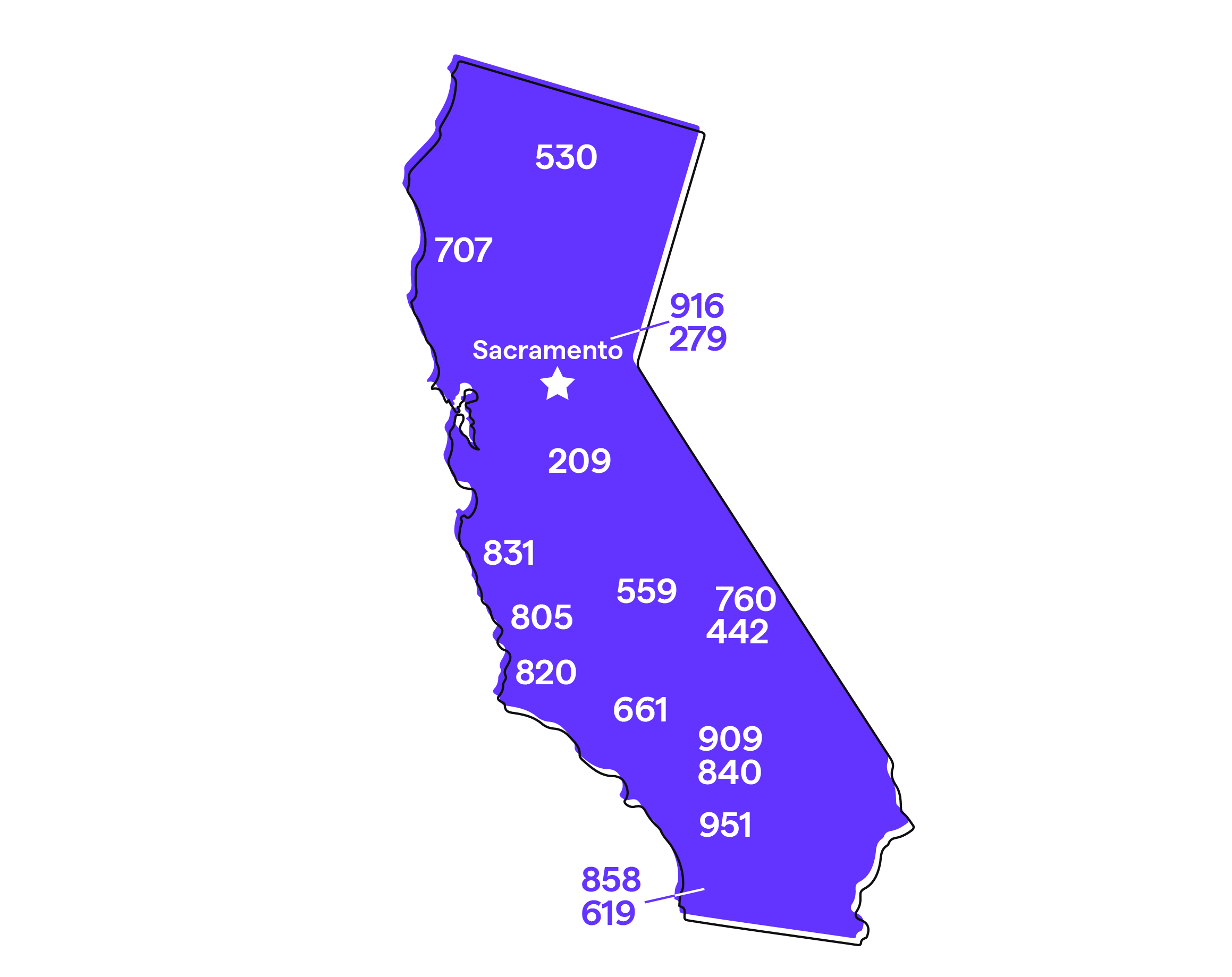
As California continues to grow and digital communication evolves, the state’s numbering system will undoubtedly continue to adapt. The demand for new numbers, driven by new residents, IoT devices, and various communication technologies, ensures that new area codes, primarily through overlays, will be introduced. This ongoing process reflects California’s enduring dynamism and its position at the forefront of technological and demographic trends.
While the fundamental concept of area codes remains, their interaction with modern communication tools like VoIP, internet messaging, and video calls means their primary role is shifting. Yet, they remain a foundational element of the state’s infrastructure, silently connecting its vast and varied regions.
In conclusion, California’s area codes are far more than mere digits; they are a living map of the state’s history, its demographic shifts, and its cultural heartbeat. For travelers, they are helpful guides to destinations and experiences, influencing choices in accommodation and connectivity. For residents, they are markers of identity and community. As the Golden State continues its journey, its area codes will remain a fascinating reflection of its past, present, and future, forever linking communication to the rich tapestry of its land and people.
LifeOutOfTheBox is a participant in the Amazon Services LLC Associates Program, an affiliate advertising program designed to provide a means for sites to earn advertising fees by advertising and linking to Amazon.com. Amazon, the Amazon logo, AmazonSupply, and the AmazonSupply logo are trademarks of Amazon.com, Inc. or its affiliates. As an Amazon Associate we earn affiliate commissions from qualifying purchases.