
For travelers venturing to the breathtaking shores of Hawaii, a common and important question arises: “What are the natives of Hawaii called?” The answer lies at the heart of the islands’ rich history, vibrant culture, and enduring spirit. The indigenous people of this spectacular archipelago are known as Native Hawaiians, or by their ancestral name, Kānaka Maoli. Understanding this terminology, and delving into the profound heritage it represents, is not just a matter of nomenclature but a gateway to a deeper, more meaningful travel experience.
Hawaii, a jewel in the vast Pacific Ocean, is a destination that captivates with its dramatic landscapes, from the volcanic peaks of the Big Island to the lush valleys of Kauai and the iconic beaches of Oahu and Maui. While the natural beauty is undeniable, the true essence of Hawaii is intrinsically linked to its people – the descendants of the brave Polynesian navigators who first discovered these remote islands centuries ago. Their culture, values, and traditions infuse every aspect of island life, from the language spoken to the food enjoyed and the warm hospitality extended to visitors.

This article aims to explore the identity of Native Hawaiians, shedding light on their historical journey, the pillars of their unique culture, and how contemporary travelers can engage respectfully and authentically with this living heritage. By understanding who the Kānaka Maoli are, visitors can move beyond superficial tourism and embrace an experience that truly honors the spirit of aloha and the legacy of these extraordinary people.
The Identity: Kānaka Maoli and Native Hawaiians
The terms “Native Hawaiian” and “Kānaka Maoli” both refer to the indigenous people of the Hawaiian Islands. While “Native Hawaiian” is the more common English translation and is widely understood, “Kānaka Maoli” is the Hawaiian term, meaning “true people” or “indigenous people,” and carries a deeper cultural significance, reflecting their inherent connection to the land and their ancestral heritage.
Tracing Ancient Roots: Polynesian Voyagers
The story of the Kānaka Maoli begins long before European contact, tracing back to intrepid Polynesian navigators who undertook epic ocean voyages across thousands of miles of open sea. These master seafarers, using sophisticated knowledge of stars, currents, and swell patterns, journeyed from islands like the Marquesas and Tahiti, arriving in Hawaii between 300 and 800 AD. They brought with them not only their families but also plants, animals, and the foundational elements of a thriving civilization.
Upon settling the fertile islands, these early Hawaiians developed an intricate society characterized by a complex social structure, a rich spiritual belief system, and a deep respect for the natural world. They established sophisticated land management systems, known as ahupuaʻa, which divided land from the mountains (mauka) to the sea (makai), ensuring sustainable resource use. Their society flourished for centuries, evolving unique cultural practices, a distinctive language (ʻŌlelo Hawaiʻi), and a profound connection to the ʻāina (land) and the moana (ocean). This era represents the pure, sovereign existence of the Kānaka Maoli, shaping their identity and values long before any external influences.

Understanding the Terminology and Historical Context
The term “Native Hawaiian” often carries legal and political implications, particularly in the context of federal recognition and various programs established to address the historical injustices and challenges faced by the indigenous population since Western contact. The arrival of Captain James Cook in 1778 marked a turning point, leading to eventual annexation by the United States in 1898, and the loss of the Hawaiian Kingdom’s sovereignty. This period brought about significant demographic shifts, the suppression of the Hawaiian language, and immense cultural disruption.
Today, while the majority of Hawaii’s residents identify as multiracial, the descendants of the original Polynesian settlers continue to uphold their distinct identity and fight for the preservation and revitalization of their culture. For travelers, acknowledging and using the terms “Native Hawaiian” or “Kānaka Maoli” with respect demonstrates an understanding of this heritage, moving beyond a generic “islander” label to recognize a specific, enduring cultural group.
A Rich Tapestry: Culture, Language, and Traditions
The culture of Native Hawaiians is a vibrant, living entity, deeply rooted in spiritual reverence for nature and a communal way of life. It’s a culture that has endured through centuries, adapting and evolving while holding fast to core principles. For any visitor seeking an authentic Hawaii experience, understanding these cultural cornerstones is paramount.
ʻŌlelo Hawaiʻi: The Heart of the Culture
The Hawaiian language, ʻŌlelo Hawaiʻi, is far more than just a means of communication; it is a direct link to ancestral knowledge, spiritual beliefs, and the very soul of the people. Once nearly extinct due to systemic suppression following the overthrow of the Hawaiian Kingdom, a powerful cultural renaissance in the late 20th century saw its resurgence. Today, there are immersion schools, language programs, and a growing number of fluent speakers, revitalizing this beautiful and poetic language.
Many place names, street names, and common phrases in Hawaii are in ʻŌlelo Hawaiʻi. Learning a few basic phrases, such as “Aloha” (hello, goodbye, love), “Mahalo” (thank you), and “E komo mai” (welcome), is a simple yet profound way to show respect and appreciation. Engaging with the language, even minimally, opens a window into the Hawaiian worldview and demonstrates a genuine interest in the local culture. Many cultural centers and attractions offer language workshops, providing travelers with an immersive and educational experience that goes beyond typical sightseeing.
Hula and Sacred Practices
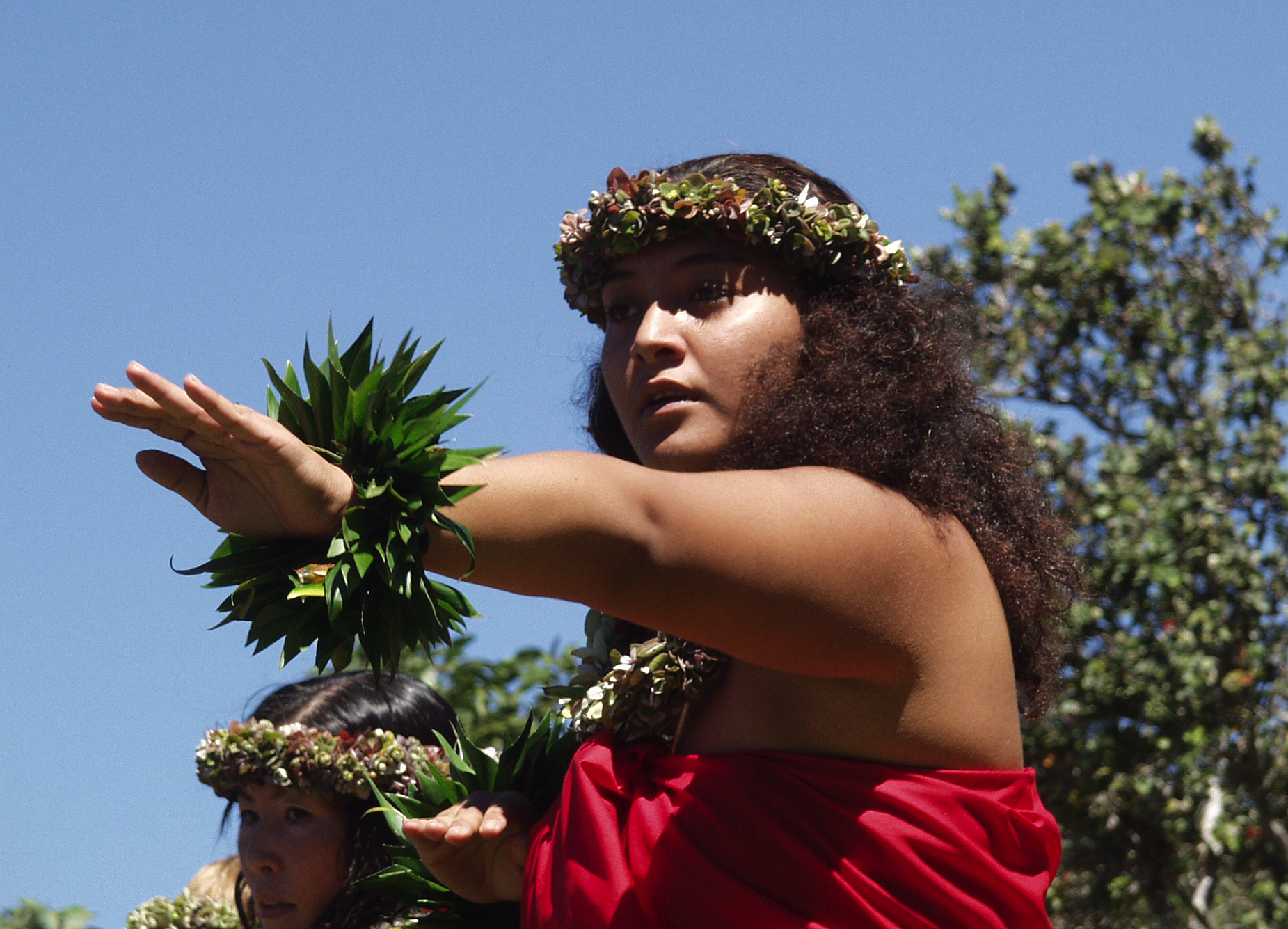
Perhaps one of the most iconic expressions of Hawaiian culture is the hula. Far from just entertainment, hula is a sacred art form, a visual storytelling tradition that conveys ancient chants (mele), myths, legends, and historical events through intricate movements, gestures, and facial expressions. There are various forms of hula, including the ancient hula kahiko (accompanied by traditional instruments and chant) and the more contemporary hula ʻauana (accompanied by modern instruments and song).
Witnessing an authentic hula performance, especially at a cultural festival like the Merrie Monarch Festival on the Big Island, is a deeply moving experience. Visitors interested in learning more can often find workshops or demonstrations at cultural centers, offering a chance to understand the deeper meanings behind the movements and the spiritual connection to the land and gods.
Beyond hula, other sacred practices include chanting, blessings (pule), and ceremonies that honor ancestors and the natural world. These traditions emphasize the interconnectedness of all things and foster a sense of harmony and balance, principles encapsulated in the concept of pono.
The Enduring Aloha Spirit
The “Aloha Spirit” is not merely a slogan; it is a fundamental philosophy and way of life for many Hawaiians. It encompasses unconditional love, compassion, kindness, grace, humility, patience, and respect for all living things. When applied to tourism, the Aloha Spirit encourages visitors to approach Hawaii with an open heart and a respectful mind, ready to give as much as they receive.
Practicing the Aloha Spirit means being mindful of the environment (mālama ʻāina – to care for the land), showing consideration for local residents, and engaging with the culture in an appreciative, rather than exploitative, manner. It’s about building genuine connections and understanding that Hawaii is not just a backdrop for a vacation, but a home with a living culture and history.
Connecting with Ancestral Lands: Important Sites and Preservation Efforts
The land, or ʻāina, holds immense spiritual and cultural significance for Native Hawaiians. Many sites across the islands are considered sacred, serving as powerful reminders of their ancestors and the deep connection between the people and their environment. Visiting these places with respect and an understanding of their historical importance can profoundly enhance a traveler’s journey.
Sacred Places Across the Islands
From ancient temples (heiau) to royal residences and natural wonders imbued with legend, Hawaii is dotted with sites of profound cultural importance.
- On Oahu, the Iolani Palace in Honolulu stands as the only official residence of royalty in the United States, once home to the reigning monarchs of the Hawaiian Kingdom. A visit here offers a tangible link to the kingdom’s history and its eventual overthrow. Not far, the Bishop Museum houses the world’s largest collection of Polynesian cultural and natural history artifacts, providing invaluable insight into Native Hawaiian life.
- The Big Island is home to Puʻuhonua o Hōnaunau National Historical Park, a sacred place of refuge where ancient lawbreakers could find sanctuary and absolution. This site powerfully illustrates the ancient justice system and spiritual beliefs. Further south, Hawaii Volcanoes National Park is not only a geological marvel but also a sacred landscape, home to Pele, the goddess of volcanoes and fire, embodying the islands’ creation story.
- On Maui, the Haleakala Crater, a dormant volcano, is revered as a spiritual place where demigod Maui snared the sun. Visiting at sunrise or sunset offers a breathtaking view and a chance to feel the spiritual energy of this ancient place.
- Kauai boasts the lush Waimea Canyon, known as the “Grand Canyon of the Pacific,” which holds numerous historical and cultural sites related to ancient Hawaiian communities.
When visiting these sites, it’s crucial to observe signs, follow guidelines, and approach them with reverence, understanding that these are not merely tourist attractions but living embodiments of Hawaiian heritage.
Modern Revival and Cultural Preservation
In response to historical disenfranchisement, Native Hawaiians have spearheaded powerful movements for cultural revitalization and self-determination. These efforts manifest in various ways: the re-establishment of traditional farming practices, the resurgence of navigation techniques through voyaging canoes like the Hokuleʻa, the vibrant growth of the ʻŌlelo Hawaiʻi language, and the establishment of cultural centers.
Organizations and initiatives dedicated to preserving and promoting Native Hawaiian culture are active across the islands. The Polynesian Cultural Center on Oahu, for example, offers an immersive experience showcasing the cultures of various Polynesian islands, including Hawaii. While a popular tourist attraction, it also plays a significant role in employment and education for local students. Supporting these organizations, whether through visiting their facilities or purchasing authentic Hawaiian crafts, contributes directly to the ongoing efforts of cultural preservation.
Experiencing Hawaiian Culture: A Traveler’s Guide
For travelers whose vision of Hawaii extends beyond pristine beaches and luxury resorts, engaging with Native Hawaiian culture offers an unparalleled opportunity for enrichment. It transforms a simple vacation into an educational and deeply moving journey.
Immersive Cultural Experiences
Moving beyond standard tourist activities, seek out experiences that genuinely connect you with the local culture.
- Attend a Luau with a Purpose: While many luaus cater to tourists, some offer a more authentic cultural experience, focusing on storytelling, traditional food preparation, and performances that truly educate about Hawaiian history and mythology. Look for those operated by local families or cultural groups.
- Visit Cultural Centers and Museums: Beyond the Bishop Museum and Polynesian Cultural Center, many smaller community-based centers and museums on each island provide intimate insights into specific aspects of Hawaiian culture. For instance, the Kauai Museum or the Maui Arts & Cultural Center offer diverse programming.
- Take a Traditional Hula Class or Workshop: Several studios and cultural organizations offer beginner hula lessons, providing a hands-on way to understand this sacred dance.
- Explore Historical and Sacred Sites: As mentioned, places like Iolani Palace, Puʻuhonua o Hōnaunau National Historical Park, and specific heiau (temples) offer direct connections to ancient Hawaii. Always visit with respect, adhere to local customs, and avoid disturbing any artifacts or natural formations.
- Participate in Volunteer Programs: Some organizations offer volunteer opportunities related to land restoration (mālama ʻāina), traditional farming (e.g., kalo farming), or cultural preservation. This offers a deeply immersive and reciprocal way to engage with the community.
Supporting Local Communities
Responsible tourism involves directing your financial contributions to local businesses and initiatives that directly benefit Native Hawaiian communities and cultural preservation efforts.
- Buy Authentic Local Crafts: Seek out authentic Hawaiian crafts, art, and products from local artisans at farmers’ markets, craft fairs, or small shops, rather than mass-produced souvenirs. This supports local artists and ensures the continuation of traditional art forms.
- Dine at Local Eateries: Explore restaurants that specialize in traditional Hawaiian cuisine and source ingredients locally. This not only offers a true taste of Hawaii but also supports local farmers and restaurateurs.
- Choose Locally Owned Tour Operators: Opt for tour guides and companies that are locally owned and operated, especially those with a focus on cultural and historical interpretation. These guides often provide more nuanced insights and ensure that tourism benefits the community directly.
- Stay at Locally Owned Accommodations: While major hotel chains are prevalent, consider staying at smaller, locally owned guesthouses, bed & breakfasts, or vacation rentals where your patronage directly contributes to local families and businesses.
Responsible Tourism and the Future of Hawaii
Ultimately, experiencing Native Hawaiian culture is about more than just checking off a list of attractions; it’s about fostering an attitude of respect, reciprocity, and a willingness to learn. Hawaii faces unique challenges, including the impacts of climate change, over-tourism, and the ongoing struggle to preserve its unique heritage. As a visitor, you have a crucial role to play in promoting sustainable and respectful tourism.
By understanding that the natives of Hawaii are called Native Hawaiians or Kānaka Maoli, and by embracing the spirit of aloha and mālama ʻāina, you contribute to the perpetuation of this vibrant culture for future generations. Your journey to Hawaii can then transcend the superficial, becoming a profound exploration of a land rich in history, a people rich in spirit, and a culture that truly makes the Hawaiian Islands unlike anywhere else on Earth. Embrace the opportunity to learn, listen, and connect, and you will discover the true magic of Hawaii lies not just in its stunning scenery, but in the heart of its people.